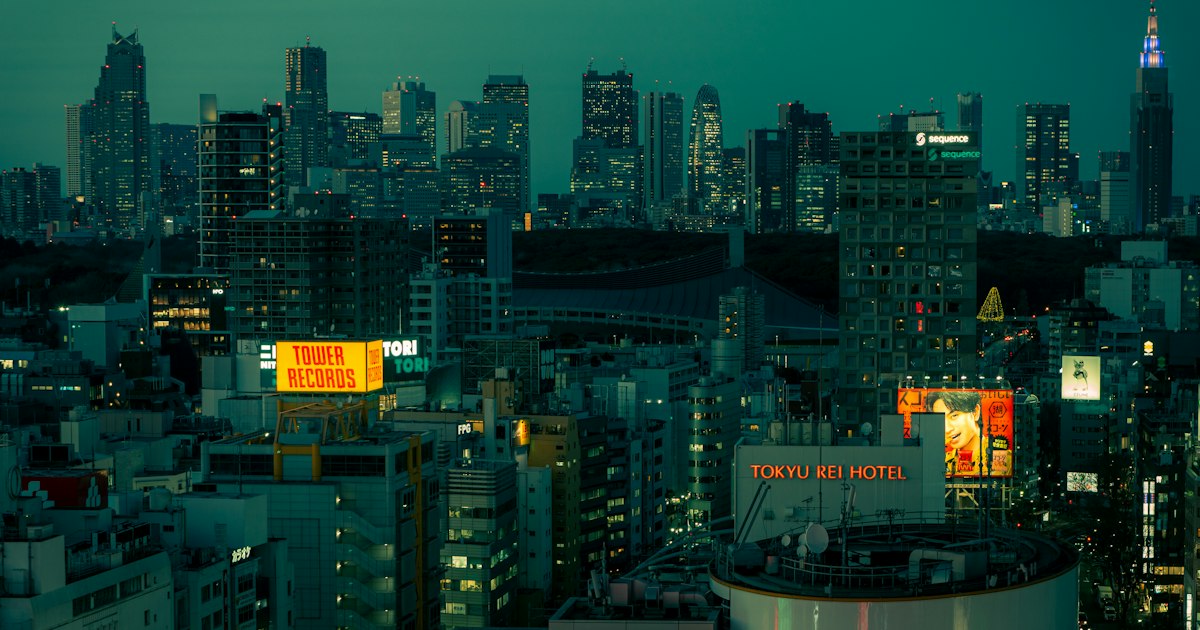
Every summer, long before the cicadas finish their first chorus, Tokyo’s department stores quietly swap their rooftop parking lots and garden terraces for strings of lanterns, long communal tables, and taps running nonstop until closing. These rooftop beer gardens — okujō biya gāden — are one of the city’s most underrated seasonal experiences for visitors, mixing cheap all-you-can-drink beer with skyline views, salarymen unwinding after work, and a genuinely local atmosphere that most tourist itineraries never touch. Here’s how the season actually works, what it costs, and how to avoid the rookie mistakes that trip up first-timers.
What Makes a Department Store Rooftop Beer Garden Different
Unlike a standalone izakaya or a craft beer bar, a department store rooftop beer garden is a temporary seasonal operation — usually run by the store itself or an outside catering company — set up on a roof that spends the rest of the year as a parking deck, a small shrine garden, or an events space. Tables are long and shared, service is often buffet-style or ticket-based, and the whole point is volume: cheap draft beer, simple grilled food, and a fixed time limit per table (typically 90–120 minutes). It’s less about the food quality and more about the ritual — Tokyo office workers have been doing this since the 1950s, and the format has barely changed.
Because it’s outdoors and seasonal, the experience is also weather-dependent in a way restaurant dining isn’t. Many venues close automatically in heavy rain, and summer humidity means you’ll want to plan around both.
When the Season Runs — and the Best Nights to Go
Most department store rooftop beer gardens open in late May or early June and run through late September, occasionally stretching into early October if the weather stays warm. Peak season is July and August, which is also when humidity and heat are at their worst — evenings after 18:00, once the sun is lower, are far more bearable than the rooftop at 2pm. Typical operating hours run from around 17:00 to 22:00 on weekdays, with last orders around 21:00–21:30; some open earlier (15:00 or 16:00) on weekends.
Weeknights, especially Tuesday through Thursday, are quieter and easier to walk into without a reservation. Fridays and the nights before public holidays fill up fast with after-work groups, and tables often need to be booked days in advance. If you want the lively, shoulder-to-shoulder izakaya energy, go on a Friday; if you want an actual seat and a view, go on a Tuesday.
Where to Find Them: Tokyo’s Classic Rooftop Venues
Rooftop beer gardens pop up at department stores across the city each summer, though the exact lineup and operator can change year to year, so it’s worth checking the store’s website in early summer for that season’s dates. Reliable places to start looking:
- Matsuya Ginza — a long-running rooftop garden in the heart of Ginza, easy to combine with an evening stroll through the district.
- Takashimaya Times Square (Shinjuku) — one of the bigger rooftop setups, with skyline views toward west Shinjuku.
- Seibu and Tobu department stores in Ikebukuro — both have hosted seasonal rooftop beer gardens for years, usually with cheaper set plans than the Ginza/Shinjuku options.
- Keio Department Store (Shinjuku) — smaller and more local, good for a quieter night.
None of these require advance planning weeks out the way a restaurant reservation might — most just need a same-week phone call or walk-in during off-peak hours.
How Much It Costs: Budget, Mid-Range, Splurge
Pricing almost always follows a nomihodai (all-you-can-drink) or tabenomihodai (all-you-can-eat-and-drink) model with a time limit, rather than à la carte ordering:
- Budget (~¥2,500–3,500): Soft-drink-only or “light” plans for non-drinkers, students, or anyone who just wants the view and a snack. Some venues offer a cheaper weekday lunch or early-evening rate.
- Mid-range (~¥4,000–5,500): The standard 100–120 minute all-you-can-drink-and-eat plan, including draft beer (usually Asahi, Kirin, Sapporo, or Yebisu depending on the venue’s sponsor), highballs, a few cocktails, and a buffet or set menu of yakitori, karaage, edamame, and grilled vegetables.
- Splurge (~¥6,000–8,000): Premium plans with better cuts of grilled meat, seafood, or a wider cocktail and shochu selection, sometimes with a slightly longer time limit or a better table location.
Expect a mandatory per-person charge (not really optional, since it’s how the seating works) and occasionally a small service charge on top. Credit cards are increasingly accepted, but it’s still worth carrying cash as a backup.
How to Book a Table (or Just Walk In)
Reservations are usually handled by phone directly with the department store, or through Japanese booking platforms like Hot Pepper Gourmet or Tabelog, which list that year’s rooftop beer gardens once the season starts. English-language online booking is rare, so if you don’t speak Japanese, the easiest approach is to walk in on a weeknight before 18:30 — tables are released on a first-come basis outside of peak Friday/Saturday slots, and staff will usually seat solo travelers or couples without a reservation. Groups of four or more should try to book ahead, especially for weekend dates.
If it’s raining, call ahead — most rooftop venues cancel or move indoors in bad weather, and you don’t want to show up to a locked rooftop. Carrying a compact umbrella (or borrowing one through Japan’s iKasa umbrella-sharing app) is smart insurance for a Tokyo summer evening regardless of your plans.
Common Mistakes First-Timers Make
The most common misstep is assuming it’s a regular restaurant — showing up at 21:45 expecting a full meal, when the kitchen has already stopped taking new all-you-can-eat orders. Arrive within the first 30 minutes of your time slot to get full value from the plan. Another mistake is underestimating the heat: these are open-air rooftops in July and August humidity, and the novelty of a skyline view wears off fast if you’re not hydrated. Pace the beer with water, and consider picking up an electrolyte drink beforehand — the guide to Pocari Sweat, Aquarius, and OS-1 explains which ion drink actually helps after a hot, beer-heavy evening.
Finally, don’t expect fine dining — the food is simple, mass-produced buffet fare, and that’s the point. If you want a genuinely memorable Tokyo meal, save that ambition for another night.
Getting There and Rounding Out the Night
All of the department stores above sit directly above or beside major train stations — Ginza, Shinjuku, and Ikebukuro — so there’s no need for a taxi; just follow signage to the store’s rooftop or “yane/okujō” floor, usually reached by a dedicated elevator near the top-floor restaurant area. Most rooftop beer gardens shut by 22:00, which leaves time afterward for a second stop. If the group wants to keep the night going without finding another bar from scratch, a casual electronic dart bar nearby is an easy, low-key way to extend the evening with locals rather than just heading straight back to the hotel.
Rooftop beer gardens are one of those experiences that barely show up in English-language travel guides, precisely because they’re built for a Tuesday-night crowd of regulars, not tourists. That’s exactly why they’re worth seeking out — cheap, unpretentious, and about as close as you’ll get to drinking a beer the way Tokyo actually does in August.