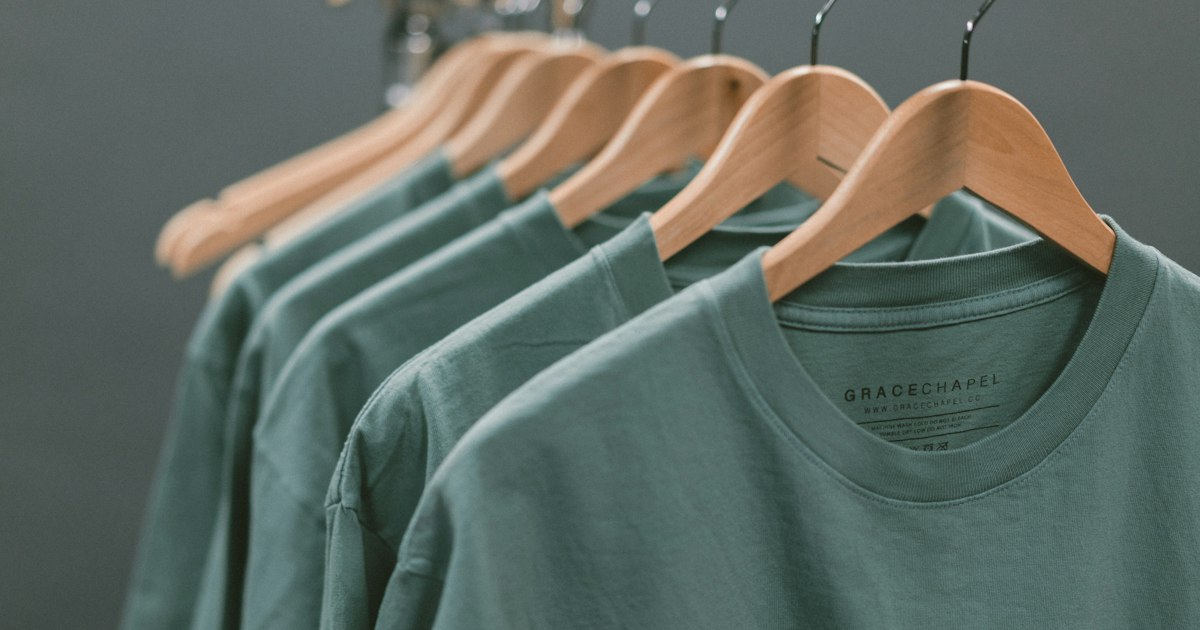
Photo by Keagan Henman on Unsplash
If you’ve ever wondered why so many people in Japan look impossibly comfortable in near-freezing weather while wearing what appears to be a normal sweater, the answer is almost certainly a thin layer of Uniqlo HeatTech underneath. It’s one of the most useful (and cheapest) things a visitor can buy during a Japan trip, but the lineup has grown confusing — there are now at least four weight tiers and a half-dozen sub-lines, and most tourists grab the wrong one or wear it wrong entirely. Here’s how the system actually works.
What HeatTech Actually Is
HeatTech is Uniqlo’s brand name for a family of synthetic fabrics (mostly rayon, polyester, acrylic, and spandex blends) engineered to convert body moisture into heat and trap it close to the skin. It isn’t insulation in the way a down jacket is — it doesn’t block cold air from outside. Instead, it works as a base layer: a thin, close-fitting garment worn directly against skin that generates and holds warmth while wicking away sweat so you don’t get clammy. This is the key thing tourists misunderstand — HeatTech is designed to be invisible under your regular clothes, not worn as a standalone top or in place of a real jacket.
The line includes long-sleeve tops, leggings/tights, socks, gloves, neck warmers, and even pajamas. The tops and leggings are what most visitors want.
The Weight Tiers, and Which One to Buy
Uniqlo sells HeatTech in several warmth levels, and picking the right one matters more than people expect:
- HeatTech (regular) — the standard version, around ¥990–¥1,290 for a long-sleeve crew top. Good for Tokyo, Osaka, Kyoto, and Fukuoka winters (roughly 0–10°C daytime).
- HeatTech Extra Warm — thicker, slightly fleece-brushed inside, around ¥1,500. This is what you want for Sapporo, Nagano, Niseko, or any trip involving snow country.
- HeatTech Ultra Warm — the heaviest tier, close to a thin sweater on its own, around ¥1,990. Best for standing outside for long periods in deep cold — ski resorts, early-morning shrine visits in the mountains, that sort of thing. If you’re buying gear for a ski trip, pair this with the advice in our guide to used ski and snowboard sets in Niseko and Hakuba, since a good base layer matters as much as the board.
- HeatTech Cotton — a lighter, more breathable, natural-feeling version for people sensitive to synthetic fabric against skin, around ¥1,290.
Leggings run roughly ¥990–¥1,500 depending on weight, and the extra-warm tights are genuinely one of the best cold-weather purchases you can make for sightseeing days that involve a lot of standing around outdoors — Fuji five-lake viewpoints, Nikko’s shrine complex, or waiting for a ropeway car at Hakone or Komagatake.
How to Actually Layer It
The most common tourist mistake is buying one HeatTech top and wearing it as the only layer under a coat, then being confused when they’re still cold. HeatTech works as part of a three-layer system:
- Base layer: HeatTech top and leggings, worn snug against skin.
- Mid layer: a sweater, fleece, or the Uniqlo Ultra Light Down jacket (compressible down, usually ¥6,990–¥8,990) for actual insulation.
- Outer layer: a windproof or waterproof shell if you’re dealing with wind, snow, or rain.
HeatTech without a mid or outer layer in genuinely cold weather (below 5°C, especially with wind) won’t be enough — it reduces how many layers you need, it doesn’t replace them. Also: it works by trapping body heat, so it performs worse if you’re standing still for very long periods in extreme cold, which is why the Ultra Warm tier exists for exactly that scenario.
Where to Buy It
Uniqlo stores are everywhere in Japan — pretty much every mid-size shopping mall and major train station has one — so you don’t need to seek out anything special. A few practical notes:
- Flagship stores (Uniqlo Tokyo in Ginza, Uniqlo Osaka in Shinsaibashi) carry the full HeatTech range including sizes up to 4XL/XXXL, which smaller suburban branches sometimes don’t stock in winter when stock runs low.
- Store hours are typically 11:00–21:00 in city locations, though mall-based branches follow the mall’s hours (often 10:00–20:00 or 21:00).
- HeatTech is sold year-round but heavily restocked from late September through November as “fuyu” (winter) collections roll out. By January, the most popular sizes and the Ultra Warm tier can sell out in smaller stores, especially in cold regions.
- Sizing runs true to Japanese/Asian fit, which tends to run slimmer and shorter than US/European sizing — if you’re between sizes, go up one. Try before buying if you can; fitting rooms are standard in all stores.
If you’re short on cash and a store doesn’t take cards (rare for Uniqlo, which accepts major cards and IC cards everywhere), note that convenience store ATMs have per-withdrawal limits worth knowing before a shopping day — see our breakdown of convenience store ATM withdrawal limits if you’re relying on cash.
Best Timing for a Winter Trip
If you’re planning a cold-weather itinerary — day trips to Nikko, the Fuji Five Lakes, or Karuizawa, all of which run noticeably colder than central Tokyo — buy your HeatTech in the city before you head out, since small-town branches near those destinations may have limited stock. The JR Tokyo Wide Pass covers exactly these routes, and all three destinations sit at higher elevation or latitude than Tokyo, meaning HeatTech leggings under your pants are genuinely worth the ¥1,000–¥1,500 for a single day trip. December through February is peak need, but even October and March mornings in these areas can justify a regular-weight top.
Common Mistakes to Avoid
- Buying it too big. HeatTech only works if it’s snug against skin — a loose fit leaves air gaps and the moisture-to-heat effect doesn’t work as well. Size down from your usual loose-fit instinct.
- Washing it wrong. Fabric softener coats the fibers and kills the heat-retention effect over time. Wash on a normal cycle without softener, and it’ll last several winters.
- Treating it as a sweater. It’s a base layer. Wearing it alone as your only layer in true winter cold is the single most common disappointment tourists report.
- Not buying the socks. HeatTech socks (around ¥590–¥790 for a pack) are an underrated purchase for anyone doing a lot of walking in cold weather — cold feet ruin sightseeing days faster than cold hands.
For most visitors, two HeatTech tops, one pair of leggings, and a pack of socks — total spend under ¥5,000 — is enough to meaningfully change how a Japan winter trip feels, especially layered under whatever coat you’ve already packed.