Japan Trove

Author: JapanTrove Editorial

  • Sakai Blades: Osaka’s 600-Year-Old Knife-Making District and Where to Buy

    Sakai Blades: Osaka’s 600-Year-Old Knife-Making District and Where to Buy

    Photo by Dominique Stueben on Unsplash

    Long before “Japanese knives” became a souvenir-shop buzzword, the port city of Sakai, just south of Osaka, was quietly supplying the sharpest blades in the country to tobacco cutters, samurai, and sushi chefs. Sakai-uchihamono (堺打刃物) is one of Japan’s officially designated traditional crafts, and professional cooks across Japan still reach for a Sakai-forged knife before almost anything else. Here’s what the craft actually is, how to tell a good one from a gimmick, and where to buy one whether you have a full day to spend in Sakai or just an afternoon in central Osaka.

    A 600-Year Tradition Forged From Tobacco Knives and Samurai Swords

    Sakai’s metalworking roots stretch back roughly 600 years to the Muromachi period, when swordsmiths and farm-tool blacksmiths settled around the port to take advantage of good-quality sand iron and ready river access. The turning point came in the 1570s, after tobacco arrived in Japan via Portuguese traders: Sakai smiths developed a specialized tobacco-cutting knife so sharp and consistent that the Tokugawa shogunate granted Sakai an official seal of quality in the Edo period, effectively making it the nationally trusted brand for cutlery. That reputation carried over naturally when Japanese cuisine’s demand for precision knives grew in the Meiji era, and today Sakai produces the large majority of Japan’s professional chef knives — the ones you see in sushi counters and ryotei kitchens, not just in gift shops.

    How a Sakai Blade Is Made — and Why It’s Different

    What sets Sakai apart from other knife towns like Seki in Gifu is the division of labor. A single Sakai knife typically passes through at least two, often three, specialized craftspeople: a blacksmith (kajiya) who forges and laminates the steel, a sharpener (togishi) who does the grinding, polishing, and final edge, and sometimes a separate handle-fitter. Each trains for years in only their part of the process, which is why Sakai blades are prized for extremely thin, precise edges — the hallmark of the single-bevel knives (katsuragi) used for sushi and sashimi, where one flat side and one angled side let a chef make a single clean pull-cut through fish.

    What to Know Before You Buy

    A few terms will save you from an expensive mismatch:

    • Carbon steel vs. stainless: Carbon steel (often labeled “shirogami”/white steel or “aogami”/blue steel) takes a far sharper, longer-lasting edge but needs drying after every use and occasional light oiling to avoid rust. Stainless is nearly maintenance-free but won’t get quite as razor-sharp. Most visitors who won’t fuss over a knife at home should choose stainless or a stainless-clad hybrid.
    • Single-bevel vs. double-bevel: Traditional deba (fish-boning) and yanagiba (sashimi slicer) knives are single-bevel and made for right-handed use by default — left-handed versions exist but usually need to be special-ordered. A double-bevel gyuto (chef’s knife) works for anyone and is the easiest first purchase.
    • Handle style: The classic wa-bocho handle is a light, octagonal wooden grip (often magnolia wood with a buffalo-horn collar); Western-style handles are heavier and bolted on. Wooden handles are replaceable and cheaper to re-fit if they ever crack.

    Where to Buy: Sakai City vs. Osaka’s Doguyasuji Street

    You have two realistic options depending on how much time you have.

    In Sakai itself: Take the Nankai Main Line from Namba Station to Sakai Station (about 16–20 minutes by rapid service), or the Nankai Koya Line to Sakaihigashi Station if you want to combine the trip with the Mozu-Furuichi kofun burial mounds nearby. The Sakai Traditional Crafts Museum (Sakai Denshokan), near Daisen Park, has knife and other craft displays and sometimes live sharpening demonstrations; it’s typically open around 9:00–16:30 and closed Mondays, though it’s worth confirming hours before you go since community museums revise schedules. Long-established retailers such as Sakai Ichimonji Mitsuhide, Sumikama, and Jikko sell direct from workshops in the surrounding streets, and buying here means you’re closest to the source — but note that many small workshops only operate on weekdays, so a Sunday visit may mean shuttered shutters rather than working smiths.

    In central Osaka: Sennichimae Doguyasuji, a roughly 150-meter covered shopping street a short walk from Namba and Nippombashi stations, is Osaka’s dedicated kitchenware street and carries genuine Sakai-made knives from several of the same retailers (including an Ichimonji Mitsuhide branch), alongside pots, molds, and restaurant supplies. For most travelers without a free day to spare, this is the easier and nearly equivalent option. Department stores like Takashimaya and Daimaru in Osaka also stock curated Sakai lines if you’d rather pay a bit more for air-conditioned convenience and English-speaking staff.

    If you’re building out a broader shopping list of Japanese-made housewares while you’re at it, pieces like Suwada nail clippers come from a similar single-purpose artisan-town model, and Banko-yaki teapots or Hagi ware pottery make good companion souvenirs to a knife purchase.

    Budget, Mid-Range, and Splurge: What to Expect to Pay

    • Budget (¥8,000–15,000): An entry-level stainless gyuto or petty knife in the 120–180mm range, machine-assisted but still Sakai-finished. A solid, low-maintenance souvenir that will outperform most supermarket knives at home.
    • Mid-range (¥20,000–40,000): Hand-forged carbon steel (white steel #2 or blue steel #2) with a wooden handle — the sweet spot most serious home cooks aim for, offering real edge performance without needing a smith’s level of upkeep discipline.
    • Splurge (¥80,000–200,000+): Honyaki (fully hardened, single-material) blades or Damascus-pattern knives with exotic handle materials, often made to order by a named smith. These are collector pieces as much as tools.

    Most reputable shops also offer name engraving on the blade — sometimes free, sometimes for a small fee — which can take anywhere from 20–30 minutes for a simple job to a few days if the shop sends it out, so ask when you arrive if you want this done before you leave.

    Getting There and Best Timing

    Sakai has no strong cherry-blossom-style season tied to knife shopping — the better variable is day of the week and time of day. Visit on a weekday morning if you want any chance of seeing a workshop actually operating; weekends are fine for retail shopping but many smaths close their forges. Avoid the New Year holiday period (late December–early January) and Golden Week (late April–early May), when smaller family-run shops often close entirely, same as much of small-business Japan.

    Common Mistakes to Avoid

    • Packing a knife in carry-on luggage: Sharp blades must go in checked baggage. Reputable shops will wrap the knife in a wooden saya (sheath) or heavy cardboard and often double-box it for flights — ask for this specifically.
    • Buying a single-bevel knife without checking handedness: If you’re left-handed and want a traditional deba or yanagiba, say so before you buy; a right-handed single-bevel edge will perform poorly for you.
    • Choosing carbon steel for a low-maintenance lifestyle: It’s the sharper option but will rust within hours if left wet. If you’re not going to dry and occasionally oil it, go stainless.
    • Assuming “Sakai” on the box guarantees hand-forged quality: Some mass-produced blades are finished in Sakai but forged elsewhere or by machine. Ask directly whether a piece is “tetsuko” (hand-forged) if authenticity matters to you — honest shop staff will tell you plainly.

    Whether you make the short train trip out to Sakai proper or just duck into Doguyasuji between other Osaka plans, a knife bought here is one of the few souvenirs that gets more useful every time you use it back home.
  • Toshikoshi Soba: Japan’s New Year’s Eve Noodle Tradition

    Toshikoshi Soba: Japan’s New Year’s Eve Noodle Tradition

    Photo by Mario Verduzco on Unsplash

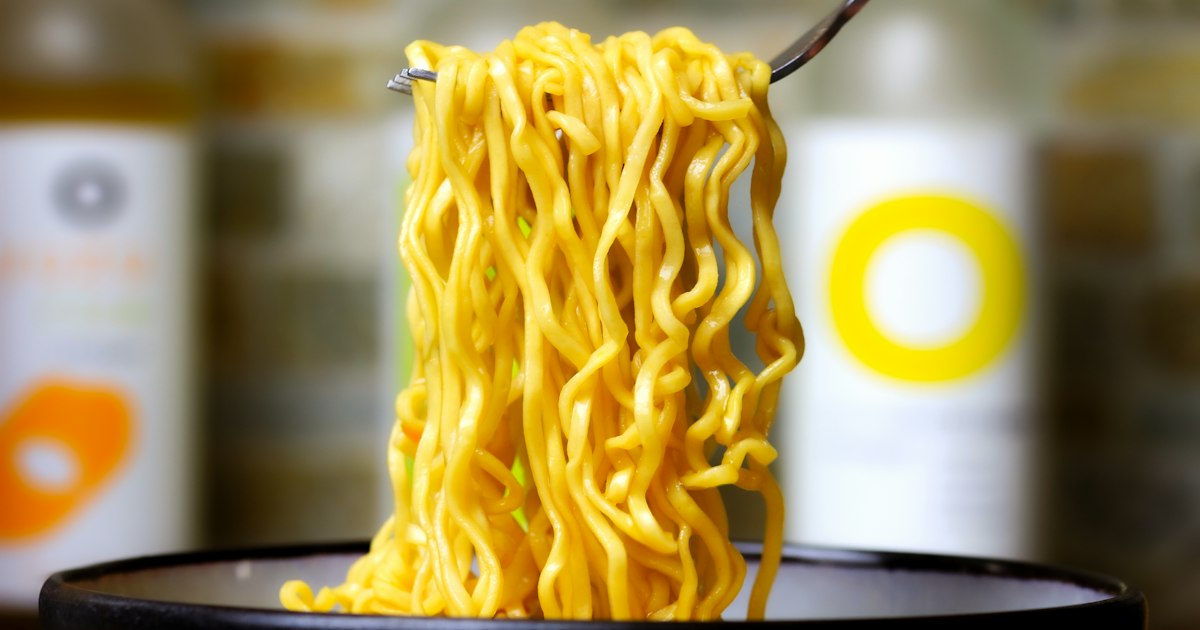
    If you’re in Japan on December 31st, you’ll notice something strange happening around dinnertime: noodle shops fill up, supermarkets sell out of buckwheat noodles by mid-afternoon, and even convenience stores start stocking pre-packaged soba sets days in advance. This is toshikoshi soba — literally “year-crossing noodles” — and it’s one of the few food traditions in Japan that almost everyone, regardless of region or age, still observes. Here’s what it is, why it matters, and how to join in without making the usual tourist mistakes.

    What Is Toshikoshi Soba?

    Toshikoshi soba is a bowl of buckwheat noodles eaten on New Year’s Eve, typically as a late dinner or a light meal right before midnight. The custom dates back to the Edo period (1603–1868), and the symbolism is baked into the noodle itself: soba strands are long and easy to bite through cleanly, which is said to represent “cutting off” the hardships and bad luck of the old year before the new one begins. A secondary, less consistent belief ties the noodle’s length to wishes for a long life — either way, the point is the same: eat it before midnight, not after. Eating soba after the New Year has already turned is considered to undo the symbolism, so this isn’t a dish you casually order on January 1st for the same effect.

    When and Where to Eat It

    The tradition is nationwide, but how it’s served varies by region. In Tokyo and much of eastern Japan, toshikoshi soba is often topped with tempura — usually a shrimp (ebi tempura) — making it a slightly indulgent version of an everyday noodle dish. In Osaka and parts of western Japan, you’ll more often see it served simply with kamaboko (fish cake) and scallions in a lighter dashi broth. In Okinawa, soba isn’t even buckwheat — “Okinawa soba” is a wheat noodle, but locals still eat it on December 31st under the same name and tradition.

    Timing matters more than toppings: most households and restaurants eat toshikoshi soba in the few hours before midnight, often after returning from shopping or cleaning, and before heading out to a shrine for hatsumode (the first shrine visit of the new year). Many standing soba counters near train stations — the fast, cheap chains like Fuji Soba or Yudetaro — stay open later than usual on December 31st specifically to serve this rush, sometimes until 11pm or later, though hours vary by branch and it’s worth checking the specific location since some close early for staff to get home.

    Where to Try It as a Visitor

    You don’t need a reservation or a special restaurant — that’s part of the point of this dish. A few realistic options depending on your budget and comfort level:

    • Budget (¥390–¥700): Standing soba chains like Fuji Soba, Komeda, or station-based “tachi-soba” counters serve a basic bowl of kake soba (noodles in broth, no toppings) for around ¥390–¥500, with tempura versions running ¥600–¥800. These are self-service, fast, and the most authentic way most Tokyo office workers eat the dish on a normal day — on December 31st itself, expect a line.
    • Mid-range (¥900–�v1,800): Sit-down soba restaurants (soba-ya) serve a more refined version with hand-cut noodles, better dashi, and a proper tempura or duck (kamo) topping. Many of these restaurants take pre-orders for toshikoshi soba sets around late December — if you’re staying somewhere with a kitchen or a ryokan, ask the front desk whether a local shop does takeaway orders, as this is extremely common.
    • Splurge (¥3,000+): Some high-end soba restaurants, particularly ones specializing in jyuwari soba (100% buckwheat, hand-made), offer a New Year’s Eve course that pairs the noodles with otoshi (small starters), sake, and seasonal sashimi. These usually require a reservation well in advance of December 31st, as tables fill up weeks ahead.

    If you’d rather eat somewhere low-key with a local feel afterward, a neighborhood like Sangenjaya has the kind of small, unpretentious noodle and izakaya spots where this tradition plays out every year without any tourist markup.

    The Convenience Store and Supermarket Route

    Not everyone cooks or eats out on December 31st — many people grab a pre-packaged soba set from a supermarket or convenience store and eat it at home while watching Kohaku Uta Gassen (the famous year-end music broadcast on NHK). Supermarkets sell fresh or dried soba noodle kits with broth packets from around ¥300–¥600 per set, and these sections get picked over fast, so shop by December 30th if you want a decent selection. Convenience stores like 7-Eleven, Lawson, and FamilyMart also carry simplified chilled soba sets in the days leading up to New Year’s Eve, usually for ¥500–¥800, though stock is limited and sells out hour by hour on the 31st itself. If you’re already building a conbini routine for your trip, this pairs naturally with grabbing a coffee from the machine — see our guide to using convenience store coffee machines — for a cheap, fast, very Japanese New Year’s Eve at your hotel.

    Common Mistakes Visitors Make

    • Eating it on January 1st thinking it’s the “New Year noodle.” Toshikoshi soba is specifically a December 31st, pre-midnight dish. On January 1st, the relevant food tradition is osechi ryori (New Year’s boxed dishes) and ozoni soup, not soba.
    • Assuming every restaurant will be open. Many independent restaurants close early on December 31st, and some shut entirely from January 1st to 3rd for New Year’s holiday. Chains and station-based soba counters are the safer bet if you’re arriving late.
    • Confusing it with ramen. Toshikoshi soba is always buckwheat (or wheat, in Okinawa’s case) noodles in a clear dashi-based broth — not the richer, often pork-based broth of ramen. If a shop’s picture menu shows tonkotsu or miso ramen, that’s a different dish entirely.
    • Not finishing the noodles before midnight. If you’re eating at a restaurant that’s timing service around the countdown, don’t dawdle — the symbolic cutoff is literally the clock striking twelve.

    A Regional Side Trip: Soba and Sake Country

    If toshikoshi soba piques your interest in Japanese noodle culture more broadly, pairing it with a sake-focused trip is a natural extension — soba and sake have a long shared history in regions known for both buckwheat farming and rice cultivation. Niigata, for instance, is better known for sake but also has a strong soba-growing tradition in its mountain areas, and visiting in the snowy season gives you a feel for the cold-weather context that makes a hot bowl of noodles so appealing on December 31st in the first place.

    The Bottom Line

    Toshikoshi soba is cheap, easy to find, and one of the most approachable seasonal traditions you can take part in as a visitor — no reservation, no dress code, no special knowledge required beyond ordering a bowl before midnight. Whether you grab a ¥450 bowl standing up at a station counter or splurge on a hand-made jyuwari soba course, the ritual is the same: eat the noodles, let the old year go, and head out to welcome the new one.

  • Omurice: Japan’s Ketchup Rice Omelette and the Yoshoku Tradition

    Omurice: Japan’s Ketchup Rice Omelette and the Yoshoku Tradition

    Photo by Quang Nguyen Vinh on Unsplash

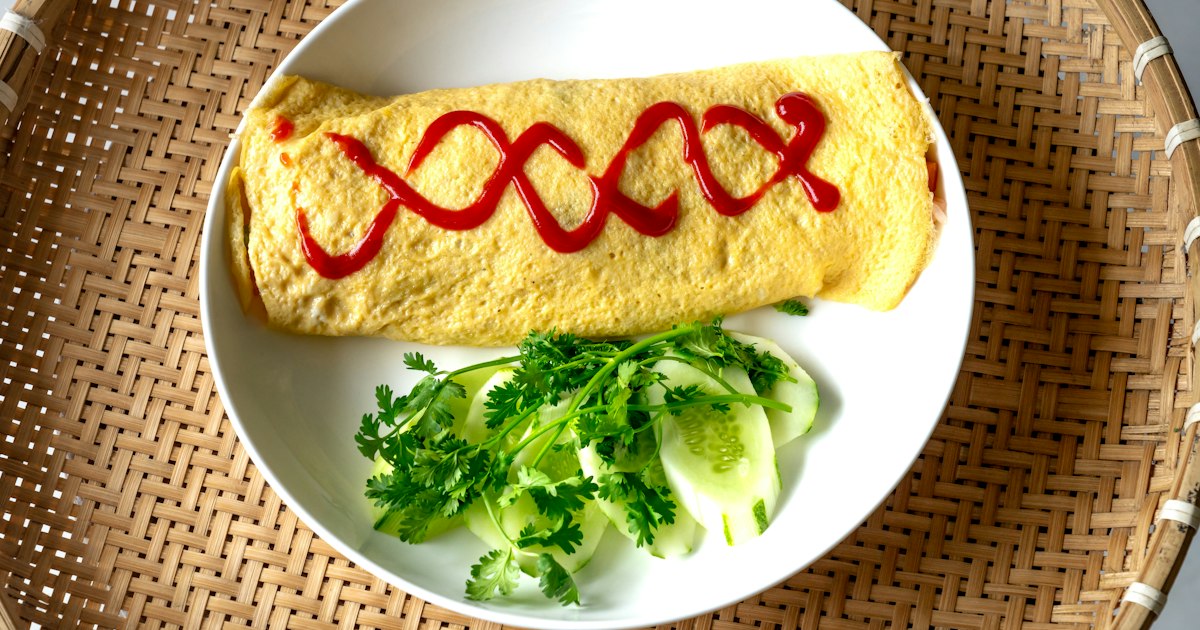
    Omurice is the dish that convinces a lot of first-time visitors that Japanese comfort food isn’t all ramen and sushi. It’s a mound of ketchup-fried rice wrapped in a thin, often jiggly, sheet of egg, usually finished with a squiggle of more ketchup on top. It looks like a kid’s lunch and tastes like one too — in the best way. But it’s also a quietly serious dish, with specialist restaurants in Tokyo and Osaka that have been perfecting the egg-to-rice ratio for over a century. Here’s how to find the good versions, what they cost, and how to order without embarrassing yourself.

    What omurice actually is, and where it came from

    Omurice (オムライス, a portmanteau of “omelette” and “rice”) belongs to a category of Japanese food called yoshoku — Western-style dishes that Japanese cooks adapted and made entirely their own starting in the Meiji era (1868–1912), when Japan opened up to foreign influence and home-grown versions of European food became fashionable in Tokyo’s new Western-style restaurants. Tonkatsu, curry rice, and gyudon’s cousin hayashi rice all come from the same movement — Western ingredients and techniques, filtered through Japanese kitchens until they became something new. If you’ve already read our guide to tonkatsu, omurice is its tablemate: both are yoshoku staples you’ll find on the same old-school menus.

    Two Tokyo restaurants claim to have invented it, and both are still open and worth the detour. Taimeiken in Nihonbashi (founded 1931) serves the original “Omurice Taimeiken,” where a thin egg sheet is draped over ketchup rice — around ¥2,600 for the signature version with demi-glace sauce. Renga-tei in Ginza, open since 1895, claims an earlier version from the 1900s and serves a more rustic, home-style take for roughly ¥1,600–¥1,900. Both are sit-down, cash-friendly, lunch-counter-style places rather than tourist spectacles, so go hungry and expect a short wait at peak lunch hours (12:00–13:00).

    The two main styles you’ll encounter

    There isn’t just one omurice — regional and generational variations matter:

    • Classic wrapped style: A thin, firm omelette is laid over the rice and tucked under at the edges like a parcel, then topped with ketchup, demi-glace, or a white cream sauce. This is what Taimeiken and most old-school yoshoku-ya serve.
    • Torori (molten) style: Popularized by chef Kichisei Kimura and widely imitated since the 1980s–90s, the egg is cooked soft and barely set, then sliced open at the table so it flows over the rice like a sauce. This is the Instagram-famous version and the one most specialty omurice restaurants in Osaka and Tokyo now compete over.
    • Omu-soba, dry-curry, and demi-glace variants: Some shops swap the ketchup rice for curry rice or yakisoba underneath — worth trying once you’ve had the standard version.

    Where to eat it: budget to splurge

    Budget (¥500–900): Family restaurants are the easiest entry point — Saizeriya, Jonathan’s, and Denny’s Japan all have omurice on the menu, and it’s a reliable, no-surprises version. Some convenience stores and department store basement food halls (depachika) sell cold or reheat-at-home omurice bento for ¥500–700, handy if you’re assembling a picnic lunch alongside a tamago sando and a can of ramune.

    Mid-range (¥1,000–1,800): This is where the dedicated omurice specialists live. Kichikichi in Kyoto (near Nishiki Market) is famous for its theatrical torori-style service, where the chef flips the omelette with exaggerated flair before slicing it open tableside — book ahead, as it’s a small counter and routinely sells out; dishes run roughly ¥1,500–2,500. Hokkyokusei in Osaka’s Shinsaibashi, another claimed birthplace of the dish (dating to 1922), serves it for around ¥1,300–1,900 and is open late, useful if you’re already out in the izakaya part of an evening and want something to soak it up, albeit in a different city.

    Splurge (¥2,500+): A few hotel grill restaurants and old-guard Western-style dining rooms serve omurice with wagyu demi-glace or topped with foie gras as a nostalgic nod to yoshoku’s upscale origins — worth it once if you want to see how far the concept stretches, but not necessary to enjoy the dish properly.

    How to order it without fumbling

    Most places that specialize in omurice use ticket machines or simple laminated menus with photos, so pointing works fine. Useful phrases: “ketchup omurice” gets you the standard version; if a menu offers a choice of sauce, “demi-glace” (デミグラス) is richer and slightly savory, while plain ketchup is sweeter and more acidic — a good split if you’re dining with someone who wants something different. At torori-style counters, don’t cut into the egg yourself if the chef is clearly about to do it tableside; that’s part of the show, and it’s bad form to beat them to it.

    Common mistakes

    • Expecting fried rice. The rice inside is usually simple ketchup-fried rice with chicken or onion, not the soy-sauce-based fried rice you’d get at a Chinese restaurant in Japan — don’t go in expecting char siu or mixed vegetables.
    • Skipping the egg-to-rice ratio question. At specialist shops, egg quality and doneness are the entire point — ordering the cheapest set menu sometimes gets you a thicker, firmer egg rather than the torori version, so check photos or ask if you specifically want the molten style.
    • Showing up at peak lunch without a reservation. The famous counters (Kichikichi especially) are tiny — single-digit seats in some cases — and fill up fast with both tourists and locals. Reserve by phone or through the restaurant’s booking page where available, or go right at opening.
    • Assuming it’s kid food and skipping it. It’s unpretentious, but a well-made omurice — with properly seasoned, slightly caramelized ketchup rice and a silky egg — is a genuine test of a cook’s basics, which is exactly why Japanese chefs take it seriously.

    Best time to go

    Omurice isn’t seasonal, so any time of year works, but lunch service (11:30–14:00) at the specialist counters tends to be calmer on weekdays than weekends. If you’re building a food-focused day, pair an early lunch at one of the Kyoto or Osaka spots with a market crawl — Nishiki Market is a five-minute walk from Kichikichi — and save richer regional specialties like Osaka’s okonomiyaki or Kyoto’s kaiseki for dinner.

    Bringing the idea home

    Omurice is easy enough to recreate without special equipment: ketchup, day-old rice, chicken, onion, and eggs get you most of the way there. If you want souvenirs that nod to the yoshoku tradition rather than the dish itself, Japanese kitchenware shops sell the thin, flat-bottomed frying pans (tamagoyaki pans work fine) used for the omelette sheet, and a good bottle of Japanese-style ketchup — slightly sweeter and less vinegary than the Western kind — travels well in checked luggage if it’s sealed. It’s a small, low-effort souvenir that actually gets used, unlike most of what ends up in a suitcase.

  • Tonkatsu: Japan’s Breaded Pork Cutlet and How to Order It

    Tonkatsu: Japan’s Breaded Pork Cutlet and How to Order It

    Photo by Snappr on Unsplash

    Tonkatsu is one of those dishes that looks simple — a slab of breaded, deep-fried pork — but gets surprisingly deep once you start ordering it. Which cut, how rare, what sauce, and should you really eat the cabbage first? This guide covers what tonkatsu actually is, how to order it without hesitating, and where to eat it on any budget, from a ¥900 convenience-lunch set to an ¥8,000 black-pork splurge.

    What Is Tonkatsu, Exactly?

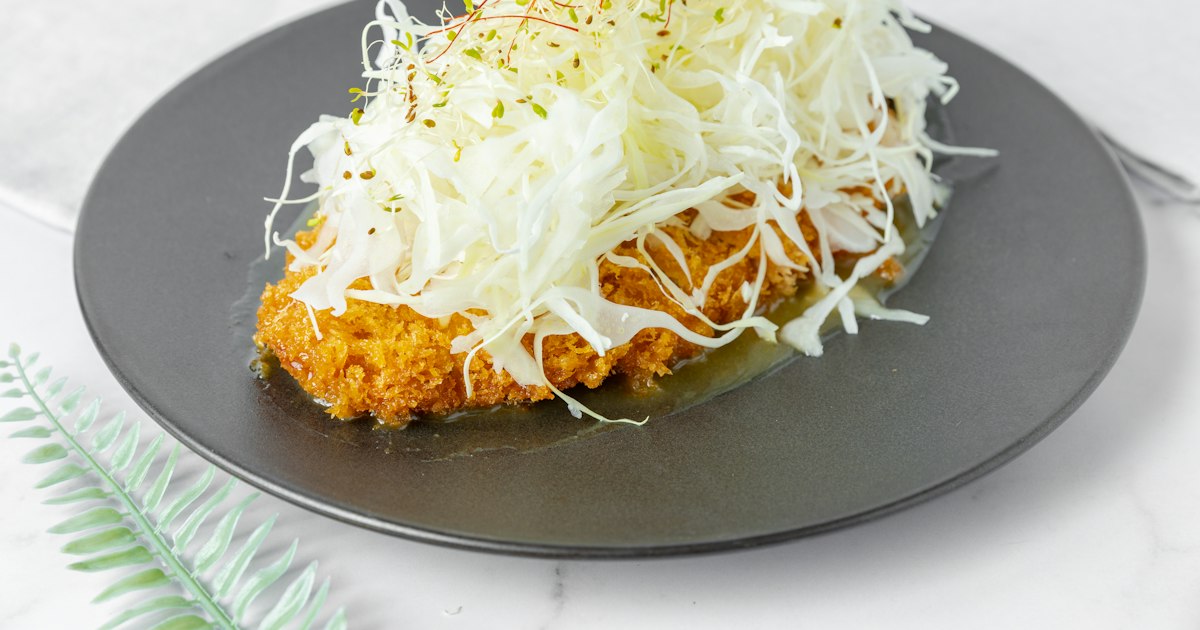
    Tonkatsu (豚カツ) is a thick-cut pork cutlet coated in panko breadcrumbs and deep-fried until the crust is crisp and golden but the meat inside stays juicy. It dates back to the late 1800s, part of the wave of Western-style dishes (yōshoku) that Japanese cooks adapted after the Meiji Restoration opened the country to foreign food culture. Unlike a thin Austrian schnitzel, tonkatsu is cut thick — often 1.5 to 2.5 cm — so the first bite matters: a good one has a crackling exterior and a pink-tinged, tender center, not a dry, grey slab.

    It’s almost always served as a teishoku (set meal): the cutlet sliced into strips, a mountain of finely shredded raw cabbage, rice, miso soup, and pickles. The cabbage isn’t a garnish — it’s there to cut the richness of the fried pork, and most shops offer free refills.

    Rosu vs. Hire: Choosing Your Cut

    Every tonkatsu menu asks you to pick a cut, and this is the first decision that trips up first-timers:

    • Rosu (ロース) — the loin, with a thin ring of fat along one edge. More flavorful and juicier; the standard choice and usually a little cheaper than hire.
    • Hire (ヒレ) — the fillet/tenderloin. Leaner, softer, and milder in flavor. Often the pricier option and a good pick if you want something lighter.
    • Kurobuta (黒豚) — “black pork,” a premium breed (most famously from Kagoshima) with sweeter fat and finer texture, usually marked as an upgrade on either cut.

    If you can’t decide, many shops sell a rosu-hire moriawase (mixed plate) so you can compare both in one meal.

    How to Order Tonkatsu Like a Local

    At a sit-down tonkatsu restaurant, the flow is usually: pick your cut and size (many places offer 100g, 150g, 200g portions, priced per gram above the base set), choose rice portion and whether you want miso soup upgraded to pork soup (tonjiru) for a small supplement, then wait — it’s fried fresh, so expect 10–15 minutes even when the restaurant looks empty.

    On the table you’ll usually find two sauces: a thick, tangy-sweet tonkatsu sauce (similar to a fruitier Worcestershire) and karashi, a sharp Japanese mustard. Some higher-end shops also give you a small grinding bowl with sesame seeds and ask you to make your own sauce by mixing ground sesame with the tonkatsu sauce — don’t skip this step if it’s offered, it’s part of the experience, not an optional extra.

    Many shops also serve tonkatsu curry (katsu curry) and katsudon (cutlet over rice with egg), which are different dishes built from the same fried cutlet — worth knowing so you order the plain version if that’s what you want. If you enjoy comparing how different chains execute one core dish, it’s a similar exercise to sizing up Japan’s gyudon chains — the format is standardized, but each chain has its own signature.

    Where to Eat Tonkatsu: Budget to Splurge

    Budget (¥900–1,500): Chain restaurants like Saboten and Katsuya serve solid rosu-katsu teishoku sets starting around ¥990–1,290, with free cabbage refills and fast service — reliable if you’re near a train station and want something quick between sightseeing stops. Convenience stores and supermarket deli counters also sell pre-fried katsu for ¥300–500, decent in a pinch but not representative of the real thing.

    Mid-range (¥1,800–3,500): Katsukura is a well-regarded mid-tier chain (branches in Kyoto, Tokyo, and elsewhere) where sets run roughly ¥1,800–2,800 and you grind your own sesame sauce. Tonkatsu Maisen’s Aoyama Honten, tucked in a converted old public bathhouse near Omotesando, is one of Tokyo’s most famous tonkatsu addresses — about a 7-minute walk from Omotesando Station (Exit A2), open daily 11:00–21:00 (last order), with hire-katsu sets around ¥2,900–3,900. Expect a short wait at lunch.

    Splurge (¥5,000–8,000+): Shops like Butagumi in Nishi-Azabu specialize in regional heirloom pork breeds (Kagoshima kurobuta, Okinawan agu, and others), letting you compare pork varieties the way a steakhouse offers different cattle breeds. This tier is worth it if you’re genuinely curious about pork quality differences, not just for a bigger portion.

    Best Time to Go and Avoiding Crowds

    Lunch sets (often ¥100–300 cheaper than the dinner menu for the identical cutlet) typically run from opening until around 14:00–15:00, so go right at opening — most tonkatsu shops open around 11:00 — to avoid both the crowd and the price bump. Popular spots like Maisen regularly have queues by 12:00 on weekends; arriving by 11:15 usually means walking straight in. Dinner service generally resumes around 17:00–17:30. There’s no strong seasonal angle to tonkatsu — it’s a year-round comfort dish — though it’s traditionally considered a bit of a good-luck meal before exams or big events, since “katsu” (勝つ) is a homophone for “to win.”

    Common Mistakes to Avoid

    • Pouring sauce over the whole plate before tasting: try the first piece plain to taste the pork and the panko crust, then sauce the rest.
    • Ignoring the cabbage: it’s not filler — eating it between bites genuinely improves the meal and keeps the fried food from feeling heavy. Ask for “okawari” (refill) if the bowl runs out; it’s usually free.
    • Ordering the biggest size by default: 200g cutlets are substantial. Unless you’re very hungry, the standard size is plenty, especially paired with rice and soup.
    • Assuming all tonkatsu is the same: skipping the rosu/hire choice and just pointing at the menu photo means you might end up with a leaner cut than you wanted. It’s a two-second question worth asking.
    • Showing up right at peak lunch (12:00–13:00): at popular shops this means a 20–30 minute wait; shifting by even 30 minutes either side solves it.

    Tonkatsu rewards a little attention to detail — the cut, the timing, the sauce ritual — but it’s forgiving enough that even the cheapest chain version is a satisfying meal. Once you know what to ask for, ordering it becomes second nature.

  • Convenience Store Coffee in Japan: How to Use Lawson, 7-Eleven & FamilyMart Machines

    Convenience Store Coffee in Japan: How to Use Lawson, 7-Eleven & FamilyMart Machines

    Photo by PJH on Unsplash

    Skip the ¥600 café latte and the 20-minute wait: Japan’s convenience stores (known as “konbini”) sell genuinely good, freshly brewed coffee for about ¥100–¥250, available 24 hours a day at nearly every corner of the country. The catch is that the machines at Lawson, 7-Eleven, and FamilyMart each work a little differently, and first-time visitors routinely end up with a cup of hot water, no lid, or an overflowing mess because nobody explained the steps. Here’s exactly how each chain’s system works, what to order, and how to avoid the rookie mistakes.

    How Convenience Store Coffee Works in Japan

    All three major chains use the same basic model: you pay for an empty cup first, then fill it yourself at a self-serve espresso/drip machine near the register. This confuses a lot of travelers because the machine itself usually has no payment slot — it only dispenses coffee once it’s “unlocked” by your purchase. Cup sizes are almost always labeled S (short, ~150ml), R or M (regular/medium, ~180–200ml), and L (large, ~260–290ml), with hot and ice versions of most drinks. Prices typically run:

    • Drip coffee: ¥100–¥150 (S/R), ¥150–¥200 (L)
    • Café latte or cappuccino: ¥150–¥250 depending on size
    • Seasonal specialty drinks (hojicha latte, caramel, frappé-style): ¥250–¥400

    Convenience stores are open 24/7 nationwide, so there’s no “opening hours” issue — the only timing consideration is that the coffee machines are cleaned and restocked a few times a day (often early morning and around closing of the lunch rush), so you may see a brief “cleaning in progress” sign around 11am or late evening in busy urban stores.

    Lawson’s Machi Café: What to Expect

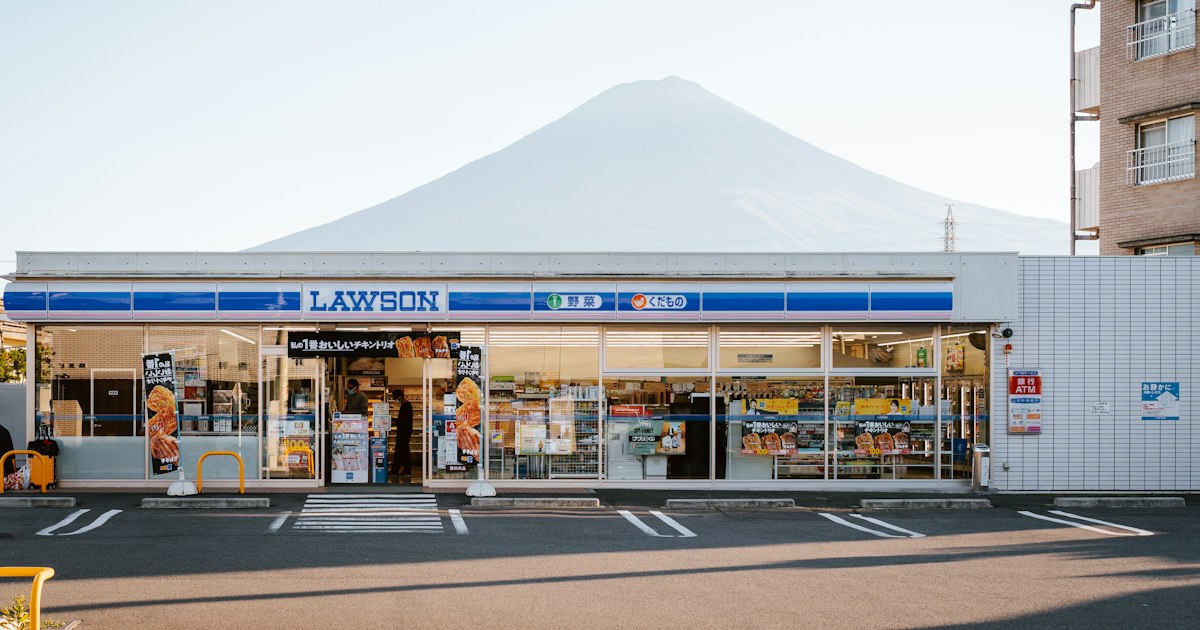
    Lawson’s “Machi Café” counter is usually built right into the checkout area, with a touchscreen machine sitting beside the register. Tell the cashier what you want (or scan the item yourself at a self-checkout till), pay, and you’ll get an empty cup with a lid sticker. Walk to the machine, place the cup under the nozzle, and press the button matching your drink and size on the touchscreen — the machine brews on demand, so expect a 20–40 second wait for espresso drinks. Machi Café is well known among Japanese commuters for its matcha latte and seasonal roasted hojicha latte, which are worth trying if you’re not just after a plain black coffee. If you’re already stopping at Lawson for your coffee, it’s also the chain that runs ichiban kuji anime lottery draws, so it’s worth glancing at the counter display while you wait for your cup.

    7-Eleven’s SEVEN CAFÉ: What to Expect

    SEVEN CAFÉ is arguably the most famous of the three and consistently rated highest for taste by Japanese consumer surveys. The process: grab an empty cup and lid from the stand next to the machine (sizes are stacked separately — don’t grab the wrong one), take it to the register to pay, then bring the paid cup back to the machine and press the corresponding size/hot-or-ice button. The machine grinds beans fresh for each cup, which is why the regular drip coffee tastes noticeably better than typical gas-station coffee back home despite the low price. 7-Eleven also tends to rotate in café-style drinks like caffè latte and seasonal frappés in summer. A coffee here pairs extremely well with their tamago sando egg sandwich, which is sold at the same registers and makes for one of the best cheap breakfasts in the country.

    FamilyMart’s Famima Café: What to Expect

    FamilyMart’s Famima Café follows the same cup-then-machine logic, though in many renovated stores the machine itself has a card/IC reader (Suica, Pasmo, or credit card) so you can skip the register line entirely and pay directly at the machine — look for a tap-to-pay symbol on the screen before queuing at the till. Famima Café is a reliable choice if you’re craving something heartier alongside your coffee: FamilyMart is one of the best chains for kare pan (curry bread), which holds up surprisingly well as a coffee-and-pastry combo.

    Common Mistakes First-Timers Make

    • Taking the cup before paying. At 7-Eleven especially, cashiers expect you to bring an unpaid empty cup to the register — don’t fill it first and don’t walk off with it unpaid.
    • Grabbing the wrong cup size. S, R, and L cups are often stacked in separate but similar-looking columns; double-check before you pay, since the machine will only accept the size you were charged for.
    • Forgetting the lid. Lids are usually in a separate dispenser near the cup stand, not attached to the cup — look for a tray of plastic lids sorted by size.
    • Pressing “ice” for a hot drink or vice versa. The buttons are usually labeled only in Japanese kanji (温かい/hot, アイス/ice) with small English sometimes underneath — look for a sun or snowflake icon if you’re unsure.
    • Standing too long at a busy machine during rush hour. Office workers queue fast around 8–9am and after lunch (12–1pm); if you’re not in a hurry, mid-morning or mid-afternoon is a calmer window to figure out the buttons without feeling rushed.

    Budget, Mid-Range, and Splurge Picks

    Budget (¥100–¥150): plain drip coffee, hot or iced, at any of the three chains — genuinely good enough to drink every day of a trip.

    Mid-range (¥180–¥250): café latte, cappuccino, or Lawson’s matcha/hojicha latte — closer to café quality, still faster and cheaper than a sit-down coffee shop.

    Splurge (¥300–¥400): seasonal frappé-style or specialty drinks that appear a few times a year (think chestnut latte in autumn, frozen caramel in summer) — these rotate quickly, so if you see one that looks interesting, try it before it disappears from the menu.

    Best Times to Go and How to Pair It

    Because konbini are everywhere — there are roughly 56,000 convenience stores in Japan — they’re an easy substitute for hotel breakfast, especially if you’re staying at a business hotel chain like Toyoko Inn or APA that charges extra for a buffet. Early morning (6–8am) is the quietest time to use the machines before the commuter rush, and most stores restock pastries and sandwiches right around then, so the food selection is freshest. If you want a slightly more indulgent pairing, grab an anpan red bean bun alongside your coffee — the mild sweetness balances the roasted bitterness of konbini drip coffee far better than you’d expect.

  • Tamago Sando: Why Japan’s Convenience Store Egg Sandwich Is Worth the Hype

    Tamago Sando: Why Japan’s Convenience Store Egg Sandwich Is Worth the Hype

    Photo by Yosuke Ota on Unsplash

    Ask any Japan-obsessed foodie what to eat on day one, and “the Lawson egg sandwich” comes up more often than ramen. Tamago sando — a pillowy egg salad sandwich pressed between crustless milk bread — has become one of the most talked-about convenience store foods in the country, and for once, the hype is backed by actual texture and flavor, not just social media. Here’s what it is, where to find the best versions, and how to avoid the rookie mistakes that lead tourists to a sad, soggy sandwich.

    What Makes Tamago Sando Different from a Western Egg Sandwich

    The defining feature isn’t the egg — it’s the bread. Japanese tamago sando is built on shokupan, the country’s famously soft, slightly sweet milk bread, sliced thick and with the crusts trimmed off. If you want to understand why that bread matters so much, it’s worth reading our guide to Shokupan: Japan’s Fluffy Milk Bread and the Bakeries Worth a Detour — the same bakeries that perfected shokupan are often the ones making the best sando in a given city.

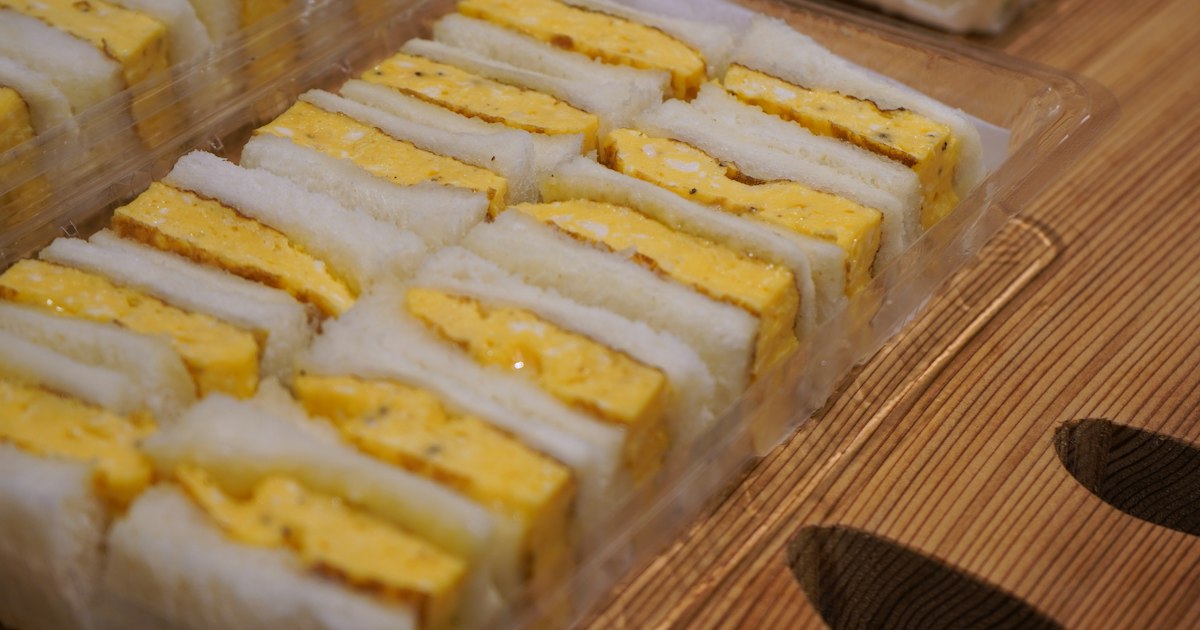
    The filling itself is usually a mix of boiled egg, raw egg mixed in while still warm (to create a custardy, almost soufflé-like texture), and Kewpie mayonnaise — Japan’s tangier, umami-rich mayo made with only egg yolks. Some versions add a thin layer of tamagoyaki (rolled omelet) instead of, or in addition to, the egg salad. Either way, the result is softer, creamier, and less vinegary than a typical American or British egg sandwich.

    The Convenience Store Holy Trinity: Lawson, 7-Eleven, FamilyMart

    You don’t need to seek out a specialty shop to try a good one — that’s the whole point of the obsession. Japan’s three major convenience store chains (konbini) all sell tamago sando in the sandwich section, usually near the onigiri and pre-made pasta.

    • Lawson is generally considered to have started the modern craze with its egg salad sando, prized for an unusually thick, soft egg filling. Price: roughly ¥230–270 depending on the store and any seasonal upgrade (some Lawson locations sell a “premium” double-egg version for closer to ¥320–350).
    • 7-Eleven leans slightly firmer and more classic in texture, often with a visible tamagoyaki layer. Price: around ¥220–260.
    • FamilyMart sits in between the two, with a noticeably sweeter bread. Price: around ¥220–260.

    Conbini are everywhere — there’s rarely more than a few minutes’ walk between one and the next in any city center, and most are open 24 hours. You’ll find them clustered around train stations, which is exactly where you want to grab one anyway: tamago sando is the ideal fuel for a train platform breakfast or a park bench lunch between sightseeing stops.

    Specialty Shops Worth a Detour

    If you want to taste what the conbini chains are chasing, Tokyo has several bakeries built around sandwiches specifically. Center The Bakery, with locations in Shibuya and Daikanyama, is the most famous — their tamago sando (around ¥500–600) uses a much richer, custard-like egg filling and noticeably denser, more buttery bread. Expect a short line, especially on weekend mornings, since portions often sell out by early afternoon.

    These bakery versions are a good benchmark if you’re curious how far the convenience store product is from the “real” artisanal thing — the gap is smaller than you’d expect, which is exactly why Lawson’s version gets so much attention from Japanese food critics, not just tourists.

    Best Time to Buy, and Common Mistakes

    Conbini restock fresh sandwiches multiple times a day, typically mid-morning and again in the early afternoon, so sando bought right after a delivery truck visit will be noticeably fresher than one that’s been sitting since the previous shift. If a store looks freshly stocked (full shelves, straightened displays), that’s usually a good sign.

    The most common visitor mistakes:

    • Buying it cold and eating it cold. Tamago sando is meant to be eaten chilled but soon after purchase — don’t let it sit in a hot bag for hours, since the mayo-based filling doesn’t hold up well in summer heat.
    • Checking the date wrong. Japanese expiration labels show both a date and a time (e.g., “10/24 14:00”) — that’s the cutoff, not just the day.
    • Skipping it in favor of onigiri out of habit. Rice balls get all the tourist attention, but the sandwich fridge is just as worth browsing — this is also where you’ll find kare pan and other conbini bread favorites if you want to sample a few items side by side.
    • Assuming all branches are equal. Even within the same chain, quality can vary slightly by region, since some items are baked by different regional factories — if your first try disappoints, don’t write off the whole category.

    Budget, Mid-Range, and Splurge Options

    This is a rare food category in Japan where “budget” genuinely means “the best-reviewed version.”

    • Budget (¥220–270): Any conbini tamago sando — Lawson is the consensus pick for texture, 7-Eleven for a firmer bite.
    • Mid-range (¥350–450): Department store basement food halls (depachika) and train station bakeries often sell an upgraded version with thicker-cut bread and premium eggs.
    • Splurge (¥500–800): Specialty sandwich bakeries like Center The Bakery, or hotel bakery counters in Tokyo and Osaka, which sometimes add ingredients like truffle salt or wagyu katsu alongside the egg.

    Given how cheap even the splurge tier is compared to most Japanese food experiences, it’s genuinely worth trying all three tiers across a trip rather than picking just one.

    Pairing It Like a Local

    Konbini regulars usually pair tamago sando with a canned coffee or green tea, but it also works well with a cold bottle of ramune if you’re eating it as an afternoon snack rather than breakfast. If you’re building a full conbini or fast-food comparison crawl during your trip, it’s worth reading up on Gyudon Chains Compared: Yoshinoya vs Sukiya vs Matsuya too — between gyudon, tamago sando, and a few onigiri, you can eat extremely well in Japan for under ¥1,500 a day without ever sitting down at a restaurant.

    Tamago sando isn’t going to show up on any “must-see” itinerary alongside temples and shrines, but it’s one of those small, repeatable pleasures that ends up defining a trip — the thing you grab out of habit by day three and specifically miss once you’re home.

  • Shokupan: Japan’s Fluffy Milk Bread and the Bakeries Worth a Detour

    Shokupan: Japan’s Fluffy Milk Bread and the Bakeries Worth a Detour

    Photo by Charles Chen on Unsplash

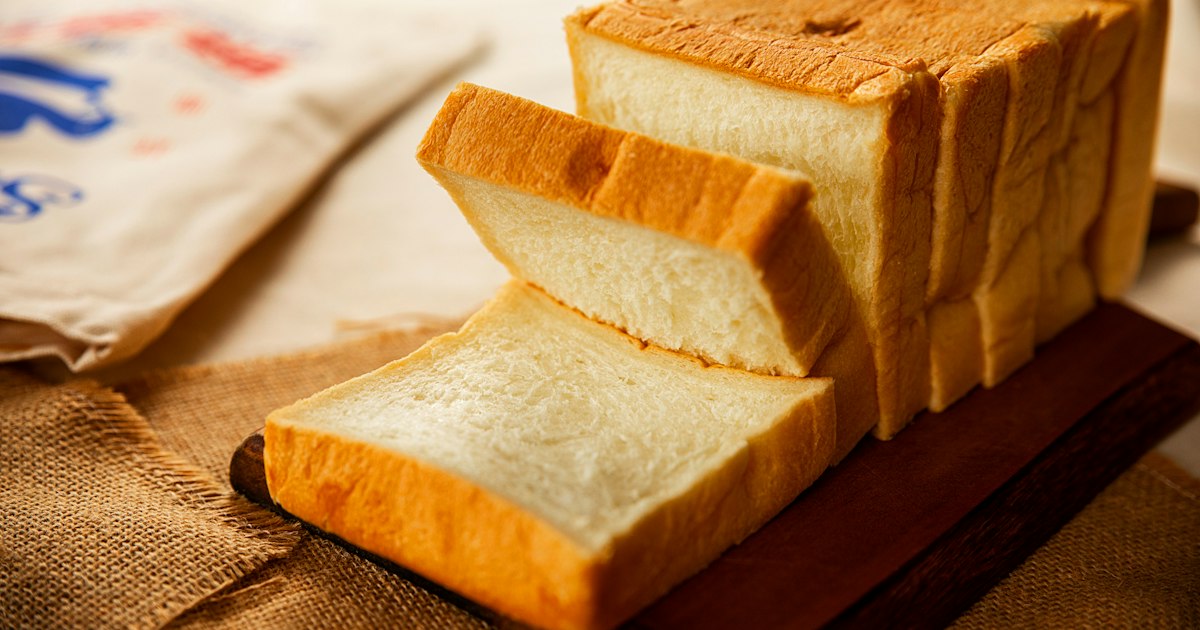
    Shokupan (食パン) is the loaf of bread you’ll see stacked in every Japanese convenience store, supermarket, and depachika food hall — but the version worth traveling for is a different animal entirely. Enriched with milk, cream, and sometimes a touch of honey, a well-made shokupan has a crust so thin it barely registers and a crumb so soft it tears like cotton candy. For visitors used to crusty European-style loaves, it’s a genuinely different texture experience, and a handful of Tokyo bakeries have built cult followings — and queues — around it. Here’s what makes it special, where to actually find the good stuff, and how to avoid the rookie mistakes that leave people staring at an empty shelf.

    What Makes Shokupan Different from Western Sandwich Bread

    The name literally means “eating bread,” coined in the Meiji era to distinguish it from rice as a staple. Japanese bakers adapted Western-style bread by increasing the ratio of milk, butter, and sugar, and often using a tangzhong-style water-roux or overnight sponge method (yudane or nakadane) that locks in moisture. The result is a loaf that’s noticeably sweeter, denser in a good way, and stays soft for days rather than going stale overnight. It’s usually sold two ways: as “regular” (角型, kakugata), baked in a lidded pan for a square top, or “mountain” (山型, yamagata), baked lid-off for a domed, slightly airier top. Connoisseurs argue endlessly about which is better — mountain-style tends to have a lighter crumb, square-style a denser, more buttery bite.

    Pelican Bakery, Asakusa: The One That Sells Out by Mid-Morning

    Pelican (ペリカン) has been baking the same two loaves — regular and large — since 1942, using the same mixer and a dedicated oven brought from Germany decades ago. It’s a bakery-only shop in Asakusa (2-4-7 Kotobuki, Taito-ku), open roughly 8:00 to 18:00 on weekdays only — closed Saturdays, Sundays, and public holidays — and it is cash only. The bread itself costs only a few hundred yen a loaf, but the real cost is timing: popular sizes routinely sell out by mid-morning, and locals queue before opening. If you want a loaf rather than just a look, show up close to 8:00, not noon. Pelican also runs a sit-down annex nearby (Pelican Cafe) serving toast sets and the famous coppe pan (a soft hot-dog-style roll) if the loaves are already gone by the time you arrive. Since Asakusa is a morning-first neighborhood anyway — the Senso-ji approach is far calmer before 9:00 — it pairs naturally with an early bread run. If you’re basing yourself nearby, several business hotel chains have locations within walking distance of Asakusa, which makes an early-opening-hours bakery far less painful to catch.

    Centre the Bakery, Jingumae: Omotesando’s Cult Loaf

    If Pelican is the old-school original, Centre the Bakery (by Le Sucré-Coeur) is its glossy modern counterpart. Tucked just off the Omotesando shopping strip in Jingumae, it sells a single dense, buttery “Shibuya” shokupan loaf for roughly ¥1,000–1,300, with a strict per-customer purchase limit because demand outstrips what the ovens can produce in a day. There’s a café upstairs where you can order toast sets (thick-cut shokupan with butter, or a French-toast style preparation) for around ¥700–900 if you’d rather eat on the spot than carry a loaf around all day. Arrive on the earlier side of opening — late morning on weekends often means a 30–45 minute wait just to buy bread. Combine it with a stroll down Omotesando itself; the bakery sits close enough to the boulevard’s flagship stores that it slots naturally into a half-day of window shopping.

    Where Shokupan Fits in Japan’s Bread Culture

    Shokupan isn’t an isolated curiosity — it’s the backbone of a whole bread tradition that Japan built almost from scratch in the 20th century. The country’s bakeries took the Western loaf and ran in wildly different directions: sweet, stuffed versions like the red-bean-filled anpan, invented at Kimuraya in Ginza in 1874, and savory, deep-fried versions like kare pan, the curry-stuffed bun found at nearly every konbini. Shokupan is the plain, unsweetened base that all of this grew out of — which is partly why a genuinely excellent loaf is treated with such reverence. If anpan and kare pan are the flashy results of Japan’s bread experimentation, shokupan is the control group, and the best bakeries take pride in nailing the fundamentals.

    Budget, Mid-Range, and Splurge Options

    You don’t need a pilgrimage to taste good shokupan, though the quality tiers are real:

    • Budget (¥150–300 a loaf): Major brands like Pasco and Yamazaki Baking sell perfectly decent shokupan in every convenience store and supermarket. Look for “double soft” or “gold” labeled lines — they’re a step up from the cheapest store-brand loaves and a fine way to try the texture without planning anything.
    • Mid-range (¥400–900): Neighborhood bakeries (machi no pan-ya) in almost any residential area sell fresh shokupan baked that morning. These rarely have English signage or queues, which is part of the appeal — ask for “shokupan” and point.
    • Splurge (¥1,500–2,500): The “nama shokupan” (raw/cream-style milk bread) boom that started in the 2010s produced specialty chains that sell a single gift-wrapped loaf, often with a numbered ticket system at busy branches. These are richer, almost custard-like in the crumb, and are commonly bought as gifts — you’ll see them in department-store basement food halls (depachika) ribboned in a box, next to equally gift-ready items like boxed White Day chocolate.

    Common Mistakes Visitors Make

    The single biggest misstep is timing: treating a famous bakery like a regular shop you can swing by at 2pm. Popular shokupan loaves are baked in limited batches and often sell out before lunch — Pelican and Centre the Bakery both routinely run dry well before closing time. The second mistake is assuming you can buy with a card; several old-school bakeries, Pelican included, are cash only. Third, don’t try to toast shokupan the way you’d toast a baguette — it’s milk-and-butter-rich and burns fast at high heat; a lower setting with a slightly longer time gets the golden, crisp-edged result these bakeries are actually known for. Finally, if you’re buying a loaf to take home, know that shokupan has no preservatives and is best eaten within 2–3 days; it freezes well sliced, which is how most Japanese households actually handle extra loaves.

    Best Season and Timing to Visit

    Shokupan isn’t seasonal the way produce or sakura-themed treats are, so there’s no bad month to go — but practically speaking, weekday mornings beat weekend ones everywhere. Weekend queues at Centre the Bakery and similar spots can stretch past peak lunch hours, while a Tuesday or Wednesday arrival near opening time usually means a five-to-ten-minute wait. If your trip includes a stay anywhere near Asakusa or Shibuya, building a 15-minute bakery stop into the start of your day — before the metro gets crowded and before the day’s main sightseeing — is the easiest way to taste the real thing without rearranging your itinerary around it.

  • Anpan: Japan’s Red Bean Bun and the Anpanman Connection

    Anpan: Japan’s Red Bean Bun and the Anpanman Connection

    Photo by he gong on Unsplash

    If you’ve spent even a day in Japan, you’ve probably walked past a stack of soft, slightly glossy round buns with a dark filling inside, usually sitting near the register at a convenience store or piled in a bakery window. That’s anpan — one of Japan’s oldest Western-style breads, and the unlikely inspiration for one of the country’s most beloved children’s characters. This guide covers what anpan actually is, where to find the best versions at every budget, and how a century-old bun became a cartoon superhero with his own museums.

    What Anpan Actually Is

    Anpan is a soft, yeasted bun filled with anko (sweetened red bean paste), either smooth (koshian) or chunky (tsubuan). It was invented in 1874 by Yasubei Kimura, a former samurai who opened a bakery in Tokyo’s Ginza district after Japan opened to Western trade. At the time, bread was a novelty import that most Japanese people found bland and strange. Kimura’s solution was to stuff Western-style yeast bread with a filling Japanese palates already loved — and anpan became Japan’s gateway bread, eventually leading to an entire category of “kashi-pan” (sweet breads) that includes melon pan, cream pan, and curry buns. If you want to see where that lineage led on the savory side, our guide to kare pan, Japan’s curry-filled bread, covers the other branch of the same family tree.

    Most anpan also has a small navel-like indent on top, often pressed with a few grains of poppy seed (for red bean), sesame (for white bean), or a cherry blossom salt petal (for sakura-flavored versions in spring). That indent isn’t decorative — Kimura reportedly borrowed the idea from Japanese sweets traditions to distinguish fillings at a glance.

    Where to Buy It — Budget to Splurge

    Anpan is sold everywhere in Japan, but quality varies enormously by price tier.

    • Budget (¥110–¥160): Every convenience store (7-Eleven, Lawson, FamilyMart) and supermarket bakery section sells individually wrapped anpan. Yamazaki is the most common mass-market brand. It’s perfectly fine for a quick breakfast but noticeably sweeter and softer than bakery-fresh versions.
    • Mid-range (¥180–‘350): Local neighborhood bakeries (machi no pan-ya) bake anpan fresh daily, usually selling out of the morning batch by early afternoon. Look for a bakery with a wood-fired or visible oven and a line of regulars — that’s your signal.
    • Splurge (¥400+): Ginza’s Kimuraya, the original 1874 bakery, still operates from its flagship location and sells a sakura anpan (cherry blossom and leaf folded into the dough) that’s considered the standard-bearer. It’s a short walk from the Omotesando shopping area if you’re already out that way — see our guide to Omotesando’s shopping streets for context on the area. Kimuraya Ginza’s main store is open daily, roughly 10:00–21:00, and is a two-minute walk from Ginza Station.

    Best Season and Timing

    Anpan is sold year-round, but two windows are worth planning around. Sakura (cherry blossom) anpan, filled with a pickled cherry leaf and sometimes white bean instead of red, appears from late March through April to coincide with hanami season — Kimuraya in particular is known for this version. Bakeries also sell out of their best anpan early: arrive before 10am for the freshest stock at popular shops, since afternoon batches are often the previous day’s dough reheated or a smaller, less carefully baked second run.

    The Anpanman Connection

    Anpanman (literally “Anpan Man”) is a superhero with a red bean bun for a head, created by illustrator and writer Takashi Yanase in 1973 and turned into a long-running anime in 1988. His origin story ties directly to the bread: Anpanman was conceived during Japan’s postwar years as a hero who literally feeds the hungry by letting people tear off and eat pieces of his bun head, regenerating a fresh one from a bakery run by his creator character, Uncle Jam. Yanase, who had experienced wartime famine firsthand, wanted a hero whose heroism was as simple and unglamorous as giving someone food.

    Anpanman is now one of the most-watched children’s franchises in Japan, and his face appears on everything from onigiri wrappers to bath toys. There are dedicated Anpanman Children’s Museums in five cities — Yokohama, Kobe, Nagoya, Sendai, and Fukuoka — each combining indoor play areas with a bakery selling character-shaped bread. The original and largest is the Yokohama Anpanman Children’s Museum & Mall, open daily 10:00–17:00 (museum floor; the mall stays open later), with museum admission around ¥2,200–¥2,600 for anyone over age 1 and free entry to the attached shopping mall and bakery if you just want the character bread and merchandise without paying for the play area. It’s about a 7-minute walk from Minatomirai Station on the Minatomirai Line.

    Merchandise and Common Mistakes

    Anpanman goods are sold far beyond the museums — in department store character shops, at Tokyo Station’s character street, and occasionally as prizes in crane game machines, similar to what’s covered in our guide to UFO catchers and how to win at them. Limited-edition Anpanman figures and plush toys also occasionally turn up as prizes in blind-box lottery draws at convenience stores, the same format explained in our guide to Ichiban Kuji at Lawson and Loppi, though Anpanman runs are aimed more at families than collectors and sell out fast when they appear.

    A few common mistakes to avoid: don’t assume all “anpan” is red bean — some bakeries sell shiro-an (white bean) or even matcha versions under the same name, so check the label or ask if you have a preference. Don’t buy anpan expecting cream-pan softness and sweetness; it’s denser and less sugary than Western-style sweet rolls, which surprises some first-time visitors. And at the Yokohama or Kobe museums, don’t skip the bakery counter even if you don’t pay for museum admission — the character-shaped bread sold there (plain stores don’t carry these shapes) is reason enough to stop by, and it typically runs ¥250–¥450 per piece.

    Pairing Anpan With the Rest of Your Trip

    Anpan travels well, which makes it a good train-platform or hotel-room breakfast if you’re staying at a budget chain like those compared in our business hotel chains guide — most come with a simple breakfast but convenience-store anpan is a solid backup for early departures. It also keeps for a day at room temperature, so it’s a reasonable snack to tuck into a bag before a long ferry or rail trip, like the routes described in our guides to Hakodate’s ferry access. However you encounter it — straight from a convenience store shelf or fresh from Kimuraya’s Ginza oven — anpan is one of the cheapest, most historically interesting bites you can try in Japan, and now you know why a flying bread-headed superhero is named after it.

  • Suwada Nail Clippers: Japan’s Precision Grooming Tools and Where to Buy Them

    Suwada Nail Clippers: Japan’s Precision Grooming Tools and Where to Buy Them

    Photo by Hans on Unsplash

    If you’ve ever used a cheap nail clipper that crushes rather than cuts, a Suwada clipper will feel like a revelation. These hand-forged Japanese tools are built by former swordsmiths to the same standards as a blade, and they’re one of the most practical, pack-light souvenirs you can bring home from Japan. Here’s what makes them worth seeking out, and exactly where to find them.

    What Makes Suwada Clippers Different

    Most mass-produced nail clippers are stamped out of sheet steel in a single pass, which is why the jaws often misalign after a few months and start pinching skin instead of cutting cleanly. Suwada clippers are forged from carbon or stainless tool steel, then shaped, ground, and hand-fitted through dozens of individual steps—reportedly more than 40 depending on the model. The two blades are matched by hand so they close with almost no gap, which is why a single squeeze slices through even thick or ingrown nails without the crushing sensation you get from drugstore clippers. The edge is also genuinely sharp, not just pinched, so it can be resharpened rather than thrown away when it eventually dulls.

    A Swordsmith’s Tool, Repurposed

    Suwada Hamono Seisakusho traces its roots to blacksmiths in the Tohoku region who originally made sickles and agricultural blades. After WWII-era restrictions curtailed traditional blade-making, the company’s craftsmen turned their sword- and tool-forging skills toward something everyday people would actually use: nail clippers. That heritage is still the whole selling point—these aren’t a design gimmick, they’re a byproduct of genuine edge-tool metallurgy applied to a mundane object. It’s the same instinct behind a lot of Japan’s best household goods, where a centuries-old craft discipline (think of the kiln work behind Banko-yaki teapots or Hagi ware) gets channeled into things you’d otherwise overlook.

    Which Size and Price Tier to Buy

    Suwada makes clippers in several sizes, and picking the right one matters more than people expect:

    • SS/S size (fingernails): compact, good for thin or delicate nails. Roughly ¥3,300–¥5,500.
    • M size: the standard all-purpose fingernail clipper most first-time buyers should get. Roughly ¥4,400–¥6,600.
    • L size (toenails/thick nails): wider jaw and more leverage for thick or curved nails. Roughly ¥6,000–¥9,000.
    • Splurge/professional lines: limited editions, damascus-finish steel, or clippers aimed at nail technicians and podiatry use can run ¥10,000–¥20,000+.

    Budget tip: the mid-range M-size is genuinely the sweet spot for most travelers—it’s the one Suwada itself recommends as an everyday clipper, and it’s the easiest to find in stock. Don’t buy the smallest size assuming it’s “better quality”—size should match your nail thickness, not your budget.

    Where to Buy Them in Japan

    You don’t need to track down a specialty knife shop—Suwada is distributed widely enough that it shows up in general goods stores:

    • Department stores: Isetan Shinjuku, Mitsukoshi, and Takashimaya all carry Suwada in their household/kitchenware or “select shop” sections, typically open 10:00–20:00. Staff can usually explain the size differences, which is handy if your Japanese is limited.
    • Tokyu Hands and Loft: both chains stock a reliable rotation of Suwada clippers alongside other Japanese grooming tools, and branches exist in most major shopping districts—including around Omotesando, which is a convenient stop if you’re already browsing design and lifestyle shops there.
    • Kappabashi (Tokyo): this kitchenware wholesale street near Asakusa has several knife and tool specialists that carry Suwada alongside professional cutlery, useful if you want to compare it against other Japanese blade brands in person.
    • Online: Suwada’s official site and Rakuten both ship internationally, and Amazon Japan carries a decent selection if you’d rather buy before your trip or top up after you’re home. Expect ¥1,000–¥2,000 in shipping on top of the item price for overseas orders.

    Best Timing and Common Mistakes

    There’s no real “season” for buying a nail clipper, but a few practical notes save hassle:

    • Stock varies by branch. Flagship department store locations in Tokyo and Osaka carry the fullest size range; smaller branches may only have the M size. If you want a specific size or finish, call ahead or check the official stockist list rather than hunting store to store.
    • Don’t skip the care instructions. Carbon steel versions can develop light surface rust if left wet—wipe the blade dry after use. Stainless versions are more forgiving if you don’t want to think about maintenance.
    • Check tax-free eligibility. At larger department stores, a single clipper is often below the tax-free minimum purchase threshold on its own, so it’s worth bundling it with other purchases on the same receipt if you want the exemption.
    • Gift sets look nicer but cost more. Boxed gift sets (clipper plus nail file or tweezers) run noticeably higher than buying the same clipper loose—fine for a present, unnecessary if it’s just for you.

    Packing Them for the Trip Home

    Nail clippers are permitted in both carry-on and checked luggage under standard airport security rules, including through Japanese airport security and on most international routes, so there’s no need to buy at the airport specifically for packing reasons—though duty-free sections at Narita and Haneda do occasionally stock them if you’re buying last-minute. If you’re also picking up other small hand-forged or artisan goods on your trip—say, a candle from a maker featured in our Wa-Rousoku guide—a Suwada clipper packs flat and adds almost no weight, which makes it one of the easiest “useful souvenir” purchases to justify even late in a trip when your suitcase is already full.

    At the end of the day, a Suwada clipper isn’t flashy, but it’s the kind of purchase you’ll actually use every week for years—arguably more representative of Japanese craftsmanship in daily life than most souvenirs that end up in a drawer.

  • Banko-yaki: Mie’s Clay Teapots and Japan’s Everyday Pottery Craft

    Banko-yaki: Mie’s Clay Teapots and Japan’s Everyday Pottery Craft

    Photo by Geoff Oliver on Unsplash

    If you’ve ever had green tea poured from a small, unglazed reddish-brown teapot at a ryokan or a friend’s house in Japan, there’s a good chance it was Banko-yaki. Made in and around Yokkaichi in Mie Prefecture, Banko-yaki (万古焼) isn’t the pottery style tourists usually chase — it doesn’t have the rustic cachet of Hagi ware or the collector prestige of Imari — but it’s arguably the pottery most Japanese households actually use every day. This guide covers what makes it special, where to buy it, what it costs, and how not to ruin a good teapot once you get it home.

    What Makes Banko-yaki Different

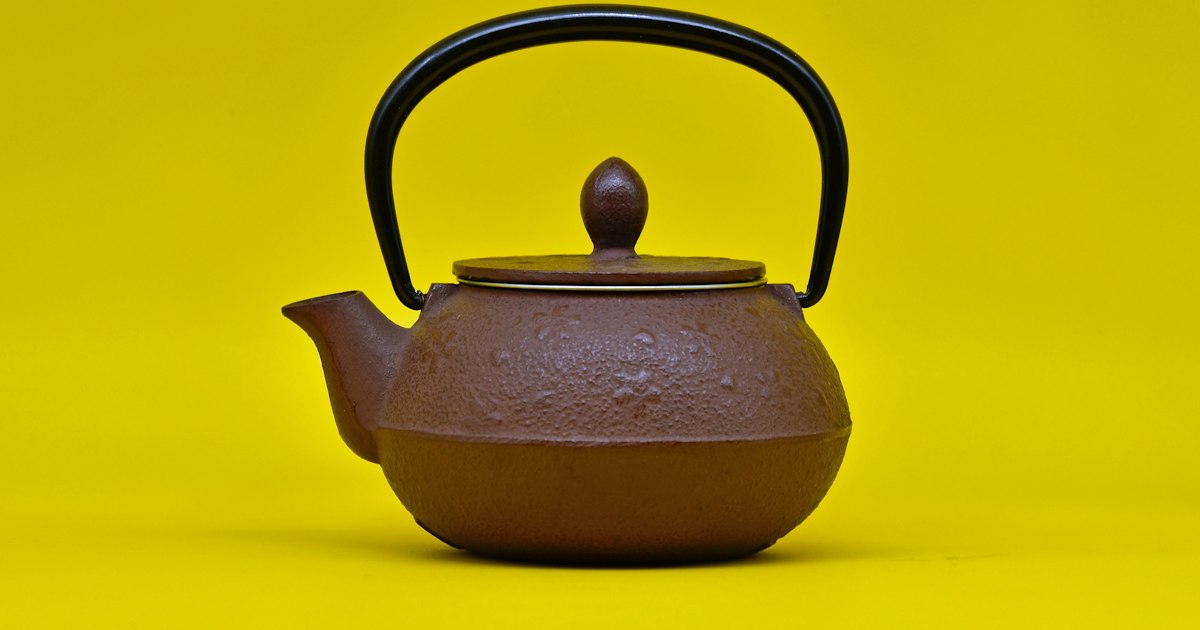
    Banko-yaki’s signature product is the shidei (紫泥, “purple mud”) teapot: unglazed, dense, iron-rich clay fired to a deep reddish-brown or near-purple color. The high iron content is said to react with tannins in tea, softening bitterness and rounding out the flavor — which is why serious sencha and gyokuro drinkers in Japan often specifically seek out a Banko kyusu rather than a glazed one. Yokkaichi is widely credited as Japan’s largest production center for kyusu (teapots), supplying a large share of the teapots sold nationwide, most of them from small family workshops rather than big factories.

    The other thing Banko-yaki is known for is donabe — the heavy clay pots used for nabe hot pot, rice cooking, and steaming. Local clay bodies are often blended with petalite (a lithium mineral), which gives the fired pot unusual resistance to thermal shock, so it can go straight onto a gas flame without cracking. If you’ve shopped for a donabe at a department store anywhere in Japan, odds are decent it came from this region even if the label doesn’t shout it.

    Where It’s Made and How to Get There

    The production area centers on Yokkaichi City and neighboring Yokkaichi-Kuwana, about 25–40 minutes from Nagoya. The easiest route is the Kintetsu Nagoya Line limited express from Kintetsu Nagoya Station to Kintetsu Yokkaichi Station — around 30 minutes, roughly ¥1,500 including the limited express surcharge (a regular express train takes a little longer and costs about ¥500 less). From Osaka or Kyoto, it’s a longer Kintetsu ride (around 1.5–2 hours) or a JR/Shinkansen-plus-local combination via Nagoya. If you’re basing yourself in Nagoya for a night, see our guide to business hotel chains in Japan for practical, well-located options near the station.

    Once in Yokkaichi, the kiln district (the old Banko-yaki production area) is a short bus or taxi ride from the station, and several workshops welcome walk-in visitors, though hours vary by shop and many close on Sundays or Mondays — call ahead or check in Japanese via the shop’s listed phone number if you’re set on a specific kiln.

    Where to Buy It

    The single best one-stop option is the Banko Yaki Kaikan (万古陶磁器会館, Banko Ceramics Hall) in Yokkaichi, a showroom-style building where multiple local kilns display and sell their work under one roof — useful if you want to compare shidei teapots side by side before buying, typically open roughly 9:00–17:00 on weekdays with reduced weekend hours. Staff are used to foreign visitors asking basic questions about teapot care, though English fluency varies.

    For a livelier visit, time your trip to the annual Banko-yaki Matsuri (Banko Pottery Festival), usually held in early May around Golden Week near the Banko Shrine and kiln district, where dozens of workshops sell directly at discounted festival prices — this is the single best time to find budget pieces and factory seconds. Outside festival season, Yokkaichi’s shopping streets near the station and a few shops in central Nagoya (including department store ceramics floors) carry Banko-yaki alongside other regional pottery. If you’re also interested in how other regions approach pottery, it’s worth comparing notes with our guide to Hagi ware in Yamaguchi, which covers a very different, glaze-focused tea-ceremony tradition.

    Budget, Mid-Range, and Splurge Picks

    Banko-yaki is refreshingly affordable compared to prestige wares. A small, simple unglazed kyusu (around 200–300ml, good for one or two cups) typically runs ¥2,500–¥5,000 at kiln-direct shops or the festival. Mid-range pieces — hand-thrown by a named maker, with a ceramic mesh strainer built into the spout rather than a cheap removable metal one — land in the ¥8,000–¥20,000 range and make genuinely nice gifts. At the top end, teapots by recognized Banko-yaki artisans (some holding “Dento Kogeishi,” or traditional craftsman, certification) can run ¥30,000–¥80,000 or more, particularly for larger pots with intricate hand-carved or hand-painted decoration. Donabe hot pot vessels span a similarly wide range: roughly ¥3,000–¥6,000 for an everyday single-person size, up to ¥15,000+ for large family-size pots from well-known kilns.

    Common Mistakes to Avoid

    • Washing with detergent. Unglazed shidei clay is porous and absorbs flavor over time — that’s part of what makes it good at tea. Soap residue gets absorbed too. Rinse with hot water only and let it air dry.
    • Assuming it’s dishwasher- or microwave-safe. Most traditional unglazed kyusu are neither; ask the shop explicitly if you plan to use it daily and want that convenience.
    • Ignoring the strainer type. Banko teapots use either a built-in ceramic mesh (fired into the clay, more traditional, slightly harder to clean) or a removable stainless mesh (easier to clean, slightly less “authentic”). Neither is wrong, but know which you’re buying — it affects both cleaning and how fine the tea leaves need to be.
    • Buying a donabe without asking about seasoning. Some donabe need an initial “medium” (a rice-water pre-soak/boil) before first use to seal the clay. Shop staff will tell you if yours does; skip this step and you risk cracking on first use.
    • Overpacking fragile pieces. If you’re buying mid-trip rather than at the end, most Banko-yaki shops will wrap pieces securely for carry-on travel, but ask for extra padding or a box — these are genuinely more fragile than they look in your suitcase.

    Best Time to Visit

    Early May, for the Banko-yaki Matsuri, is the single best window if your schedule allows it — good prices, maker demonstrations, and a far wider selection than any single shop. Outside that, any weekday works well for visiting the Banko Yaki Kaikan or individual kilns, since weekends can mean reduced hours at smaller family workshops. If pottery and traditional craft shopping is a theme of your trip, it pairs naturally with a stop to see Hakata Ningyo clay dolls in Fukuoka or to try a proper tea ceremony in Kyoto or Tokyo once you’ve got a teapot to use at home.