Japan Trove

Author: JapanTrove Editorial

  • Universal Studios Japan (USJ): Nintendo World & Tips

    Universal Studios Japan (USJ): Nintendo World & Tips

    Some links below are affiliate links. If you book through them, Japan Trove may earn a small commission at no extra cost to you.

    Universal Studios Japan (USJ) in Osaka is one of the world’s most popular theme parks — home to the original Super Nintendo World and an incredible Wizarding World of Harry Potter. Here’s how to plan it.

    The headline lands

    • Super Nintendo World — ride Mario Kart, explore a life-size Mushroom Kingdom, and use a Power-Up Band to play throughout the land.
    • The Wizarding World of Harry Potter — Hogwarts, Hogsmeade, and the excellent Forbidden Journey ride.
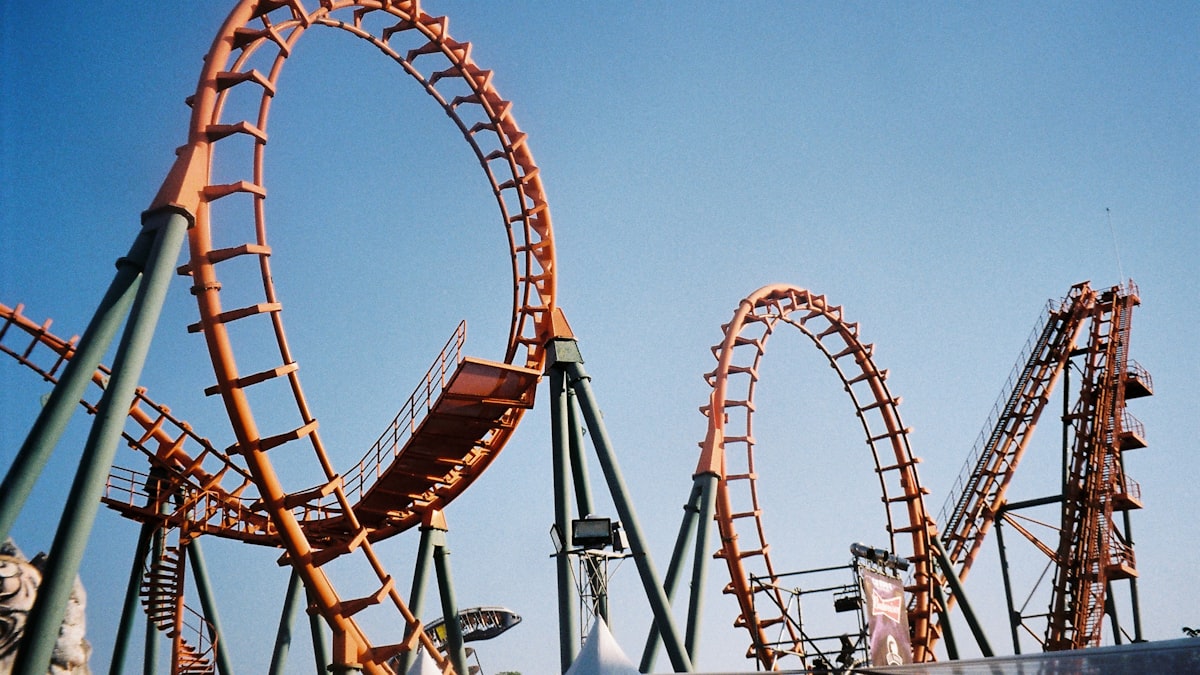
    • Thrill rides — Hollywood Dream, the Flying Dinosaur, and more.
    • Seasonal events — Halloween Horror Nights and Universal Cool Japan collaborations are hugely popular.

    Tickets & skipping lines

    • Buy dated tickets in advance — the park can sell out on peak days.
    • Super Nintendo World may require an Area Timed Entry ticket (free, via the app) or an Express Pass on busy days — check before you go.
    • Express Passes (paid) cut wait times on headliner rides — worth it at peak.
    • Compare tickets and Express Passes on Klook .

    Smart planning

    • Avoid weekends and Japanese holidays like Golden Week; weekdays are calmer.
    • Arrive before opening to head straight for Nintendo World or Harry Potter.
    • Use the official app for wait times and timed-entry.
    • Stay nearby for early access — compare hotels on Booking.com .

    Getting there

    USJ has its own station (Universal City) a short train ride from Osaka Station. Grab an IC card and see our Osaka guide for the rest of your trip. Traveling with children? See Japan with kids.

    Tips

    • Bring a portable charger — you’ll live in the app all day.
    • Budget for merch (the Nintendo and Harry Potter shops are irresistible).
    • Pair with Tokyo Disney if you love theme parks.

    What a USJ day costs

    • A standard 1-day ticket runs roughly JPY 8,600-9,800 depending on the date (USJ uses variable pricing, higher on weekends and peak season); a 1.5-day or 2-day ticket adds meaningful value if you can spread the visit across two days.
    • Express Pass tickets, which cut wait times on select headline rides, range from JPY 7,800-25,000+ depending on how many rides and how peak the date is — worth pricing out specifically for Mario Kart and the Harry Potter ride, the two longest-wait attractions.
    • Budget an extra JPY 3,000-6,000 per person for food and the near-irresistible Nintendo and Harry Potter merchandise, which tends to blow past initial souvenir budgets.

    Common mistakes to avoid

    • Arriving at official opening time instead of earlier — serious visitors line up well before gates open specifically to sprint for Super Nintendo World’s timed-entry ticket or Mario Kart’s line; arriving right at opening often means missing the best early-morning wait times.
    • Not checking the Area Timed Entry requirement for Super Nintendo World in advance — on busy days, entry to the land itself requires a separate free ticket obtained via the app, and missing this can mean not entering the land at all that day.
    • Underestimating how much walking and standing is involved — comfortable shoes matter more here than at almost any other single-day activity in Japan.

    Best time of year to visit

    Weekdays outside Japanese school holidays, Golden Week, and Halloween season offer meaningfully shorter waits across the whole park — if your schedule has any flexibility, shifting even a few days to avoid a weekend can significantly change the experience.

    Combining with the rest of Osaka

    USJ realistically fills a full day on its own, so most visitors treat it as a dedicated day within a wider Osaka stay rather than trying to combine it with Dotonbori or other city sightseeing on the same day — plan for a separate, lighter day for the rest of the city before or after your park visit.
  • Japanese Homeware to Buy: Ceramics, Kitchen & Textiles

    Japanese Homeware to Buy: Ceramics, Kitchen & Textiles

    Some links below are affiliate links. If you buy through them, Japan Trove may earn a small commission at no extra cost to you.

    Japanese homeware is a souvenir sweet spot — beautiful, functional, and often affordable. From ceramics to knives to clever kitchen tools, here’s what to buy to bring a little Japan home.

    Ceramics & tableware

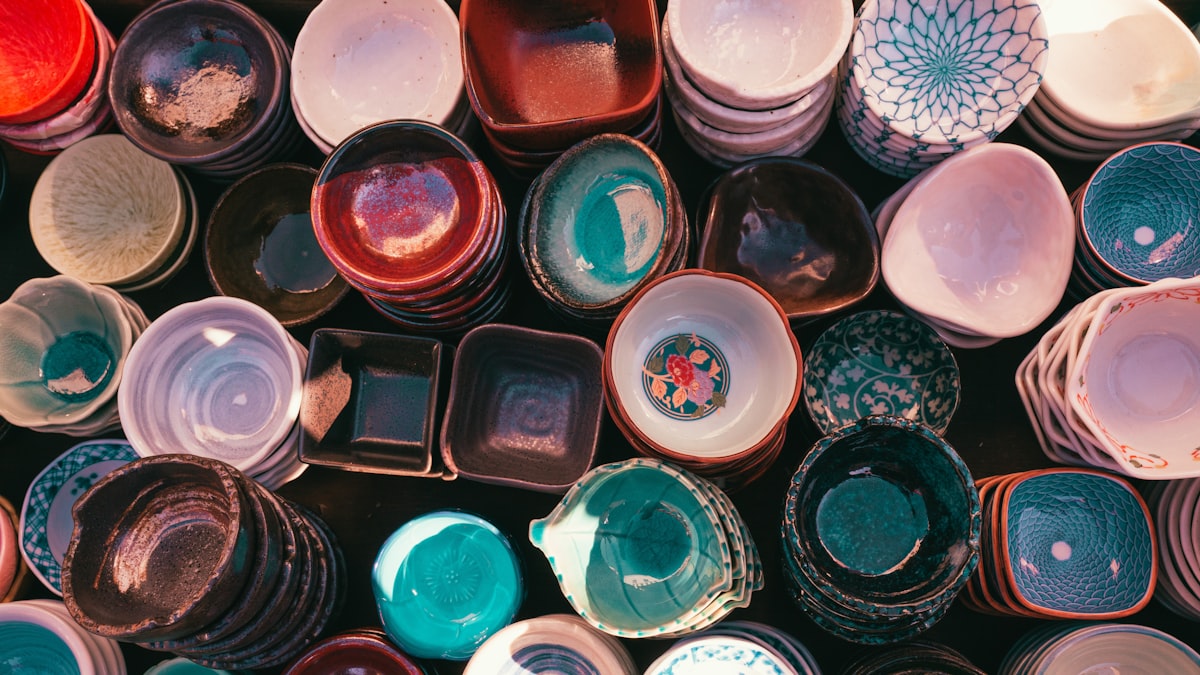
    • Rice bowls, small plates (mamezara), and teacups — endlessly collectible and easy to pack.
    • Regional pottery — Arita, Hagi, Mino, Kutani, and more; see our Japanese tea set & ceramics guide.
    • Lacquerware (shikki) — bowls and trays with a deep, glossy finish.

    Kitchen tools

    • Knives — world-class blades; see our kitchen knives guide.
    • Graters, mandolines, and gadgets — clever, well-made, and cheap at 100-yen shops.
    • Cast iron & tetsubin teapots (heavier — plan your packing).

    Textiles & living

    • Furoshiki — versatile wrapping cloths that double as gift wrap and padding.
    • Tenugui — thin cotton hand towels with lovely prints.
    • Noren curtains, incense, and simple storage goods.

    Where to shop

    • Department-store housewares floors and specialty shops.
    • Kappabashi (Tokyo) — the kitchenware street, including realistic food samples.
    • Muji & Loft/Tokyu Hands for modern designs — see Muji must-buys.
    • From abroad: ceramics and knives on Amazon , or a proxy service for artisan pieces.

    Packing tips

    • Wrap ceramics in a furoshiki or clothing; hard-side luggage helps.
    • Buy tax-free with your passport on bigger purchases.
    • Shipping fragile or heavy items? Consider forwarding or a proxy. Great gifts, too.

    What things typically cost

    • Everyday ceramics (rice bowls, small plates) run JPY 500-3,000 at department stores and craft shops, while collectible regional pottery from named kilns (Arita, Hagi, Kutani) can run JPY 5,000-30,000+ for a signed piece.
    • Furoshiki wrapping cloths run JPY 800-3,000 depending on fabric and size, and double as reusable gift wrap and protective padding for other fragile purchases in your luggage.
    • A quality tetsubin cast-iron teapot runs JPY 8,000-25,000 and adds real weight to luggage — factor this in if you’re already carrying knives or ceramics home in the same bag.

    Common mistakes to avoid

    • Buying fragile ceramics without a plan to pack them safely — wrap each piece individually in clothing or a furoshiki, pack centrally in your suitcase away from the sides, and consider a hard-side case if you’re buying several pieces.
    • Overlooking weight limits when buying cast iron or multiple ceramic pieces — these add up fast; weigh your bag partway through a shopping trip if homeware is a big part of your list.
    • Assuming all “Japanese ceramics” sold in tourist areas are handmade or regional — some souvenir shops carry mass-produced imports; buying from a department store’s craft floor or a named regional shop is a safer bet for authenticity.

    Shipping heavier homeware home

    For a serious ceramics or cookware haul, international shipping from the store or a forwarding service is often cheaper and safer than checking it as luggage — ask at the point of sale, since many department stores and specialty shops routinely handle this for overseas visitors.

    Homeware as a thoughtful, lasting gift

    Unlike consumable snacks, a well-chosen ceramic piece or set of tenugui cloths is a gift the recipient will keep and use for years — worth the extra care in packing and the modest price premium over a disposable souvenir, especially for someone who already appreciates home goods or cooking.

  • Gachapon Guide: Japan’s Capsule Toy Machines

    Gachapon Guide: Japan’s Capsule Toy Machines

    Gachapon (capsule toys) are one of Japan’s most addictive little pleasures — rows of machines dispensing surprisingly high-quality miniatures for a few hundred yen. Here’s the guide to collecting them.

    What is gachapon?

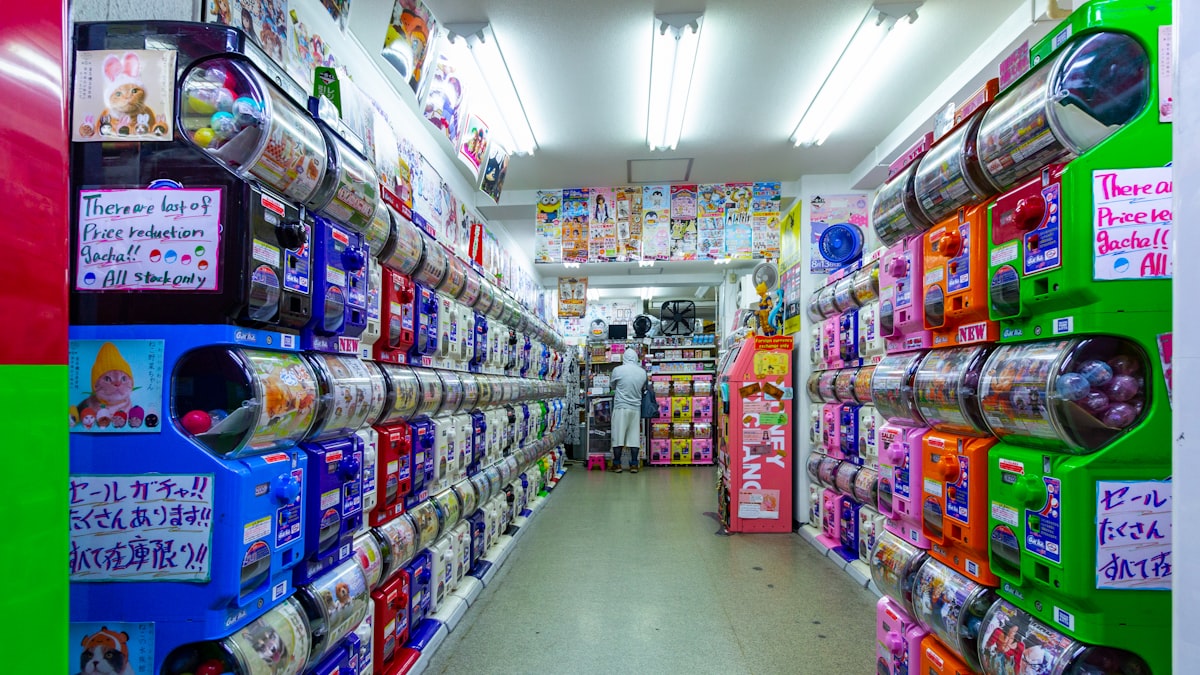
    Called gachapon or gashapon (after the crank-and-drop sound), these vending machines dispense a random toy in a plastic capsule. Prices are typically 200–500 yen. The quality and creativity are astonishing — from cute characters to hyper-realistic miniatures and delightfully weird novelties.

    What you’ll find

    • Anime & character goods — Pokémon, Sanrio, Gundam, and more.
    • Realistic miniatures — tiny food, furniture, animals, and everyday objects.
    • Novelty humor — the famously strange ones Japan is known for.
    • Seasonal & limited series that rotate constantly.

    Where to find the machines

    • Gachapon halls — huge rooms with hundreds of machines (Akihabara has famous ones); see our Akihabara guide.
    • Department stores, arcades, and stations — machines are everywhere.
    • Specialty spots like Gashapon Bandai Official Shops.

    How to play

    • Insert coins (machines often need exact change — keep 100-yen coins handy; change machines are nearby).
    • Turn the crank; collect your capsule from the tray.
    • Each series shows the possible variants — but which you get is random.

    Tips

    • Bring coins. This is the one place cash is king.
    • They make cheap, fun gifts and souvenirs — grab a few for friends.
    • Capsules are bulky; pop the toys out and flatten capsules to save luggage space.
    • Chasing a specific one? Some shops sell “opened” gachapon items individually.

    What gachapon typically costs

    • Most capsules run JPY 200-500, though premium and detailed collectible series (life-like miniatures, licensed character figures) can run JPY 500-800 per capsule.
    • A single large gachapon hall can house 300-500+ machines, so budget for the temptation — a “quick” 20-minute stop easily turns into JPY 2,000-3,000 in change spent chasing a specific figure.
    • If you’re hunting one specific item from a set rather than accepting any random result, secondhand shops like Mandarake sell individual “opened” gachapon figures for a set price, often cheaper than repeatedly gambling on the machine itself.

    Common mistakes to avoid

    • Not carrying enough 100-yen coins — most machines are coin-only and don’t accept bills or IC cards directly; large gachapon halls have coin-change machines, but smaller standalone machines on the street may not.
    • Assuming you can choose your result — gachapon is genuinely random within the shown set; if getting a specific figure matters, buying it secondhand or from a completed-set reseller is more reliable than repeated tries.
    • Throwing away capsules on the street — pop the toy out and dispose of the plastic capsule properly, or better, keep a few as their own quirky souvenir since some series design them to interlock or display.

    Best gachapon halls to visit

    Akihabara has some of the largest and most famous gachapon halls in the country, often spanning multiple floors — worth an hour of dedicated browsing on its own merits, separate from the district’s electronics and anime shopping covered in our Akihabara guide.

    Setting a budget before you start

    Because the format is designed to be repeatable and slightly addictive, it helps to decide on a coin budget before approaching a wall of machines rather than deciding in the moment — many visitors find a self-imposed limit of JPY 1,000-2,000 per stop keeps the activity fun rather than turning into an unplanned expense.

  • Where to Buy Manga in Japan (and From Abroad)

    Where to Buy Manga in Japan (and From Abroad)

    Some links below are affiliate links. If you buy through them, Japan Trove may earn a small commission at no extra cost to you.

    Buying manga in Japan is a joy — vast selection, low prices, and shelves of things never released overseas. Here’s where to buy, plus the language catch to keep in mind.

    Read this first: language

    Manga sold in Japan is almost always in Japanese. If you want English editions, you’ll mostly buy those back home. But for collectors, art books, limited editions, and the sheer thrill of the source, shopping in Japan is unbeatable — and great for studying the language.

    Best places to buy

    • Bookstores — Kinokuniya, Tsutaya, and Junkudo have huge, well-organized manga floors.
    • Animate — the go-to chain for manga plus anime goods; see buying anime figures.
    • Book-Off — the famous used-book chain; cheap second-hand manga in great condition.
    • Mandarake — rare, vintage, and out-of-print treasures; a highlight of Akihabara.
    • Doujinshi shops (Toranoana, etc.) — independent/fan works.

    Also worth grabbing

    • Tankobon volumes — cheap (often a few hundred yen new, less used).
    • Art books & guidebooks — gorgeous even if you don’t read Japanese.
    • Limited/special editions with extras you won’t find abroad.

    Buying from abroad

    • English manga is widely available on Amazon .
    • For Japanese editions, used finds, and Japan-only sets, use a proxy service like Buyee or ZenMarket.

    Tips

    • Manga is heavy — buy a lot and use forwarding or ship home rather than lugging it.
    • Bring your passport for tax-free on bigger hauls.
    • Used (Book-Off) is the budget move; new bookstores for the latest releases.

    What manga typically costs

    • New tankobon volumes run JPY 400-700 each, making a 10-volume series a modest JPY 4,000-7,000 total — often much cheaper than buying translated editions abroad.
    • Used copies at Book-Off frequently run JPY 100-300 per volume in good condition, and it’s normal to find nearly-complete used sets bundled together at a further discount.
    • Art books and special editions with extras (posters, bonus chapters, box packaging) run JPY 2,000-6,000 and are a better “collector” buy than standard volumes if the goal is a keepsake rather than reading material.

    Common mistakes to avoid

    • Buying a series without checking your reading direction comfort — Japanese manga reads right-to-left; if you’ve only read localized left-to-right editions before, a quick flip-through in the store confirms whether the format bothers you before committing to a full series.
    • Assuming every bookstore carries the same stock — Kinokuniya and Tsutaya lean toward current, mainstream releases, while Mandarake and doujinshi shops specialize in out-of-print, rare, or independent works; know which type of manga you want before choosing where to shop.
    • Overbuying without a shipping plan — manga is deceptively heavy in volume; a stack of 20+ books can meaningfully affect your luggage weight allowance.

    Combining a manga run with anime shopping

    Animate and Mandarake branches often stock manga alongside related figures, art prints, and anime merchandise from the same series, making it efficient to complete a themed haul in one stop rather than visiting separate specialty stores. See our anime figures guide for the merchandise side of the same shopping trip.

    Reading Japanese manga as a language-learning tool

    Many language learners specifically use manga aimed at younger readers (shonen and shojo titles) as reading practice, since dialogue tends to be simpler and furigana phonetic readings are often printed above kanji — a genuinely useful, enjoyable side benefit of buying in Japan even for readers who aren’t fluent yet.

  • Japanese Makeup Brands: The Best J-Beauty to Buy

    Japanese Makeup Brands: The Best J-Beauty to Buy

    Some links below are affiliate links. If you buy through them, Japan Trove may earn a small commission at no extra cost to you.

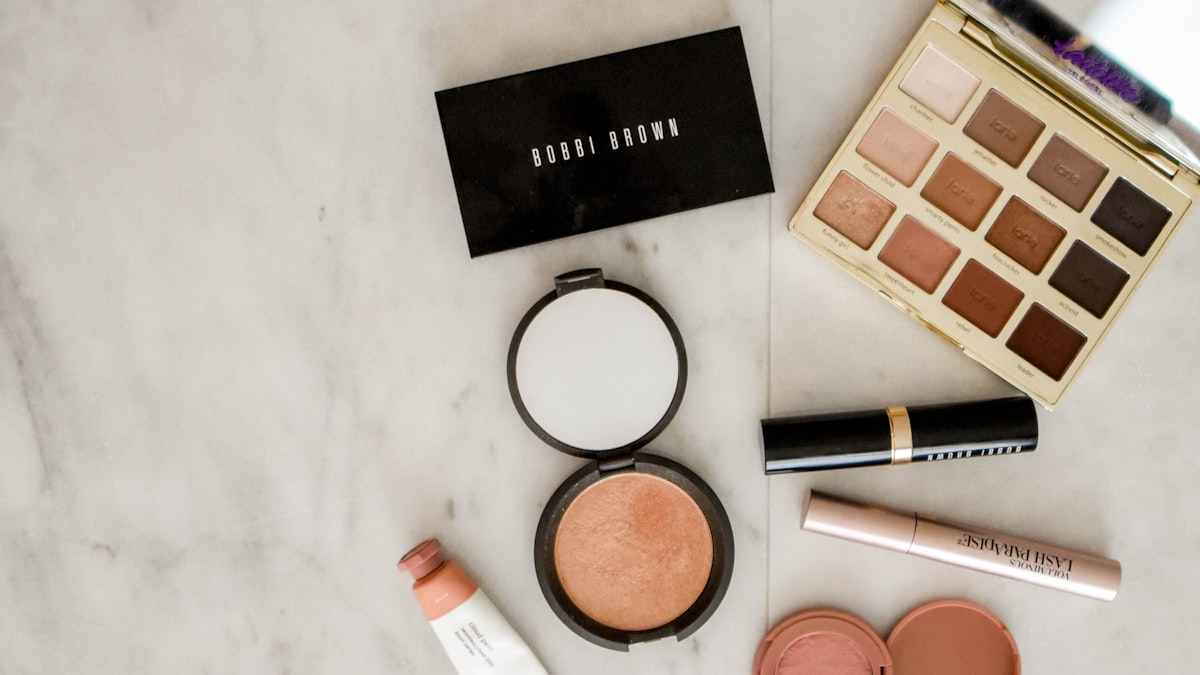
    Japanese makeup (J-beauty) is beloved for its quality, clever formulas, and gentle, skin-friendly approach. Whether you’re shopping in Japan or from home, here are the brands and buys to know.

    Drugstore stars (affordable)

    • Canmake — cult cream blushes and cute, cheap staples.
    • Cezanne — excellent value bases and primers.
    • Kate — sleek eyeshadow palettes and brow products.
    • Majolica Majorca & Heroine Make — famous mascaras that survive humidity.
    • Excel & Visee — polished, on-trend eye palettes.

    Mid-range & department store

    • Shiseido — Japan’s beauty giant, from bases to iconic skincare.
    • SUQQU, RMK, Addiction — chic, high-end color cosmetics loved by makeup fans.
    • Cle de Peau Beaute — luxury, famous for its concealer.

    What Japan does especially well

    • Cushion & liquid bases with skincare benefits.
    • Long-wear, smudge-proof mascaras and liners (film types that come off with warm water).
    • Sun protection — cosmetics with high SPF; see our Japanese sunscreen guide.

    Where to buy

    Tips

    • Pair makeup with Japan’s excellent skincare — the base is half the look.
    • Shades skew for lighter-to-medium tones; check ranges if that matters to you.
    • Drugstore prices in Japan are often far lower than overseas — stock up on favorites.

    What J-beauty typically costs

    • Drugstore brands like Canmake and Cezanne price most items JPY 500-1,500, genuinely cheap enough to try several shades or products without much risk.
    • Mid-range and department store lines (Shiseido, SUQQU, RMK) run JPY 3,000-8,000 per item, competitive with similar-tier Western brands once tax-free savings are applied.
    • A well-rounded starter haul — a cushion base, a mascara, a cream blush, and a lip product across a mix of drugstore and mid-range brands — typically runs JPY 6,000-12,000 total.

    Common mistakes to avoid

    • Buying foundation or cushion base shades without testing in daylight — Japanese shade ranges can differ meaningfully from Western ranges, and drugstore lighting often misrepresents undertones; step outside or near a window if the shop allows it.
    • Assuming SPF-rated makeup replaces dedicated sunscreen — it’s a helpful supplement, not a substitute for proper sun protection underneath; see our Japanese sunscreen guide for the base layer.
    • Stocking up on a favorite shade without checking if it’s a limited or seasonal release — some popular drugstore items are seasonal and get discontinued, so buying extras of a genuine favorite is reasonable rather than assuming it’ll always be there next trip.

    Where drugstore chains differ

    Matsukiyo and Welcia both carry the major drugstore brands, but store layout and in-stock selection vary by branch size — a large flagship near a major station will have a far deeper range than a small neighborhood branch, worth knowing if you’re hunting a specific discontinued-elsewhere shade.

    Buying enough to last until your next trip

    Since many J-beauty favorites are genuinely cheaper in Japan than through overseas resellers, it’s common practice among repeat visitors to stock up on a year’s supply of a favorite mascara or base product each trip — checking expiration dates on the packaging first to make sure the full stock will still be usable.

  • Do You Need a Visa for Japan? Tourist Entry Explained

    Do You Need a Visa for Japan? Tourist Entry Explained

    Wondering if you need a visa to visit Japan? For most tourists the answer is reassuringly simple, but there are important rules and a newer entry system to know. Here’s a plain-English overview.

    This is general information, not legal advice — always confirm the current rules with an official Japanese government source or embassy before you travel, as policies change.

    The short answer

    Citizens of many countries (including much of Europe, the US, UK, Canada, Australia, and more) can enter Japan visa-free for short-term tourism — typically up to 90 days. Some countries have different limits, and some require a visa in advance. Your nationality decides everything, so check your specific case.

    Visa-free basics

    • Purpose: tourism, visiting friends/family, or short business — not paid work.
    • Duration: commonly up to 90 days (varies by country).
    • Passport: must be valid for your stay; have onward/return travel and proof of funds if asked.

    Things that are changing

    • Japan has been rolling out digital entry systems (such as online arrival registration) — using them can speed up the airport. Check the latest before you fly.
    • An electronic travel authorization for visa-free visitors has been discussed/planned — verify whether it applies to you at travel time.

    At the airport

    • Complete the arrival and customs forms (often available online in advance).
    • Be ready to state your address in Japan — see where to stay.
    • Fingerprints and a photo are taken on entry.

    If you do need a visa

    Apply through a Japanese embassy or consulate in advance; requirements vary by nationality and purpose. Longer stays, study, and work always require the appropriate visa.

    Once you’re in

    Get set up fast with an eSIM and an IC card, and read our first-timer tips. Then dive into a 7-day itinerary.

    Costs and practical details around entry

    • Visa-free tourist entry itself costs nothing beyond your travel expenses — there’s no entry fee for eligible nationalities under the standard tourism exemption.
    • If your nationality does require an advance visa, embassy application fees typically run a modest amount (often well under JPY 5,000 equivalent) plus processing time of days to a few weeks, so applying well ahead of travel dates matters.
    • Travel insurance, while not legally required for tourist entry, is worth budgeting for given Japan’s high-quality but potentially expensive medical care for uninsured visitors.

    Common mistakes to avoid

    • Assuming your visa-free allowance matches a friend’s or family member’s — the permitted stay length varies genuinely by nationality, sometimes significantly; always check the specific rule for your own passport rather than going by hearsay.
    • Forgetting proof of onward travel — some visa-free entrants have been asked to show a return or onward ticket at check-in or immigration; an open-ended one-way ticket without documentation can occasionally cause delays.
    • Not completing online pre-arrival forms when available — Japan’s digital arrival systems can meaningfully cut immigration and customs wait times at busy airports like Narita and Haneda; check current online registration options before you fly.

    What to have ready at immigration

    Have your passport, completed arrival forms, and your first night’s accommodation address on hand (printed or easily accessible on your phone) — officers may ask where you’re staying, and having it ready speeds up an already efficient process considerably.

    Checking rules well before you book

    Because entry policy can change with little public fanfare, it’s worth doing a final rule check on an official government source a few weeks before departure, not just when you first started planning the trip — this is especially relevant if your trip was booked far in advance, since visa-free arrangements and any electronic authorization requirements are the parts of Japan travel most likely to shift year to year.

  • Japan’s Golden Week: What It Is & How to Plan Around It

    Japan’s Golden Week: What It Is & How to Plan Around It

    Golden Week is one of Japan’s busiest travel periods — a cluster of national holidays when the whole country is on the move. Knowing about it can make or break your trip timing. Here’s what to know.

    What is Golden Week?

    Golden Week is a run of public holidays in late April to early May (roughly April 29 to May 5). Many Japanese people take the whole week off, so domestic travel, transport, and attractions get extremely crowded and prices rise.

    Should you avoid it?

    • If you can, yes — trains, hotels, and sights are packed, and prices spike.
    • Book far ahead if your dates fall here: reserve shinkansen seats and hotels weeks in advance.
    • The upside: great weather and a lively, festive atmosphere. It’s doable with planning — just not the relaxed option.

    Other busy periods to know

    • Obon (mid-August) — a major holiday when many travel to their hometowns.
    • New Year (Dec 29–Jan 3) — lots of closures and family travel.
    • Cherry blossom season — busy at famous spots; see our cherry blossom guide.
    • Autumn foliage weekends — see autumn leaves.

    Tips if you travel during Golden Week

    • Reserve everything early — non-reserved train cars can be standing-room only.
    • Consider using luggage forwarding to dodge crowded platforms.
    • Visit big-name sights at opening time; explore lesser-known neighborhoods midday.
    • Budget more for accommodation — compare early on Booking.com .

    Best alternative timing

    For fewer crowds and good weather, aim for late spring after Golden Week, early summer, or autumn outside peak foliage weekends. See our full best time to visit Japan guide.

    How much prices actually rise

    • Flights into Japan during Golden Week can run 30-60% above shoulder-season fares if booked less than 2-3 months out, and domestic flights within Japan see similar spikes.
    • Hotel rates in popular cities often climb 20-50% above normal weekday rates, with the best-located and best-value properties selling out first, sometimes 3+ months ahead for specific dates.
    • Shinkansen reserved seats for popular routes (Tokyo-Kyoto, Tokyo-Osaka) can sell out entirely on the peak days (typically April 29 and May 3-5), leaving only non-reserved cars, which fill to standing-room during the worst crush.

    Common mistakes to avoid

    • Not checking the exact dates each year — Golden Week’s specific holidays shift slightly year to year based on the calendar, and a weekend can extend it further; always verify the current year’s dates rather than assuming a fixed week.
    • Planning a rail-pass-heavy, multi-city itinerary during peak Golden Week days — the constant need for reserved seats on packed trains works against a pass’s flexibility; a single-base itinerary handles the crowds better.
    • Assuming all of Japan is equally busy — rural areas and smaller regional towns see far less crowd increase than Tokyo, Kyoto, and Osaka, making them a smart pivot if your dates are fixed.

    If your dates are locked to Golden Week

    Consider anchoring the trip around one or two well-chosen bases rather than a fast multi-city tour, booking every reservation (trains, key restaurants, popular attractions) as far ahead as your booking windows allow, and treating the first couple of days after the holiday ends (around May 6-7) as a bonus quieter tail-end if your schedule allows extending slightly.

    Golden Week versus other holiday clusters

    Compared to Obon and New Year, Golden Week is arguably the most disruptive for tourists specifically because it falls in prime spring weather when international visitor numbers are also naturally high — Obon’s mid-August heat and New Year’s business closures each deter a different kind of traveler, but Golden Week combines great weather with maximum crowding, which is exactly why it catches first-time visitors off guard.

  • Kamakura Day Trip: The Great Buddha, Temples & Coast

    Kamakura Day Trip: The Great Buddha, Temples & Coast

    Kamakura is the easy coastal escape from Tokyo — a former samurai capital packed with temples, a giant Buddha, hiking trails, and beach-town charm. Perfect for a day trip.

    What to see

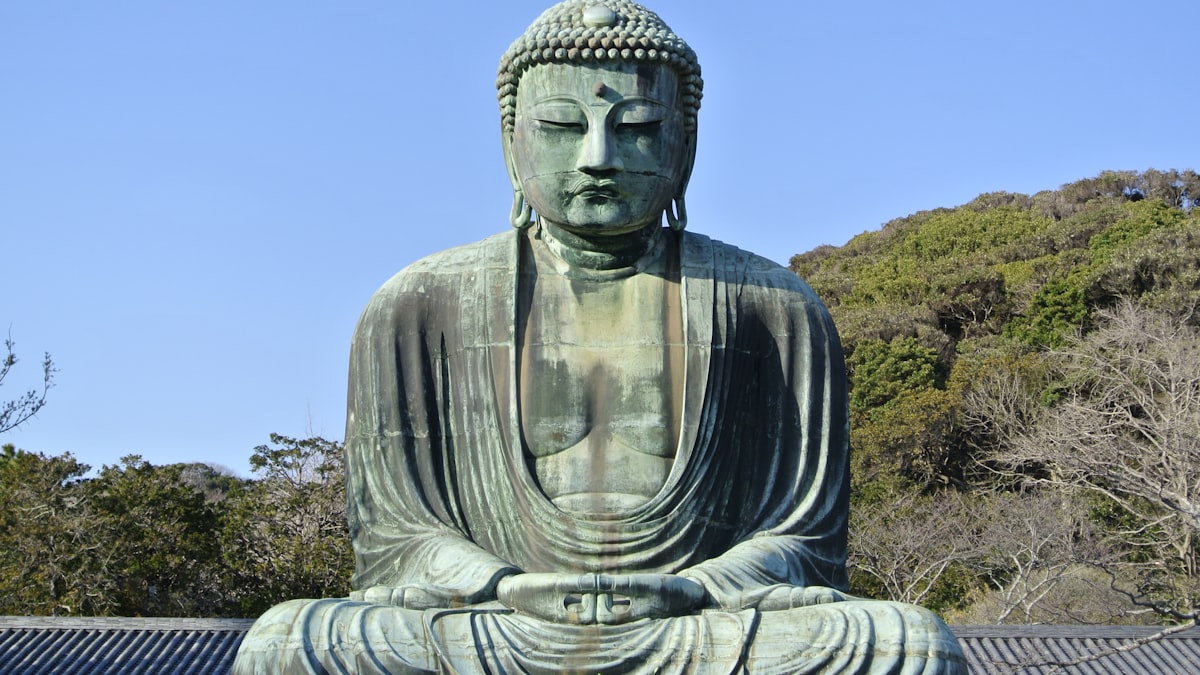
    • The Great Buddha (Daibutsu) — a 13-meter bronze Buddha at Kotokuin, Kamakura’s icon.
    • Hasedera — a hillside temple with sea views, gardens, and a giant Kannon statue.
    • Tsurugaoka Hachimangu — the grand central shrine, reached via the Komachi-dori shopping street.
    • Hokokuji — a serene bamboo-grove temple with matcha.
    • Enoshima — a nearby island with a shrine, caves, and views (great add-on).

    Beach & hikes

    • Kamakura’s beaches are a summer hangout (more for atmosphere than swimming).
    • The Daibutsu hiking trail links temples through the hills — an easy, scenic walk.
    • Ride the nostalgic Enoden tram along the coast to Enoshima.

    Getting there

    • About 1 hour from Tokyo/Shinjuku by JR (covered by the JR Pass).
    • A Kamakura–Enoshima pass can be handy for the Enoden line.
    • Grab an IC card and go early to beat crowds.

    Eat & shop

    Komachi-dori is lined with street snacks, matcha treats, and souvenir shops — try shirasu (whitebait) dishes, a local specialty. More ideas in must-try Japanese food.

    Tips

    • Weekends and holidays get very busy — start early or go midweek.
    • Comfortable shoes for temple hills and the hiking trail.
    • Pairs well with other day trips from Tokyo; fold into your itinerary.

    A suggested half-day route

    A smooth loop: start at Hasedera and the Great Buddha in the Hase area (a short Enoden ride from Kamakura Station), then head back toward the center for Komachi-dori street food and Tsurugaoka Hachimangu. With more time, ride the Enoden west along the coast to Enoshima for sunset. Going early keeps you ahead of the crowds at the Buddha and the shrine.

    What things cost

    • The Great Buddha at Kotokuin costs JPY 300 to view up close, with an extra JPY 50 to enter the hollow interior of the statue itself — a quirky, inexpensive add-on most visitors skip without realizing it’s an option.
    • Hasedera’s entry is JPY 400, and Hokokuji’s bamboo grove with matcha service runs about JPY 300 entry plus JPY 600 for the tea — both modest costs for two of the area’s most photogenic stops.
    • The Enoden tram between Kamakura and Enoshima runs about JPY 200-300 per short hop, with a 1-day unlimited pass (Noriorikun) worth it if you plan to hop on and off at several stations along the coast.

    Common mistakes to avoid

    • Visiting the Great Buddha at midday on a weekend — it’s one of the most crowded single spots on any Tokyo day trip; an early departure from Tokyo (aiming to arrive by 9am) makes a dramatic difference.
    • Trying to fit Kamakura and Enoshima into a rushed few hours — both areas reward unhurried wandering, and combining them properly is closer to a full day than a half-day if you want to do both without rushing.
    • Skipping the Daibutsu hiking trail because it sounds strenuous — it’s a genuinely easy, well-marked walk through forest connecting several temples, and a nice break from pavement and crowds.

    Kamakura for beach and hiking lovers

    Beyond temples, Kamakura’s coastline and hills reward a more active visit — surfers gather at Yuigahama and Zaimokuza beaches in summer, and hiking trails link the Great Buddha area to Kita-Kamakura’s quieter northern temples through forested hills, a genuinely different pace from the crowded central streets.

    A rainy-day backup plan

    Kamakura’s temples and gardens are genuinely pleasant in light rain — moss and greenery look their best damp, and crowds thin out noticeably — but if the weather turns heavy, the covered shopping arcade at Komachi-dori and several temple halls with indoor viewing areas (like Hasedera’s museum) make reasonable shelter without abandoning the day entirely.

  • Nikko Day Trip from Tokyo: Shrines, Waterfalls & Lakes

    Nikko Day Trip from Tokyo: Shrines, Waterfalls & Lakes

    Nikko is one of the best day trips (or overnights) from Tokyo — a mountain town where ornate shrines meet waterfalls, lakes, and hot springs. Here’s how to do it.

    What to see

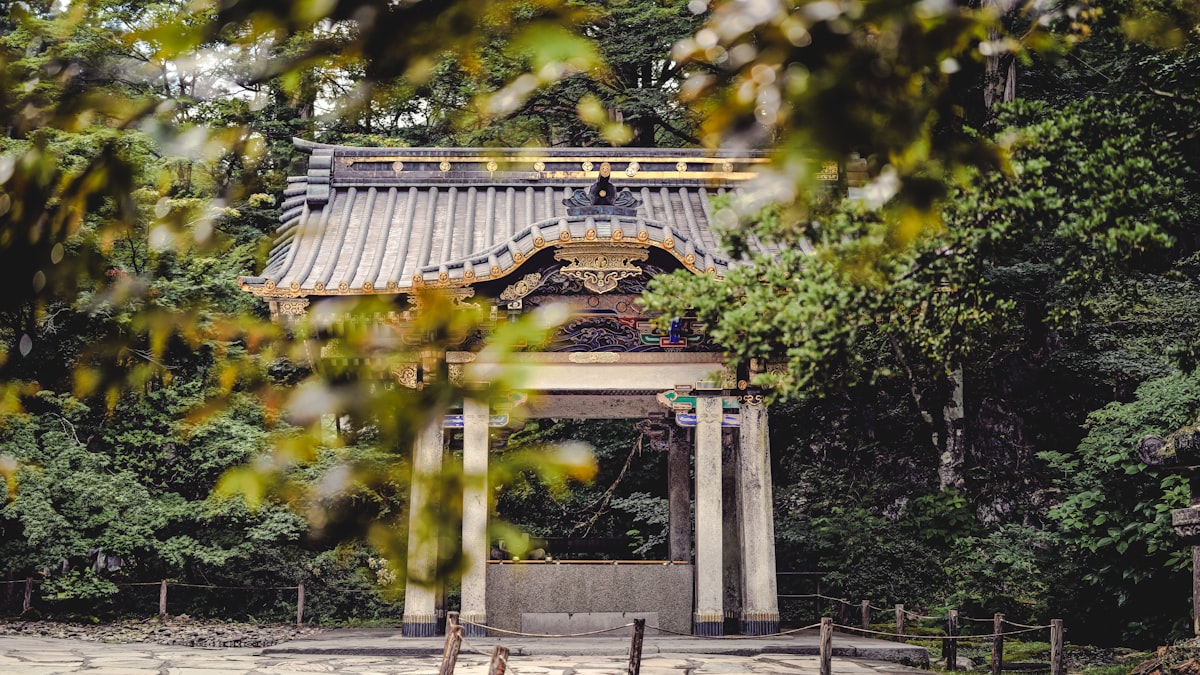
    • Toshogu Shrine — the lavishly decorated mausoleum of shogun Tokugawa Ieyasu; look for the famous “hear/see/speak no evil” monkeys and the sleeping cat.
    • Rinnoji Temple and the surrounding UNESCO-listed shrine complex.
    • Shinkyo Bridge — the iconic vermilion bridge over the river.
    • Kegon Falls — a dramatic 97-meter waterfall near Lake Chuzenji.
    • Lake Chuzenji & Irohazaka — a scenic highland area up a hairpin road (spectacular in autumn).

    Day trip vs overnight

    You can see the shrines as a day trip, but adding the lake and falls (a bus ride up the mountain) makes for a long day — an overnight lets you enjoy the highlands and an onsen too. See other day trips from Tokyo.

    Getting there

    • From Tokyo (Asakusa), the Tobu line runs direct to Nikko in about 2 hours; JR routes also work with the JR Pass.
    • Consider a Nikko area pass if you’ll use the local buses to the lake and falls.
    • Buy an IC card for the trains.

    When to go

    • Autumn is legendary for foliage — and very busy; go early. See autumn leaves in Japan.
    • Spring and summer are lush and cooler than the city.
    • Winter is cold and snowy up the mountain — beautiful but check bus schedules.

    Tips

    • Start early — the shrines and the mountain together fill a full day.
    • The Irohazaka road and buses get congested in peak autumn weekends.
    • Bring layers; the highlands are much cooler than Tokyo. Add it to your itinerary.

    What things cost

    • A combined ticket for Toshogu, Rinnoji, and Futarasan shrines runs about JPY 1,300-1,600, cheaper than paying each entry separately if you plan to see all three.
    • The bus up to Lake Chuzenji and Kegon Falls (via the famous Irohazaka switchback road) costs around JPY 1,150-1,700 one-way from Nikko Station, plus a further JPY 570 for the elevator down to Kegon Falls’ base viewing platform.
    • An overnight stay at a Nikko-area onsen ryokan runs JPY 15,000-30,000 per person with dinner and breakfast, a comfortable way to split the shrine complex and the highlands across two more relaxed days.

    Common mistakes to avoid

    • Underestimating Irohazaka’s traffic on autumn weekends — the switchback road up to the lake becomes a genuine bottleneck during peak foliage, sometimes adding an hour or more to what’s normally a 45-minute bus ride; a weekday visit avoids most of this.
    • Trying to see the shrine complex, the lake, and the falls all in one rushed day trip — it’s technically possible but leaves little time to enjoy any single stop; an overnight is genuinely worth it here more than at many other day-trip destinations.
    • Skipping the sleeping cat carving at Toshogu because it’s small and easy to miss — it’s one of the shrine’s most famous details, tucked above a side gate, and worth specifically looking for.

    Combining Nikko with an onsen stay

    Nikko’s Yumoto Onsen area, further up the mountain past Lake Chuzenji, offers a genuinely quiet alternative to Hakone’s busier hot-spring scene — a good pick if your Tokyo itinerary already includes a different onsen town and you want variety rather than repetition on a longer trip.

    Nikko in each season

    Spring brings fresh greenery and thinner crowds than autumn’s famous foliage rush, summer offers a genuinely cool escape from Tokyo’s heat given the elevation, and winter transforms the highlands into a quiet, snow-dusted scene — each season gives a meaningfully different character to the same shrine complex, worth considering if autumn dates aren’t an option.

  • Kanazawa Travel Guide: Gardens, Gold Leaf & Seafood

    Kanazawa Travel Guide: Gardens, Gold Leaf & Seafood

    Kanazawa is one of Japan’s most rewarding smaller cities — a beautifully preserved castle town with one of the country’s finest gardens, gold-leaf crafts, and superb seafood. Here’s how to visit.

    Top sights

    • Kenrokuen Garden — ranked among Japan’s three great gardens; stunning in every season.
    • Kanazawa Castle — right next to the garden.
    • Higashi Chaya District — atmospheric old teahouse streets, great for gold-leaf treats and crafts.
    • Nagamachi — a preserved samurai quarter.
    • 21st Century Museum of Contemporary Art — playful modern art, including the famous “swimming pool.”

    Food & crafts

    • Omicho Market — fresh seafood; try a kaisendon (seafood rice bowl).
    • Gold leaf (kinpaku) — Kanazawa makes most of Japan’s gold leaf; even gold-topped soft-serve.
    • Kutani ware & Kaga crafts — beautiful ceramics and lacquer; see our Japanese ceramics guide.

    Getting there

    • The Hokuriku Shinkansen connects Tokyo to Kanazawa in about 2.5–3 hours (covered by the JR Pass).
    • It pairs naturally with Takayama & Shirakawa-go by bus for an “old Japan” loop.
    • Easy to add between Tokyo and Kyoto — see our 14-day itinerary.

    How long to stay

    One to two nights is ideal. The center is compact and walkable, with a loop bus linking the main sights; grab an IC card.

    Tips

    • Kanazawa can be rainy — pack a compact umbrella (locals lend them freely here).
    • Go to Kenrokuen early to beat crowds and get soft morning light.
    • Gorgeous in autumn and under snow in winter.

    What things cost

    • Kenrokuen Garden entry is JPY 320, and a combined ticket with Kanazawa Castle Park runs about JPY 500 — both very reasonably priced compared to similar-caliber sights elsewhere in Japan.
    • A kaisendon seafood rice bowl at Omicho Market runs JPY 2,000-4,000 depending on how much premium seafood is piled on top — a genuine highlight meal worth budgeting for rather than treating as a quick snack stop.
    • Gold-leaf soft-serve ice cream (topped with an edible sheet of gold leaf) costs about JPY 900-1,100 in the Higashi Chaya district — more a novelty photo op than a bargain, but a fun one-time try.

    Common mistakes to avoid

    • Visiting Kenrokuen at midday — like most famous Japanese gardens, it’s calmest and best-lit in early morning; arriving at opening avoids both crowds and the harsher midday light for photos.
    • Skipping the loop bus in favor of walking everywhere — Kanazawa’s center is walkable, but the loop bus (with an unlimited day pass) saves real time between the farther-apart sights like the 21st Century Museum and Nagamachi.
    • Forgetting an umbrella — Kanazawa has one of the higher rainfall rates among Japan’s major tourist cities; locals genuinely lend umbrellas at shops and stations as a matter of local hospitality, which tells you something about how often it’s needed.

    Kanazawa as part of a wider “old Japan” route

    Kanazawa connects to Takayama and Shirakawa-go via a scenic direct bus, forming a natural loop through Japan’s preserved historic towns that avoids backtracking through Tokyo or Osaka — a popular add-on for travelers with 10+ days who want depth beyond the standard Golden Route.

    Trying a gold-leaf craft workshop

    Beyond buying finished gold-leaf products, several shops in Kanazawa offer short hands-on workshops (applying gold leaf to a small item like a chopstick set or box) for around JPY 1,500-3,000 — a memorable, inexpensive activity that turns a shopping stop into something you actually made yourself.