Japan Trove

Author: JapanTrove Editorial

  • Shibuya Guide: Crossing, Shopping & Nightlife

    Shibuya Guide: Crossing, Shopping & Nightlife

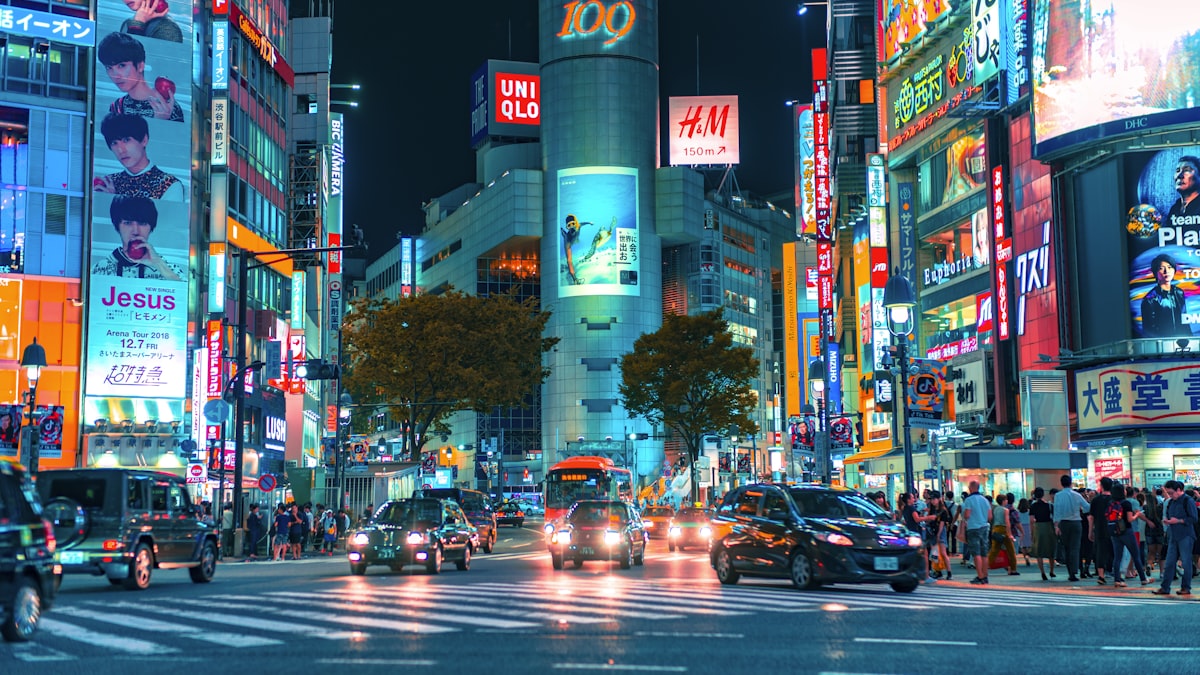
    Shibuya is Tokyo at its most electric — the famous scramble crossing, neon, shopping, and nightlife. Here’s how to make the most of this must-visit district.

    The essentials

    • Shibuya Crossing — the world’s busiest pedestrian crossing; watch it from the Starbucks or a viewing deck.
    • Hachiko statue — the famous loyal-dog meeting spot outside the station.
    • Shibuya Sky — a stunning open-air rooftop observation deck (book ahead).
    • Shibuya Scramble Square & Hikarie — shopping and city views.

    Shopping

    • Shibuya 109 — iconic youth-fashion tower.
    • Don Quijote — souvenirs and everything else; see our Donki guide.
    • Loft & department stores for lifestyle goods.
    • Nearby Harajuku is a short walk for more shopping.

    Food & nightlife

    • Nonbei Yokocho — a tiny alley of atmospheric bars.
    • Center Gai — packed with cheap eats and izakaya.
    • Everything from ramen to izakaya; see must-try Japanese food.

    Getting there & tips

    • Shibuya Station is a major hub — grab an IC card; the station is famously complex, so allow time.
    • The crossing and Shibuya Sky are best at dusk when the neon lights up.
    • Combine with Harajuku and Yoyogi Park for a full day; see our Tokyo guide.

    What things cost

    • Shibuya Sky costs JPY 2,000-2,500 for adults (advance online tickets are usually a bit cheaper than same-day); sunset time slots sell out first and are worth booking days ahead.
    • A meal at one of Center Gai’s casual chains runs JPY 800-1,500; Nonbei Yokocho’s tiny bars typically charge JPY 500-1,000 per drink with a modest table charge at some spots.
    • Shibuya 109’s stock skews toward Japanese youth fashion brands not widely sold abroad, with prices generally in line with mid-range fast fashion (JPY 2,000-8,000 per item).

    Common mistakes to avoid

    • Trying to photograph the crossing from ground level during peak times — the crowd itself blocks most good shots; the Starbucks second floor or Shibuya Sky’s lower observation areas give a much better angle without fighting the crowd for space.
    • Booking Shibuya Sky for a midday slot expecting the famous glowing city view — the sunset and post-sunset slots are dramatically more atmospheric than a daytime visit, and they cost the same.
    • Assuming Shibuya 109 has plus-size or larger Western sizing widely available — sizing runs smaller than many Western brands; trying items on before buying is worthwhile rather than assuming based on your usual size.

    Pairing with a Harajuku-Shibuya day

    Shibuya connects directly to Harajuku via a 10-15 minute walk through the backstreets of Cat Street, making it easy to combine Meiji Shrine’s forest calm, Harajuku’s youth fashion, and Shibuya’s energy into one well-paced day that moves from quiet to loud rather than the reverse.

    Late-night Shibuya

    The area around the station stays lively well past midnight, with izakaya and ramen shops that keep serving into the early hours — a useful thing to know if your flight schedule or jet lag has you wide awake at 1am and hunting for a hot meal, which is a genuinely normal thing to do in this part of Tokyo.
  • Best Japanese Chocolate & Sweets to Buy

    Best Japanese Chocolate & Sweets to Buy

    Some links below are affiliate links. If you buy through them, Japan Trove may earn a small commission at no extra cost to you.

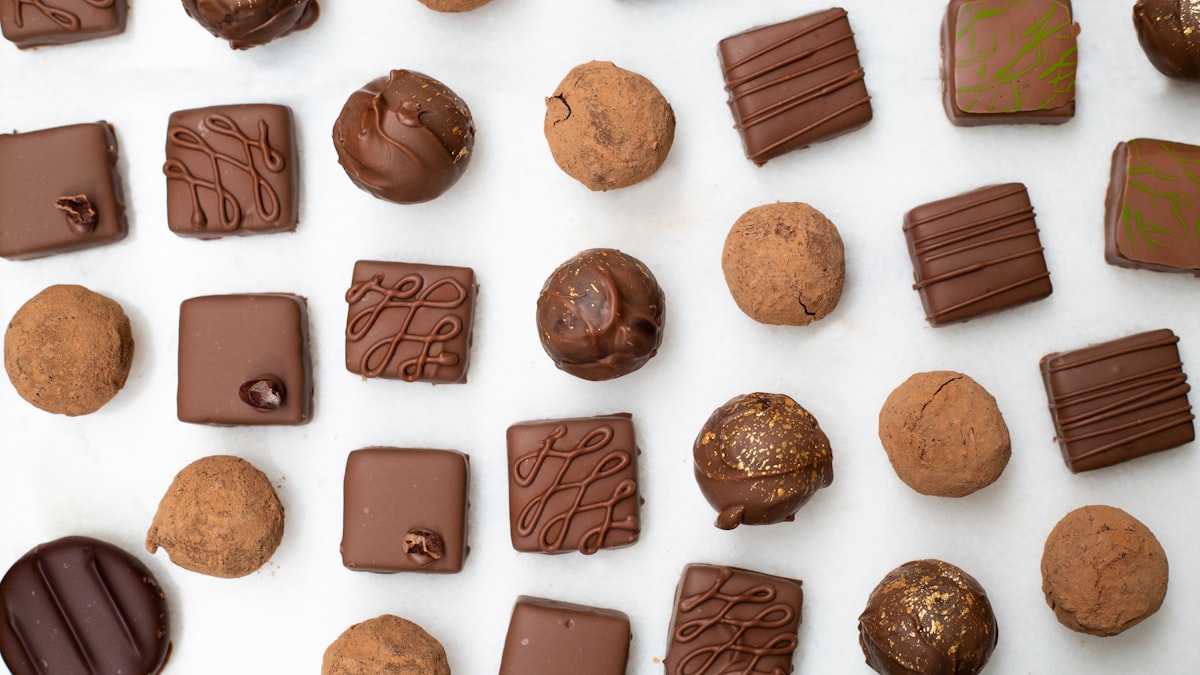
    Japan takes chocolate and sweets seriously — think delicate matcha bars, seasonal Kit Kats, and elegant department-store confections. Here’s what to buy and bring home.

    Convenience-store & supermarket favorites

    • Kit Kats — the famous flavors (matcha, sake, regional specials); see our Kit Kat flavors guide.
    • Meiji & Lotte bars — including matcha and hojicha versions.
    • Pocky & Pretz — endless flavors, great cheap gifts.
    • Shiroi Koibito — Hokkaido’s iconic white-chocolate cookies; see Hokkaido.

    Premium & department-store

    • Royce’ — Hokkaido’s famous “Nama” (fresh) chocolate and chocolate-dipped potato chips.
    • Depachika confections — beautiful boxed chocolates in department-store food halls.
    • Matcha & hojicha sweets — Kyoto is the place; pair with our green tea guide.

    Great edible souvenirs

    • Regional Kit Kats and omiyage (souvenir) sweets sold at stations and airports.
    • Individually wrapped boxes — perfect for sharing at the office.
    • More ideas in best gifts from Japan and snack boxes.

    Where to buy

    Tips

    • Chocolate melts — buy fresh/refrigerated items (like Royce’ Nama) last, and consider cool packs in summer.
    • Buy tax-free over the threshold with your passport.
    • Seasonal and regional editions make the best gifts.

    What things typically cost

    • Konbini and supermarket chocolate bars run JPY 120-250; a full Kit Kat flavor haul of 8-10 varieties runs JPY 1,500-2,500, an easy way to cover several coworkers’ gifts at once.
    • Royce’ Nama chocolate boxes run JPY 800-1,500 and must be kept cool — buy them close to departure or from an airport branch with cold storage rather than early in a hot-weather trip.
    • Depachika confection gift boxes run JPY 1,500-5,000+ depending on the maker and packaging elaborateness, priced as much for presentation as for the chocolate itself.

    Common mistakes to avoid

    • Buying Royce’ or other fresh chocolate too early in the trip — “Nama” (fresh) chocolate has a short shelf life and melts easily; treat it as a last-day purchase, not a first-day one.
    • Packing chocolate in checked luggage during summer without insulation — cargo holds can get hot on the tarmac; a thin insulated bag or wrapping in clothing in your carry-on is safer for anything chocolate-based.
    • Overlooking regional Kit Kat exclusivity — some flavors are sold only in specific regions or airports (Hokkaido, Kyoto, Kansai editions differ), so buying “the” Kit Kat souvenir in Tokyo alone can mean missing region-specific versions.

    Building a well-rounded sweets gift box

    Mixing price points and textures makes a more interesting gift than an all-chocolate box — pair a Royce’ or Meiji bar with a lighter matcha wafer, a pack of Pocky, and one traditional wagashi sweet for a set that shows off Japan’s range rather than just its convenience-store shelf. See our snack box guide if you’d rather have a curated selection shipped instead of shopping in person.

    Airport shopping for last-minute buys

    Major airports like Narita and Haneda carry a surprisingly full selection of regional and department-store confections in their departure areas, so a missed souvenir opportunity earlier in the trip isn’t necessarily a lost cause — budget 20-30 extra minutes after security if you’re planning to finish sweets shopping at the gate.

  • Secondhand Shopping in Japan: Thrift & Luxury Deals

    Secondhand Shopping in Japan: Thrift & Luxury Deals

    Japan is a secondhand paradise — used goods here are famously clean, honestly graded, and cheap. From designer bags to vintage kimono, thrifting is one of the smartest ways to shop. Here’s how.

    Why Japan’s secondhand scene is special

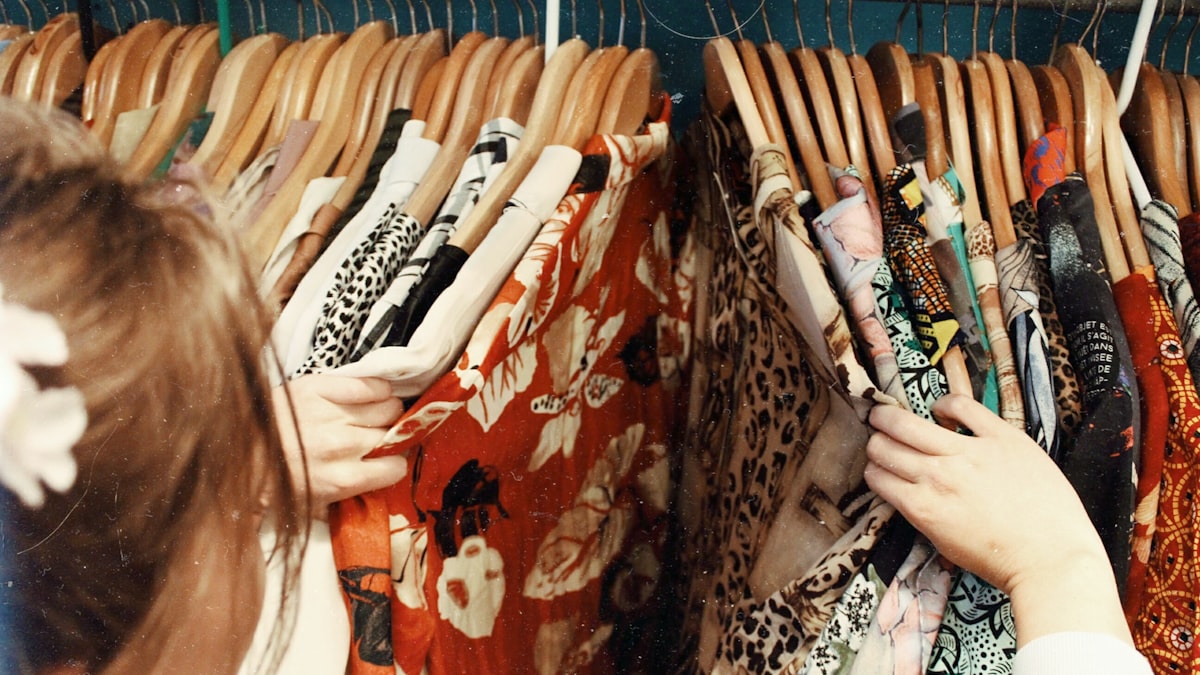
    Japanese resale culture prizes condition and honesty: items are meticulously cleaned, carefully graded, and often look nearly new. Because many owners treat things gently, you’ll find high-quality goods — including luxury — at a fraction of retail.

    The big chains to know

    • Book-Off — used books, manga, games, CDs; see buying manga.
    • Hard-Off / Off-House — electronics, instruments, and general goods.
    • 2nd Street & Mode Off — used fashion and accessories.
    • Mandarake — collectibles, figures, and vintage anime goods; great in Akihabara.

    What to hunt for

    • Luxury bags & watches — reputable resellers authenticate; huge savings. See Japanese watches.
    • Vintage fashion — Shimokitazawa and Koenji in Tokyo are treasure troves.
    • Vintage kimono — beautiful and inexpensive; see the kimono & yukata guide.
    • Cameras, games & collectibles — often mint condition.

    How grading works

    Shops grade items (often S/A/B/C or similar) by condition, with prices to match. Inspect anything electronic or mechanical, and don’t be shy — staff are used to careful browsing.

    Tips

    • Bring your passport — many chains offer tax-free over the threshold.
    • Prices are usually fixed (little haggling), but sales and bargain corners are common.
    • Can’t visit in person? A proxy service can bid on Japanese resale sites and auctions for you.
    • It’s a sustainable, budget-friendly way to find unique gifts.

    What secondhand prices actually look like

    • Used designer bags at reputable resellers (like a well-graded Louis Vuitton or Coach piece) commonly sell 30-60% below retail, with authentication already done by the shop — a real advantage over marketplace buying elsewhere.
    • Book-Off manga runs JPY 100-500 per volume for older or common titles, while rare first editions and complete sets command a premium closer to new pricing.
    • Vintage kimono at secondhand shops often run JPY 2,000-8,000 for pieces that would cost tens of thousands new, since younger generations increasingly don’t want the formal garments passed down from grandparents.

    Common mistakes to avoid

    • Assuming secondhand means poor condition — Japan’s resale culture treats “used” and “well-cared-for” as compatible ideas; genuinely mint-condition electronics, bags, and clothing are the norm at graded shops, not the exception.
    • Skipping the grading label — shops post condition grades (often S, A, B, C) directly on the price tag; learning this system in the first store you visit makes every subsequent shop faster to browse.
    • Not checking working condition on used electronics — reputable shops test and warranty items for a short period, but asking staff to demonstrate a camera or game console before buying is normal practice.

    A neighborhood-based approach

    Rather than hunting individual shops across a city, pick one secondhand-dense neighborhood and spend a half-day there — Shimokitazawa and Koenji in Tokyo cluster dozens of vintage and resale shops within walking distance, making for a far more efficient (and fun) afternoon than crossing town between isolated stores.

    Shipping bulkier secondhand finds

    If a shopping trip turns up more than your suitcase can handle — a stack of manga, a vintage camera, several kimono — most large chains and specialist shops can arrange international shipping for an added fee, which is often cheaper than paying overweight baggage charges at the airport.

  • Japanese Watches: Seiko, Citizen, Casio & Where to Buy

    Japanese Watches: Seiko, Citizen, Casio & Where to Buy

    Some links below are affiliate links. If you buy through them, Japan Trove may earn a small commission at no extra cost to you.

    Japan makes some of the world’s best-loved watches — from affordable icons to serious horology. Buying in Japan can mean great selection and tax-free savings. Here’s the guide.

    The big Japanese brands

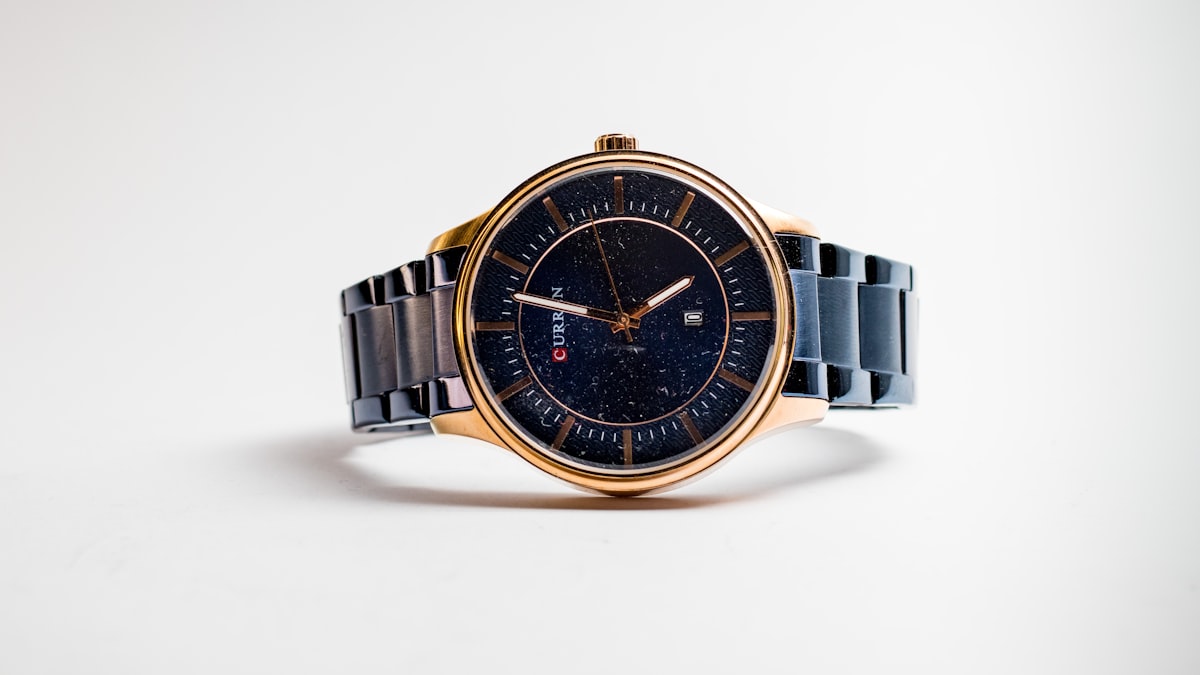
    • Seiko — from the budget-hero Seiko 5 to divers and the higher-end Presage and Prospex lines.
    • Grand Seiko — Seiko’s luxury arm, prized for finishing and the Spring Drive movement.
    • Citizen — famous for Eco-Drive (light-powered) watches; great value.
    • Casio & G-Shock — indestructible everyday and tough watches; cult favorites.
    • Orient — well-loved affordable mechanicals.

    What to buy in Japan

    • Domestic-only (JDM) models — some references are sold only in Japan.
    • Seiko 5 & G-Shock — often cheaper here, with wide selection.
    • Grand Seiko — see the range in person at boutiques and department stores.

    Where to buy

    • Yodobashi & Bic Camera — huge selection, tax-free, English support; see our electronics guide.
    • Department stores for Grand Seiko and premium lines.
    • Don Quijote for cheap Casio/G-Shock — see the Donki guide.
    • Secondhand shops for vintage deals — see secondhand shopping.

    Save money

    • Bring your passport for tax-free shopping — watches are a great tax-free buy.
    • Compare prices between big electronics stores.
    • Check international warranty if it matters to you.

    Tips

    What Japanese watches typically cost

    • Seiko 5 automatics start around JPY 20,000-35,000, often 20-30% cheaper in Japan than equivalent export models sold overseas.
    • G-Shock models run JPY 8,000-25,000 for most of the lineup, with Japan-only colorways and collaborations sometimes commanding resale premiums once discontinued.
    • Grand Seiko starts around JPY 300,000-400,000 for entry mechanical models and climbs well into the millions of yen for high complications — department store boutiques let you compare the full range in person before committing.

    Common mistakes to avoid

    • Assuming every Seiko or Citizen model sold in Japan is available with international warranty — some domestic-market watches carry Japan-only warranty coverage; ask specifically if this matters to you before buying a JDM-exclusive reference.
    • Not comparing prices between Yodobashi/Bic Camera and department store boutiques — electronics megastores often discount mainstream Seiko and Citizen lines more aggressively than a dedicated watch counter, while Grand Seiko pricing tends to be fixed everywhere.
    • Buying a mechanical watch without asking about accuracy specs — entry mechanical movements can run several seconds off per day, which is normal, but some buyers are surprised if they expected quartz-level precision.

    Hunting for JDM-exclusive references

    Some of the most interesting Seiko and Citizen references never get an export version — checking a few Japan-specific watch enthusiast resources before your trip can help you recognize a genuinely exclusive piece on a store shelf rather than assuming everything sold in Japan is also sold abroad under a different name.

    Buying as a special-occasion gift

    A watch is one of the few souvenirs that gains meaning with age rather than losing it, making it a popular choice for milestone trips — engraving services are sometimes available at department store counters for an added fee, worth asking about if you want to personalize a Seiko or Citizen purchase for someone back home.

  • Kimono & Yukata: Rent, Buy & What to Know

    Kimono & Yukata: Rent, Buy & What to Know

    Some links below are affiliate links. If you buy through them, Japan Trove may earn a small commission at no extra cost to you.

    A kimono or yukata makes a beautiful souvenir — and wearing one is a highlight for many visitors. Here’s the difference, whether to rent or buy, and how to shop smart.

    Kimono vs yukata

    • Kimono — the formal, lined robe worn year-round; more layers, more expensive, more involved to wear.
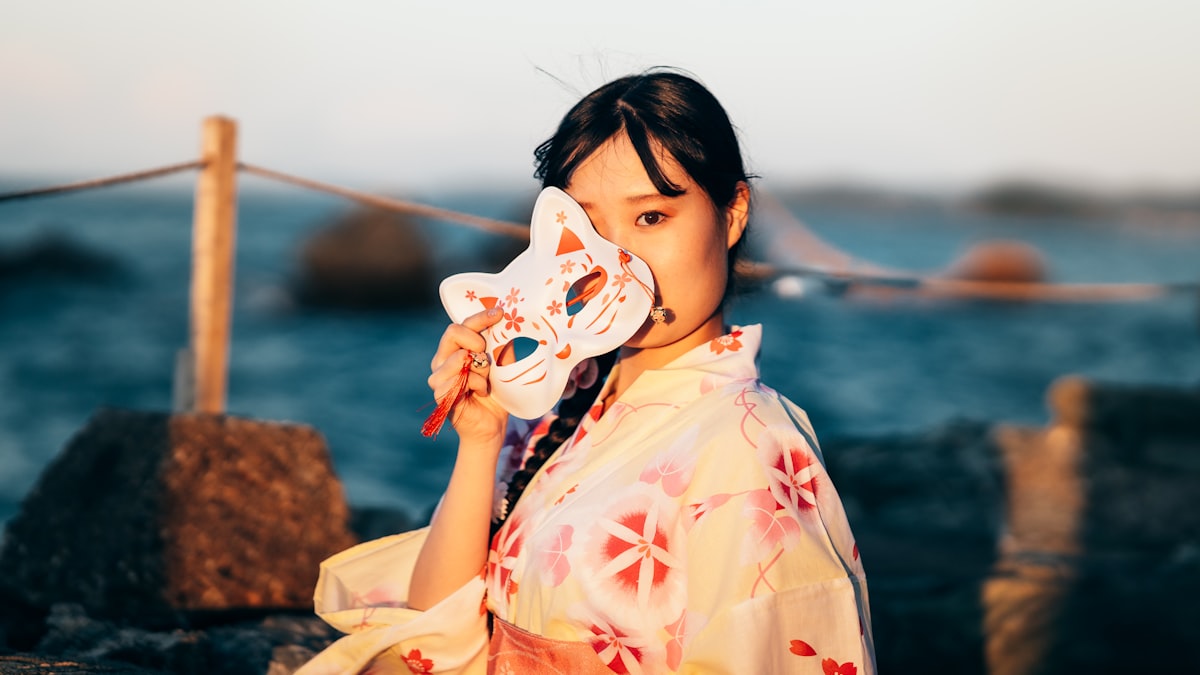
    • Yukata — a light, casual cotton kimono for summer and festivals (and onsen towns). Cheaper and easy to wear — the best pick for most travelers.

    Rent or buy?

    • Rent for the experience — rental shops in Kyoto, Asakusa, and Kanazawa dress you and style your hair, perfect for strolling and photos.
    • Buy a yukata as a wearable souvenir — affordable, packs flat, and easy to wear at home.
    • Buy a quality kimono if you want a keepsake; vintage kimono are gorgeous and often inexpensive secondhand.

    What you need to wear one

    A yukata set typically includes the robe, an obi (sash), and often geta (wooden sandals). For kimono you’ll also want the under-layers and accessories — rental shops handle all of this for you.

    Where to buy

    • Department stores & specialty shops for new pieces; bring your passport for tax-free.
    • Vintage & secondhand — see our secondhand shopping guide for beautiful, affordable used kimono.
    • Don Quijote and tourist areas for cheap yukata; see the Donki guide.
    • From abroad: yukata and accessories on Amazon , or a proxy service for vintage finds.

    Tips

    • Rent early in the day and book ahead in peak seasons like cherry blossom time.
    • Left side over right when wrapping — right over left is only for the deceased.
    • A yukata is a lovely, lightweight gift too.

    What rental and purchase typically cost

    • A basic yukata rental runs JPY 3,000-5,000 for a half-day including simple hair styling; premium kimono rental packages with full hair and makeup run JPY 8,000-20,000.
    • A new yukata set (robe, obi, sandals) bought to take home runs JPY 5,000-15,000 depending on fabric quality, while a basic printed cotton yukata from Don Quijote can be found for JPY 3,000-4,000.
    • Vintage silk kimono at secondhand shops often sell for JPY 2,000-10,000, a fraction of new formal kimono prices which can run into the hundreds of thousands of yen for high-quality silk.

    Common mistakes to avoid

    • Booking a rental for late afternoon — most shops require return by early evening (often 6-7pm), so a late-morning or early-afternoon booking gives you the most time to actually wear and enjoy it.
    • Wrapping the robe right-over-left — this is reserved specifically for dressing the deceased; left-over-right is the correct, everyday wrap, and rental shop staff will always double check this for you if you’re dressing yourself.
    • Choosing uncomfortable geta sandals without trying a short walk first — they take some getting used to; ask staff for a slightly looser fit if you plan to walk for hours rather than just take photos.

    Where the experience feels most authentic

    Renting in a neighborhood with matching architecture — Kyoto’s Higashiyama lanes or Kanazawa’s Higashi Chaya district — makes for far better photos and a more immersive feel than wearing a kimono against a modern city backdrop; many rental shops in these areas are positioned specifically for this reason.

    Caring for a purchased piece afterward

    Silk kimono require dry cleaning by a specialist familiar with the fabric and construction, not a standard home wash — if you buy a quality piece rather than a simple cotton yukata, ask the shop for basic care instructions, since improper washing can permanently damage the fabric and structure.

  • Harajuku Guide: Fashion, Street Food & Meiji Shrine

    Harajuku Guide: Fashion, Street Food & Meiji Shrine

    Harajuku is Tokyo’s capital of youth fashion, kawaii culture, and street snacks — a must-wander neighborhood. Here’s how to explore it, from the famous crepes to the calm of Meiji Shrine.

    The two sides of Harajuku

    • Takeshita Street — the packed, colorful heart of teen fashion, character shops, and rainbow cotton candy.
    • Omotesando — the elegant, tree-lined “Champs-Elysees of Tokyo” with flagship stores and striking architecture.
    • Ura-Harajuku (Cat Street) — backstreets of independent boutiques, streetwear, and cafes.

    What to do

    • Street snacks — Harajuku crepes, rainbow treats, and trendy sweets.
    • Shopping — from cheap teen fashion to Japanese fashion brands and vintage.
    • Meiji Shrine — a serene forest shrine right next door; a beautiful contrast to the buzz.
    • Yoyogi Park — great for people-watching, especially on weekends.

    Shopping tips

    • Takeshita Street is best on a weekday to avoid the crush.
    • Hunt vintage in the backstreets; flagship brands line Omotesando.
    • Bring your passport for tax-free at larger stores.
    • Grab beauty and drugstore buys and J-beauty makeup nearby.

    Getting there

    Harajuku Station (JR Yamanote line) and Meiji-jingumae drop you right in it. Grab an IC card. It pairs perfectly with neighboring Shibuya — see our Tokyo guide.

    Tips

    • Go late morning; combine with Meiji Shrine early before the crowds.
    • Weekends are peak for street fashion spotting but very busy.
    • Cash helps at small stalls — see money in Japan.

    What things typically cost

    • A Harajuku crepe runs JPY 500-900 depending on toppings; budget an extra crepe or drink stop since the street’s stalls are genuinely part of the experience, not just a photo backdrop.
    • Takeshita Street fashion runs cheap — JPY 500-3,000 for most character goods and teen fashion items — while Omotesando’s flagship boutiques sit at full international luxury pricing just a few minutes’ walk away.
    • Meiji Shrine and Yoyogi Park are both free, making Harajuku one of the more budget-friendly full-day Tokyo districts if you skip the shopping entirely and focus on people-watching and the shrine grounds.

    Common mistakes to avoid

    • Visiting Takeshita Street on a weekend afternoon expecting to move freely — it’s one of the most densely crowded streets in Tokyo at peak times; a weekday morning gives a completely different, walkable experience of the same shops.
    • Skipping Meiji Shrine because it seems like “just another shrine” — the approach through old-growth forest is a genuinely calming contrast to Takeshita Street’s crowds just a few minutes away, and most visitors are struck by how different the two areas feel.
    • Missing Ura-Harajuku (Cat Street) in favor of only the main strips — the backstreets have far better browsing for adult, less character-driven fashion and coffee shops away from the crowds.

    A half-day sequencing tip

    Visit Meiji Shrine first thing in the morning while it’s quiet and cool, then let the crowds build naturally as you move into Takeshita Street and Omotesando later — doing it in reverse means fighting shrine crowds after they’ve built up from tour groups arriving mid-morning.

    Combining with the rest of west Tokyo

    Harajuku sits within easy walking distance of both Shibuya and Shinjuku, making it natural to treat as the middle stop of a longer west-Tokyo day rather than a standalone destination — most visitors find one full morning-to-afternoon block here is enough before moving on to the next district’s different energy.

  • Japan in Winter: Snow, Onsen, Skiing & What to Pack

    Japan in Winter: Snow, Onsen, Skiing & What to Pack

    Some links below are affiliate links. If you book through them, Japan Trove may earn a small commission at no extra cost to you.

    Winter is one of Japan’s most magical (and underrated) seasons — world-class powder snow, steaming hot springs, illuminations, and far fewer crowds. Here’s what to do and know.

    Why visit in winter

    • Powder skiing — some of the best snow on earth.
    • Onsen in the snow — soaking outdoors while it snows is unforgettable; see best onsen towns.
    • Winter illuminations light up cities from November through February.
    • Fewer crowds & clear Fuji views — see how to see Mt. Fuji.

    Where to go

    • Hokkaido — Niseko’s powder, the Sapporo Snow Festival, and seafood; see things to do in Hokkaido.
    • Nagano & the Japan Alps — skiing plus the famous snow monkeys.
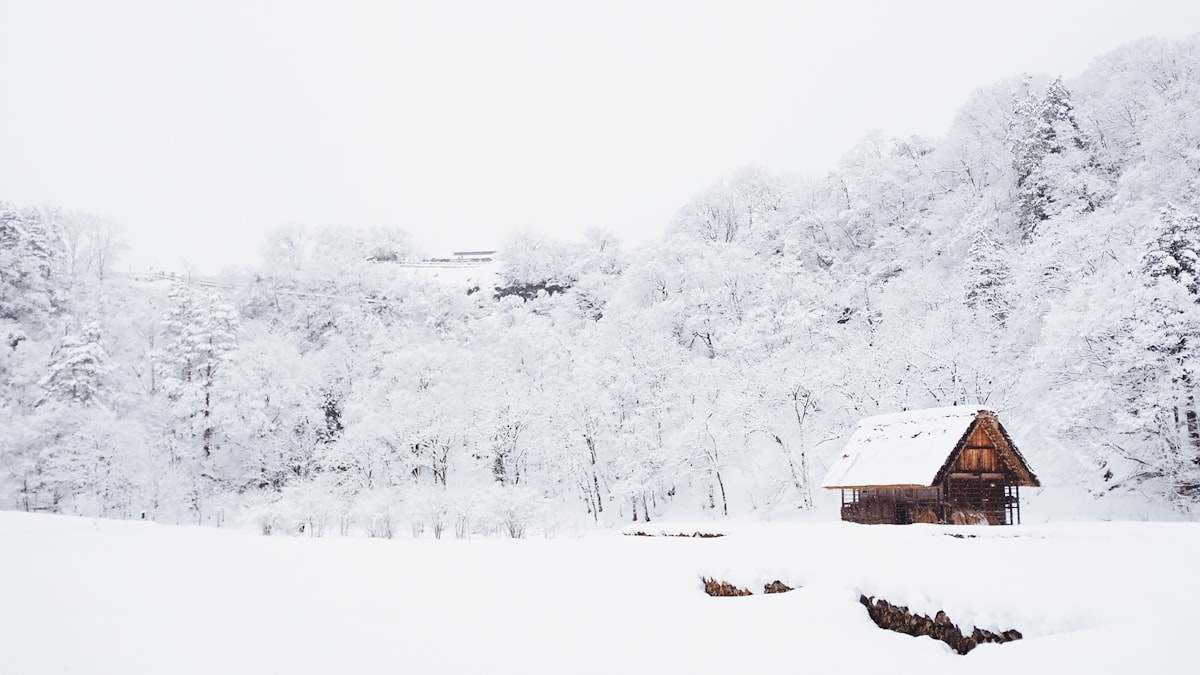
    • Shirakawa-go — thatched farmhouses under snow; see Takayama & Shirakawa-go.
    • Tokyo & Kyoto — cold but usually snow-light, great for illuminations and quiet temples.

    Skiing basics

    • Season runs roughly December to March/April; January–February is peak powder.
    • Resorts rent gear and offer English lessons — easy for beginners.
    • Book snow-season accommodation early — compare on Booking.com .

    What to pack

    Good to know

    • New Year (Dec 29–Jan 3) brings closures and busy travel — plan around it.
    • Northern regions get serious snow; check transport in bad weather.
    • Use luggage forwarding to send ski gear or bags ahead.

    What a winter trip typically costs

    • Ski resort lift passes run JPY 5,000-8,000/day at major Niseko and Nagano resorts, with multi-day passes offering a modest per-day discount; equipment rental adds another JPY 4,000-7,000/day for a full set.
    • Winter illuminations in cities are free to view, though some, like Tokyo’s larger displays, have a designated ticketed section for premium viewing at JPY 500-1,500.
    • Onsen ryokan rates in ski towns often run higher in peak January-February powder season than in the shoulder months either side, so booking December or March can mean meaningfully better rates for a similar snow experience.

    Common mistakes to avoid

    • Assuming Tokyo and Kyoto get heavy snow — both cities get cold but see relatively little snowfall most winters; travelers picturing snowy temple photos should look to Kanazawa, Takayama, or Tohoku instead.
    • Underpacking for indoor heat contrast — Japanese buildings and trains run warm indoor heating, so a system of easily removable layers matters more than one very heavy coat.
    • Not checking New Year closures — many restaurants, shops, and some attractions close for several days around January 1st; a New Year’s trip needs different research than a normal winter visit.

    Combining snow and city in one trip

    A popular winter structure pairs 2-3 nights in Hokkaido or Nagano for snow and onsen with the remainder of the trip in Tokyo or Kyoto for illuminations, museums, and indoor culture — giving you both the postcard powder shots and comfortable, less weather-dependent city days.

    Beginner skiing and snowboarding notes

    Major resorts like Niseko and those around Nagano run English-language lesson programs specifically built for the large number of foreign beginners who visit each winter — a half-day group lesson (roughly JPY 6,000-10,000) is a practical, safe way to try the sport for the first time rather than heading straight to a lift alone.

  • Tsukiji vs Toyosu: Tokyo’s Fish Markets & Best Sushi

    Tsukiji vs Toyosu: Tokyo’s Fish Markets & Best Sushi

    Tokyo’s fish markets are a foodie pilgrimage — but there’s confusion about Tsukiji vs Toyosu since the big move. Here’s the clear guide to visiting both, and eating the best sushi breakfast of your life.

    Tsukiji vs Toyosu — what changed

    • Toyosu Market — the wholesale market (and famous tuna auction) relocated here. This is where the big trading and the auction viewing now happen.
    • Tsukiji Outer Market — the beloved street of food stalls, knife shops, and restaurants stayed in Tsukiji and is still thriving. This is the easy, fun one for most visitors.

    Tsukiji Outer Market (easiest)

    • Wander stalls selling fresh sushi, grilled seafood, tamagoyaki, and street snacks.
    • Buy Japanese kitchen knives and kitchenware.
    • Go early morning — many stalls wind down by early afternoon; some close Sundays/Wednesdays.

    Toyosu Market (the auction)

    • View the tuna auction from observation decks (early morning; advance registration may be required for the closest viewing).
    • Excellent sushi restaurants inside — expect queues for the famous ones.
    • It’s more sterile/modern than old Tsukiji, but it’s the real working market.

    Eating tips

    • Come hungry and early — a sushi or seafood-don breakfast here is unforgettable. More in must-try Japanese food.
    • Carry cash; many small stalls don’t take cards — see money in Japan.
    • Be respectful: it’s a working market — don’t block carts or touch produce.

    Getting there

    Tsukiji is central (Tsukiji/Tsukijishijo stations); Toyosu is on the Yurikamome line. Grab an IC card and add it to your Tokyo plan.

    What things cost

    • A sushi breakfast at Tsukiji’s outer market runs JPY 2,000-5,000 for a generous sit-down set, or JPY 1,000-2,000 for standing-bar or takeaway sushi from a stall.
    • Toyosu’s inner-market sushi restaurants, made famous by long pre-pandemic queues, still often require waiting 30-90 minutes even on weekday mornings for the best-known counters.
    • Tuna auction viewing at Toyosu is free but requires early registration (often via a lottery-style online booking released a couple of months ahead) for the closest observation deck — a general, more distant viewing deck is available without booking.

    Common mistakes to avoid

    • Going to Toyosu expecting Tsukiji’s old street-stall atmosphere — Toyosu is a modern, sterile wholesale facility built for efficiency, not tourism; if the atmosphere and street food matter more to you than the actual auction, stick to Tsukiji’s outer market.
    • Arriving after 10am expecting the same energy as opening hours — both markets wind down significantly by late morning, with many stalls and restaurants closing by early afternoon.
    • Visiting on a market holiday — both markets close on scheduled days (varying, often Sundays and some Wednesdays); check the current calendar before planning around this specific stop.

    Making the early start worthwhile

    Since both markets reward an early arrival, consider staying somewhere within a short taxi ride the night before — arriving groggy after a long train transfer undercuts much of the appeal of catching the market at its liveliest, freshest hours.

    Combining with a wider Tokyo food day

    A market breakfast pairs naturally with an afternoon in nearby Ginza, a short taxi or train ride away — treating the market as the start rather than the entirety of a food-focused day makes better use of the early start than heading back to the hotel right after.

  • teamLab Tokyo: Borderless vs Planets & How to Visit

    teamLab Tokyo: Borderless vs Planets & How to Visit

    Some links below are affiliate links. If you book through them, Japan Trove may earn a small commission at no extra cost to you.

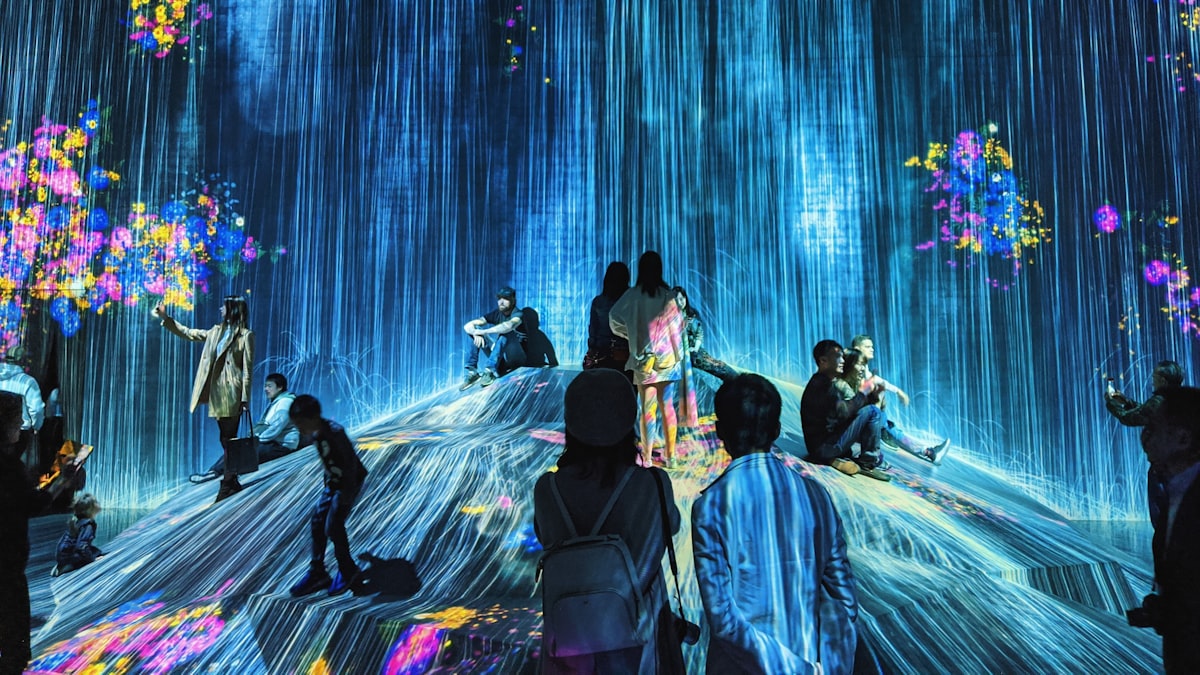
    teamLab’s digital art museums are among Tokyo’s most Instagrammed experiences — immersive rooms of light, water, and projections you walk right through. Here’s how to visit.

    The two Tokyo museums

    • teamLab Borderless — a maze-like world of artworks that move between rooms, with no fixed map; endlessly explorable.
    • teamLab Planets — a barefoot experience where you wade through water and soft moss gardens; often the more popular of the two.

    They’re different museums in different locations — check which one you’re booking. (Venues and locations occasionally change, so confirm the current details.)

    Tickets — book ahead

    • These sell out; buy timed-entry tickets in advance, not at the door.
    • Book via the official site or on Klook .
    • Arrive on time — entry is by slot.

    What to wear & know

    • teamLab Planets: you’ll walk through knee-deep water — wear or bring shorts/rollable pants; you go barefoot (lockers provided).
    • Mirrored floors are common — skirts aren’t ideal (wraps are usually offered).
    • Great for photos, but be present too — the experience is the point.

    Who it’s for

    Fantastic for couples, families, and photography lovers; see Japan with kids if traveling with little ones. It’s a 1.5–2 hour highlight to slot into a Tokyo day.

    Getting there

    Both are reachable by train around Tokyo Bay — grab an IC card and an eSIM, and pair it with the rest of our Tokyo guide.

    What tickets cost

    • Standard adult tickets run JPY 3,800-4,800 depending on the venue and date, with weekday tickets sometimes priced lower than weekends and holidays.
    • Budget 2-3 hours minimum at either venue — Borderless especially rewards a slower pace since rooms shift and move over time, meaning a second pass through the same room can look completely different.
    • A locker is included in admission for storing shoes and bags at Planets, so there’s no extra cost beyond the ticket itself for the barefoot, wet-floor sections.

    Common mistakes to avoid

    • Booking the wrong venue by mistake — Borderless and Planets are separate museums with different art and different rules (Planets requires bare feet and rolled-up pants due to water; Borderless doesn’t); double-check which one you actually booked before arrival.
    • Wearing a long skirt or dress to Planets — the water walking sections make this impractical, and while wraps are sometimes offered, arriving already dressed appropriately avoids relying on them.
    • Rushing through in under an hour — both museums are designed for slow, repeated wandering; visitors who treat it as a quick photo stop rather than lingering in each room tend to leave less satisfied.

    Getting the best photos without missing the experience

    It’s tempting to spend the whole visit through a phone screen, but staff and repeat visitors consistently note that the most striking rooms are best experienced by putting the phone away for a few minutes first, then returning for photos once you’ve actually taken in the scale and movement of the installation.

    Visiting with kids versus a date-night crowd

    Both venues genuinely work for either audience — families with young kids tend to gravitate toward Planets’ hands-on water and moss areas, while couples often prefer Borderless’s more atmospheric, dimly lit rooms; if you’re choosing just one venue for a mixed-age group, Planets’ interactive nature usually holds children’s attention longer.

  • Hakone Travel Guide: Onsen, Mt. Fuji Views & the Loop

    Hakone Travel Guide: Onsen, Mt. Fuji Views & the Loop

    Some links below are affiliate links. If you book through them, Japan Trove may earn a small commission at no extra cost to you.

    Hakone is the classic hot-spring escape from Tokyo — onsen ryokan, Mt. Fuji views, open-air art, and a fun loop of quirky transport. It’s a perfect one- or two-night trip. Here’s how to do it.

    The Hakone loop

    Half the fun is the circuit of transport that links the sights: train, switchback railway, cablecar, ropeway, and a pirate-ship cruise on Lake Ashi. The Hakone Free Pass covers most of it and saves money.

    What to see & do

    • Onsen — the whole point; soak at a ryokan or day-use bath. Tattooed? See our tattoo & onsen guide.
    • Owakudani — a volcanic valley with steam vents and black eggs boiled in the springs.
    • Lake Ashi — Fuji views and the Hakone Shrine torii on the water.
    • Hakone Open-Air Museum — sculptures and a Picasso collection.
    • Mt. Fuji views — on clear days; see how to see Mt. Fuji.

    Where to stay

    Hakone is ryokan country — book one with an onsen (private baths help if you have tattoos). Reserve early for weekends and autumn; compare on Booking.com .

    Getting there

    • About 1.5 hours from Shinjuku on the Odakyu line (the Romancecar is a comfy direct option).
    • The Hakone Free Pass bundles the round trip plus the loop transport.
    • Grab an eSIM for maps and timetables.

    Day trip vs overnight

    You can loop Hakone as a long day trip, but staying overnight lets you enjoy the onsen properly and catch clearer morning Fuji views. Fold it into a 7-day itinerary.

    What things cost

    • The Hakone Free Pass runs about JPY 6,100 from Shinjuku (2-day) and covers the round-trip Odakyu train plus unlimited use of the local loop transport — generally cheaper than paying for the train, cablecar, ropeway, and boat separately if you’re using more than two or three of them.
    • A ryokan stay with dinner and breakfast runs JPY 20,000-45,000 per person depending on the property and whether the room has a private bath — Hakone’s proximity to Tokyo means it commands slightly higher prices than more remote onsen towns.
    • Owakudani’s famous black eggs (kuro-tamago) cost about JPY 500 for a pack of five, said to add years to your life — a fun, inexpensive stop at the volcanic valley regardless of whether you believe the legend.

    Common mistakes to avoid

    • Trying to do the full loop in a single rushed day trip — while technically possible, cramming the train, cablecar, ropeway, boat cruise, and museum into one day from Tokyo leaves little time to actually enjoy any single stop; an overnight ryokan stay changes the whole pace of the visit.
    • Skipping ropeway operation checks — the Owakudani section occasionally closes due to volcanic gas activity; check current status before planning your day around it specifically.
    • Booking a ryokan without confirming bath type if you have tattoos — private in-room baths sidestep any policy question entirely; see our tattoo and onsen guide if choosing a shared bath instead.

    Best season for Fuji views from Hakone

    Winter and early spring mornings offer the clearest odds of an unobstructed Mt. Fuji view from Lake Ashi’s pirate ship cruise or the Hakone Shrine torii gate, since summer humidity and haze frequently obscure the mountain even on otherwise clear days.

    Day trip vs overnight, revisited

    If time genuinely only allows a day trip, prioritize either the Owakudani-Lake Ashi loop or a single onsen day-use visit rather than trying for both — attempting the complete circuit plus a proper bath in one day from Tokyo usually means rushing the transport loop to make a return train, which defeats much of the point of a relaxing Hakone visit.