Japan Trove

Category: Uncategorized

  • Dashi: A Buyer’s Guide to Japan’s Umami Soup Stock (Kombu, Katsuobushi & Hondashi)

    Dashi: A Buyer’s Guide to Japan’s Umami Soup Stock (Kombu, Katsuobushi & Hondashi)

    Photo by Redd Francisco on Unsplash

    Dashi is the quiet backbone of Japanese cooking — the clear, savory stock that gives miso soup, noodle broths, and simmered dishes their depth without tasting “fishy” or heavy. If you’ve ever wondered why a bowl of soup at a Tokyo noodle counter tastes richer than anything you can replicate at home, the answer is almost always dashi. It’s also one of the most practical, lightweight souvenirs you can bring back from Japan — unlike ceramics or knives, a bag of dried kelp weighs almost nothing in your suitcase. This guide covers what dashi actually is, which type to buy for your kitchen, where to find good versions in Japan, and the mistakes that trip up most first-time buyers.

    What Dashi Actually Is

    Dashi is not a single ingredient but a category of stock built from one or more umami-rich bases, most commonly dried kelp (kombu) and dried, fermented bonito flakes (katsuobushi). Unlike Western stocks that simmer for hours, traditional dashi is made in minutes — kombu is steeped gently, katsuobushi is added briefly off the heat, and the solids are strained out. The result is a light, clean-tasting liquid that forms the base of miso soup, udon and soba broth, chawanmushi, and countless simmered vegetable and fish dishes. If you’ve had toshikoshi soba on New Year’s Eve, the broth you slurped was almost certainly a kombu-katsuobushi awase dashi.

    The Main Types: Kombu, Katsuobushi, and Awase Dashi

    Kombu is dried kelp, harvested mostly off Hokkaido. Quality and price vary a lot by region: everyday Rishiri or Hidaka kombu runs roughly JPY 800–1,500 for a 100g pack at a supermarket or department store food hall, while prized Rausu kombu — prized for its sweeter, rounder flavor — can run JPY 2,500–4,000 or more for the same weight at a specialty shop. Look for thick, matte, dark-green sheets with a faint white bloom on the surface (that’s natural mannitol, a sign of good umami, not mold).

    Katsuobushi is bonito that’s been boiled, smoked, dried, and in the best versions, aged with koji mold over months, then shaved into delicate flakes just before use. Pre-shaved bags (around JPY 300–600 for 30–50g) are fine for daily cooking, but a whole aged block (katsuobushi honbushi) shaved fresh with a dedicated wooden box (katsuobushi-ki) has a completely different aroma — smokier, more complex — and makes a genuinely impressive gift for a cooking-minded friend.

    Awase dashi simply means a blend of both, usually kombu steeped first and katsuobushi added at the end. Packaged kombu-and-katsuobushi combo bags, sold specifically for home dashi-making, are a smart one-stop buy if you don’t want to source each component separately.

    Hondashi and Other Instant Dashi Powders

    If making stock from scratch isn’t realistic once you’re home, instant dashi powder is the practical answer. Ajinomoto’s Hondashi is the market leader — a granulated bonito-based powder sold in boxes of individual sachets (about JPY 400–550 for a box of roughly 50 sachets at any supermarket or convenience store) or in a larger resealable canister. It dissolves instantly in hot water and is what most Japanese home cooks actually use on a weeknight, despite the romantic image of hand-shaved bonito. Other brands worth knowing: Shimaya and Riken make similar granulated dashi, and Riken in particular has a cult following for its cleaner, less salty taste. Check the ingredient list if you’re avoiding MSG or fish-derived products — some brands make dedicated “no additive” (muten’ka) or vegan kombu-only versions, usually shelved near the regular boxes but priced about 30–50% higher.

    Where to Buy Good Dashi in Japan

    For supermarket-grade Hondashi and packaged kombu, any grocery store, Don Quijote, or airport souvenir shop will do. For something better, seek out a specialist:

    • Ninben (Nihonbashi, Tokyo) — a katsuobushi maker in business since 1699, with a flagship store and the Nihonbashi Dashi Bar attached, where you can taste dashi made to order (roughly JPY 200–300 per cup) before buying shaved bonito or gift sets. Open daily, roughly 10am–7pm; a short walk from Nihonbashi Station.
    • Tsukiji Outer Market (Tokyo) — several long-running dried goods stalls sell loose kombu and katsuobushi by weight, with staff happy to recommend grades for beginners. Most shops open around 5am–2pm and many close on Sundays and some Wednesdays, so go on a weekday morning.
    • Kuromon Ichiba Market (Osaka) — similar dried-goods stalls, generally open daily from about 9am–5pm, with a more tourist-friendly pace than Tsukiji. If you’re buying dashi ingredients in Osaka, it’s also worth detouring to Sakai’s knife district to pick up a hangiri or a well-balanced vegetable knife for the kitchen you’ll be using them in.
    • Department store food halls (depachika) — Takashimaya, Isetan, and Daimaru basements stock premium kombu and katsuobushi gift boxes, nicely packaged for travel and often vacuum-sealed, which matters for customs and freshness.

    Best Season and Timing for Buying

    Kombu is harvested in summer (roughly July to September) off Hokkaido and dried on shore before being sold, so freshly harvested kombu tends to appear in shops from autumn onward. That said, properly dried kombu and katsuobushi are shelf-stable and sold year-round — there’s no real “wrong” season to buy, unlike with fresh produce. The one timing note worth keeping in mind: dried goods markets like Tsukiji’s outer market are quieter and better-stocked on weekday mornings, before tour groups arrive, and staff have more time to explain grades and recommend what suits home cooking versus restaurant-style dashi.

    Common Mistakes Buyers Make

    The most frequent mistake is buying kombu or katsuobushi as a souvenir and never using it, because the resulting dashi “didn’t taste like much” — usually because the kombu was boiled hard instead of steeped gently, which turns it slimy and bitter rather than clean and sweet. Another is buying pre-shaved katsuobushi in bulk; once a bag is opened, the delicate aroma fades within a few weeks, so a smaller bag used promptly beats a large one that goes stale in a cupboard. Travelers also sometimes assume Hondashi is “lesser” than homemade dashi — it isn’t inferior, just different in character, and it’s genuinely what most Japanese households use daily. Finally, check whether a product is pure kombu/katsuobushi or an “awase” blend before buying multiples of each; many visitors end up with three bags of essentially the same stock.

    Budget, Mid-Range, and Splurge Picks

    For a budget buy, a box of Hondashi sachets (JPY 400–550) or a basic bag of pre-shaved katsuobushi (JPY 300–400) from any supermarket covers you completely and packs flat in a suitcase. For mid-range, a packaged awase dashi kombu-and-bonito set (JPY 1,000–2,000) from a depachika food hall makes a solid, giftable option that performs noticeably better than instant powder. For a splurge, a boxed set from Ninben pairing aged katsuobushi honbushi with a wooden shaving box, or a specialty-grade Rausu kombu gift pack, runs anywhere from JPY 3,000 to JPY 8,000+ and makes a genuinely memorable gift for anyone serious about cooking. Whichever tier you choose, keep dashi ingredients in a sealed bag away from humidity — Japan’s convenience-store-level vacuum packaging travels well, but once opened, use katsuobushi within a few weeks and kombu within a few months for the best flavor.
  • Randoseru: Japan’s Iconic School Backpack and Why Adults Collect Them Too

    Randoseru: Japan’s Iconic School Backpack and Why Adults Collect Them Too

    Photo by PJH on Unsplash

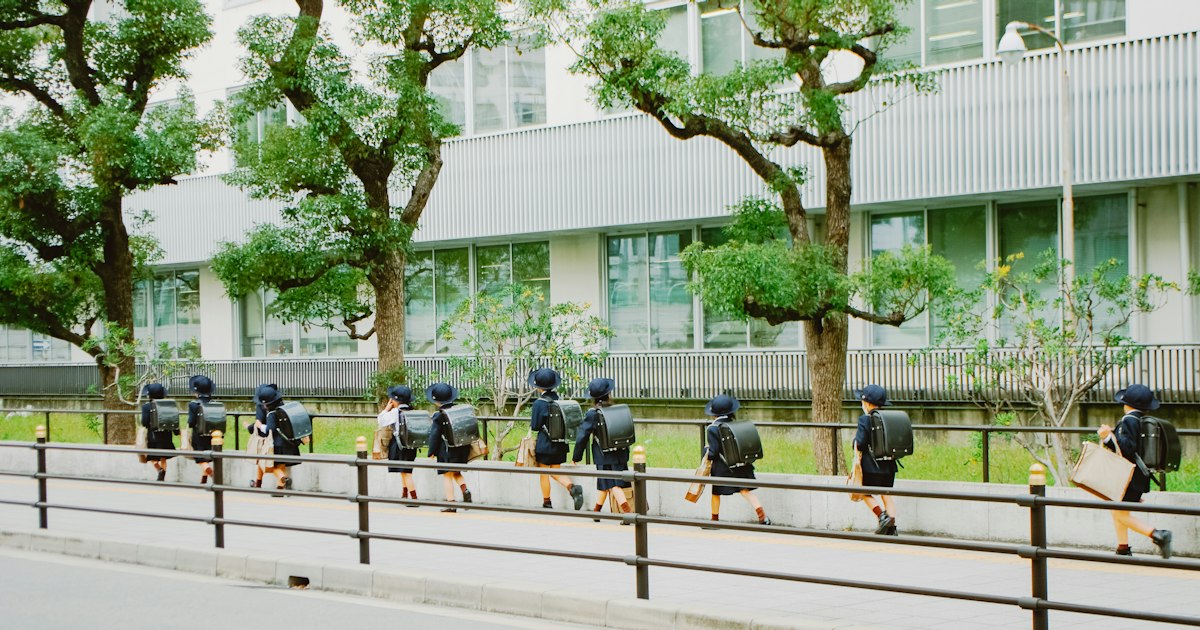
    If you’ve spent any time near a Japanese train station in the morning, you’ve seen them: rows of small children marching to school with stiff, boxy leather backpacks strapped to their shoulders. That’s the randoseru, and it’s one of the most recognizable symbols of Japanese childhood — so recognizable, in fact, that adults now collect vintage and designer versions as fashion pieces, art objects, and nostalgia souvenirs. Here’s what the randoseru actually is, why it costs so much, and where to buy one whether you’re shopping for a child or yourself.

    What exactly is a randoseru?

    A randoseru is a hard-sided backpack, traditionally made of leather or heavy synthetic leather, used by nearly all Japanese children from the first day of elementary school (around age 6) through sixth grade (age 12). The name comes from the Dutch word “ransel” (backpack), a holdover from when the Dutch military satchel design was adopted by Japan in the late 19th century. The boxy shape isn’t just tradition — it’s structural. The rigid frame protects textbooks, distributes weight evenly across both shoulders, and is built to survive six years of daily abuse, including being thrown, sat on, and rained on.

    Colors used to be strictly gendered — black for boys, red for girls — but since the early 2000s, manufacturers have expanded to 20-plus colors, including navy, lavender, and two-tone designs. Most weigh around 1-1.3kg empty and cost between ¥50,000 and ¥70,000 new, which surprises most foreign visitors. That price reflects genuine cowhide leather, reinforced stitching, and a six-year manufacturer warranty — Japanese parents expect the bag to survive without replacement, so quality is non-negotiable.

    Why adults collect randoseru

    Over the past decade, randoseru have crossed over into adult fashion and collecting culture for a few distinct reasons. First, nostalgia: adults who carried one as kids seek out the exact model or color they had. Second, design crossover: brands like Tsuchiya Kaban and Kuro Lavole now make adult-sized randoseru-style bags using the same leather and construction techniques, marketed as structured, durable everyday bags rather than toys. Third, straightforward collecting — vintage and discontinued-color randoseru, especially limited runs from makers like Seiban and Fit-Chel, trade on secondhand sites and in specialty shops the way sneakers or vintage cameras do.

    If you’re into Japan’s broader collectible culture — the kind that turns small, mass-produced objects into things people hunt for — this will feel familiar. It’s the same impulse behind Iwako eraser collecting, just with a four-figure price tag instead of a few hundred yen.

    Where to buy a new randoseru

    If you want a brand-new, full-size kid’s randoseru as a gift or souvenir, go straight to the source rather than a general souvenir shop — most tourist stores don’t stock them because the margins and sizing logistics don’t suit walk-in sales.

    • Tsuchiya Kaban flagship (Tokyo, Asakusabashi) — the best-known maker of premium leather randoseru, with a showroom where you can see the construction up close. Open 11:00–18:00, closed Tuesdays. Expect ¥70,000–¥95,000 for the classic leather lines.
    • Seiban or Fit-Chel outlet counters inside major department stores (Isetan Shinjuku, Takashimaya) during the autumn “randoseru shopping season” — see timing note below.
    • Loft or Tokyu Hands occasionally stock smaller, lower-cost randoseru-style bags (¥8,000–¥15,000) made of synthetic materials — good as a lightweight souvenir rather than an authentic school item, but far more packable.

    Department stores with randoseru counters tend to cluster around Shinjuku, Ikebukuro, and Ginza in Tokyo, and around Umeda and Namba in Osaka — the same shopping districts you’d hit for general fashion browsing, including streets like Omotesando, where a few specialty leather-goods boutiques carry adult-oriented randoseru-style bags alongside their main lines.

    Where to find vintage and collector pieces

    For genuine vintage randoseru or discontinued colorways, your best bets are secondhand and specialty shops rather than mainstream retailers:

    • 2nd Street and Mode Off secondhand chains occasionally carry used randoseru in excellent condition for ¥3,000–¥10,000 — check the kids’ goods section, as stock is inconsistent and location-dependent.
    • Mercari and Yahoo! Auctions (Japan’s largest resale platforms) are where serious collectors actually hunt, since rare colors and discontinued maker collaborations surface there first. You’ll need a Japan-based shipping address or a forwarding service to use these from abroad.
    • Jimbocho’s used bookstore district in Tokyo has a scattering of general antique and goods shops where old-school leather randoseru occasionally turn up, though it’s a hit-or-miss browse rather than a guaranteed find.

    Best time to shop, and budget guidance

    Timing matters more with randoseru than with most souvenirs. Japanese families place orders for the following school year between April and August, meaning showroom displays, catalogs, and the widest color selection are all available during Japanese spring and summer — if you’re visiting then and want to see the full new-season lineup, that’s the window. By autumn (September–December), popular colors and limited collaborations sell out, though this is also when outlet and clearance pricing appears at department stores, which is good news if you’re shopping for yourself rather than hunting a specific color for a child starting school next April.

    Budget-wise:

    • Budget (¥8,000–¥20,000): synthetic-leather kids’ versions from general retailers, or adult-style mini randoseru bags from brands like Anello — fine as a decorative souvenir, not built for six years of daily school use.
    • Mid-range (¥40,000–¥70,000): standard Seiban, Fit-Chel, or Kuraberu cowhide randoseru — this is what most Japanese families actually buy for their children.
    • Splurge (¥80,000–¥150,000+): Tsuchiya Kaban’s premium leather lines, limited-edition designer collaborations, or rare secondhand finds from discontinued color runs.

    Common mistakes to avoid

    A few things trip up first-time buyers. Don’t assume a randoseru will fit in a carry-on without compressing — the rigid frame doesn’t flatten, so factor it into checked luggage or ship it home separately; Japanese shops are used to arranging overseas shipping for exactly this reason. Don’t buy a full-size child’s randoseru expecting to wear it as an adult bag — the straps and proportions are built for a child’s torso, which is why brands like Tsuchiya Kaban make a genuinely separate adult-sized line rather than just selling the kids’ model up. And don’t expect every department store to carry randoseru year-round in full selection; stock rotates heavily with the April–August ordering season described above, so call ahead or check a store’s website before making a special trip.

    Whether you’re picking one up as a quirky, well-made souvenir or going deep into collector territory, the randoseru is a good example of how a purely functional Japanese object — built to survive six years on a six-year-old’s back — ended up becoming a design icon in its own right.

  • Seijin no Hi: Inside Japan’s Coming-of-Age Day and the Furisode Kimono Tradition

    Seijin no Hi: Inside Japan’s Coming-of-Age Day and the Furisode Kimono Tradition

    Photo by Elist Nguyen on Unsplash

    Every January, Japanese city halls fill with young women in dazzlingly long-sleeved kimono and young men in dark haori jackets, all there to mark a single rite of passage: Seijin no Hi, or Coming-of-Age Day. If you happen to be in Japan on the second Monday of January, you’ll stumble across groups of twenty-somethings posing for photos outside shrines and ward offices, hair pinned with silk flowers, fur stoles wrapped over kimono that can cost more than a used car. Here’s what the holiday actually means, why the furisode kimono is at the center of it, and how a visitor can experience the tradition without needing an invitation.

    What Seijin no Hi Is and When It Falls

    Seijin no Hi has been a national holiday since 1948, always falling on the second Monday of January — in 2026, that’s January 12. Traditionally it celebrated everyone turning 20 that year, since 20 was the legal age of adulthood in Japan: the age you could vote, drink, smoke, and sign contracts without a guardian’s consent.

    In 2022, Japan lowered the legal adult age to 18, but most municipalities kept the ceremonies anchored to 20-year-olds rather than 18-year-olds. The reasoning was practical — 18 is prime exam and job-hunting season, a terrible time to plan a citywide party — so for the vast majority of cities, “coming of age” is still celebrated at 20, even though it’s no longer the legal threshold. A handful of towns have shifted to 18 or hold joint ceremonies for both ages, so the exact cutoff varies slightly by municipality.

    How the Ceremonies Actually Unfold

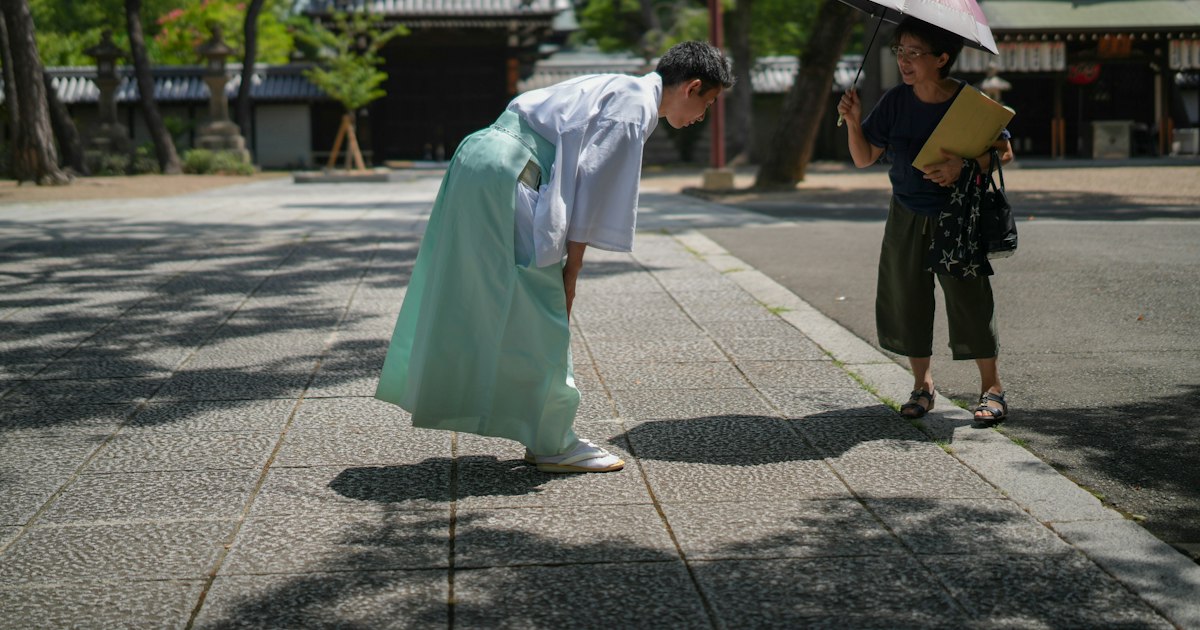
    There’s no single national event — each city or ward runs its own. The typical format: honorees receive a postcard invitation from their hometown’s city hall months in advance, then return (often traveling home from university or their first job) to attend a formal ceremony, usually held late morning at a civic hall, gymnasium, or concert venue. Local officials give speeches, there are occasional performances, and attendees get a small commemorative gift. The real event, socially speaking, happens outside: group photos with old middle-school friends, trips to the family shrine to pray for good fortune, and a long afternoon of photographing each other in furisode and hakama before everyone changes into normal clothes for an evening of drinking — newly legal, at least for the 20-year-olds.

    Shrines tend to be the most visually striking place to catch it. Tokyo’s Meiji Jingu and Kyoto’s Heian Jingu both see a steady stream of furisode-clad visitors on the holiday weekend, arriving by mid-morning before the crowds and the cold set in.

    The Furisode: Japan’s Longest-Sleeved Kimono

    The furisode (“swinging sleeves”) is distinguished by sleeves that hang nearly to the ankle — roughly 100-115 cm long, compared to the 50 cm sleeve of a standard adult kimono. It’s traditionally worn only by unmarried women, which is why it’s historically been reserved for coming-of-age ceremonies, graduation days, and weddings (worn by the bride or close unmarried female relatives). The fabric is almost always vividly patterned silk, with motifs like cranes, cherry blossoms, or chrysanthemums dyed or embroidered across the whole garment rather than just the hem.

    Underneath the obvious drama of the sleeves, a full furisode outfit is a layered construction: the kimono itself, a stiff obi sash tied in an elaborate bow at the back, an obi-age and obi-jime for finishing touches, a fur or feather stole against the January cold, zori sandals, and a small handbag. Hair is styled and set with silk flower ornaments, and most young women book professional hair and makeup for the morning. None of it is something you put on alone — dressing takes a trained assistant 20-30 minutes.

    Renting vs. Buying: What It Actually Costs

    Because a full furisode is worn maybe three or four times in a lifetime, the overwhelming majority of families rent rather than buy.

    • Budget rental: around ¥150,000-¥200,000 for a full package — kimono, obi, accessories, hair, and makeup — booked through a local kimono shop, often arranged a full year in advance since popular patterns get reserved early.
    • Mid-range rental: ¥250,000-¥350,000 gets a wider choice of designer or brand-name patterns (labels like Tomiya or Fuku Kyoto) and usually includes a studio photo session.
    • Splurge / purchase: buying a new furisode outright runs ¥700,000 to well over ¥1,000,000 for high-end silk, and is generally only done by families who plan to pass it down to a daughter, niece, or granddaughter.

    On top of the kimono itself, most families budget separately for a photo studio session (¥30,000-¥100,000 depending on the number of prints and albums) — many book this weeks or months before the actual ceremony, specifically to avoid fighting January’s cold weather and crowded salons on the day itself.

    Can Visitors Try On a Furisode?

    You don’t need to be turning 20 in Japan to wear one. Kimono rental shops aimed at tourists — concentrated around Kyoto’s Gion and Arashiyama districts, Tokyo’s Asakusa near Senso-ji, and increasingly around shopping streets like Omotesando — offer simplified furisode-style rentals for roughly ¥6,000-¥15,000 for a half-day, including basic hair styling. These are a lighter, easier-to-move-in version of the real thing (fewer layers, simpler obi knots), but they capture the same visual effect for photos. Shops typically open around 9:00-10:00 and want you back by 17:00-18:00, so plan your shrine or temple visit for mid-morning when the light and the crowds are both manageable. Kyoto in particular pairs well with this: Gion’s Hanamikoji-dori and the approach to Heian Jingu are classic backdrops.

    Common Mistakes to Avoid

    • Visiting shrines on the holiday Monday itself expecting a quiet experience — Meiji Jingu and Heian Jingu are genuinely crowded with ceremony groups and their families that day; go the weekend before or after if you want to photograph furisode without the crush.
    • Assuming rental shops are walk-in friendly during January — tourist kimono shops near Gion and Asakusa get booked solid around New Year and Seijin no Hi weekend by both tourists and actual honorees; reserve at least a few days ahead.
    • Underestimating the cold — January ceremonies happen in genuinely cold weather, and the stole covers the shoulders but not much else; if you’re trying on a rental furisode, ask the shop for a heated hand warmer, which most keep on hand for exactly this reason.
    • Confusing furisode with other kimono types — a furisode’s long swinging sleeve is specific to unmarried women’s formal wear; married women and more casual occasions call for a tomesode or komon, which rental shops will usually clarify if you ask.

    Seijin no Hi sits in the same family of life-stage celebrations as Shichi-Go-San and Kodomo no Hi — all of them shrine-centered milestones that mark a Japanese life from childhood into adulthood. If your trip lands in mid-January, pairing a quiet shrine visit with a bowl of toshikoshi soba the week before makes for a neat seasonal through-line, from the last night of the old year to the first formal milestone of the new one.

  • Shichi-Go-San: Japan’s Shrine Festival for Children Ages 3, 5 & 7

    Shichi-Go-San: Japan’s Shrine Festival for Children Ages 3, 5 & 7

    Photo by Buddy AN on Unsplash

    Every autumn, Japanese shrines fill with small children in kimono and hakama, clutching bags of candy almost as big as they are, while grandparents trail behind with cameras. This is Shichi-Go-San (“Seven-Five-Three”), a rite-of-passage festival that marks milestone ages for children. If you’re traveling in Japan between mid-October and late November, you’ll likely stumble across it at any major shrine—and understanding what you’re seeing (and how to photograph it respectfully, or even join in if you have kids) makes the experience much richer.

    What Is Shichi-Go-San?

    Shichi-Go-San celebrates children turning 3 (boys and girls), 5 (traditionally boys), and 7 (traditionally girls), based on ages that trace back to Edo-period customs around infant survival and childhood milestones—3 for when children were first allowed to grow their hair, 5 for a boy’s first time wearing hakama, and 7 for a girl’s first time wearing a proper obi sash instead of a child’s cord. Families visit a Shinto shrine to give thanks for the child’s health and pray for continued growth. The ritual itself is simple: a shrine blessing (called oharai or gokigan), a stroll around the grounds in formal dress, and a bag of chitose-ame—”thousand-year candy,” a long red-and-white striped stick of hard candy packed in a paper bag printed with cranes, turtles, and pine, all symbols of longevity.

    It’s a family affair rather than a public spectacle, so there’s no parade or ticketed event—just a steady stream of dressed-up kids and relatives at shrines nationwide, especially on weekends.

    When to Go: Timing and Crowds

    The traditional date is November 15, but almost nobody actually goes that day anymore. Modern families book whichever weekend in October or November suits everyone’s schedule, which means the celebration effectively spans early October through early December, peaking on the Saturdays and Sundays surrounding November 15 (which falls on a Sunday in 2026, so expect that weekend and the one before it to be especially busy). Shrines are typically open to visitors from sunrise to sunset for general grounds access, but the kigansho (blessing office) where families register for a formal blessing usually operates around 9:00 to 16:00, with specific time slots assigned on busy weekends.

    If you want to photograph the festival without a crowd, go on a weekday in October—many families celebrate early to avoid the November rush and to get better rates from photo studios. If you’re more interested in seeing the festival at full scale, a Sunday in mid-November at a major shrine is unbeatable, but arrive before 11:00, as that’s when things peak.

    Best Shrines to Visit

    Any neighborhood shrine will have some Shichi-Go-San activity, but a few are known for drawing crowds and putting on a good show:

    • Meiji Jingu (Tokyo) — Harajuku’s grand forest shrine sees a steady flow of families all autumn. Nearest station is Harajuku (JR Yamanote Line) or Meiji-jingumae (Chiyoda/Fukutoshin lines), both about a 1-minute walk to the entrance. Grounds are free and open roughly 5:00–18:00 depending on the season.
    • Tokyo Daijingu (Chiyoda) — A smaller, quieter shrine near Iidabashi Station popular for formal family rites; good if you want to watch without the Meiji Jingu-scale crowds.
    • Kasama Inari Shrine (Ibaraki) — One of Japan’s three major Inari shrines, with a lively Shichi-Go-San season and easy access by local train from Tokyo.
    • Dazaifu Tenmangu (Fukuoka) — A major regional draw in Kyushu; reachable via Nishitetsu Dazaifu Line from Fukuoka.
    • Fushimi Inari Taisha (Kyoto) — Famous for its torii tunnels, it also hosts plenty of Shichi-Go-San visits on weekends, though the main draw of tourists there is year-round, not festival-specific.

    If your own trip itinerary includes Kyushu or Fukuoka, families sometimes buy a traditional Hakata ningyo clay doll as a keepsake gift for the celebrated child—you can read more about where to find them in our guide to Hakata Ningyo dolls.

    Kimono, Chitose-Ame, and Photos: What It Costs

    For visiting families or anyone curious about the economics of the day, here’s roughly what Japanese parents budget for:

    • Shrine blessing fee (hatsuho-ryo): typically ¥5,000–¥10,000 per child, paid in an envelope at the shrine office when you register for the ceremony.
    • Kimono rental for the child: ¥8,000–¥20,000 for a half-day rental including obi, zori sandals, and accessories; many photo studios bundle this into their package.
    • Chitose-ame: often included free with the shrine blessing, or purchased separately for a few hundred yen at the shrine’s souvenir counter.
    • Professional photography: studios like Studio Alice run Shichi-Go-San packages from around ¥20,000 for a basic print set up to ¥60,000–¥100,000+ for premium packages with multiple outfit changes, hair styling, and framed prints.

    If you’re a visiting family wanting to do this for your own child while in Japan, some shrine-adjacent rental shops and studios do accept walk-ins or English-language bookings, but reserving a few weeks ahead for a November weekend is strongly advised.

    Common Mistakes to Avoid

    A few things trip up visitors—and occasionally Japanese families too:

    • Assuming it must happen on November 15. It doesn’t; the actual date is flexible, and most families pick a convenient weekend within a two-month window.
    • Not booking the kimono rental and photo studio together in advance. Walk-in availability on peak weekends is thin, and prices are usually higher without a package deal.
    • Treating it as a public performance. It’s a private family ritual happening in a public space—feel free to admire from a respectful distance, but avoid stepping into family photos or blocking the shrine’s blessing queue to take your own shots.
    • Underestimating how tired small children get. Formal kimono and hakama are hot and restrictive; most families keep the shrine visit short and save the sit-down meal or studio session for when the child can change into comfortable clothes.
    • Confusing it with Kodomo no Hi. Shichi-Go-San (autumn, shrine-based, age milestones) is a different holiday from Kodomo no Hi, Japan’s Children’s Day in May, which involves koinobori carp streamers rather than shrine blessings.

    Budget, Mid-Range, and Splurge Options

    For travelers who want to experience Shichi-Go-San customs themselves rather than just observe:

    • Budget (~¥3,000–¥8,000): Visit a neighborhood shrine, buy chitose-ame from the souvenir stand, and simply observe the ritual respectfully from the shrine courtyard—free aside from any omiyage you pick up.
    • Mid-range (~¥20,000–¥40,000): Rent a child’s kimono from a shrine-adjacent rental shop, pay the blessing fee, and take your own photos around the shrine grounds.
    • Splurge (¥60,000+): Book a full-service photo studio package near a major shrine like Meiji Jingu, including professional hair and makeup, multiple costume changes, and framed prints—then combine the outing with formalwear shopping along nearby Omotesando, a short walk from the shrine.

    Whether you’re watching from the sidelines or celebrating your own child’s milestone, Shichi-Go-San is one of the more intimate, unscripted cultural moments you can witness in Japan—no ticket required, just good timing and a quiet camera.

  • Hoshigaki: Japan’s Hand-Massaged Dried Persimmons and Where to Buy

    Hoshigaki: Japan’s Hand-Massaged Dried Persimmons and Where to Buy

    Photo by Madeline Liu on Unsplash

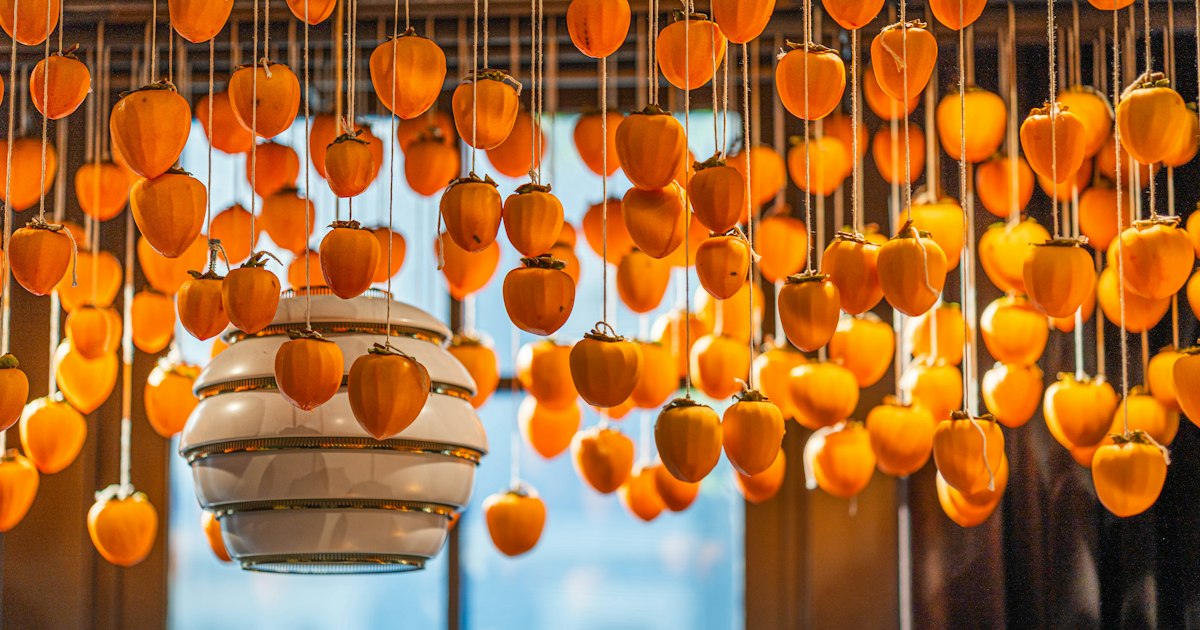
    Walk through a department store food hall in Japan in December and you’ll likely spot rows of wrinkled, amber-colored fruit dusted in what looks like frost, priced like jewelry. That’s hoshigaki — dried persimmons that are massaged by hand, day after day, until their tannins mellow and their natural sugars rise to the surface as a delicate white bloom. It’s one of Japan’s oldest preserved foods, it photographs beautifully hanging in curtains outside old farmhouses, and it makes one of the more unusual edible souvenirs you can bring home. Here’s what makes it special, when to look for it, and where to actually buy some.

    What Exactly Is Hoshigaki?

    Hoshigaki is made from astringent persimmon varieties (shibugaki) — not the sweet, crunchy persimmons you can eat fresh off the tree. Astringent types like Hiratanenashi are inedible raw because of high tannin content, but once peeled and air-dried for three to five weeks, that same tannin breaks down and the fruit turns into something closer to a natural toffee: deeply sweet, chewy at the edges, soft and almost jam-like in the center.

    The fruit is peeled, tied with string in pairs or skewered on sticks, and hung outdoors under eaves or on racks where cold, dry winter air does the work. You’ll see this done at an industrial scale in some regions and on a handful of strings outside a single farmhouse in others.

    The Hand-Massage Process That Makes It Special

    What separates proper hoshigaki from simply “dried persimmon” is the massage. Every two to three days during drying, each piece is gently kneaded by hand to break down the internal fibers, redistribute sugars evenly, and prevent the skin from hardening into a tough shell before the inside has finished drying. Skip this step and you get a fruit that’s leathery outside and unevenly sweet inside — skilled producers massage each piece upward of ten times over the drying period. It’s genuinely labor-intensive, which is a big part of why good hoshigaki isn’t cheap.

    Near the end of drying, glucose migrates to the surface and crystallizes into a white, powdery bloom. This “kobuko” or frosted coating is considered the sign of a well-made, properly aged hoshigaki — producers will tell you it should look almost sugar-coated, not just shriveled.

    Best Season to Buy

    Persimmons are harvested from October into November, and drying takes three to five weeks depending on the region, weather, and variety. That means hoshigaki starts appearing in shops from late November, peaks in December, and is at its best — fully sweetened, properly frosted — through late December into January. It’s closely tied to New Year’s: a skewer of dried persimmons (kushigaki), typically strung in a pattern of two, six, and two, is placed atop kagami mochi as a decoration, since the arrangement puns on a phrase for marital harmony. If you want the full experience, aim for a December or early January trip — by February, remaining stock is often older and drier, and by spring it’s largely gone until the next autumn harvest.

    Where to Buy It

    Budget (¥500–1,500): Supermarkets and roadside farm stands (michi-no-eki) near persimmon-growing regions sell loose, imperfect-looking hoshigaki for a fraction of gift-box prices — perfectly good eating, just not pretty enough for presentation boxes.

    Mid-range (¥1,500–4,000): Department store food halls (depachika) in Tokyo, Osaka, and Kyoto stock seasonal hoshigaki from known production areas from late November through January, usually in boxes of six to ten pieces. Isetan Shinjuku, Takashimaya, and Daimaru Kyoto are reliable bets; most depachika floors open around 10:00 and close by 20:00. If you’re already shopping in a high-end district, the gourmet food floors near Omotesando are worth a detour for winter fruit gifts generally.

    Splurge (¥5,000–10,000+): Named regional brands sold as formal gift boxes — the kind given for New Year’s greetings or as a prestige souvenir — command the highest prices, especially the largest, most evenly frosted specimens individually wrapped in paper. These are sized and priced closer to premium melons than to everyday dried fruit.

    Regional Varieties Worth Seeking Out

    A few production areas have built strong reputations:

    • Ichida, Nagano (Iida City): Probably the most famous name in hoshigaki, known for consistent size and a thick, even sugar frost. Iida is reachable by highway bus from Tokyo (around 4–5 hours from Shinjuku) or a shorter run from Nagoya, making it a feasible day-trip base in persimmon season.
    • Date, Fukushima: Famous for anpo-gaki, a softer, less fully dried cousin of hoshigaki — more like a moist dried fruit than a chewy sweet, and a good option if you find standard hoshigaki too dense.
    • Gifu and the Kansai region (Nara, Wakayama): Smaller-scale producers whose fruit shows up seasonally in Kyoto and Osaka depachika and at local farm markets.

    If you’re traveling specifically to see the drying process, late November into December is when strings of fruit are actually hanging outside farmhouses and drying sheds — worth asking at a local tourist information center for which farms allow visitors, since many are working households, not tourist attractions.

    Common Mistakes to Avoid

    • Buying it outside winter. Hoshigaki is genuinely seasonal; what you find in summer is either imported, old stock, or a different product entirely.
    • Judging it by looks alone. The wrinkled, dusty appearance that looks unappealing to first-timers is exactly what you want — smooth, glossy skin usually means it hasn’t dried or frosted properly.
    • Expecting it to taste like fresh persimmon. It’s concentrated, intensely sweet, and chewy — closer to a fig or date in texture than to fresh fruit. Start with one piece; a whole box in one sitting is a lot of sugar.
    • Packing it carelessly for the flight home. It’s sticky and can soften in heat, so keep boxes upright and out of direct sun in your luggage, and check your destination country’s fresh-produce import rules before bringing dried fruit across borders — some countries restrict it even when dried.

    A Gift With Built-In Meaning

    Because of its New Year associations, hoshigaki makes a thoughtful gift for a Japan-based friend or colleague in December, alongside other seasonal traditions like toshikoshi soba on New Year’s Eve. If you’re building out a broader gift list of Japanese craftsmanship while you’re at it, hand-finished goods like Suwada nail clippers pair well with a box of hoshigaki — one edible, one built to last decades, both representing the same patient, hands-on approach that runs through so much of Japanese craft.

  • Kodomo no Hi: Japan’s Children’s Day, Koinobori Streamers & Kashiwa Mochi

    Kodomo no Hi: Japan’s Children’s Day, Koinobori Streamers & Kashiwa Mochi

    Photo by Ilia on Unsplash

    Every year on May 5, rivers of colorful carp-shaped streamers ripple over Japanese towns, wagashi shops sell out of oak-leaf-wrapped mochi, and department stores roll out miniature samurai helmets for sale. This is Kodomo no Hi (こどもの日), Japan’s Children’s Day — the final holiday of Golden Week and one of the most visually striking seasonal traditions you can catch as a visitor. Here’s what it actually celebrates, where to see it at its biggest, and what to eat while you’re there.

    What Is Kodomo no Hi?

    Kodomo no Hi falls on May 5 and has been a national holiday since 1948, closing out Golden Week (roughly April 29–May 5, though exact dates shift with weekends). Before 1948, May 5 was Tango no Sekku, a boys’ festival mirroring Hinamatsuri, the girls’ doll festival held on March 3. Officially the holiday is now for all children, but in practice most of the decorations and foods you’ll encounter — koinobori, kabuto helmets, iris leaves — still carry the old boys’-festival symbolism of strength and healthy growth. Families with young sons tend to mark it most visibly, but the public displays (rivers of carp streamers, festival stalls) are for everyone to enjoy.

    If you’re traveling with kids, this is also a genuinely fun week to be in Japan — museums and parks often run free or discounted admission for children around May 5, and local tourism boards post schedules a few weeks ahead on their sites.

    Koinobori: The Carp Streamers You’ll See Everywhere

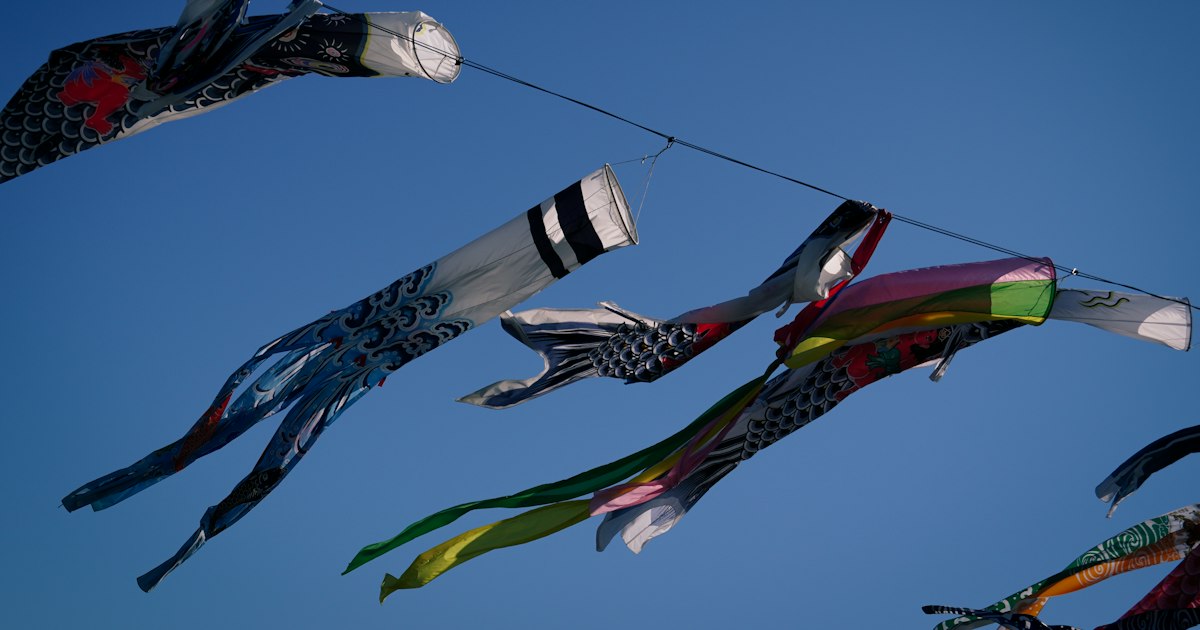
    Koinobori are windsock-style carp streamers flown on poles outside homes, apartment balconies, and rivers throughout April and early May. The imagery comes from a Chinese legend in which a carp swims upstream against a waterfall and becomes a dragon — a symbol of perseverance that Japanese families adopted for wishing children strength and resilience.

    A traditional set has a black carp (magoi, representing the father), a red carp (himoi, the mother), and one smaller, colorful carp for each child in the family, strung beneath spinning arrow-shaped wheels (yaguruma) and a cylindrical windsock. You’ll see small household sets on balconies from mid-April, and much larger community displays strung across rivers, which is where the real spectacle is.

    Best Places to See Giant Koinobori Displays

    If you want to see koinobori at scale rather than a single streamer on someone’s balcony, a few towns turn this into a proper festival:

    • Kazo, Saitama – The Kazo Giant Koinobori Festival flies a single enormous carp streamer (around 100m long, one of the largest in Japan) over the Tonegawa riverbed, alongside hundreds of smaller ones. Held in early May; free to attend. Kazo Station is about 40 minutes from Tokyo on the Tobu Isesaki Line, then a short bus or taxi ride to the riverbank site.
    • Sagamihara, Kanagawa – The Sagami River festival strings thousands of koinobori across the river, one of the largest such displays in the country, usually held the weekend closest to May 5. Reachable from Tokyo via the Odakyu or JR lines in roughly an hour.
    • Tatebayashi, Gunma – Koinobori no Sato runs for about a month (early April to early May), with thousands of streamers over the Tsuruuda River; one of the longer-running displays if your trip doesn’t land exactly on May 5.
    • Tokyo Tower – A smaller but convenient display goes up near the tower’s base in late April, good if you don’t have time to leave central Tokyo.

    Timing matters: most river displays go up in mid-to-late April and come down within a few days of May 5, so check the specific town’s tourism site for exact dates before building a day trip around it — unlike cherry blossoms, these dates are fixed by the organizers rather than the weather, so once you find them they’re reliable.

    Kashiwa Mochi and Chimaki: The Seasonal Sweets to Try

    The signature food of the holiday is kashiwa mochi — a soft mochi rice cake filled with sweet red bean (anko) or a miso-flavored bean paste, wrapped in a kashiwa (oak) leaf. The leaf isn’t eaten; it’s there for fragrance and symbolism, since oak leaves famously don’t fall until new buds appear, making them a stand-in for family lineage continuing unbroken.

    In the Kansai region (Osaka, Kyoto), you’re more likely to see chimaki instead — a different, slightly chewy mochi wrapped in bamboo leaf, without filling. Both appear in shops only seasonally, roughly from mid-April through May 5, so this isn’t a year-round souvenir.

    Where to buy it:

    • Budget: Supermarkets and convenience stores stock individually wrapped kashiwa mochi for about ¥150–250 per piece during the season — an easy, low-commitment way to try it.
    • Mid-range: Neighborhood wagashi (Japanese sweets) shops sell fresher versions, often ¥200–350 each, sometimes in small boxed sets of 3–5 for gifting.
    • Splurge: Department store food halls (depachika) carry premium versions from famous wagashi makers, individually boxed, which make a nicer souvenir if you’re bringing sweets home to share — though note mochi doesn’t travel or keep well, so this is a same-day treat, not a packable souvenir.

    If you like tracking down seasonal Japanese food traditions tied to specific calendar dates, this sits alongside things like Toshikoshi Soba on New Year’s Eve — another food whose symbolism matters as much as its taste.

    Shopping for Kabuto Helmets and Satsuki Dolls

    Families with young children often display a kabuto (samurai helmet) or a full Satsuki ningyo doll set in the weeks before May 5, parallel to how Hinamatsuri families display dolls in March. These range enormously in price and size:

    • Budget: Small decorative kabuto ornaments, a few centimeters tall, from around ¥3,000–8,000 — sold as general Japanese crafts, closer to a souvenir than a serious collectible.
    • Mid-range: Tabletop kabuto or armor display sets, roughly ¥20,000–60,000, sold at department stores like Takashimaya or Isetan from February through April.
    • Splurge: Full lacquered samurai armor replicas with helmet, stand, and folding screen can run ¥150,000–300,000+, the kind of purchase local grandparents traditionally make for a new grandson.

    If elaborate traditional dollcraft interests you beyond the holiday itself, it’s worth comparing to other regional doll traditions like Hakata Ningyo clay dolls from Fukuoka, which follow a completely different craft tradition but show the same cultural weight placed on figural dolls in Japan.

    For a lighter, cheaper way to bring home something kid-themed, Lawson convenience stores run Ichiban Kuji lottery draws that frequently feature children’s and anime characters — a fun five-minute stop rather than a planned purchase. And if you’re shopping with kids who recognize Japanese characters, note the overlap with Anpanman, the bread-headed superhero whose anpan origins make him one of the most recognizable characters on Kodomo no Hi merchandise aimed at toddlers.

    Common Mistakes and Timing Tips

    A few things trip up visitors planning around this holiday:

    • Confusing it with Hinamatsuri — March 3 is the girls’ doll festival; May 5 is Kodomo no Hi. Different displays, different sweets.
    • Underestimating Golden Week crowds and prices — because Kodomo no Hi falls inside Golden Week, trains, hotels, and popular sites nationwide are at their most expensive and crowded all year. If you’re coming specifically for koinobori displays, book transport and accommodation well in advance, or consider visiting Tatebayashi’s month-long display outside the absolute peak dates.
    • Assuming kashiwa mochi is available year-round — it’s strictly seasonal (mid-April to early May); don’t save it for later in your trip.
    • Missing the iris bath — many onsen and public baths add shobu (iris) leaves to the water on May 5 (shobu-yu), believed to ward off illness. It’s a small, easy-to-miss seasonal detail worth asking your ryokan or sento about if you’re visiting on the day itself.

    Kodomo no Hi rewards travelers who build in a little flexibility — the best koinobori displays are at their fullest for only about two weeks, and they’re far more impressive flying over a wide river than they are in photos, so it’s worth routing a day trip around one if your Golden Week itinerary allows it.

  • Yonaguni: Japan’s Westernmost Island and Its Underwater Ruins

    Yonaguni: Japan’s Westernmost Island and Its Underwater Ruins

    Photo by KaLisa Veer on Unsplash

    Closer to Taiwan than to mainland Okinawa, Yonaguni is the kind of place that rewards travelers willing to add an extra flight and an extra day to their Japan itinerary. It’s a windswept, sparsely populated island famous for two things: the mysterious rock formations known as the Yonaguni Monument, lying underwater just off its southern coast, and some of the best hammerhead shark diving in the world. There are no konbini on every corner here, no trains, and barely any crowds — which is exactly the point.

    Where Is Yonaguni, and Why Go

    Yonaguni sits at the far western edge of Japan’s territory, about 111 km from Taiwan’s coast and roughly 509 km from Okinawa’s main island. It belongs administratively to Okinawa Prefecture but feels like its own world — a small, hilly island around 28 square km with a population of under 1,700 people. If you’ve already visited Okinawa’s more developed islands like Miyakojima, Yonaguni is the opposite experience: fewer beaches for sunbathing, far more rugged coastline, wild horses, and a strong sense of being at the literal edge of the country.

    Most visitors come for one of two reasons — diving (especially the Monument and hammerhead sharks) or simply to stand at Japan’s westernmost point. Both are doable in a long weekend, though divers often stay three to four nights to get in enough dive days around weather.

    The Yonaguni Monument: Ruins or Rock?

    Discovered in 1986 by local diver Kihachiro Aratake while scouting for hammerhead sharks, the Yonaguni Monument is a series of stepped, rectangular rock formations sitting 5 to 25 meters underwater off the island’s southern coast near Arakawa-bana (Iseki Point). The formations have sharp right angles, flat terraces, and what look like carved steps and a possible stone face, which has fueled decades of debate over whether this is a natural sandstone formation shaped by fault lines and erosion, or the remains of a submerged ancient structure.

    Mainstream geologists, including most researchers from the University of the Ryukyus, lean toward a natural origin — the rock is sandstone that fractures along straight lines, and similar above-water formations exist elsewhere on Yonaguni. A smaller group of researchers, most prominently Masaaki Kimura, argue for human modification. Nobody has settled it definitively, which is honestly part of the appeal — you get to see the evidence yourself and form an opinion.

    You don’t need to be a certified diver to see it: glass-bottom boat tours run from Kubura Port on calm days for around 3,000–4,000 JPY per person, though visibility from the surface is limited. For a proper look, you’ll want to dive or snorkel it directly.

    Hammerhead Sharks and Diving Yonaguni

    Yonaguni’s other major draw is diving with schooling hammerhead sharks, which gather in deeper channel waters mainly from November through February, with December and January generally considered peak season. Sightings aren’t guaranteed — they depend on current, visibility, and luck — but local dive shops track conditions daily and will tell you honestly if the odds are low on a given day.

    A typical two-dive day trip costs around 18,000–23,000 JPY including boat and guide, with gear rental (wetsuit, BCD, regulator) often an extra 3,000–5,000 JPY if you’re not bringing your own. Currents around the Monument and the shark-viewing points can be strong, and several shops ask for Advanced Open Water certification or at minimum solid experience in current diving — this isn’t the easiest place to learn. Dive shops cluster around Kubura and Sonai; most are small, family-run operations, so book a few weeks ahead if you’re traveling in peak shark season, when boats fill up fast.

    Getting to Yonaguni

    There’s no bullet train shortcut here — flying is the realistic option for most travelers. Ryukyu Air Commuter (RAC) operates small turboprop flights to Yonaguni Airport (OGN) from Naha (about 1 hour) and from Ishigaki (about 30 minutes). These planes seat only a few dozen passengers, so flights sell out, especially around long weekends and shark season — book as early as you can, ideally a month or more ahead for winter travel.

    There’s also a passenger ferry from Ishigaki run by Fukuyama Kaiun, taking around 4 hours one way for roughly 3,500 JPY, but it only operates a few days a week and is frequently cancelled for rough seas — don’t rely on it as your only way out if you have a flight to catch elsewhere. If you want a sense of just how remote “remote island Japan” can get, it’s worth comparing notes with the Ogasawara Islands, which are even more isolated — Yonaguni is remote by Okinawan standards, but Ogasawara takes that to another level entirely.

    Once on the island, there’s no train or city bus network to speak of. Renting a car is close to essential — there are only one or two rental agencies on the island, with small cars running around 5,000–7,000 JPY per day, and they can sell out in peak season too. A few minshuku (guesthouses) offer airport pickup and bicycle rental as a cheaper alternative if you’re not planning to range far.

    Best Time to Visit

    For hammerhead sharks, aim for December through February, with peak odds in December and January. For calmer seas, better general visibility, and milder weather for non-diving sightseeing, April through June and October into November tend to be pleasant, with less typhoon risk than mid-summer. July through September brings the highest typhoon risk in the region — flights and ferries get cancelled with little notice, so build in a buffer day if you’re traveling then, especially since missing your return flight on a small prop-plane route can mean a multi-day wait for the next available seat.

    Beyond Diving: Horses, Dr. Coto, and Cape Irizaki

    Cape Irizaki (Nishihama), marked with a stone monument, is the westernmost point in Japan accessible by land — a simple, free, slightly wind-battered spot that’s become a pilgrimage site for completionist travelers. On clear days, locals say you can glimpse the mountains of Taiwan from here, though this is weather-dependent and not something to count on.

    Yonaguni horses (Yonaguni uma) are a small native breed that roams semi-wild across parts of the island — one of Japan’s few remaining native horse breeds, and noticeably smaller than typical riding horses. You’ll likely spot them grazing by the road while driving around.

    The island also has a minor pop-culture claim to fame: a set from the TV drama “Dr. Coto’s Clinic” (Dr. Koto Shinryojo) was built on Yonaguni and is preserved as a small, free-to-visit attraction near Hiyari Beach, drawing fans of the show even years after it aired.

    Practical Tips and Common Mistakes

    • Book flights and dive boats early. Seats on the prop planes and boat spots in shark season both fill up weeks in advance.
    • Bring cash. Card acceptance is limited outside a few shops and the airport; there are only a couple of ATMs on the island, and they don’t always accept foreign cards reliably.
    • Build in a buffer day before any onward international or domestic flight — weather cancellations are common, particularly in typhoon season (July–September).
    • Rent a car if you can. Without one, you’re limited to what taxis (few) and your guesthouse can arrange.
    • Don’t expect a swim-up view of the Monument. Unless you dive or snorkel it directly, you’re mostly looking at a glass-bottom boat’s view from above — manage expectations if you’re not a diver.
    • Accommodation is simple. Budget minshuku run around 5,000–8,000 JPY per night including breakfast; there’s no large resort-style hotel on the island, so don’t expect Naha-level amenities.

    Yonaguni isn’t a place you stumble into on a loosely planned Okinawa trip — it takes deliberate effort to reach. But for divers chasing hammerheads, or anyone curious enough about a 12,000-year-old debate over rocks under the sea, it’s one of the more memorable detours in Japan.

  • Miyakojima: Okinawa’s Bridge-Hopping Island Chain and Turquoise Beaches

    Miyakojima: Okinawa’s Bridge-Hopping Island Chain and Turquoise Beaches

    Photo by Samuel Berner on Unsplash

    Miyakojima isn’t on most first-time Japan itineraries, and that’s exactly its appeal. This small coral island roughly 300km southwest of Okinawa’s main island has no train, no big-city bustle, and some of the clearest water in the country — the kind of pale turquoise usually reserved for travel brochures about the South Pacific. What makes it unusually easy to explore is a set of free bridges that link Miyakojima to four smaller satellite islands, so a single rental car can take you island-hopping without a single ferry ticket.

    Getting There

    Miyako Airport (MMY) is the main gateway. ANA, JAL, Skymark, and Peach all fly direct from Naha (about 45 minutes, one-way fares roughly ¥8,000–¥20,000 depending on carrier and how far in advance you book). There are also direct flights from Tokyo Haneda and Narita (around 3 hours), Osaka Kansai (about 2.5 hours), and Fukuoka on ANA and JAL, which can save you a layover in Naha if you’re not otherwise visiting the Okinawa mainland. A second, smaller airport, Shimojishima Airport (SHI), sits on the western side of the island chain and handles limited seasonal and charter service — worth checking if you’re coming from Kobe, but MMY is the reliable option for most itineraries.

    There’s no train or monorail on Miyakojima, and public buses run infrequently and mostly for commuters, not sightseers. A rental car is effectively mandatory. Book ahead for Golden Week (late April–early May), summer school holidays, and Obon (mid-August), when cars sell out and daily rates climb from a typical ¥6,000 off-season to ¥10,000–¥15,000 for a compact.

    The Bridges That Make This Island Chain Special

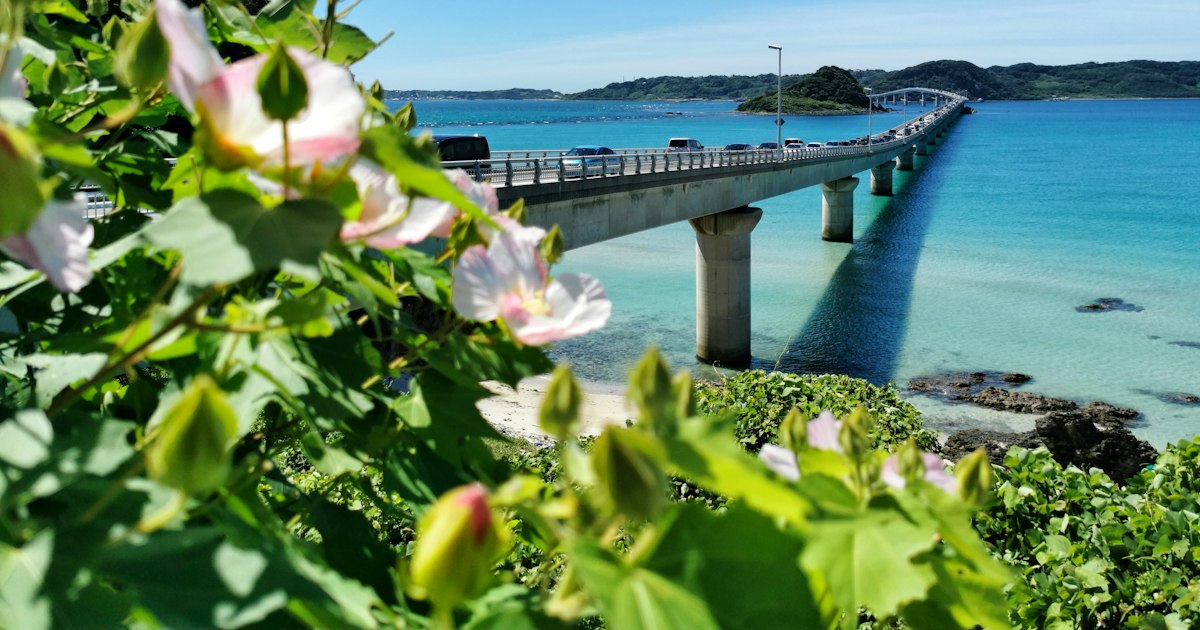
    Miyakojima’s signature experience is driving across its bridges, each one framed by water so clear you can see the reef shadows from the car. The Irabu Bridge, opened in 2015, is 3,540 meters long and is Japan’s longest toll-free bridge, connecting Miyako Island to Irabu Island in a straight shot over the open sea — it’s free to cross and takes about five minutes to drive. From Irabu, the shorter Kugani Bridge continues on to Shimoji Island. On the northern side, the Ikema Bridge (1,425 meters) links to Ikema Island, home to some of the best snorkeling spots on the chain, and the Kurima Bridge (1,690 meters) connects to Kurima Island to the south. Pull over at the designated lookout points on either end of the Irabu Bridge at sunrise or sunset — it’s one of the few places in Japan where you can watch the color of the water genuinely change by the minute.

    The Beaches

    Yonaha Maehama Beach, on the island’s west coast, is a roughly 7km stretch of pale sand that regularly ranks among Japan’s best beaches, with gently sloping, swimmable water and enough length that it never feels crowded even in August. Sunayama Beach, closer to Hirara town, is smaller but famous for a natural stone arch at its edge and some of the easiest sunset access on the island. Painagama Beach sits within walking distance of central Hirara, making it a convenient spot for an evening swim without a car. For snorkeling, the protected coves on Ikema Island and the water around Shimoji Island tend to have the best visibility, often 20–30 meters on calm days. Yabiji, a massive reef system off the northern coast, is only accessible by boat tour and is worth it if you want to see coral structures most visitors never reach.

    When to Go

    April through June is the sweet spot: warm, relatively dry, and before the worst of typhoon season. October and November are also good, with calmer seas and fewer crowds than summer. July through September bring the warmest water and liveliest atmosphere but also peak typhoon risk — Miyakojima sits directly in the typhoon corridor, and flights can be delayed or cancelled with little notice, so build a buffer day into your itinerary if you’re traveling then. Winter (December–February) stays mild, around 18–20°C, and divers still come for the water temperature, but it’s windier and less reliable for beach lounging.

    Common Mistakes to Avoid

    • Skipping the rental car booking. Walk-up availability disappears fast in peak season, and without a car you’re cut off from most of the island’s beaches and bridges.
    • Swimming outside flagged areas. Box jellyfish (habu kurage) are a real hazard roughly June through October; stick to beaches with jellyfish nets and posted flags, and consider a stinger suit if you’re snorkeling off-season beaches.
    • Forgetting reef shoes. Several of the best snorkeling spots have rocky or coral entry points — flip-flops aren’t enough.
    • Underestimating the sun. There’s little shade on the bridges or the long beaches; bring reef-safe sunscreen and refill water, since convenience stores thin out once you’re outside Hirara.

    What to Eat and Bring Home

    Miyako soba is the local specialty and differs from Okinawa soba elsewhere in the prefecture — no fish cake, and the pork is typically served underneath the noodles rather than on top. A bowl at a casual shop in Hirara runs around ¥700–¥900. For souvenirs, look for Yukishio (“snow salt”), a mineral-rich sea salt made on Miyakojima using a patented freeze-drying process, sold in small tins and gift boxes at the airport and most souvenir shops — it’s a genuinely distinctive, packable gift that you won’t find made the same way anywhere else in Japan. Miyako-jofu, a traditional hand-woven ramie textile recognized as a UNESCO Intangible Cultural Heritage craft, is sold locally but at a serious price point; smaller accessory pieces are a more realistic buy than full bolts of cloth. If you’re packing snorkeling or beach gear from home rather than buying locally, it’s worth checking Japan’s own outdoor brands — see our guide to Snow Peak and Japan’s outdoor gear brands for well-made, packable options.

    Where to Stay

    Budget travelers can find guesthouse dorm beds or simple private rooms in Hirara from around ¥3,000–¥6,000 a night. Mid-range beach hotels, many clustered near Yonaha Maehama, typically run ¥15,000–¥25,000 for a double with sea-facing rooms. For a splurge, resorts like Shigira Bayside Suites or the Miyakojima Tokyu Hotel & Resorts offer private beach access and villa-style suites from roughly ¥30,000 a night and up, especially in peak summer months.

    If Miyakojima has you thinking about other quieter island escapes in Japan, the Ogasawara Islands offer an even more remote, UNESCO-listed experience reachable only by a 24-hour ferry from Tokyo — read our guide to the Ogasawara Islands before you plan. Closer to the mainland, Shodoshima in the Seto Inland Sea pairs easily with an art-island trip to Naoshima if you want a milder, more accessible island day trip on the same visit.

  • Toshikoshi Soba: Japan’s New Year’s Eve Noodle Tradition

    Toshikoshi Soba: Japan’s New Year’s Eve Noodle Tradition

    Photo by Mario Verduzco on Unsplash

    If you’re in Japan on December 31st, you’ll notice something strange happening around dinnertime: noodle shops fill up, supermarkets sell out of buckwheat noodles by mid-afternoon, and even convenience stores start stocking pre-packaged soba sets days in advance. This is toshikoshi soba — literally “year-crossing noodles” — and it’s one of the few food traditions in Japan that almost everyone, regardless of region or age, still observes. Here’s what it is, why it matters, and how to join in without making the usual tourist mistakes.

    What Is Toshikoshi Soba?

    Toshikoshi soba is a bowl of buckwheat noodles eaten on New Year’s Eve, typically as a late dinner or a light meal right before midnight. The custom dates back to the Edo period (1603–1868), and the symbolism is baked into the noodle itself: soba strands are long and easy to bite through cleanly, which is said to represent “cutting off” the hardships and bad luck of the old year before the new one begins. A secondary, less consistent belief ties the noodle’s length to wishes for a long life — either way, the point is the same: eat it before midnight, not after. Eating soba after the New Year has already turned is considered to undo the symbolism, so this isn’t a dish you casually order on January 1st for the same effect.

    When and Where to Eat It

    The tradition is nationwide, but how it’s served varies by region. In Tokyo and much of eastern Japan, toshikoshi soba is often topped with tempura — usually a shrimp (ebi tempura) — making it a slightly indulgent version of an everyday noodle dish. In Osaka and parts of western Japan, you’ll more often see it served simply with kamaboko (fish cake) and scallions in a lighter dashi broth. In Okinawa, soba isn’t even buckwheat — “Okinawa soba” is a wheat noodle, but locals still eat it on December 31st under the same name and tradition.

    Timing matters more than toppings: most households and restaurants eat toshikoshi soba in the few hours before midnight, often after returning from shopping or cleaning, and before heading out to a shrine for hatsumode (the first shrine visit of the new year). Many standing soba counters near train stations — the fast, cheap chains like Fuji Soba or Yudetaro — stay open later than usual on December 31st specifically to serve this rush, sometimes until 11pm or later, though hours vary by branch and it’s worth checking the specific location since some close early for staff to get home.

    Where to Try It as a Visitor

    You don’t need a reservation or a special restaurant — that’s part of the point of this dish. A few realistic options depending on your budget and comfort level:

    • Budget (¥390–¥700): Standing soba chains like Fuji Soba, Komeda, or station-based “tachi-soba” counters serve a basic bowl of kake soba (noodles in broth, no toppings) for around ¥390–¥500, with tempura versions running ¥600–¥800. These are self-service, fast, and the most authentic way most Tokyo office workers eat the dish on a normal day — on December 31st itself, expect a line.
    • Mid-range (¥900–�v1,800): Sit-down soba restaurants (soba-ya) serve a more refined version with hand-cut noodles, better dashi, and a proper tempura or duck (kamo) topping. Many of these restaurants take pre-orders for toshikoshi soba sets around late December — if you’re staying somewhere with a kitchen or a ryokan, ask the front desk whether a local shop does takeaway orders, as this is extremely common.
    • Splurge (¥3,000+): Some high-end soba restaurants, particularly ones specializing in jyuwari soba (100% buckwheat, hand-made), offer a New Year’s Eve course that pairs the noodles with otoshi (small starters), sake, and seasonal sashimi. These usually require a reservation well in advance of December 31st, as tables fill up weeks ahead.

    If you’d rather eat somewhere low-key with a local feel afterward, a neighborhood like Sangenjaya has the kind of small, unpretentious noodle and izakaya spots where this tradition plays out every year without any tourist markup.

    The Convenience Store and Supermarket Route

    Not everyone cooks or eats out on December 31st — many people grab a pre-packaged soba set from a supermarket or convenience store and eat it at home while watching Kohaku Uta Gassen (the famous year-end music broadcast on NHK). Supermarkets sell fresh or dried soba noodle kits with broth packets from around ¥300–¥600 per set, and these sections get picked over fast, so shop by December 30th if you want a decent selection. Convenience stores like 7-Eleven, Lawson, and FamilyMart also carry simplified chilled soba sets in the days leading up to New Year’s Eve, usually for ¥500–¥800, though stock is limited and sells out hour by hour on the 31st itself. If you’re already building a conbini routine for your trip, this pairs naturally with grabbing a coffee from the machine — see our guide to using convenience store coffee machines — for a cheap, fast, very Japanese New Year’s Eve at your hotel.

    Common Mistakes Visitors Make

    • Eating it on January 1st thinking it’s the “New Year noodle.” Toshikoshi soba is specifically a December 31st, pre-midnight dish. On January 1st, the relevant food tradition is osechi ryori (New Year’s boxed dishes) and ozoni soup, not soba.
    • Assuming every restaurant will be open. Many independent restaurants close early on December 31st, and some shut entirely from January 1st to 3rd for New Year’s holiday. Chains and station-based soba counters are the safer bet if you’re arriving late.
    • Confusing it with ramen. Toshikoshi soba is always buckwheat (or wheat, in Okinawa’s case) noodles in a clear dashi-based broth — not the richer, often pork-based broth of ramen. If a shop’s picture menu shows tonkotsu or miso ramen, that’s a different dish entirely.
    • Not finishing the noodles before midnight. If you’re eating at a restaurant that’s timing service around the countdown, don’t dawdle — the symbolic cutoff is literally the clock striking twelve.

    A Regional Side Trip: Soba and Sake Country

    If toshikoshi soba piques your interest in Japanese noodle culture more broadly, pairing it with a sake-focused trip is a natural extension — soba and sake have a long shared history in regions known for both buckwheat farming and rice cultivation. Niigata, for instance, is better known for sake but also has a strong soba-growing tradition in its mountain areas, and visiting in the snowy season gives you a feel for the cold-weather context that makes a hot bowl of noodles so appealing on December 31st in the first place.

    The Bottom Line

    Toshikoshi soba is cheap, easy to find, and one of the most approachable seasonal traditions you can take part in as a visitor — no reservation, no dress code, no special knowledge required beyond ordering a bowl before midnight. Whether you grab a ¥450 bowl standing up at a station counter or splurge on a hand-made jyuwari soba course, the ritual is the same: eat the noodles, let the old year go, and head out to welcome the new one.

  • Omurice: Japan’s Ketchup Rice Omelette and the Yoshoku Tradition

    Omurice: Japan’s Ketchup Rice Omelette and the Yoshoku Tradition

    Photo by Quang Nguyen Vinh on Unsplash

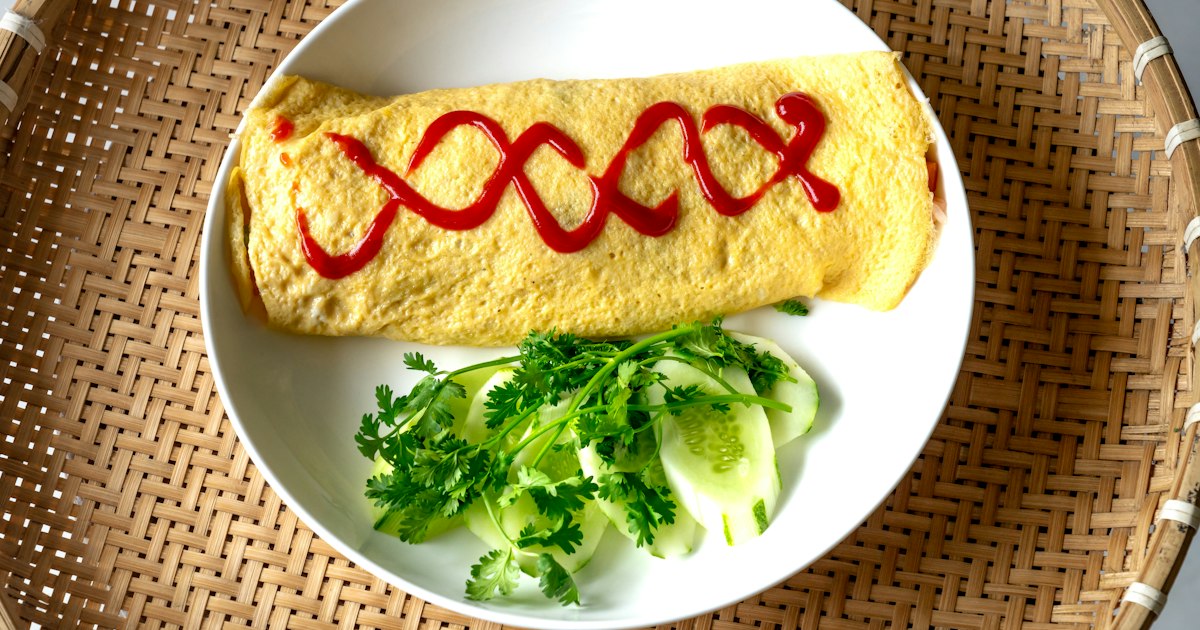
    Omurice is the dish that convinces a lot of first-time visitors that Japanese comfort food isn’t all ramen and sushi. It’s a mound of ketchup-fried rice wrapped in a thin, often jiggly, sheet of egg, usually finished with a squiggle of more ketchup on top. It looks like a kid’s lunch and tastes like one too — in the best way. But it’s also a quietly serious dish, with specialist restaurants in Tokyo and Osaka that have been perfecting the egg-to-rice ratio for over a century. Here’s how to find the good versions, what they cost, and how to order without embarrassing yourself.

    What omurice actually is, and where it came from

    Omurice (オムライス, a portmanteau of “omelette” and “rice”) belongs to a category of Japanese food called yoshoku — Western-style dishes that Japanese cooks adapted and made entirely their own starting in the Meiji era (1868–1912), when Japan opened up to foreign influence and home-grown versions of European food became fashionable in Tokyo’s new Western-style restaurants. Tonkatsu, curry rice, and gyudon’s cousin hayashi rice all come from the same movement — Western ingredients and techniques, filtered through Japanese kitchens until they became something new. If you’ve already read our guide to tonkatsu, omurice is its tablemate: both are yoshoku staples you’ll find on the same old-school menus.

    Two Tokyo restaurants claim to have invented it, and both are still open and worth the detour. Taimeiken in Nihonbashi (founded 1931) serves the original “Omurice Taimeiken,” where a thin egg sheet is draped over ketchup rice — around ¥2,600 for the signature version with demi-glace sauce. Renga-tei in Ginza, open since 1895, claims an earlier version from the 1900s and serves a more rustic, home-style take for roughly ¥1,600–¥1,900. Both are sit-down, cash-friendly, lunch-counter-style places rather than tourist spectacles, so go hungry and expect a short wait at peak lunch hours (12:00–13:00).

    The two main styles you’ll encounter

    There isn’t just one omurice — regional and generational variations matter:

    • Classic wrapped style: A thin, firm omelette is laid over the rice and tucked under at the edges like a parcel, then topped with ketchup, demi-glace, or a white cream sauce. This is what Taimeiken and most old-school yoshoku-ya serve.
    • Torori (molten) style: Popularized by chef Kichisei Kimura and widely imitated since the 1980s–90s, the egg is cooked soft and barely set, then sliced open at the table so it flows over the rice like a sauce. This is the Instagram-famous version and the one most specialty omurice restaurants in Osaka and Tokyo now compete over.
    • Omu-soba, dry-curry, and demi-glace variants: Some shops swap the ketchup rice for curry rice or yakisoba underneath — worth trying once you’ve had the standard version.

    Where to eat it: budget to splurge

    Budget (¥500–900): Family restaurants are the easiest entry point — Saizeriya, Jonathan’s, and Denny’s Japan all have omurice on the menu, and it’s a reliable, no-surprises version. Some convenience stores and department store basement food halls (depachika) sell cold or reheat-at-home omurice bento for ¥500–700, handy if you’re assembling a picnic lunch alongside a tamago sando and a can of ramune.

    Mid-range (¥1,000–1,800): This is where the dedicated omurice specialists live. Kichikichi in Kyoto (near Nishiki Market) is famous for its theatrical torori-style service, where the chef flips the omelette with exaggerated flair before slicing it open tableside — book ahead, as it’s a small counter and routinely sells out; dishes run roughly ¥1,500–2,500. Hokkyokusei in Osaka’s Shinsaibashi, another claimed birthplace of the dish (dating to 1922), serves it for around ¥1,300–1,900 and is open late, useful if you’re already out in the izakaya part of an evening and want something to soak it up, albeit in a different city.

    Splurge (¥2,500+): A few hotel grill restaurants and old-guard Western-style dining rooms serve omurice with wagyu demi-glace or topped with foie gras as a nostalgic nod to yoshoku’s upscale origins — worth it once if you want to see how far the concept stretches, but not necessary to enjoy the dish properly.

    How to order it without fumbling

    Most places that specialize in omurice use ticket machines or simple laminated menus with photos, so pointing works fine. Useful phrases: “ketchup omurice” gets you the standard version; if a menu offers a choice of sauce, “demi-glace” (デミグラス) is richer and slightly savory, while plain ketchup is sweeter and more acidic — a good split if you’re dining with someone who wants something different. At torori-style counters, don’t cut into the egg yourself if the chef is clearly about to do it tableside; that’s part of the show, and it’s bad form to beat them to it.

    Common mistakes

    • Expecting fried rice. The rice inside is usually simple ketchup-fried rice with chicken or onion, not the soy-sauce-based fried rice you’d get at a Chinese restaurant in Japan — don’t go in expecting char siu or mixed vegetables.
    • Skipping the egg-to-rice ratio question. At specialist shops, egg quality and doneness are the entire point — ordering the cheapest set menu sometimes gets you a thicker, firmer egg rather than the torori version, so check photos or ask if you specifically want the molten style.
    • Showing up at peak lunch without a reservation. The famous counters (Kichikichi especially) are tiny — single-digit seats in some cases — and fill up fast with both tourists and locals. Reserve by phone or through the restaurant’s booking page where available, or go right at opening.
    • Assuming it’s kid food and skipping it. It’s unpretentious, but a well-made omurice — with properly seasoned, slightly caramelized ketchup rice and a silky egg — is a genuine test of a cook’s basics, which is exactly why Japanese chefs take it seriously.

    Best time to go

    Omurice isn’t seasonal, so any time of year works, but lunch service (11:30–14:00) at the specialist counters tends to be calmer on weekdays than weekends. If you’re building a food-focused day, pair an early lunch at one of the Kyoto or Osaka spots with a market crawl — Nishiki Market is a five-minute walk from Kichikichi — and save richer regional specialties like Osaka’s okonomiyaki or Kyoto’s kaiseki for dinner.

    Bringing the idea home

    Omurice is easy enough to recreate without special equipment: ketchup, day-old rice, chicken, onion, and eggs get you most of the way there. If you want souvenirs that nod to the yoshoku tradition rather than the dish itself, Japanese kitchenware shops sell the thin, flat-bottomed frying pans (tamagoyaki pans work fine) used for the omelette sheet, and a good bottle of Japanese-style ketchup — slightly sweeter and less vinegary than the Western kind — travels well in checked luggage if it’s sealed. It’s a small, low-effort souvenir that actually gets used, unlike most of what ends up in a suitcase.