Japan Trove

Category: Uncategorized

  • Tonkatsu: Japan’s Breaded Pork Cutlet and How to Order It

    Tonkatsu: Japan’s Breaded Pork Cutlet and How to Order It

    Photo by Snappr on Unsplash

    Tonkatsu is one of those dishes that looks simple — a slab of breaded, deep-fried pork — but gets surprisingly deep once you start ordering it. Which cut, how rare, what sauce, and should you really eat the cabbage first? This guide covers what tonkatsu actually is, how to order it without hesitating, and where to eat it on any budget, from a ¥900 convenience-lunch set to an ¥8,000 black-pork splurge.

    What Is Tonkatsu, Exactly?

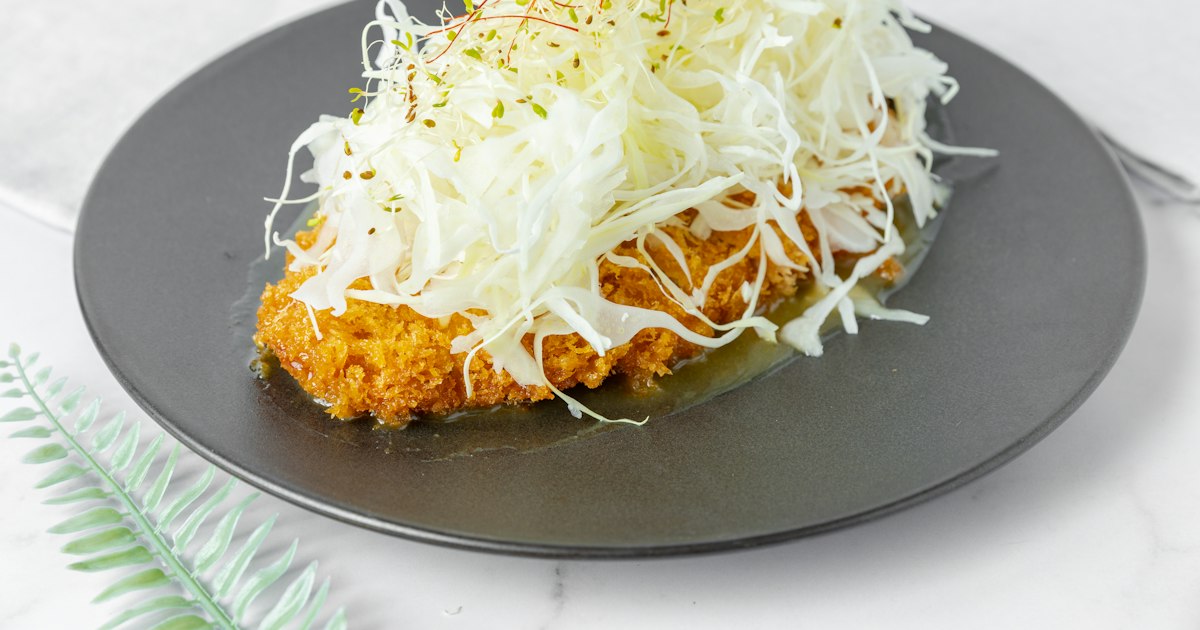
    Tonkatsu (豚カツ) is a thick-cut pork cutlet coated in panko breadcrumbs and deep-fried until the crust is crisp and golden but the meat inside stays juicy. It dates back to the late 1800s, part of the wave of Western-style dishes (yōshoku) that Japanese cooks adapted after the Meiji Restoration opened the country to foreign food culture. Unlike a thin Austrian schnitzel, tonkatsu is cut thick — often 1.5 to 2.5 cm — so the first bite matters: a good one has a crackling exterior and a pink-tinged, tender center, not a dry, grey slab.

    It’s almost always served as a teishoku (set meal): the cutlet sliced into strips, a mountain of finely shredded raw cabbage, rice, miso soup, and pickles. The cabbage isn’t a garnish — it’s there to cut the richness of the fried pork, and most shops offer free refills.

    Rosu vs. Hire: Choosing Your Cut

    Every tonkatsu menu asks you to pick a cut, and this is the first decision that trips up first-timers:

    • Rosu (ロース) — the loin, with a thin ring of fat along one edge. More flavorful and juicier; the standard choice and usually a little cheaper than hire.
    • Hire (ヒレ) — the fillet/tenderloin. Leaner, softer, and milder in flavor. Often the pricier option and a good pick if you want something lighter.
    • Kurobuta (黒豚) — “black pork,” a premium breed (most famously from Kagoshima) with sweeter fat and finer texture, usually marked as an upgrade on either cut.

    If you can’t decide, many shops sell a rosu-hire moriawase (mixed plate) so you can compare both in one meal.

    How to Order Tonkatsu Like a Local

    At a sit-down tonkatsu restaurant, the flow is usually: pick your cut and size (many places offer 100g, 150g, 200g portions, priced per gram above the base set), choose rice portion and whether you want miso soup upgraded to pork soup (tonjiru) for a small supplement, then wait — it’s fried fresh, so expect 10–15 minutes even when the restaurant looks empty.

    On the table you’ll usually find two sauces: a thick, tangy-sweet tonkatsu sauce (similar to a fruitier Worcestershire) and karashi, a sharp Japanese mustard. Some higher-end shops also give you a small grinding bowl with sesame seeds and ask you to make your own sauce by mixing ground sesame with the tonkatsu sauce — don’t skip this step if it’s offered, it’s part of the experience, not an optional extra.

    Many shops also serve tonkatsu curry (katsu curry) and katsudon (cutlet over rice with egg), which are different dishes built from the same fried cutlet — worth knowing so you order the plain version if that’s what you want. If you enjoy comparing how different chains execute one core dish, it’s a similar exercise to sizing up Japan’s gyudon chains — the format is standardized, but each chain has its own signature.

    Where to Eat Tonkatsu: Budget to Splurge

    Budget (¥900–1,500): Chain restaurants like Saboten and Katsuya serve solid rosu-katsu teishoku sets starting around ¥990–1,290, with free cabbage refills and fast service — reliable if you’re near a train station and want something quick between sightseeing stops. Convenience stores and supermarket deli counters also sell pre-fried katsu for ¥300–500, decent in a pinch but not representative of the real thing.

    Mid-range (¥1,800–3,500): Katsukura is a well-regarded mid-tier chain (branches in Kyoto, Tokyo, and elsewhere) where sets run roughly ¥1,800–2,800 and you grind your own sesame sauce. Tonkatsu Maisen’s Aoyama Honten, tucked in a converted old public bathhouse near Omotesando, is one of Tokyo’s most famous tonkatsu addresses — about a 7-minute walk from Omotesando Station (Exit A2), open daily 11:00–21:00 (last order), with hire-katsu sets around ¥2,900–3,900. Expect a short wait at lunch.

    Splurge (¥5,000–8,000+): Shops like Butagumi in Nishi-Azabu specialize in regional heirloom pork breeds (Kagoshima kurobuta, Okinawan agu, and others), letting you compare pork varieties the way a steakhouse offers different cattle breeds. This tier is worth it if you’re genuinely curious about pork quality differences, not just for a bigger portion.

    Best Time to Go and Avoiding Crowds

    Lunch sets (often ¥100–300 cheaper than the dinner menu for the identical cutlet) typically run from opening until around 14:00–15:00, so go right at opening — most tonkatsu shops open around 11:00 — to avoid both the crowd and the price bump. Popular spots like Maisen regularly have queues by 12:00 on weekends; arriving by 11:15 usually means walking straight in. Dinner service generally resumes around 17:00–17:30. There’s no strong seasonal angle to tonkatsu — it’s a year-round comfort dish — though it’s traditionally considered a bit of a good-luck meal before exams or big events, since “katsu” (勝つ) is a homophone for “to win.”

    Common Mistakes to Avoid

    • Pouring sauce over the whole plate before tasting: try the first piece plain to taste the pork and the panko crust, then sauce the rest.
    • Ignoring the cabbage: it’s not filler — eating it between bites genuinely improves the meal and keeps the fried food from feeling heavy. Ask for “okawari” (refill) if the bowl runs out; it’s usually free.
    • Ordering the biggest size by default: 200g cutlets are substantial. Unless you’re very hungry, the standard size is plenty, especially paired with rice and soup.
    • Assuming all tonkatsu is the same: skipping the rosu/hire choice and just pointing at the menu photo means you might end up with a leaner cut than you wanted. It’s a two-second question worth asking.
    • Showing up right at peak lunch (12:00–13:00): at popular shops this means a 20–30 minute wait; shifting by even 30 minutes either side solves it.

    Tonkatsu rewards a little attention to detail — the cut, the timing, the sauce ritual — but it’s forgiving enough that even the cheapest chain version is a satisfying meal. Once you know what to ask for, ordering it becomes second nature.
  • Convenience Store Coffee in Japan: How to Use Lawson, 7-Eleven & FamilyMart Machines

    Convenience Store Coffee in Japan: How to Use Lawson, 7-Eleven & FamilyMart Machines

    Photo by PJH on Unsplash

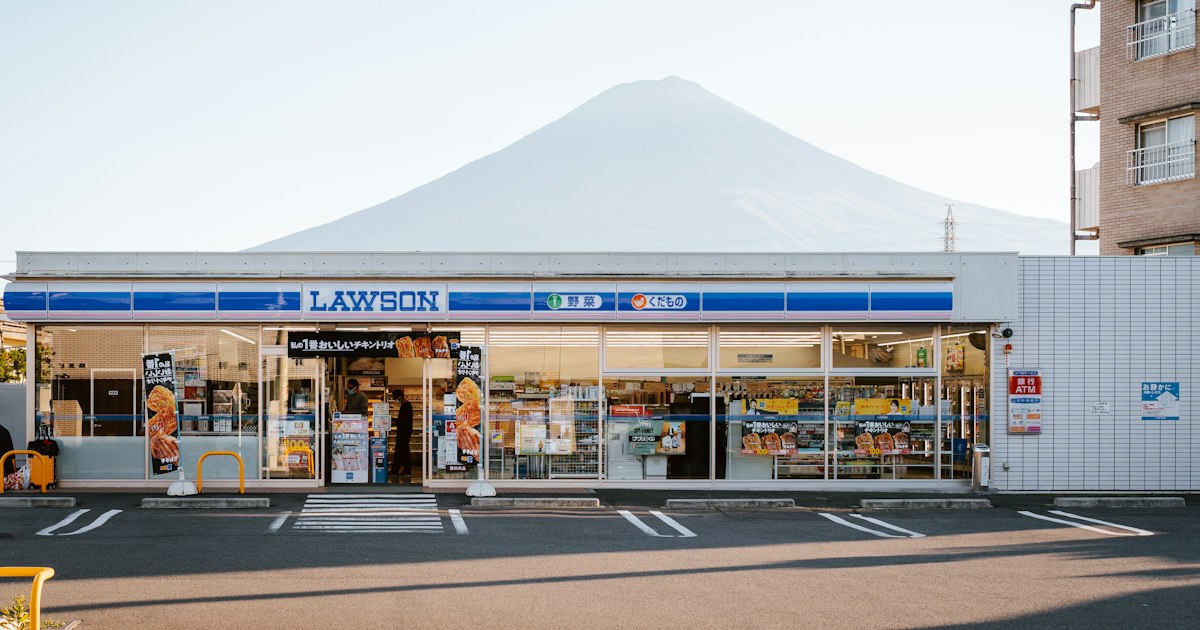
    Skip the ¥600 café latte and the 20-minute wait: Japan’s convenience stores (known as “konbini”) sell genuinely good, freshly brewed coffee for about ¥100–¥250, available 24 hours a day at nearly every corner of the country. The catch is that the machines at Lawson, 7-Eleven, and FamilyMart each work a little differently, and first-time visitors routinely end up with a cup of hot water, no lid, or an overflowing mess because nobody explained the steps. Here’s exactly how each chain’s system works, what to order, and how to avoid the rookie mistakes.

    How Convenience Store Coffee Works in Japan

    All three major chains use the same basic model: you pay for an empty cup first, then fill it yourself at a self-serve espresso/drip machine near the register. This confuses a lot of travelers because the machine itself usually has no payment slot — it only dispenses coffee once it’s “unlocked” by your purchase. Cup sizes are almost always labeled S (short, ~150ml), R or M (regular/medium, ~180–200ml), and L (large, ~260–290ml), with hot and ice versions of most drinks. Prices typically run:

    • Drip coffee: ¥100–¥150 (S/R), ¥150–¥200 (L)
    • Café latte or cappuccino: ¥150–¥250 depending on size
    • Seasonal specialty drinks (hojicha latte, caramel, frappé-style): ¥250–¥400

    Convenience stores are open 24/7 nationwide, so there’s no “opening hours” issue — the only timing consideration is that the coffee machines are cleaned and restocked a few times a day (often early morning and around closing of the lunch rush), so you may see a brief “cleaning in progress” sign around 11am or late evening in busy urban stores.

    Lawson’s Machi Café: What to Expect

    Lawson’s “Machi Café” counter is usually built right into the checkout area, with a touchscreen machine sitting beside the register. Tell the cashier what you want (or scan the item yourself at a self-checkout till), pay, and you’ll get an empty cup with a lid sticker. Walk to the machine, place the cup under the nozzle, and press the button matching your drink and size on the touchscreen — the machine brews on demand, so expect a 20–40 second wait for espresso drinks. Machi Café is well known among Japanese commuters for its matcha latte and seasonal roasted hojicha latte, which are worth trying if you’re not just after a plain black coffee. If you’re already stopping at Lawson for your coffee, it’s also the chain that runs ichiban kuji anime lottery draws, so it’s worth glancing at the counter display while you wait for your cup.

    7-Eleven’s SEVEN CAFÉ: What to Expect

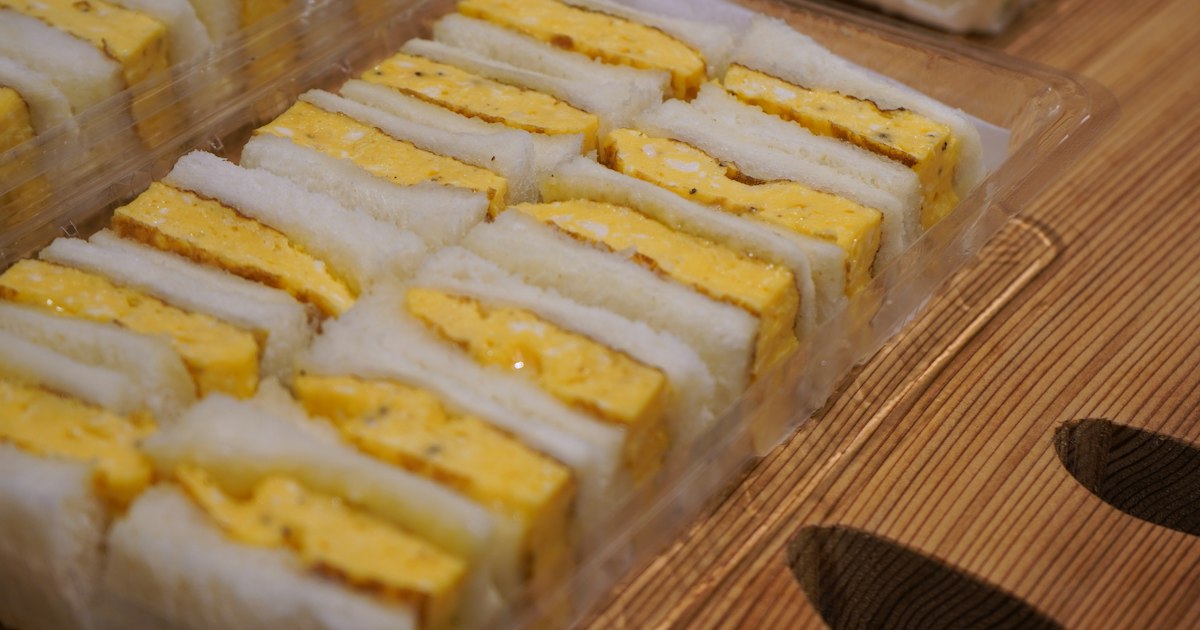
    SEVEN CAFÉ is arguably the most famous of the three and consistently rated highest for taste by Japanese consumer surveys. The process: grab an empty cup and lid from the stand next to the machine (sizes are stacked separately — don’t grab the wrong one), take it to the register to pay, then bring the paid cup back to the machine and press the corresponding size/hot-or-ice button. The machine grinds beans fresh for each cup, which is why the regular drip coffee tastes noticeably better than typical gas-station coffee back home despite the low price. 7-Eleven also tends to rotate in café-style drinks like caffè latte and seasonal frappés in summer. A coffee here pairs extremely well with their tamago sando egg sandwich, which is sold at the same registers and makes for one of the best cheap breakfasts in the country.

    FamilyMart’s Famima Café: What to Expect

    FamilyMart’s Famima Café follows the same cup-then-machine logic, though in many renovated stores the machine itself has a card/IC reader (Suica, Pasmo, or credit card) so you can skip the register line entirely and pay directly at the machine — look for a tap-to-pay symbol on the screen before queuing at the till. Famima Café is a reliable choice if you’re craving something heartier alongside your coffee: FamilyMart is one of the best chains for kare pan (curry bread), which holds up surprisingly well as a coffee-and-pastry combo.

    Common Mistakes First-Timers Make

    • Taking the cup before paying. At 7-Eleven especially, cashiers expect you to bring an unpaid empty cup to the register — don’t fill it first and don’t walk off with it unpaid.
    • Grabbing the wrong cup size. S, R, and L cups are often stacked in separate but similar-looking columns; double-check before you pay, since the machine will only accept the size you were charged for.
    • Forgetting the lid. Lids are usually in a separate dispenser near the cup stand, not attached to the cup — look for a tray of plastic lids sorted by size.
    • Pressing “ice” for a hot drink or vice versa. The buttons are usually labeled only in Japanese kanji (温かい/hot, アイス/ice) with small English sometimes underneath — look for a sun or snowflake icon if you’re unsure.
    • Standing too long at a busy machine during rush hour. Office workers queue fast around 8–9am and after lunch (12–1pm); if you’re not in a hurry, mid-morning or mid-afternoon is a calmer window to figure out the buttons without feeling rushed.

    Budget, Mid-Range, and Splurge Picks

    Budget (¥100–¥150): plain drip coffee, hot or iced, at any of the three chains — genuinely good enough to drink every day of a trip.

    Mid-range (¥180–¥250): café latte, cappuccino, or Lawson’s matcha/hojicha latte — closer to café quality, still faster and cheaper than a sit-down coffee shop.

    Splurge (¥300–¥400): seasonal frappé-style or specialty drinks that appear a few times a year (think chestnut latte in autumn, frozen caramel in summer) — these rotate quickly, so if you see one that looks interesting, try it before it disappears from the menu.

    Best Times to Go and How to Pair It

    Because konbini are everywhere — there are roughly 56,000 convenience stores in Japan — they’re an easy substitute for hotel breakfast, especially if you’re staying at a business hotel chain like Toyoko Inn or APA that charges extra for a buffet. Early morning (6–8am) is the quietest time to use the machines before the commuter rush, and most stores restock pastries and sandwiches right around then, so the food selection is freshest. If you want a slightly more indulgent pairing, grab an anpan red bean bun alongside your coffee — the mild sweetness balances the roasted bitterness of konbini drip coffee far better than you’d expect.

  • Tamago Sando: Why Japan’s Convenience Store Egg Sandwich Is Worth the Hype

    Tamago Sando: Why Japan’s Convenience Store Egg Sandwich Is Worth the Hype

    Photo by Yosuke Ota on Unsplash

    Ask any Japan-obsessed foodie what to eat on day one, and “the Lawson egg sandwich” comes up more often than ramen. Tamago sando — a pillowy egg salad sandwich pressed between crustless milk bread — has become one of the most talked-about convenience store foods in the country, and for once, the hype is backed by actual texture and flavor, not just social media. Here’s what it is, where to find the best versions, and how to avoid the rookie mistakes that lead tourists to a sad, soggy sandwich.

    What Makes Tamago Sando Different from a Western Egg Sandwich

    The defining feature isn’t the egg — it’s the bread. Japanese tamago sando is built on shokupan, the country’s famously soft, slightly sweet milk bread, sliced thick and with the crusts trimmed off. If you want to understand why that bread matters so much, it’s worth reading our guide to Shokupan: Japan’s Fluffy Milk Bread and the Bakeries Worth a Detour — the same bakeries that perfected shokupan are often the ones making the best sando in a given city.

    The filling itself is usually a mix of boiled egg, raw egg mixed in while still warm (to create a custardy, almost soufflé-like texture), and Kewpie mayonnaise — Japan’s tangier, umami-rich mayo made with only egg yolks. Some versions add a thin layer of tamagoyaki (rolled omelet) instead of, or in addition to, the egg salad. Either way, the result is softer, creamier, and less vinegary than a typical American or British egg sandwich.

    The Convenience Store Holy Trinity: Lawson, 7-Eleven, FamilyMart

    You don’t need to seek out a specialty shop to try a good one — that’s the whole point of the obsession. Japan’s three major convenience store chains (konbini) all sell tamago sando in the sandwich section, usually near the onigiri and pre-made pasta.

    • Lawson is generally considered to have started the modern craze with its egg salad sando, prized for an unusually thick, soft egg filling. Price: roughly ¥230–270 depending on the store and any seasonal upgrade (some Lawson locations sell a “premium” double-egg version for closer to ¥320–350).
    • 7-Eleven leans slightly firmer and more classic in texture, often with a visible tamagoyaki layer. Price: around ¥220–260.
    • FamilyMart sits in between the two, with a noticeably sweeter bread. Price: around ¥220–260.

    Conbini are everywhere — there’s rarely more than a few minutes’ walk between one and the next in any city center, and most are open 24 hours. You’ll find them clustered around train stations, which is exactly where you want to grab one anyway: tamago sando is the ideal fuel for a train platform breakfast or a park bench lunch between sightseeing stops.

    Specialty Shops Worth a Detour

    If you want to taste what the conbini chains are chasing, Tokyo has several bakeries built around sandwiches specifically. Center The Bakery, with locations in Shibuya and Daikanyama, is the most famous — their tamago sando (around ¥500–600) uses a much richer, custard-like egg filling and noticeably denser, more buttery bread. Expect a short line, especially on weekend mornings, since portions often sell out by early afternoon.

    These bakery versions are a good benchmark if you’re curious how far the convenience store product is from the “real” artisanal thing — the gap is smaller than you’d expect, which is exactly why Lawson’s version gets so much attention from Japanese food critics, not just tourists.

    Best Time to Buy, and Common Mistakes

    Conbini restock fresh sandwiches multiple times a day, typically mid-morning and again in the early afternoon, so sando bought right after a delivery truck visit will be noticeably fresher than one that’s been sitting since the previous shift. If a store looks freshly stocked (full shelves, straightened displays), that’s usually a good sign.

    The most common visitor mistakes:

    • Buying it cold and eating it cold. Tamago sando is meant to be eaten chilled but soon after purchase — don’t let it sit in a hot bag for hours, since the mayo-based filling doesn’t hold up well in summer heat.
    • Checking the date wrong. Japanese expiration labels show both a date and a time (e.g., “10/24 14:00”) — that’s the cutoff, not just the day.
    • Skipping it in favor of onigiri out of habit. Rice balls get all the tourist attention, but the sandwich fridge is just as worth browsing — this is also where you’ll find kare pan and other conbini bread favorites if you want to sample a few items side by side.
    • Assuming all branches are equal. Even within the same chain, quality can vary slightly by region, since some items are baked by different regional factories — if your first try disappoints, don’t write off the whole category.

    Budget, Mid-Range, and Splurge Options

    This is a rare food category in Japan where “budget” genuinely means “the best-reviewed version.”

    • Budget (¥220–270): Any conbini tamago sando — Lawson is the consensus pick for texture, 7-Eleven for a firmer bite.
    • Mid-range (¥350–450): Department store basement food halls (depachika) and train station bakeries often sell an upgraded version with thicker-cut bread and premium eggs.
    • Splurge (¥500–800): Specialty sandwich bakeries like Center The Bakery, or hotel bakery counters in Tokyo and Osaka, which sometimes add ingredients like truffle salt or wagyu katsu alongside the egg.

    Given how cheap even the splurge tier is compared to most Japanese food experiences, it’s genuinely worth trying all three tiers across a trip rather than picking just one.

    Pairing It Like a Local

    Konbini regulars usually pair tamago sando with a canned coffee or green tea, but it also works well with a cold bottle of ramune if you’re eating it as an afternoon snack rather than breakfast. If you’re building a full conbini or fast-food comparison crawl during your trip, it’s worth reading up on Gyudon Chains Compared: Yoshinoya vs Sukiya vs Matsuya too — between gyudon, tamago sando, and a few onigiri, you can eat extremely well in Japan for under ¥1,500 a day without ever sitting down at a restaurant.

    Tamago sando isn’t going to show up on any “must-see” itinerary alongside temples and shrines, but it’s one of those small, repeatable pleasures that ends up defining a trip — the thing you grab out of habit by day three and specifically miss once you’re home.

  • Shokupan: Japan’s Fluffy Milk Bread and the Bakeries Worth a Detour

    Shokupan: Japan’s Fluffy Milk Bread and the Bakeries Worth a Detour

    Photo by Charles Chen on Unsplash

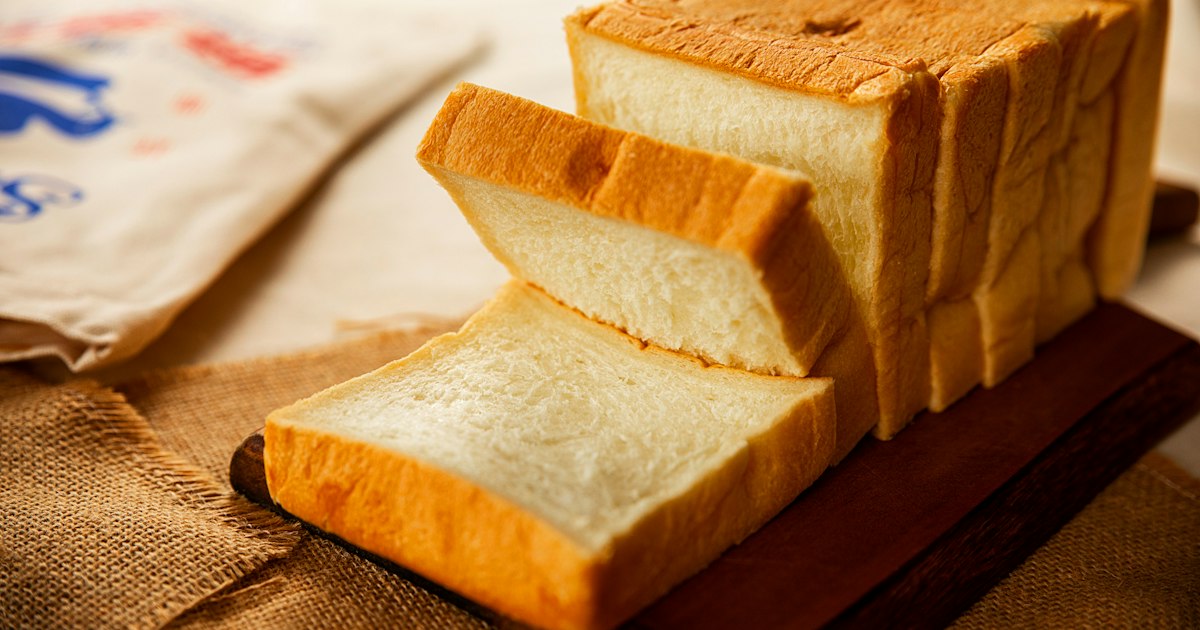
    Shokupan (食パン) is the loaf of bread you’ll see stacked in every Japanese convenience store, supermarket, and depachika food hall — but the version worth traveling for is a different animal entirely. Enriched with milk, cream, and sometimes a touch of honey, a well-made shokupan has a crust so thin it barely registers and a crumb so soft it tears like cotton candy. For visitors used to crusty European-style loaves, it’s a genuinely different texture experience, and a handful of Tokyo bakeries have built cult followings — and queues — around it. Here’s what makes it special, where to actually find the good stuff, and how to avoid the rookie mistakes that leave people staring at an empty shelf.

    What Makes Shokupan Different from Western Sandwich Bread

    The name literally means “eating bread,” coined in the Meiji era to distinguish it from rice as a staple. Japanese bakers adapted Western-style bread by increasing the ratio of milk, butter, and sugar, and often using a tangzhong-style water-roux or overnight sponge method (yudane or nakadane) that locks in moisture. The result is a loaf that’s noticeably sweeter, denser in a good way, and stays soft for days rather than going stale overnight. It’s usually sold two ways: as “regular” (角型, kakugata), baked in a lidded pan for a square top, or “mountain” (山型, yamagata), baked lid-off for a domed, slightly airier top. Connoisseurs argue endlessly about which is better — mountain-style tends to have a lighter crumb, square-style a denser, more buttery bite.

    Pelican Bakery, Asakusa: The One That Sells Out by Mid-Morning

    Pelican (ペリカン) has been baking the same two loaves — regular and large — since 1942, using the same mixer and a dedicated oven brought from Germany decades ago. It’s a bakery-only shop in Asakusa (2-4-7 Kotobuki, Taito-ku), open roughly 8:00 to 18:00 on weekdays only — closed Saturdays, Sundays, and public holidays — and it is cash only. The bread itself costs only a few hundred yen a loaf, but the real cost is timing: popular sizes routinely sell out by mid-morning, and locals queue before opening. If you want a loaf rather than just a look, show up close to 8:00, not noon. Pelican also runs a sit-down annex nearby (Pelican Cafe) serving toast sets and the famous coppe pan (a soft hot-dog-style roll) if the loaves are already gone by the time you arrive. Since Asakusa is a morning-first neighborhood anyway — the Senso-ji approach is far calmer before 9:00 — it pairs naturally with an early bread run. If you’re basing yourself nearby, several business hotel chains have locations within walking distance of Asakusa, which makes an early-opening-hours bakery far less painful to catch.

    Centre the Bakery, Jingumae: Omotesando’s Cult Loaf

    If Pelican is the old-school original, Centre the Bakery (by Le Sucré-Coeur) is its glossy modern counterpart. Tucked just off the Omotesando shopping strip in Jingumae, it sells a single dense, buttery “Shibuya” shokupan loaf for roughly ¥1,000–1,300, with a strict per-customer purchase limit because demand outstrips what the ovens can produce in a day. There’s a café upstairs where you can order toast sets (thick-cut shokupan with butter, or a French-toast style preparation) for around ¥700–900 if you’d rather eat on the spot than carry a loaf around all day. Arrive on the earlier side of opening — late morning on weekends often means a 30–45 minute wait just to buy bread. Combine it with a stroll down Omotesando itself; the bakery sits close enough to the boulevard’s flagship stores that it slots naturally into a half-day of window shopping.

    Where Shokupan Fits in Japan’s Bread Culture

    Shokupan isn’t an isolated curiosity — it’s the backbone of a whole bread tradition that Japan built almost from scratch in the 20th century. The country’s bakeries took the Western loaf and ran in wildly different directions: sweet, stuffed versions like the red-bean-filled anpan, invented at Kimuraya in Ginza in 1874, and savory, deep-fried versions like kare pan, the curry-stuffed bun found at nearly every konbini. Shokupan is the plain, unsweetened base that all of this grew out of — which is partly why a genuinely excellent loaf is treated with such reverence. If anpan and kare pan are the flashy results of Japan’s bread experimentation, shokupan is the control group, and the best bakeries take pride in nailing the fundamentals.

    Budget, Mid-Range, and Splurge Options

    You don’t need a pilgrimage to taste good shokupan, though the quality tiers are real:

    • Budget (¥150–300 a loaf): Major brands like Pasco and Yamazaki Baking sell perfectly decent shokupan in every convenience store and supermarket. Look for “double soft” or “gold” labeled lines — they’re a step up from the cheapest store-brand loaves and a fine way to try the texture without planning anything.
    • Mid-range (¥400–900): Neighborhood bakeries (machi no pan-ya) in almost any residential area sell fresh shokupan baked that morning. These rarely have English signage or queues, which is part of the appeal — ask for “shokupan” and point.
    • Splurge (¥1,500–2,500): The “nama shokupan” (raw/cream-style milk bread) boom that started in the 2010s produced specialty chains that sell a single gift-wrapped loaf, often with a numbered ticket system at busy branches. These are richer, almost custard-like in the crumb, and are commonly bought as gifts — you’ll see them in department-store basement food halls (depachika) ribboned in a box, next to equally gift-ready items like boxed White Day chocolate.

    Common Mistakes Visitors Make

    The single biggest misstep is timing: treating a famous bakery like a regular shop you can swing by at 2pm. Popular shokupan loaves are baked in limited batches and often sell out before lunch — Pelican and Centre the Bakery both routinely run dry well before closing time. The second mistake is assuming you can buy with a card; several old-school bakeries, Pelican included, are cash only. Third, don’t try to toast shokupan the way you’d toast a baguette — it’s milk-and-butter-rich and burns fast at high heat; a lower setting with a slightly longer time gets the golden, crisp-edged result these bakeries are actually known for. Finally, if you’re buying a loaf to take home, know that shokupan has no preservatives and is best eaten within 2–3 days; it freezes well sliced, which is how most Japanese households actually handle extra loaves.

    Best Season and Timing to Visit

    Shokupan isn’t seasonal the way produce or sakura-themed treats are, so there’s no bad month to go — but practically speaking, weekday mornings beat weekend ones everywhere. Weekend queues at Centre the Bakery and similar spots can stretch past peak lunch hours, while a Tuesday or Wednesday arrival near opening time usually means a five-to-ten-minute wait. If your trip includes a stay anywhere near Asakusa or Shibuya, building a 15-minute bakery stop into the start of your day — before the metro gets crowded and before the day’s main sightseeing — is the easiest way to taste the real thing without rearranging your itinerary around it.

  • Anpan: Japan’s Red Bean Bun and the Anpanman Connection

    Anpan: Japan’s Red Bean Bun and the Anpanman Connection

    Photo by he gong on Unsplash

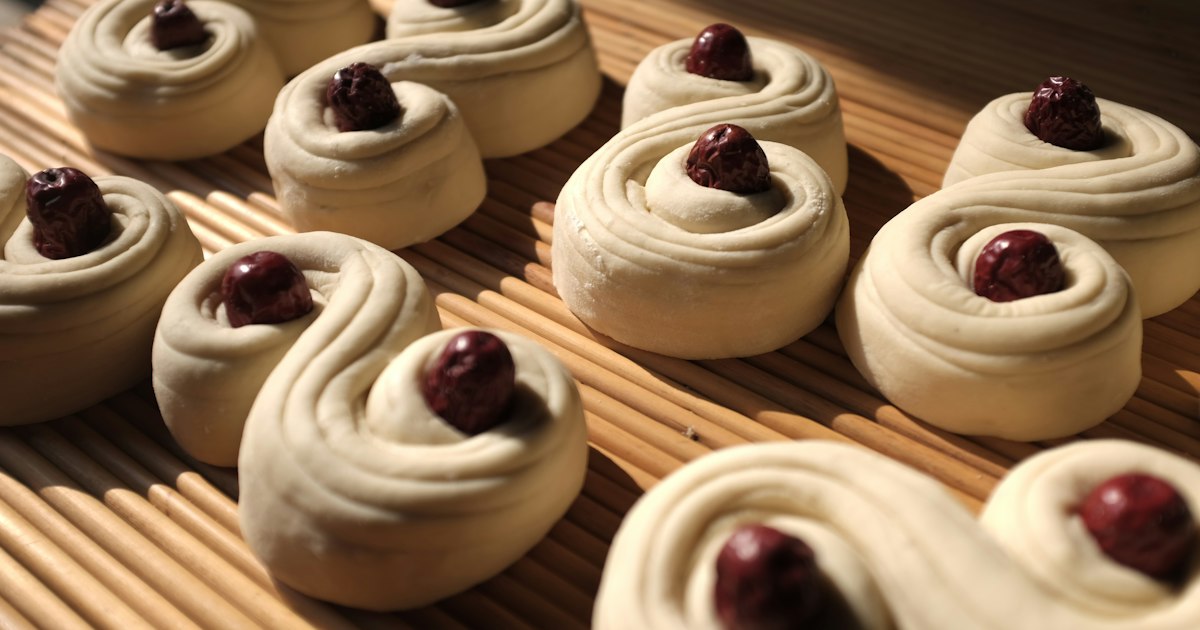
    If you’ve spent even a day in Japan, you’ve probably walked past a stack of soft, slightly glossy round buns with a dark filling inside, usually sitting near the register at a convenience store or piled in a bakery window. That’s anpan — one of Japan’s oldest Western-style breads, and the unlikely inspiration for one of the country’s most beloved children’s characters. This guide covers what anpan actually is, where to find the best versions at every budget, and how a century-old bun became a cartoon superhero with his own museums.

    What Anpan Actually Is

    Anpan is a soft, yeasted bun filled with anko (sweetened red bean paste), either smooth (koshian) or chunky (tsubuan). It was invented in 1874 by Yasubei Kimura, a former samurai who opened a bakery in Tokyo’s Ginza district after Japan opened to Western trade. At the time, bread was a novelty import that most Japanese people found bland and strange. Kimura’s solution was to stuff Western-style yeast bread with a filling Japanese palates already loved — and anpan became Japan’s gateway bread, eventually leading to an entire category of “kashi-pan” (sweet breads) that includes melon pan, cream pan, and curry buns. If you want to see where that lineage led on the savory side, our guide to kare pan, Japan’s curry-filled bread, covers the other branch of the same family tree.

    Most anpan also has a small navel-like indent on top, often pressed with a few grains of poppy seed (for red bean), sesame (for white bean), or a cherry blossom salt petal (for sakura-flavored versions in spring). That indent isn’t decorative — Kimura reportedly borrowed the idea from Japanese sweets traditions to distinguish fillings at a glance.

    Where to Buy It — Budget to Splurge

    Anpan is sold everywhere in Japan, but quality varies enormously by price tier.

    • Budget (¥110–¥160): Every convenience store (7-Eleven, Lawson, FamilyMart) and supermarket bakery section sells individually wrapped anpan. Yamazaki is the most common mass-market brand. It’s perfectly fine for a quick breakfast but noticeably sweeter and softer than bakery-fresh versions.
    • Mid-range (¥180–‘350): Local neighborhood bakeries (machi no pan-ya) bake anpan fresh daily, usually selling out of the morning batch by early afternoon. Look for a bakery with a wood-fired or visible oven and a line of regulars — that’s your signal.
    • Splurge (¥400+): Ginza’s Kimuraya, the original 1874 bakery, still operates from its flagship location and sells a sakura anpan (cherry blossom and leaf folded into the dough) that’s considered the standard-bearer. It’s a short walk from the Omotesando shopping area if you’re already out that way — see our guide to Omotesando’s shopping streets for context on the area. Kimuraya Ginza’s main store is open daily, roughly 10:00–21:00, and is a two-minute walk from Ginza Station.

    Best Season and Timing

    Anpan is sold year-round, but two windows are worth planning around. Sakura (cherry blossom) anpan, filled with a pickled cherry leaf and sometimes white bean instead of red, appears from late March through April to coincide with hanami season — Kimuraya in particular is known for this version. Bakeries also sell out of their best anpan early: arrive before 10am for the freshest stock at popular shops, since afternoon batches are often the previous day’s dough reheated or a smaller, less carefully baked second run.

    The Anpanman Connection

    Anpanman (literally “Anpan Man”) is a superhero with a red bean bun for a head, created by illustrator and writer Takashi Yanase in 1973 and turned into a long-running anime in 1988. His origin story ties directly to the bread: Anpanman was conceived during Japan’s postwar years as a hero who literally feeds the hungry by letting people tear off and eat pieces of his bun head, regenerating a fresh one from a bakery run by his creator character, Uncle Jam. Yanase, who had experienced wartime famine firsthand, wanted a hero whose heroism was as simple and unglamorous as giving someone food.

    Anpanman is now one of the most-watched children’s franchises in Japan, and his face appears on everything from onigiri wrappers to bath toys. There are dedicated Anpanman Children’s Museums in five cities — Yokohama, Kobe, Nagoya, Sendai, and Fukuoka — each combining indoor play areas with a bakery selling character-shaped bread. The original and largest is the Yokohama Anpanman Children’s Museum & Mall, open daily 10:00–17:00 (museum floor; the mall stays open later), with museum admission around ¥2,200–¥2,600 for anyone over age 1 and free entry to the attached shopping mall and bakery if you just want the character bread and merchandise without paying for the play area. It’s about a 7-minute walk from Minatomirai Station on the Minatomirai Line.

    Merchandise and Common Mistakes

    Anpanman goods are sold far beyond the museums — in department store character shops, at Tokyo Station’s character street, and occasionally as prizes in crane game machines, similar to what’s covered in our guide to UFO catchers and how to win at them. Limited-edition Anpanman figures and plush toys also occasionally turn up as prizes in blind-box lottery draws at convenience stores, the same format explained in our guide to Ichiban Kuji at Lawson and Loppi, though Anpanman runs are aimed more at families than collectors and sell out fast when they appear.

    A few common mistakes to avoid: don’t assume all “anpan” is red bean — some bakeries sell shiro-an (white bean) or even matcha versions under the same name, so check the label or ask if you have a preference. Don’t buy anpan expecting cream-pan softness and sweetness; it’s denser and less sugary than Western-style sweet rolls, which surprises some first-time visitors. And at the Yokohama or Kobe museums, don’t skip the bakery counter even if you don’t pay for museum admission — the character-shaped bread sold there (plain stores don’t carry these shapes) is reason enough to stop by, and it typically runs ¥250–¥450 per piece.

    Pairing Anpan With the Rest of Your Trip

    Anpan travels well, which makes it a good train-platform or hotel-room breakfast if you’re staying at a budget chain like those compared in our business hotel chains guide — most come with a simple breakfast but convenience-store anpan is a solid backup for early departures. It also keeps for a day at room temperature, so it’s a reasonable snack to tuck into a bag before a long ferry or rail trip, like the routes described in our guides to Hakodate’s ferry access. However you encounter it — straight from a convenience store shelf or fresh from Kimuraya’s Ginza oven — anpan is one of the cheapest, most historically interesting bites you can try in Japan, and now you know why a flying bread-headed superhero is named after it.

  • Banko-yaki: Mie’s Clay Teapots and Japan’s Everyday Pottery Craft

    Banko-yaki: Mie’s Clay Teapots and Japan’s Everyday Pottery Craft

    Photo by Geoff Oliver on Unsplash

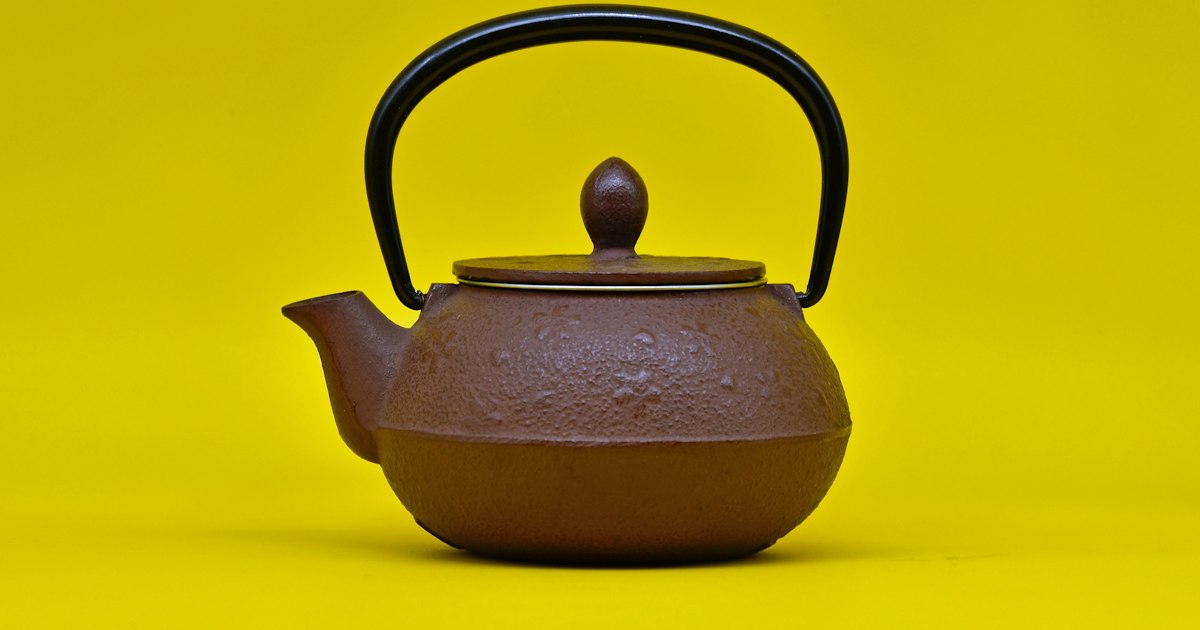
    If you’ve ever had green tea poured from a small, unglazed reddish-brown teapot at a ryokan or a friend’s house in Japan, there’s a good chance it was Banko-yaki. Made in and around Yokkaichi in Mie Prefecture, Banko-yaki (万古焼) isn’t the pottery style tourists usually chase — it doesn’t have the rustic cachet of Hagi ware or the collector prestige of Imari — but it’s arguably the pottery most Japanese households actually use every day. This guide covers what makes it special, where to buy it, what it costs, and how not to ruin a good teapot once you get it home.

    What Makes Banko-yaki Different

    Banko-yaki’s signature product is the shidei (紫泥, “purple mud”) teapot: unglazed, dense, iron-rich clay fired to a deep reddish-brown or near-purple color. The high iron content is said to react with tannins in tea, softening bitterness and rounding out the flavor — which is why serious sencha and gyokuro drinkers in Japan often specifically seek out a Banko kyusu rather than a glazed one. Yokkaichi is widely credited as Japan’s largest production center for kyusu (teapots), supplying a large share of the teapots sold nationwide, most of them from small family workshops rather than big factories.

    The other thing Banko-yaki is known for is donabe — the heavy clay pots used for nabe hot pot, rice cooking, and steaming. Local clay bodies are often blended with petalite (a lithium mineral), which gives the fired pot unusual resistance to thermal shock, so it can go straight onto a gas flame without cracking. If you’ve shopped for a donabe at a department store anywhere in Japan, odds are decent it came from this region even if the label doesn’t shout it.

    Where It’s Made and How to Get There

    The production area centers on Yokkaichi City and neighboring Yokkaichi-Kuwana, about 25–40 minutes from Nagoya. The easiest route is the Kintetsu Nagoya Line limited express from Kintetsu Nagoya Station to Kintetsu Yokkaichi Station — around 30 minutes, roughly ¥1,500 including the limited express surcharge (a regular express train takes a little longer and costs about ¥500 less). From Osaka or Kyoto, it’s a longer Kintetsu ride (around 1.5–2 hours) or a JR/Shinkansen-plus-local combination via Nagoya. If you’re basing yourself in Nagoya for a night, see our guide to business hotel chains in Japan for practical, well-located options near the station.

    Once in Yokkaichi, the kiln district (the old Banko-yaki production area) is a short bus or taxi ride from the station, and several workshops welcome walk-in visitors, though hours vary by shop and many close on Sundays or Mondays — call ahead or check in Japanese via the shop’s listed phone number if you’re set on a specific kiln.

    Where to Buy It

    The single best one-stop option is the Banko Yaki Kaikan (万古陶磁器会館, Banko Ceramics Hall) in Yokkaichi, a showroom-style building where multiple local kilns display and sell their work under one roof — useful if you want to compare shidei teapots side by side before buying, typically open roughly 9:00–17:00 on weekdays with reduced weekend hours. Staff are used to foreign visitors asking basic questions about teapot care, though English fluency varies.

    For a livelier visit, time your trip to the annual Banko-yaki Matsuri (Banko Pottery Festival), usually held in early May around Golden Week near the Banko Shrine and kiln district, where dozens of workshops sell directly at discounted festival prices — this is the single best time to find budget pieces and factory seconds. Outside festival season, Yokkaichi’s shopping streets near the station and a few shops in central Nagoya (including department store ceramics floors) carry Banko-yaki alongside other regional pottery. If you’re also interested in how other regions approach pottery, it’s worth comparing notes with our guide to Hagi ware in Yamaguchi, which covers a very different, glaze-focused tea-ceremony tradition.

    Budget, Mid-Range, and Splurge Picks

    Banko-yaki is refreshingly affordable compared to prestige wares. A small, simple unglazed kyusu (around 200–300ml, good for one or two cups) typically runs ¥2,500–¥5,000 at kiln-direct shops or the festival. Mid-range pieces — hand-thrown by a named maker, with a ceramic mesh strainer built into the spout rather than a cheap removable metal one — land in the ¥8,000–¥20,000 range and make genuinely nice gifts. At the top end, teapots by recognized Banko-yaki artisans (some holding “Dento Kogeishi,” or traditional craftsman, certification) can run ¥30,000–¥80,000 or more, particularly for larger pots with intricate hand-carved or hand-painted decoration. Donabe hot pot vessels span a similarly wide range: roughly ¥3,000–¥6,000 for an everyday single-person size, up to ¥15,000+ for large family-size pots from well-known kilns.

    Common Mistakes to Avoid

    • Washing with detergent. Unglazed shidei clay is porous and absorbs flavor over time — that’s part of what makes it good at tea. Soap residue gets absorbed too. Rinse with hot water only and let it air dry.
    • Assuming it’s dishwasher- or microwave-safe. Most traditional unglazed kyusu are neither; ask the shop explicitly if you plan to use it daily and want that convenience.
    • Ignoring the strainer type. Banko teapots use either a built-in ceramic mesh (fired into the clay, more traditional, slightly harder to clean) or a removable stainless mesh (easier to clean, slightly less “authentic”). Neither is wrong, but know which you’re buying — it affects both cleaning and how fine the tea leaves need to be.
    • Buying a donabe without asking about seasoning. Some donabe need an initial “medium” (a rice-water pre-soak/boil) before first use to seal the clay. Shop staff will tell you if yours does; skip this step and you risk cracking on first use.
    • Overpacking fragile pieces. If you’re buying mid-trip rather than at the end, most Banko-yaki shops will wrap pieces securely for carry-on travel, but ask for extra padding or a box — these are genuinely more fragile than they look in your suitcase.

    Best Time to Visit

    Early May, for the Banko-yaki Matsuri, is the single best window if your schedule allows it — good prices, maker demonstrations, and a far wider selection than any single shop. Outside that, any weekday works well for visiting the Banko Yaki Kaikan or individual kilns, since weekends can mean reduced hours at smaller family workshops. If pottery and traditional craft shopping is a theme of your trip, it pairs naturally with a stop to see Hakata Ningyo clay dolls in Fukuoka or to try a proper tea ceremony in Kyoto or Tokyo once you’ve got a teapot to use at home.

  • Hakata Ningyo: Fukuoka’s Traditional Clay Dolls and Where to Buy Them

    Hakata Ningyo: Fukuoka’s Traditional Clay Dolls and Where to Buy Them

    Photo by Nichika Sakurai on Unsplash

    Long before Fukuoka became known for ramen stalls and the Yamakasa festival, it was known for dolls. Hakata ningyo — small, unglazed clay figures painted in soft mineral colors — have been made in this corner of Kyushu for roughly 400 years, and the city’s shops, arcades, and craft museums still sell them today. If you’re passing through Hakata Station on a Shinkansen layover or spending a few days in Fukuoka, here’s exactly where to find authentic pieces, what they cost, and what to watch out for.

    A Craft Born Beside Fukuoka Castle

    According to local tradition, Hakata ningyo began around 1600, when a tile maker working on the construction of Fukuoka Castle started shaping leftover clay into small figures in his spare time. The craft developed over the following centuries into a distinct style of unglazed, hand-painted clay sculpture, and it was formally recognized as a national traditional craft (dento kogei) by the Japanese government in 1976 — the same designation held by crafts like Hagi ware pottery in neighboring Yamaguchi. Unlike glazed ceramics, Hakata ningyo rely on fine clay modeling and a final layer of gofun (crushed shell pigment) and mineral paint for their soft, lifelike skin tones and detailed costumes.

    What You’re Actually Looking At

    Classic subjects include bijin (elegant women in kimono, often mid-gesture — adjusting a hairpin or playing an instrument), children (karako), Noh and Kabuki characters, historical and samurai figures, and auspicious animals for New Year. More recently, makers have produced figures tied to the Hakata Gion Yamakasa festival and smaller novelty pieces aimed at tourists. The giveaway of a genuine piece is the maker’s signature or a small stamp on the underside of the base, plus visibly hand-painted detail — brushstrokes in the hair and fabric patterns rather than a uniform printed finish.

    Best Places to Buy Hakata Ningyo in Fukuoka

    The most reliable starting point is the Hakata Traditional Craft and Design Museum (博多伝統工芸館), located directly across from Hakata-za Theater, a short walk from Canal City Hakata and Nakasu-Kawabata or Gion subway stations. It functions as both a small exhibition space and a shop, with work from a range of local artisans at different price points and craftspeople sometimes demonstrating on-site. It keeps standard museum-retail hours (roughly 10:00 a.m. to 6:00 p.m., with a weekly closing day), so it’s worth checking opening status on the day if you’re building a tight itinerary.

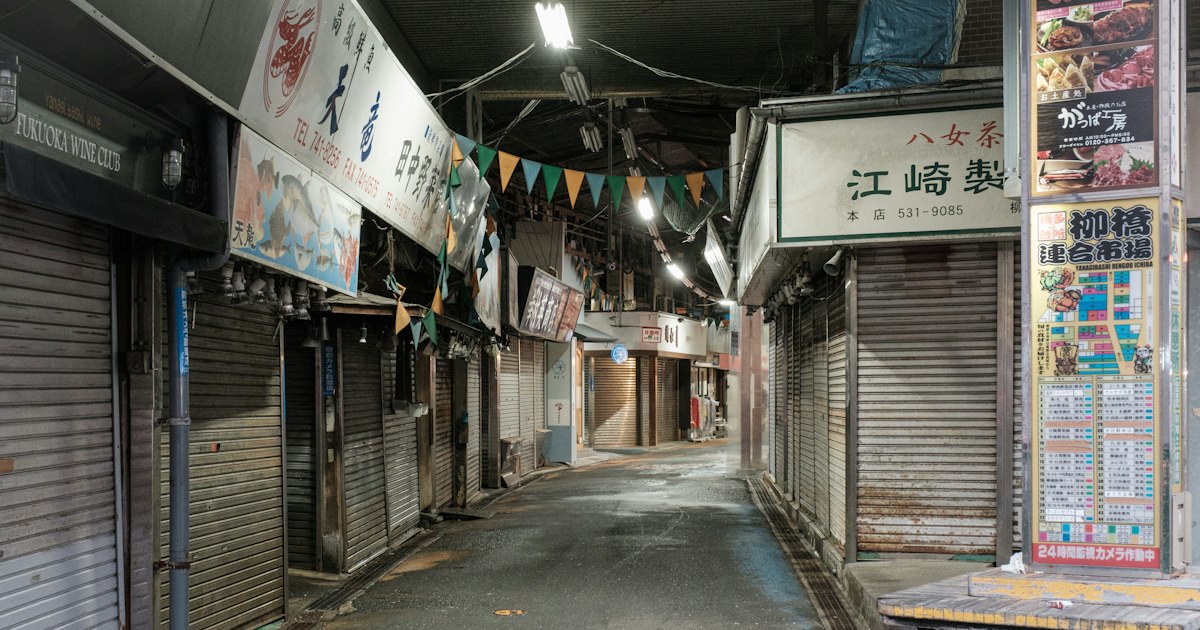
    From there, walk into the covered Kawabata Shopping Arcade, Fukuoka’s oldest shopping street, where a handful of long-running shops sell Hakata ningyo alongside other local crafts — this is a good spot for browsing multiple price tiers in one visit without planning a separate trip. Nearby, the Hakata Machiya Furusato Kan near Kushida Shrine has a small shop attached to its exhibits on traditional Hakata crafts and festival culture, useful if you want context on the Yamakasa floats before buying a festival-themed figure.

    For a no-fuss option, the craft sections of major department stores in Tenjin (such as Iwataya) regularly stock Hakata ningyo from established studios. And if you’re buying at the last minute, the gift shops at Fukuoka Airport and inside Hakata Station carry smaller, lower-priced pieces — fine as souvenirs, though the selection skews toward simpler, mass-produced designs rather than one-off artisan work.

    What You’ll Actually Pay

    Prices vary enormously by size and who made the piece:

    • Budget (¥1,000–3,000): Small keychain or palm-sized figures, often sold at the airport or station — a fine light souvenir, but not collector-grade.
    • Mid-range (¥8,000–30,000): Hand-painted pieces roughly 10–20cm tall from named studios, the sweet spot for a genuine but packable souvenir.
    • Splurge (¥50,000–300,000+): Larger, more detailed figures from recognized artisans, sold at the craft museum or specialty shops. Work by designated master craftsmen can run well beyond this.

    Unlike shopping on a glossy boulevard such as Omotesando, haggling isn’t customary here — prices are fixed, but staff at the smaller shops are usually happy to explain a piece’s background if you ask.

    Best Time to Visit

    Any season works for shopping, since the dolls are made year-round, but two windows add extra context. During the Hakata Gion Yamakasa festival (July 1–15), the towering decorated floats around the city are adorned with elaborate figures made using Hakata ningyo techniques, and related festival-themed pieces appear in shops — it’s the most atmospheric time to connect the craft to the city, though accommodation books up and the city is hot and crowded. Around New Year, shops stock seasonal figures (zodiac animals, lucky motifs) that make distinctive, time-stamped souvenirs you won’t find the rest of the year.

    Getting There and Getting Around

    Hakata Station is the transport hub: it’s the Kyushu Shinkansen terminus and also served by local JR lines and the Fukuoka City Subway. From the station, it’s about a 10–15 minute walk (or one subway stop to Gion or Nakasu-Kawabata) to the Canal City/Kawabata/Kushida Shrine cluster where most of the shops above are concentrated — compact enough to cover on foot in a single afternoon. If you’re coming from an evening out or don’t want to navigate the arcade with shopping bags, a short taxi ride back to your hotel is inexpensive within central Fukuoka. For an overnight stay, Hakata Station itself is ringed with reliable, affordable options — see this comparison of business hotel chains in Japan if you’re deciding between Toyoko Inn, APA, and Dormy Inn locations nearby.

    Common Mistakes to Avoid

    The biggest one is assuming every clay doll labeled “Hakata” in a souvenir shop is authentic — look for a maker’s signature or association stamp on the base, especially for anything priced like a collector’s piece. Second, these are unglazed, hand-painted clay figures, not resin: they’re more fragile than they look, and dropping one can chip the paint or crack the clay permanently, so ask staff for proper box packing before you leave, particularly if the doll is going into checked luggage. Third, don’t rush the choice — because subjects range from delicate bijin to comic children’s figures to fierce Noh characters, it’s worth browsing a few shops (the craft museum and Kawabata arcade together take under two hours) rather than grabbing the first display case you see near the station. Finally, if you’re also interested in regional crafts elsewhere in Japan, pieces like wa-rousoku candles share the same “small workshop, hand-finished, buy direct from the source” shopping logic — worth keeping in mind if Fukuoka is one stop on a wider craft-shopping itinerary.

  • Shodoshima: Setouchi’s Olive Groves and Udon Highway Next to Naoshima

    Shodoshima: Setouchi’s Olive Groves and Udon Highway Next to Naoshima

    Photo by Alexander Ramsey on Unsplash

    Most visitors to the Seto Inland Sea beeline for Naoshima’s art museums and never look at the much larger island sitting just across the water. That’s Shodoshima, Japan’s olive-growing capital, a place of terraced groves, century-old soy sauce breweries, and more udon shops per capita than almost anywhere outside Kagawa’s mainland. It pairs naturally with an art-island itinerary but is worth a full day or two on its own merits — slower, greener, and a lot less crowded than its famous neighbor.

    Getting There: From Naoshima, Takamatsu, or Okayama

    Shodoshima sits in the Seto Inland Sea between Honshu and Shikoku, and there’s no single “correct” gateway — your best route depends on where you’re coming from.

    • From Naoshima: A direct ferry runs between Naoshima’s Miyanoura port and Shodoshima (routed via Teshima), operated by local ferry companies rather than the Shikoku Kisen boats you’d use for Naoshima–Takamatsu. Sailings are limited — often just one or two a day outside the Setouchi Triennale art festival — and the crossing takes roughly an hour. Check the current timetable before building your day around it, since missing the one afternoon return boat means an unplanned overnight stay.
    • From Takamatsu: The most frequent and reliable option. Regular car ferries to Tonosho port take about an hour; a faster jet-powered boat does it in roughly 35 minutes. Boats run close to hourly during the day, so this is the safer bet if your schedule is tight.
    • From Okayama (Uno port): Another frequent ferry link, useful if you’re coming from the Honshu side rather than Shikoku, with a crossing time of around an hour.
    • From Himeji: A longer ferry (about 1.5–2 hours) that’s convenient if you’re combining Shodoshima with Himeji Castle.

    If your route into the region goes through Okayama or Himeji on the Shinkansen, it’s worth reading up on reserved vs non-reserved seating before you book — non-reserved cars can save money on the Okayama leg if you’re flexible on timing.

    Olive Groves and Mediterranean Scenery

    Shodoshima has been Japan’s center for olive cultivation since 1908, when early trials elsewhere in the country failed and this island’s dry, Mediterranean-like climate turned out to be the exception. The terraced groves on the island’s south-facing slopes are the main reason people come.

    The easiest place to see them up close is Shodoshima Olive Park, a hillside park with a Greek-style windmill, rows of olive trees running down to the sea, and a gift shop selling olive oil, olive soap, and olive-fed “olive beef” and “olive hamachi” products you won’t find on the mainland. Entry to the grounds is free; a few individual attractions (like a small observation facility) charge a modest fee. It’s open roughly 8:30am–5pm daily, and the view down to the Seto Inland Sea from the windmill terrace is one of the better photo spots on the island, especially at sunset. Note that the park gets genuinely crowded on weekends in spring and autumn, so arrive early if you want quiet photos.

    Olive harvest season runs October through November, when some farms open for picking experiences — worth timing a visit around if you want to see the trees fruiting rather than just decorative.

    Soy Sauce Row and the Udon Highway

    Shodoshima’s other culinary claim to fame is soy sauce. The Marukin and Yamaroku breweries cluster in the island’s “Soy Sauce District,” where wooden kioke barrels — some over a century old — are still used for slow fermentation. Yamaroku Shoyu runs short self-guided tours of its barrel warehouse for a small fee (around ¥100), and you can buy small bottles of its aged soy sauce directly on site, which make far more interesting souvenirs than anything in a Tonosho gift shop. It’s generally open daily except Wednesdays, roughly 9am–5pm, but tour availability can vary, so don’t make it your only reason for visiting that corner of the island.

    Then there’s the udon. Shodoshima udon is a lesser-known cousin of Kagawa’s famous Sanuki udon, made with the same local wheat and — fittingly — the island’s own olive oil worked into the dough on some recipes. A strip of small, family-run udon shops runs along the roads near Tonosho and Sakate, where a simple bowl runs about ¥400–700. If you want a topping comparison point from elsewhere in Japan, it’s worth reading up on how to order tempura, since a crisp tempura topping is one of the most common additions to a bowl here.

    Angel Road and the Rest of the Island

    Near Tonosho, a sandbar called Angel Road (Enkeru no Michi) connects the mainland to a string of small islets, but only at low tide — the path emerges roughly an hour before and after low water and submerges the rest of the time. Local lore says couples who cross it together holding hands will stay together, which makes it a popular, if slightly touristy, stop. Check tide tables before you go; showing up at high tide means staring at open water instead of a walkable path.

    Beyond that, Shodoshima has sea-kayaking outfits, the dramatic Kankakei Gorge (reachable by ropeway, spectacular for autumn foliage in November), and a handful of small art installations left over from past Setouchi Triennale festivals, scattered quietly through fishing villages.

    Getting Around the Island

    This is the part that trips people up: Shodoshima is big — roughly 150 square kilometers — and public transport is sparse. A rental car or scooter from Tonosho port is genuinely the easiest way to see the olive groves, Kankakei Gorge, and the soy sauce district in one day, since they’re spread across different parts of the island. Local buses exist but run infrequently and aren’t built around tourist stops. Taxis are available at the port but get expensive fast over island-wide distances; if you do rely on them, it’s worth knowing how fares and etiquette work in Japan before you flag one down for a half-day hire.

    Best Time to Visit and Where to Stay

    Spring (April–May) and autumn (October–November) are the sweet spots — mild temperatures, olive harvest season in the fall, and Kankakei Gorge foliage peaking in mid-to-late November. Summer is hot and humid like the rest of Setouchi but fine for the sea-kayaking crowd. Winter is quiet and mild by Japanese standards, with fewer crowds at Olive Park.

    For lodging, Tonosho has a few budget guesthouses and small business-style hotels near the port; if none of those appeal and you’d rather stay in Takamatsu or Okayama and day-trip in, the usual business hotel chains like Toyoko Inn or APA have branches in both cities at predictable rates. On the splurge end, a handful of small boutique ryokan and olive-themed resorts on Shodoshima itself offer sea views and kaiseki dinners, generally in the ¥15,000–30,000 per person range with meals.

    Common Mistakes to Avoid

    • Underestimating ferry frequency. Shodoshima isn’t served by trains, and some routes (especially the direct Naoshima link) run only once or twice daily. Build your day around the return boat, not the other way around.
    • Assuming you can walk between sights. Olive Park, the soy sauce district, Angel Road, and Kankakei Gorge are each a 15–30 minute drive apart. Without a rental car, plan on seeing one or two areas, not the whole island, in a single day.
    • Visiting Angel Road at the wrong tide. Check a tide chart, not just the clock — low tide shifts by the day.
    • Treating it as a half-day add-on to Naoshima. The groves and gorge genuinely reward a full day; rushing through to catch the last boat back usually means skipping the best parts.
  • Ogasawara Islands: Tokyo’s Remote UNESCO Islands Reachable Only by a 24-Hour Ferry

    Ogasawara Islands: Tokyo’s Remote UNESCO Islands Reachable Only by a 24-Hour Ferry

    Photo by GeoJango Maps on Unsplash

    It sounds like a contradiction: a UNESCO World Natural Heritage site that is technically part of Tokyo, yet sits roughly 1,000 km south of the capital in the Pacific, with no airport and no way in except a ferry that takes a full day and night. The Ogasawara Islands (also called the Bonin Islands) are one of the strangest entries on any Tokyo itinerary — and one of the most rewarding if you have the time and patience to reach them. This guide covers exactly what that takes.

    Why Ogasawara Is Unlike Anywhere Else in Tokyo

    Ogasawara Village is administratively part of Tokyo Metropolis, but its main inhabited island, Chichijima, feels closer to a remote South Pacific outpost than anything in the Kanto region. The islands were never connected to the Asian mainland, so plants and animals evolved in isolation — earning the nickname “the Galápagos of the Orient” and UNESCO World Natural Heritage status in 2011. Expect electric-blue water locals call “Bonin Blue,” green sea turtles, humpback whales in winter, and a village of around 2,000 people with one main road, a handful of shops, and no convenience store chains.

    Getting There: The Ogasawara Maru Ferry

    There is exactly one way to reach Ogasawara: the Ogasawara Maru, operated by Ogasawara Kaiun, sailing from Takeshiba Pier in central Tokyo (a short walk from Takeshiba Station on the Yurikamome or Oedo Line) directly to Futami Port on Chichijima. The crossing takes about 24 hours each way — no airport exists on the islands, and plans to build one have been debated for decades without resolution, partly over environmental concerns tied to the UNESCO listing.

    The ferry doesn’t run daily. It typically departs Tokyo around once a week (roughly 5–6 round trips a month), and it stays docked at Chichijima for 3 to 6 nights before heading back — so your trip length is dictated by the ship’s schedule, not your own preference. Check the exact calendar on Ogasawara Kaiun’s website before booking anything else, including flights into Tokyo.

    Fares vary by cabin class and season, but as a rough guide: shared 2nd class one-way runs roughly ¥22,000–25,000, special 2nd class (fewer bunks per room) around ¥33,000, and 1st class cabins from roughly ¥55,000 upward, with suites higher still. These are approximate — confirm current pricing directly with Ogasawara Kaiun, since fares are adjusted periodically. Tickets for Obon, New Year, and Golden Week sailings sell out weeks in advance.

    If you’ve never done a long-haul ferry in Japan, the shorter crossing described in Hakodate’s easy ferry access from Honshu is a useful comparison of scale — Ogasawara’s 24 hours is in an entirely different category, more cruise ship than commuter ferry, with a cafeteria, vending machines, and an open deck.

    How Long You Actually Need

    Budget a minimum of 6 days, realistically closer to a week: a full day each way on the ferry, plus at least 3 nights on Chichijima to make the trip worthwhile. Because the ship only turns around on its own schedule, you cannot shorten the stay without skipping the islands altogether or paying for a flight-free alternative (there isn’t one). This makes Ogasawara a poor fit for anyone with a tight Tokyo itinerary — it’s the opposite of the easy half-day escapes covered in guides like Mount Takao’s day trip or Kawagoe’s “Little Edo” outing. If you only have a few spare days in Tokyo, those are the better call; Ogasawara is for travelers building an entire week or more around the islands themselves.

    Best Time to Visit

    Humpback whales migrate through Ogasawara’s waters roughly from late December through April, and whale-watching boat tours run daily from Chichijima during that window — this is the single biggest draw for most visitors. Water visibility and diving conditions are generally best from late spring through early autumn (May–October), when the sea is warmer. Avoid planning around August to October if possible: this is peak typhoon season, and ferry departures (in both directions) are sometimes delayed or cancelled with little notice, which can strand you on the island or in Tokyo for days. Summer (July–August) is also hot, humid, and the most crowded with Japanese domestic tourists on school holidays.

    What to Do on Chichijima and Hahajima

    Chichijima’s village, Omura, is walkable and has a few guesthouses, dive shops, and simple restaurants near the port. Must-do activities include:

    • Whale watching or dolphin swimming (half-day boat tours, roughly ¥8,000–13,000 depending on operator and season)
    • Snorkeling or diving in Bonin Blue water with excellent coral and fish variety
    • A guided tour to Minamijima, an uninhabited islet with a stunning lagoon — visitor numbers are capped and a licensed guide is mandatory to protect the ecosystem
    • Hiking short trails to lookout points like Mt. Chuo or Jinyama

    A second inhabited island, Hahajima, is about two hours further by the smaller Hahajima Maru ferry from Chichijima, running only a few times a week — worth it if your schedule allows an extra 2–3 days for a quieter, even less-developed island experience.

    Where to Stay and What to Budget

    Accommodation on Chichijima is limited to a few dozen small guesthouses and pensions — there are no major hotel chains. Budget options run roughly ¥5,000–8,000 per person per night for a basic guesthouse room; mid-range pensions with meals included run ¥10,000–15,000; there’s no true luxury tier on the island itself. Book lodging as early as you book the ferry, since rooms sell out fast around whale season and holidays. Before departure, it’s worth booking a reliable, affordable Tokyo hotel near Takeshiba for the night before an early sailing — the reliable chains compared in Toyoko Inn, APA, and Dormy Inn all have locations within a short taxi ride of the pier.

    Common Mistakes to Avoid

    • Not checking the ferry schedule first. Build your entire Japan trip dates around the Ogasawara Maru’s departure calendar, not the other way around.
    • Underestimating cash needs. ATMs are scarce (Japan Post Bank has one on Chichijima) and many small shops don’t take credit cards — bring enough yen.
    • Skipping seasickness precautions. Twenty-four hours is a long time to feel queasy; bring medication even if you don’t normally need it.
    • Assuming you can do it in under a week. There is no shortcut — plan the full round trip before committing.
    • Forgetting weather risk. Have a backup plan (and flexible flights home) if traveling during typhoon season, since return sailings can be delayed.

    Ogasawara isn’t a convenient add-on to a Tokyo trip — it’s a destination that demands you build a trip around it. For travelers with the time, it delivers scenery and wildlife encounters unlike anything else within Tokyo’s administrative borders.

  • Hagi Ware: Yamaguchi’s Tea-Ceremony Pottery and Where to Buy It

    Hagi Ware: Yamaguchi’s Tea-Ceremony Pottery and Where to Buy It

    Photo by LI WEIBIN on Unsplash

    Long before Instagram made ceramics shopping a travel-itinerary item, tea masters had already ranked Hagi ware second only to Raku bowls in the old saying “ichi Raku, ni Hagi, san Karatsu” — first Raku, second Hagi, third Karatsu. Made in and around Hagi City in Yamaguchi Prefecture, this pale, porous pottery is prized precisely because it’s imperfect: the clay body drinks in tea over years of use, slowly shifting color in a process potters call “Hagi no nanabake,” the seven transformations of Hagi. If you want to bring home a piece of pottery with real tea-ceremony pedigree rather than a mass-produced souvenir, Hagi is worth the detour.

    What Makes Hagi Ware Different

    Hagi-yaki traces back to the early 1600s, when the Mori clan — the feudal lords of the Choshu domain — brought Korean potters to the area after the Imjin War campaigns. Those potters used local clay from Daidogatake and a milky white feldspar glaze (called kairagi) that crazes into fine cracks as it cools. Those tiny cracks are the point, not a flaw: they let tea soak gradually into the clay, which is why old, well-used Hagi tea bowls (chawan) develop a warm, mottled patina that collectors chase for decades. Several kiln families in Hagi — including the Miwa and Sakakura lines — have been designated as holders of Important Intangible Cultural Properties, and some of their work sits in the same price bracket as fine art.

    Getting to Hagi

    Hagi has no shinkansen station of its own, which is part of why it stays uncrowded. The standard route is to ride the Sanyo Shinkansen to Shin-Yamaguchi Station — about 4 hours from Tokyo via Shin-Osaka, or roughly 1 hour from Hiroshima — and then transfer to a bus. If you’re booking shinkansen tickets for this leg, it’s worth reading up on reserved vs non-reserved seating before you buy, since long-haul Nozomi/Hikari runs can fill up during holiday weeks.

    From Shin-Yamaguchi, the “Hagi-go” highway bus runs directly to central Hagi in about 65–70 minutes and costs around 1,900–2,200 JPY one way. A slower, cheaper alternative is the JR Yamaguchi Line local train to Higashi-Hagi Station, which takes closer to 2 hours with a transfer but costs less if you’re using a regional rail pass. Once in town, central Hagi is flat and compact enough to walk, but many shops rent bicycles for around 1,000 JPY/day, and the Hagi Junkan Maru loop bus covers the castle town for 100–150 JPY a ride — handy if you’re carrying boxed pottery and don’t want to pedal with it.

    Where to Buy: Hagi’s Kiln District and Shops

    The highest concentration of kilns and retail galleries sits in and around the old castle town (Jokamachi) near the ruins of Hagi Castle, plus a cluster along the Shizuki area. A few reliable starting points:

    • Hagi Yaki Kaikan (Hagi Ware Hall) — a one-stop hall near the city center selling work from dozens of local kilns side by side, so it’s the easiest place to compare styles and prices before committing. Generally open daily, roughly 8:30–17:30.
    • Individual kiln shops in Jokamachi — many working kilns sell directly from their own showrooms, and prices are often lower than in department stores because there’s no middleman. Hours vary widely (roughly 9:00–17:00), and some close without notice on slow weekdays, so don’t plan a trip around a single kiln without calling ahead.
    • Hagi Uragami Museum — not primarily a shop, but its Hagi ware collection is a good way to calibrate your eye for quality before you start spending money nearby.

    If pottery-hunting puts you in the mood for other Japanese handicraft shopping, the same patient, shop-by-shop approach applies to things like wa-rousoku handmade candles — small-batch Japanese crafts rarely have fixed, uniform pricing, and part of the fun is comparing makers.

    Budget, Mid-Range, and Splurge Picks

    Hagi ware spans an enormous price range, and knowing where you sit on it will save time:

    • Budget (2,000–6,000 JPY): A simple yunomi teacup or small sake cup from a newer or lesser-known kiln. Perfectly usable, everyday pottery and a good way to start a Hagi-no-nanabake collection without risk.
    • Mid-range (8,000–30,000 JPY): A proper chawan tea bowl from an established kiln, often signed, with visible kairagi crackling and a maker’s box (tomobako). This is the sweet spot for most visitors who actually want to use the bowl at home.
    • Splurge (50,000 JPY to several hundred thousand JPY or more): Work by named masters from the Miwa, Sakakura, or Saka kiln families. These are collector pieces, sometimes sold with certificates of authenticity, and the price reflects decades of technique as much as the clay itself.

    Cash is still king at smaller kiln shops — many accept IC cards or credit cards for larger purchases but not for a 3,000 JPY teacup, so carry yen.

    Best Time to Visit

    Hagi holds a pottery festival, the Hagi Toki Matsuri, in the spring (around early May), when kilns set up outdoor stalls with festival discounts and you can often meet the potters directly. Outside festival dates, late autumn is the most pleasant season to walk the castle town, with mild weather and fewer tour groups than Kyoto or Hiroshima day-trip crowds. Avoid the muggy height of summer if you’re also hoping to tour working kilns, since many studios are hot, un-air-conditioned workspaces and potters understandably limit visits.

    Common Mistakes to Avoid

    • Buying the first thing you see. Prices and styles vary a lot between kilns for what looks like similar pottery. Walk through Hagi Yaki Kaikan first to get a price baseline before buying at an individual studio.
    • Assuming it’s dishwasher- or microwave-safe. Traditional Hagi ware is porous and unglazed in places; ask the shop directly, since care instructions differ by piece.
    • Underestimating shipping. Most kiln shops will pack and ship overseas for an extra fee, which is often safer than carrying an unglazed ceramic bowl in a backpack through the rest of your trip. Ask about this before you buy if you still have weeks of travel ahead.
    • Skipping the maker’s box. A tomobako with the kiln’s name and seal adds to resale and gift value and is worth asking for even if it costs a little more.

    Using Your Hagi Ware Back Home

    A Hagi chawan isn’t just a shelf piece — it’s meant to be used, which is part of why serious tea drinkers seek it out. If you want to understand the etiquette and context behind the bowl you’ve bought, it’s worth pairing this trip with a proper tea ceremony experience in Kyoto or Tokyo before or after your Yamaguchi stop, so you can see how a bowl like yours is actually handled and appreciated in practice.

    Hagi won’t fit into a quick Kansai loop — it takes real planning to reach — but for anyone who cares about where their tea bowl actually comes from, it’s one of the few places in Japan where you can buy directly from the kilns that built the tradition in the first place.