Japan Trove

Category: Travel

Practical, up-to-date guides for traveling in Japan — itineraries, rail passes, eSIMs, where to stay, seasonal timing, etiquette, and the local know-how that makes a trip smoother. Written with real Japanese sources so you get the answer that actually works on the ground, not the recycled tourist one.

  • teamLab Tokyo: Borderless vs Planets & How to Visit

    teamLab Tokyo: Borderless vs Planets & How to Visit

    Some links below are affiliate links. If you book through them, Japan Trove may earn a small commission at no extra cost to you.

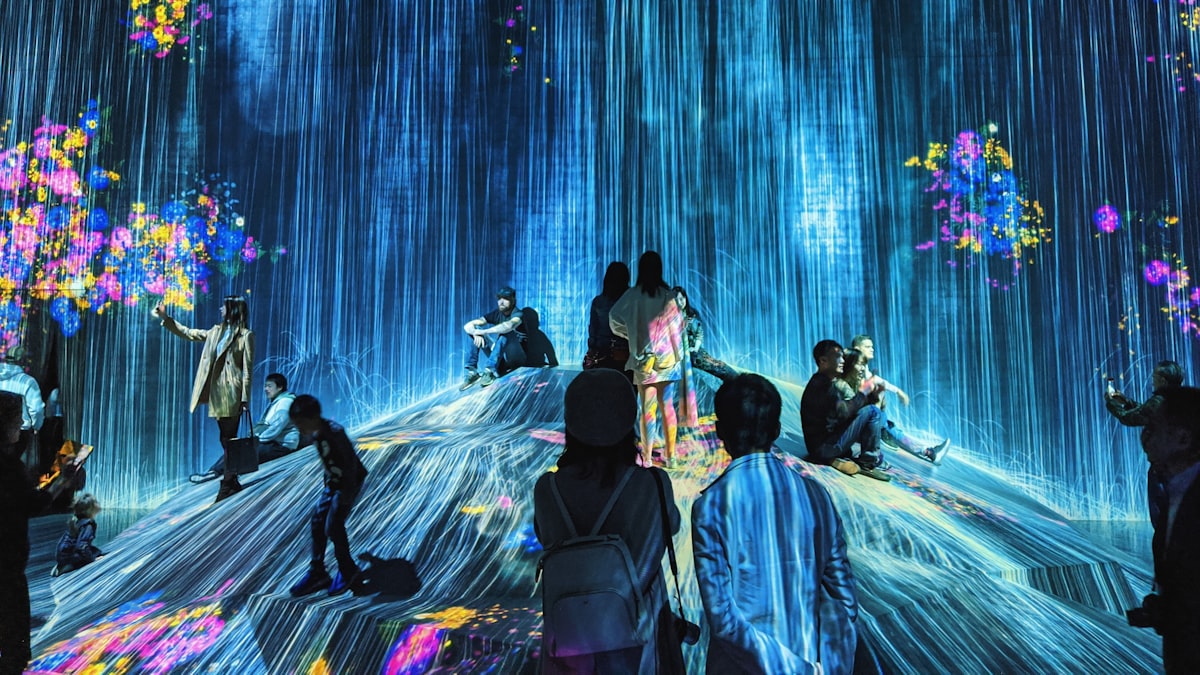
    teamLab’s digital art museums are among Tokyo’s most Instagrammed experiences — immersive rooms of light, water, and projections you walk right through. Here’s how to visit.

    The two Tokyo museums

    • teamLab Borderless — a maze-like world of artworks that move between rooms, with no fixed map; endlessly explorable.
    • teamLab Planets — a barefoot experience where you wade through water and soft moss gardens; often the more popular of the two.

    They’re different museums in different locations — check which one you’re booking. (Venues and locations occasionally change, so confirm the current details.)

    Tickets — book ahead

    • These sell out; buy timed-entry tickets in advance, not at the door.
    • Book via the official site or on Klook .
    • Arrive on time — entry is by slot.

    What to wear & know

    • teamLab Planets: you’ll walk through knee-deep water — wear or bring shorts/rollable pants; you go barefoot (lockers provided).
    • Mirrored floors are common — skirts aren’t ideal (wraps are usually offered).
    • Great for photos, but be present too — the experience is the point.

    Who it’s for

    Fantastic for couples, families, and photography lovers; see Japan with kids if traveling with little ones. It’s a 1.5–2 hour highlight to slot into a Tokyo day.

    Getting there

    Both are reachable by train around Tokyo Bay — grab an IC card and an eSIM, and pair it with the rest of our Tokyo guide.

    What tickets cost

    • Standard adult tickets run JPY 3,800-4,800 depending on the venue and date, with weekday tickets sometimes priced lower than weekends and holidays.
    • Budget 2-3 hours minimum at either venue — Borderless especially rewards a slower pace since rooms shift and move over time, meaning a second pass through the same room can look completely different.
    • A locker is included in admission for storing shoes and bags at Planets, so there’s no extra cost beyond the ticket itself for the barefoot, wet-floor sections.

    Common mistakes to avoid

    • Booking the wrong venue by mistake — Borderless and Planets are separate museums with different art and different rules (Planets requires bare feet and rolled-up pants due to water; Borderless doesn’t); double-check which one you actually booked before arrival.
    • Wearing a long skirt or dress to Planets — the water walking sections make this impractical, and while wraps are sometimes offered, arriving already dressed appropriately avoids relying on them.
    • Rushing through in under an hour — both museums are designed for slow, repeated wandering; visitors who treat it as a quick photo stop rather than lingering in each room tend to leave less satisfied.

    Getting the best photos without missing the experience

    It’s tempting to spend the whole visit through a phone screen, but staff and repeat visitors consistently note that the most striking rooms are best experienced by putting the phone away for a few minutes first, then returning for photos once you’ve actually taken in the scale and movement of the installation.

    Visiting with kids versus a date-night crowd

    Both venues genuinely work for either audience — families with young kids tend to gravitate toward Planets’ hands-on water and moss areas, while couples often prefer Borderless’s more atmospheric, dimly lit rooms; if you’re choosing just one venue for a mixed-age group, Planets’ interactive nature usually holds children’s attention longer.
  • Hakone Travel Guide: Onsen, Mt. Fuji Views & the Loop

    Hakone Travel Guide: Onsen, Mt. Fuji Views & the Loop

    Some links below are affiliate links. If you book through them, Japan Trove may earn a small commission at no extra cost to you.

    Hakone is the classic hot-spring escape from Tokyo — onsen ryokan, Mt. Fuji views, open-air art, and a fun loop of quirky transport. It’s a perfect one- or two-night trip. Here’s how to do it.

    The Hakone loop

    Half the fun is the circuit of transport that links the sights: train, switchback railway, cablecar, ropeway, and a pirate-ship cruise on Lake Ashi. The Hakone Free Pass covers most of it and saves money.

    What to see & do

    • Onsen — the whole point; soak at a ryokan or day-use bath. Tattooed? See our tattoo & onsen guide.
    • Owakudani — a volcanic valley with steam vents and black eggs boiled in the springs.
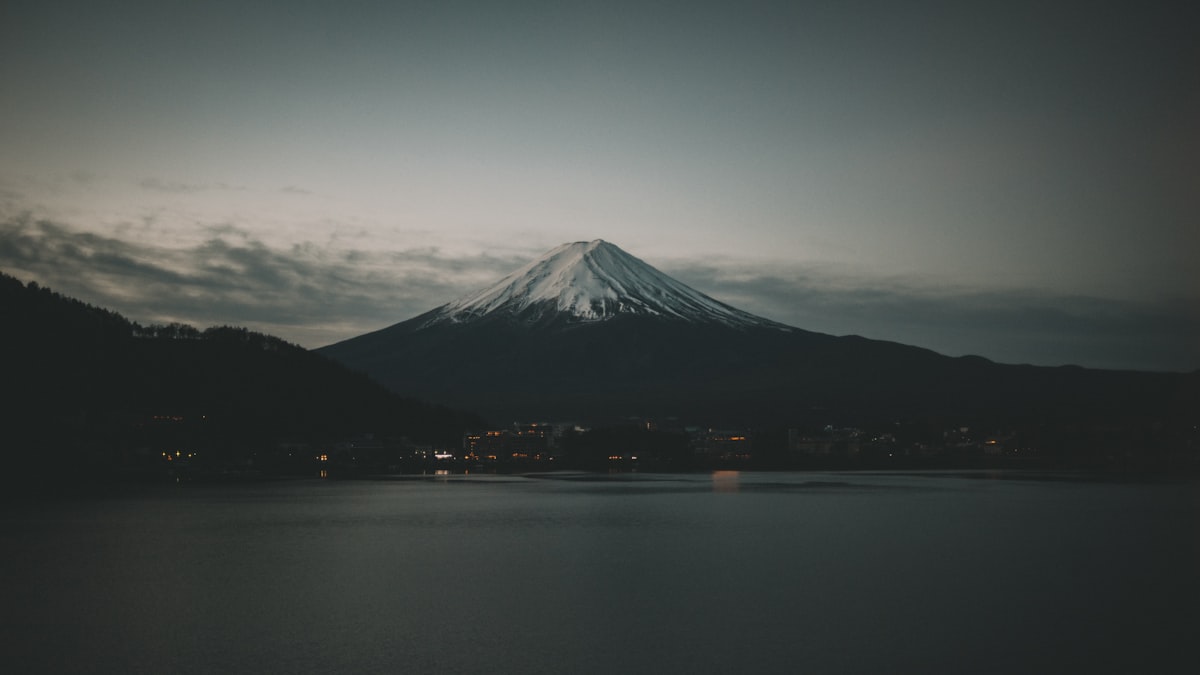
    • Lake Ashi — Fuji views and the Hakone Shrine torii on the water.
    • Hakone Open-Air Museum — sculptures and a Picasso collection.
    • Mt. Fuji views — on clear days; see how to see Mt. Fuji.

    Where to stay

    Hakone is ryokan country — book one with an onsen (private baths help if you have tattoos). Reserve early for weekends and autumn; compare on Booking.com .

    Getting there

    • About 1.5 hours from Shinjuku on the Odakyu line (the Romancecar is a comfy direct option).
    • The Hakone Free Pass bundles the round trip plus the loop transport.
    • Grab an eSIM for maps and timetables.

    Day trip vs overnight

    You can loop Hakone as a long day trip, but staying overnight lets you enjoy the onsen properly and catch clearer morning Fuji views. Fold it into a 7-day itinerary.

    What things cost

    • The Hakone Free Pass runs about JPY 6,100 from Shinjuku (2-day) and covers the round-trip Odakyu train plus unlimited use of the local loop transport — generally cheaper than paying for the train, cablecar, ropeway, and boat separately if you’re using more than two or three of them.
    • A ryokan stay with dinner and breakfast runs JPY 20,000-45,000 per person depending on the property and whether the room has a private bath — Hakone’s proximity to Tokyo means it commands slightly higher prices than more remote onsen towns.
    • Owakudani’s famous black eggs (kuro-tamago) cost about JPY 500 for a pack of five, said to add years to your life — a fun, inexpensive stop at the volcanic valley regardless of whether you believe the legend.

    Common mistakes to avoid

    • Trying to do the full loop in a single rushed day trip — while technically possible, cramming the train, cablecar, ropeway, boat cruise, and museum into one day from Tokyo leaves little time to actually enjoy any single stop; an overnight ryokan stay changes the whole pace of the visit.
    • Skipping ropeway operation checks — the Owakudani section occasionally closes due to volcanic gas activity; check current status before planning your day around it specifically.
    • Booking a ryokan without confirming bath type if you have tattoos — private in-room baths sidestep any policy question entirely; see our tattoo and onsen guide if choosing a shared bath instead.

    Best season for Fuji views from Hakone

    Winter and early spring mornings offer the clearest odds of an unobstructed Mt. Fuji view from Lake Ashi’s pirate ship cruise or the Hakone Shrine torii gate, since summer humidity and haze frequently obscure the mountain even on otherwise clear days.

    Day trip vs overnight, revisited

    If time genuinely only allows a day trip, prioritize either the Owakudani-Lake Ashi loop or a single onsen day-use visit rather than trying for both — attempting the complete circuit plus a proper bath in one day from Tokyo usually means rushing the transport loop to make a return train, which defeats much of the point of a relaxing Hakone visit.

  • Universal Studios Japan (USJ): Nintendo World & Tips

    Universal Studios Japan (USJ): Nintendo World & Tips

    Some links below are affiliate links. If you book through them, Japan Trove may earn a small commission at no extra cost to you.

    Universal Studios Japan (USJ) in Osaka is one of the world’s most popular theme parks — home to the original Super Nintendo World and an incredible Wizarding World of Harry Potter. Here’s how to plan it.

    The headline lands

    • Super Nintendo World — ride Mario Kart, explore a life-size Mushroom Kingdom, and use a Power-Up Band to play throughout the land.
    • The Wizarding World of Harry Potter — Hogwarts, Hogsmeade, and the excellent Forbidden Journey ride.
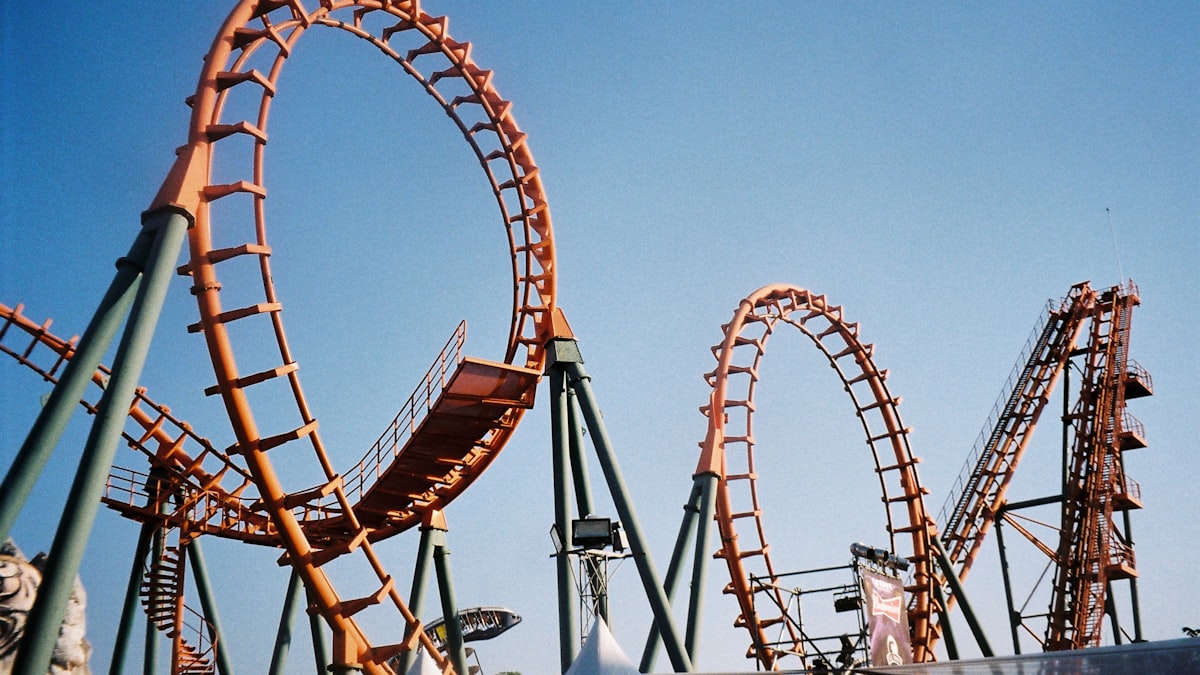
    • Thrill rides — Hollywood Dream, the Flying Dinosaur, and more.
    • Seasonal events — Halloween Horror Nights and Universal Cool Japan collaborations are hugely popular.

    Tickets & skipping lines

    • Buy dated tickets in advance — the park can sell out on peak days.
    • Super Nintendo World may require an Area Timed Entry ticket (free, via the app) or an Express Pass on busy days — check before you go.
    • Express Passes (paid) cut wait times on headliner rides — worth it at peak.
    • Compare tickets and Express Passes on Klook .

    Smart planning

    • Avoid weekends and Japanese holidays like Golden Week; weekdays are calmer.
    • Arrive before opening to head straight for Nintendo World or Harry Potter.
    • Use the official app for wait times and timed-entry.
    • Stay nearby for early access — compare hotels on Booking.com .

    Getting there

    USJ has its own station (Universal City) a short train ride from Osaka Station. Grab an IC card and see our Osaka guide for the rest of your trip. Traveling with children? See Japan with kids.

    Tips

    • Bring a portable charger — you’ll live in the app all day.
    • Budget for merch (the Nintendo and Harry Potter shops are irresistible).
    • Pair with Tokyo Disney if you love theme parks.

    What a USJ day costs

    • A standard 1-day ticket runs roughly JPY 8,600-9,800 depending on the date (USJ uses variable pricing, higher on weekends and peak season); a 1.5-day or 2-day ticket adds meaningful value if you can spread the visit across two days.
    • Express Pass tickets, which cut wait times on select headline rides, range from JPY 7,800-25,000+ depending on how many rides and how peak the date is — worth pricing out specifically for Mario Kart and the Harry Potter ride, the two longest-wait attractions.
    • Budget an extra JPY 3,000-6,000 per person for food and the near-irresistible Nintendo and Harry Potter merchandise, which tends to blow past initial souvenir budgets.

    Common mistakes to avoid

    • Arriving at official opening time instead of earlier — serious visitors line up well before gates open specifically to sprint for Super Nintendo World’s timed-entry ticket or Mario Kart’s line; arriving right at opening often means missing the best early-morning wait times.
    • Not checking the Area Timed Entry requirement for Super Nintendo World in advance — on busy days, entry to the land itself requires a separate free ticket obtained via the app, and missing this can mean not entering the land at all that day.
    • Underestimating how much walking and standing is involved — comfortable shoes matter more here than at almost any other single-day activity in Japan.

    Best time of year to visit

    Weekdays outside Japanese school holidays, Golden Week, and Halloween season offer meaningfully shorter waits across the whole park — if your schedule has any flexibility, shifting even a few days to avoid a weekend can significantly change the experience.

    Combining with the rest of Osaka

    USJ realistically fills a full day on its own, so most visitors treat it as a dedicated day within a wider Osaka stay rather than trying to combine it with Dotonbori or other city sightseeing on the same day — plan for a separate, lighter day for the rest of the city before or after your park visit.

  • Do You Need a Visa for Japan? Tourist Entry Explained

    Do You Need a Visa for Japan? Tourist Entry Explained

    Wondering if you need a visa to visit Japan? For most tourists the answer is reassuringly simple, but there are important rules and a newer entry system to know. Here’s a plain-English overview.

    This is general information, not legal advice — always confirm the current rules with an official Japanese government source or embassy before you travel, as policies change.

    The short answer

    Citizens of many countries (including much of Europe, the US, UK, Canada, Australia, and more) can enter Japan visa-free for short-term tourism — typically up to 90 days. Some countries have different limits, and some require a visa in advance. Your nationality decides everything, so check your specific case.

    Visa-free basics

    • Purpose: tourism, visiting friends/family, or short business — not paid work.
    • Duration: commonly up to 90 days (varies by country).
    • Passport: must be valid for your stay; have onward/return travel and proof of funds if asked.

    Things that are changing

    • Japan has been rolling out digital entry systems (such as online arrival registration) — using them can speed up the airport. Check the latest before you fly.
    • An electronic travel authorization for visa-free visitors has been discussed/planned — verify whether it applies to you at travel time.

    At the airport

    • Complete the arrival and customs forms (often available online in advance).
    • Be ready to state your address in Japan — see where to stay.
    • Fingerprints and a photo are taken on entry.

    If you do need a visa

    Apply through a Japanese embassy or consulate in advance; requirements vary by nationality and purpose. Longer stays, study, and work always require the appropriate visa.

    Once you’re in

    Get set up fast with an eSIM and an IC card, and read our first-timer tips. Then dive into a 7-day itinerary.

    Costs and practical details around entry

    • Visa-free tourist entry itself costs nothing beyond your travel expenses — there’s no entry fee for eligible nationalities under the standard tourism exemption.
    • If your nationality does require an advance visa, embassy application fees typically run a modest amount (often well under JPY 5,000 equivalent) plus processing time of days to a few weeks, so applying well ahead of travel dates matters.
    • Travel insurance, while not legally required for tourist entry, is worth budgeting for given Japan’s high-quality but potentially expensive medical care for uninsured visitors.

    Common mistakes to avoid

    • Assuming your visa-free allowance matches a friend’s or family member’s — the permitted stay length varies genuinely by nationality, sometimes significantly; always check the specific rule for your own passport rather than going by hearsay.
    • Forgetting proof of onward travel — some visa-free entrants have been asked to show a return or onward ticket at check-in or immigration; an open-ended one-way ticket without documentation can occasionally cause delays.
    • Not completing online pre-arrival forms when available — Japan’s digital arrival systems can meaningfully cut immigration and customs wait times at busy airports like Narita and Haneda; check current online registration options before you fly.

    What to have ready at immigration

    Have your passport, completed arrival forms, and your first night’s accommodation address on hand (printed or easily accessible on your phone) — officers may ask where you’re staying, and having it ready speeds up an already efficient process considerably.

    Checking rules well before you book

    Because entry policy can change with little public fanfare, it’s worth doing a final rule check on an official government source a few weeks before departure, not just when you first started planning the trip — this is especially relevant if your trip was booked far in advance, since visa-free arrangements and any electronic authorization requirements are the parts of Japan travel most likely to shift year to year.

  • Japan’s Golden Week: What It Is & How to Plan Around It

    Japan’s Golden Week: What It Is & How to Plan Around It

    Golden Week is one of Japan’s busiest travel periods — a cluster of national holidays when the whole country is on the move. Knowing about it can make or break your trip timing. Here’s what to know.

    What is Golden Week?

    Golden Week is a run of public holidays in late April to early May (roughly April 29 to May 5). Many Japanese people take the whole week off, so domestic travel, transport, and attractions get extremely crowded and prices rise.

    Should you avoid it?

    • If you can, yes — trains, hotels, and sights are packed, and prices spike.
    • Book far ahead if your dates fall here: reserve shinkansen seats and hotels weeks in advance.
    • The upside: great weather and a lively, festive atmosphere. It’s doable with planning — just not the relaxed option.

    Other busy periods to know

    • Obon (mid-August) — a major holiday when many travel to their hometowns.
    • New Year (Dec 29–Jan 3) — lots of closures and family travel.
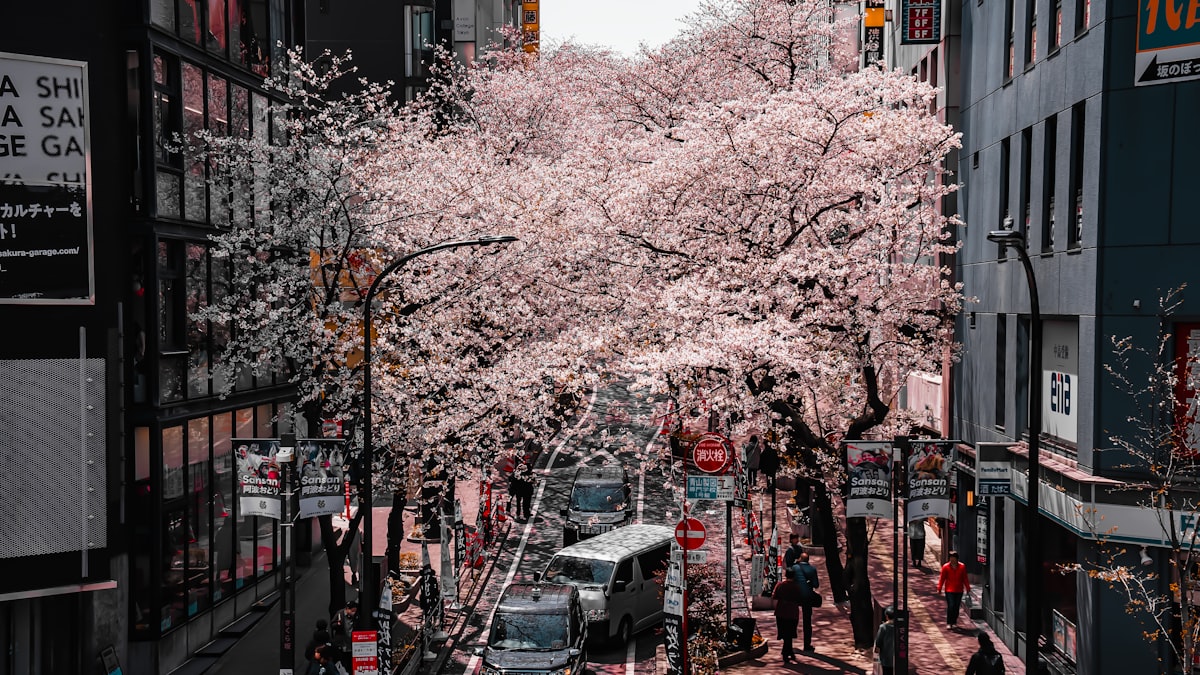
    • Cherry blossom season — busy at famous spots; see our cherry blossom guide.
    • Autumn foliage weekends — see autumn leaves.

    Tips if you travel during Golden Week

    • Reserve everything early — non-reserved train cars can be standing-room only.
    • Consider using luggage forwarding to dodge crowded platforms.
    • Visit big-name sights at opening time; explore lesser-known neighborhoods midday.
    • Budget more for accommodation — compare early on Booking.com .

    Best alternative timing

    For fewer crowds and good weather, aim for late spring after Golden Week, early summer, or autumn outside peak foliage weekends. See our full best time to visit Japan guide.

    How much prices actually rise

    • Flights into Japan during Golden Week can run 30-60% above shoulder-season fares if booked less than 2-3 months out, and domestic flights within Japan see similar spikes.
    • Hotel rates in popular cities often climb 20-50% above normal weekday rates, with the best-located and best-value properties selling out first, sometimes 3+ months ahead for specific dates.
    • Shinkansen reserved seats for popular routes (Tokyo-Kyoto, Tokyo-Osaka) can sell out entirely on the peak days (typically April 29 and May 3-5), leaving only non-reserved cars, which fill to standing-room during the worst crush.

    Common mistakes to avoid

    • Not checking the exact dates each year — Golden Week’s specific holidays shift slightly year to year based on the calendar, and a weekend can extend it further; always verify the current year’s dates rather than assuming a fixed week.
    • Planning a rail-pass-heavy, multi-city itinerary during peak Golden Week days — the constant need for reserved seats on packed trains works against a pass’s flexibility; a single-base itinerary handles the crowds better.
    • Assuming all of Japan is equally busy — rural areas and smaller regional towns see far less crowd increase than Tokyo, Kyoto, and Osaka, making them a smart pivot if your dates are fixed.

    If your dates are locked to Golden Week

    Consider anchoring the trip around one or two well-chosen bases rather than a fast multi-city tour, booking every reservation (trains, key restaurants, popular attractions) as far ahead as your booking windows allow, and treating the first couple of days after the holiday ends (around May 6-7) as a bonus quieter tail-end if your schedule allows extending slightly.

    Golden Week versus other holiday clusters

    Compared to Obon and New Year, Golden Week is arguably the most disruptive for tourists specifically because it falls in prime spring weather when international visitor numbers are also naturally high — Obon’s mid-August heat and New Year’s business closures each deter a different kind of traveler, but Golden Week combines great weather with maximum crowding, which is exactly why it catches first-time visitors off guard.

  • Kamakura Day Trip: The Great Buddha, Temples & Coast

    Kamakura Day Trip: The Great Buddha, Temples & Coast

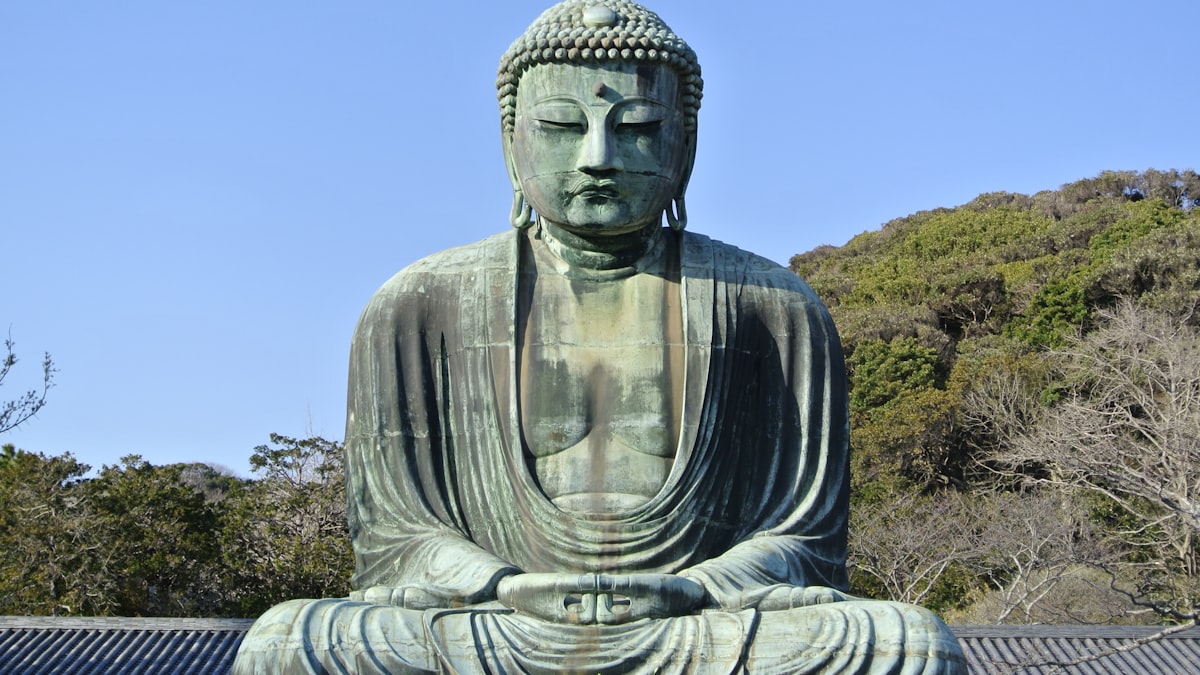
    Kamakura is the easy coastal escape from Tokyo — a former samurai capital packed with temples, a giant Buddha, hiking trails, and beach-town charm. Perfect for a day trip.

    What to see

    • The Great Buddha (Daibutsu) — a 13-meter bronze Buddha at Kotokuin, Kamakura’s icon.
    • Hasedera — a hillside temple with sea views, gardens, and a giant Kannon statue.
    • Tsurugaoka Hachimangu — the grand central shrine, reached via the Komachi-dori shopping street.
    • Hokokuji — a serene bamboo-grove temple with matcha.
    • Enoshima — a nearby island with a shrine, caves, and views (great add-on).

    Beach & hikes

    • Kamakura’s beaches are a summer hangout (more for atmosphere than swimming).
    • The Daibutsu hiking trail links temples through the hills — an easy, scenic walk.
    • Ride the nostalgic Enoden tram along the coast to Enoshima.

    Getting there

    • About 1 hour from Tokyo/Shinjuku by JR (covered by the JR Pass).
    • A Kamakura–Enoshima pass can be handy for the Enoden line.
    • Grab an IC card and go early to beat crowds.

    Eat & shop

    Komachi-dori is lined with street snacks, matcha treats, and souvenir shops — try shirasu (whitebait) dishes, a local specialty. More ideas in must-try Japanese food.

    Tips

    • Weekends and holidays get very busy — start early or go midweek.
    • Comfortable shoes for temple hills and the hiking trail.
    • Pairs well with other day trips from Tokyo; fold into your itinerary.

    A suggested half-day route

    A smooth loop: start at Hasedera and the Great Buddha in the Hase area (a short Enoden ride from Kamakura Station), then head back toward the center for Komachi-dori street food and Tsurugaoka Hachimangu. With more time, ride the Enoden west along the coast to Enoshima for sunset. Going early keeps you ahead of the crowds at the Buddha and the shrine.

    What things cost

    • The Great Buddha at Kotokuin costs JPY 300 to view up close, with an extra JPY 50 to enter the hollow interior of the statue itself — a quirky, inexpensive add-on most visitors skip without realizing it’s an option.
    • Hasedera’s entry is JPY 400, and Hokokuji’s bamboo grove with matcha service runs about JPY 300 entry plus JPY 600 for the tea — both modest costs for two of the area’s most photogenic stops.
    • The Enoden tram between Kamakura and Enoshima runs about JPY 200-300 per short hop, with a 1-day unlimited pass (Noriorikun) worth it if you plan to hop on and off at several stations along the coast.

    Common mistakes to avoid

    • Visiting the Great Buddha at midday on a weekend — it’s one of the most crowded single spots on any Tokyo day trip; an early departure from Tokyo (aiming to arrive by 9am) makes a dramatic difference.
    • Trying to fit Kamakura and Enoshima into a rushed few hours — both areas reward unhurried wandering, and combining them properly is closer to a full day than a half-day if you want to do both without rushing.
    • Skipping the Daibutsu hiking trail because it sounds strenuous — it’s a genuinely easy, well-marked walk through forest connecting several temples, and a nice break from pavement and crowds.

    Kamakura for beach and hiking lovers

    Beyond temples, Kamakura’s coastline and hills reward a more active visit — surfers gather at Yuigahama and Zaimokuza beaches in summer, and hiking trails link the Great Buddha area to Kita-Kamakura’s quieter northern temples through forested hills, a genuinely different pace from the crowded central streets.

    A rainy-day backup plan

    Kamakura’s temples and gardens are genuinely pleasant in light rain — moss and greenery look their best damp, and crowds thin out noticeably — but if the weather turns heavy, the covered shopping arcade at Komachi-dori and several temple halls with indoor viewing areas (like Hasedera’s museum) make reasonable shelter without abandoning the day entirely.

  • Nikko Day Trip from Tokyo: Shrines, Waterfalls & Lakes

    Nikko Day Trip from Tokyo: Shrines, Waterfalls & Lakes

    Nikko is one of the best day trips (or overnights) from Tokyo — a mountain town where ornate shrines meet waterfalls, lakes, and hot springs. Here’s how to do it.

    What to see

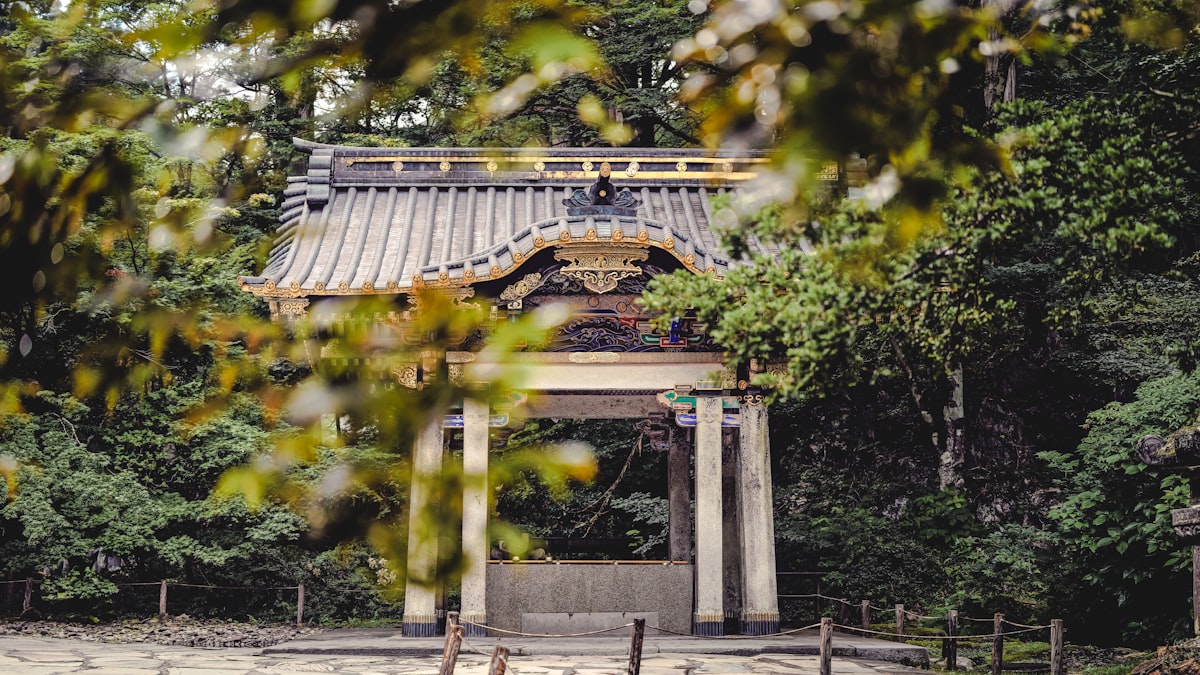
    • Toshogu Shrine — the lavishly decorated mausoleum of shogun Tokugawa Ieyasu; look for the famous “hear/see/speak no evil” monkeys and the sleeping cat.
    • Rinnoji Temple and the surrounding UNESCO-listed shrine complex.
    • Shinkyo Bridge — the iconic vermilion bridge over the river.
    • Kegon Falls — a dramatic 97-meter waterfall near Lake Chuzenji.
    • Lake Chuzenji & Irohazaka — a scenic highland area up a hairpin road (spectacular in autumn).

    Day trip vs overnight

    You can see the shrines as a day trip, but adding the lake and falls (a bus ride up the mountain) makes for a long day — an overnight lets you enjoy the highlands and an onsen too. See other day trips from Tokyo.

    Getting there

    • From Tokyo (Asakusa), the Tobu line runs direct to Nikko in about 2 hours; JR routes also work with the JR Pass.
    • Consider a Nikko area pass if you’ll use the local buses to the lake and falls.
    • Buy an IC card for the trains.

    When to go

    • Autumn is legendary for foliage — and very busy; go early. See autumn leaves in Japan.
    • Spring and summer are lush and cooler than the city.
    • Winter is cold and snowy up the mountain — beautiful but check bus schedules.

    Tips

    • Start early — the shrines and the mountain together fill a full day.
    • The Irohazaka road and buses get congested in peak autumn weekends.
    • Bring layers; the highlands are much cooler than Tokyo. Add it to your itinerary.

    What things cost

    • A combined ticket for Toshogu, Rinnoji, and Futarasan shrines runs about JPY 1,300-1,600, cheaper than paying each entry separately if you plan to see all three.
    • The bus up to Lake Chuzenji and Kegon Falls (via the famous Irohazaka switchback road) costs around JPY 1,150-1,700 one-way from Nikko Station, plus a further JPY 570 for the elevator down to Kegon Falls’ base viewing platform.
    • An overnight stay at a Nikko-area onsen ryokan runs JPY 15,000-30,000 per person with dinner and breakfast, a comfortable way to split the shrine complex and the highlands across two more relaxed days.

    Common mistakes to avoid

    • Underestimating Irohazaka’s traffic on autumn weekends — the switchback road up to the lake becomes a genuine bottleneck during peak foliage, sometimes adding an hour or more to what’s normally a 45-minute bus ride; a weekday visit avoids most of this.
    • Trying to see the shrine complex, the lake, and the falls all in one rushed day trip — it’s technically possible but leaves little time to enjoy any single stop; an overnight is genuinely worth it here more than at many other day-trip destinations.
    • Skipping the sleeping cat carving at Toshogu because it’s small and easy to miss — it’s one of the shrine’s most famous details, tucked above a side gate, and worth specifically looking for.

    Combining Nikko with an onsen stay

    Nikko’s Yumoto Onsen area, further up the mountain past Lake Chuzenji, offers a genuinely quiet alternative to Hakone’s busier hot-spring scene — a good pick if your Tokyo itinerary already includes a different onsen town and you want variety rather than repetition on a longer trip.

    Nikko in each season

    Spring brings fresh greenery and thinner crowds than autumn’s famous foliage rush, summer offers a genuinely cool escape from Tokyo’s heat given the elevation, and winter transforms the highlands into a quiet, snow-dusted scene — each season gives a meaningfully different character to the same shrine complex, worth considering if autumn dates aren’t an option.

  • Kanazawa Travel Guide: Gardens, Gold Leaf & Seafood

    Kanazawa Travel Guide: Gardens, Gold Leaf & Seafood

    Kanazawa is one of Japan’s most rewarding smaller cities — a beautifully preserved castle town with one of the country’s finest gardens, gold-leaf crafts, and superb seafood. Here’s how to visit.

    Top sights

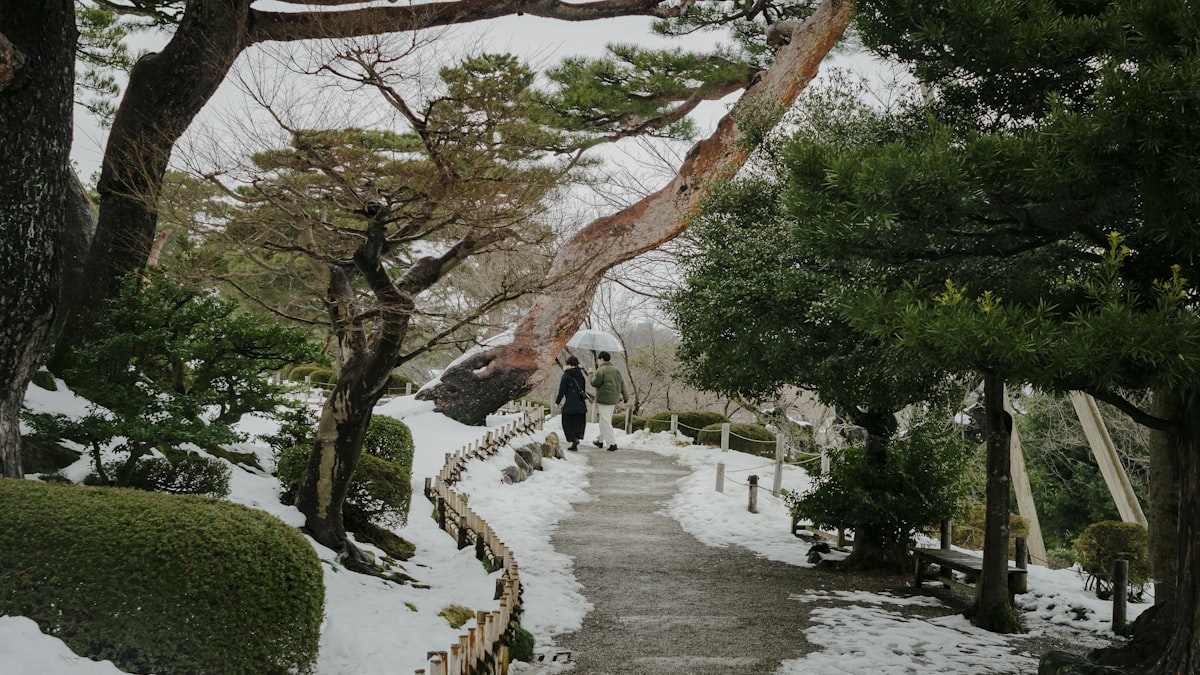
    • Kenrokuen Garden — ranked among Japan’s three great gardens; stunning in every season.
    • Kanazawa Castle — right next to the garden.
    • Higashi Chaya District — atmospheric old teahouse streets, great for gold-leaf treats and crafts.
    • Nagamachi — a preserved samurai quarter.
    • 21st Century Museum of Contemporary Art — playful modern art, including the famous “swimming pool.”

    Food & crafts

    • Omicho Market — fresh seafood; try a kaisendon (seafood rice bowl).
    • Gold leaf (kinpaku) — Kanazawa makes most of Japan’s gold leaf; even gold-topped soft-serve.
    • Kutani ware & Kaga crafts — beautiful ceramics and lacquer; see our Japanese ceramics guide.

    Getting there

    • The Hokuriku Shinkansen connects Tokyo to Kanazawa in about 2.5–3 hours (covered by the JR Pass).
    • It pairs naturally with Takayama & Shirakawa-go by bus for an “old Japan” loop.
    • Easy to add between Tokyo and Kyoto — see our 14-day itinerary.

    How long to stay

    One to two nights is ideal. The center is compact and walkable, with a loop bus linking the main sights; grab an IC card.

    Tips

    • Kanazawa can be rainy — pack a compact umbrella (locals lend them freely here).
    • Go to Kenrokuen early to beat crowds and get soft morning light.
    • Gorgeous in autumn and under snow in winter.

    What things cost

    • Kenrokuen Garden entry is JPY 320, and a combined ticket with Kanazawa Castle Park runs about JPY 500 — both very reasonably priced compared to similar-caliber sights elsewhere in Japan.
    • A kaisendon seafood rice bowl at Omicho Market runs JPY 2,000-4,000 depending on how much premium seafood is piled on top — a genuine highlight meal worth budgeting for rather than treating as a quick snack stop.
    • Gold-leaf soft-serve ice cream (topped with an edible sheet of gold leaf) costs about JPY 900-1,100 in the Higashi Chaya district — more a novelty photo op than a bargain, but a fun one-time try.

    Common mistakes to avoid

    • Visiting Kenrokuen at midday — like most famous Japanese gardens, it’s calmest and best-lit in early morning; arriving at opening avoids both crowds and the harsher midday light for photos.
    • Skipping the loop bus in favor of walking everywhere — Kanazawa’s center is walkable, but the loop bus (with an unlimited day pass) saves real time between the farther-apart sights like the 21st Century Museum and Nagamachi.
    • Forgetting an umbrella — Kanazawa has one of the higher rainfall rates among Japan’s major tourist cities; locals genuinely lend umbrellas at shops and stations as a matter of local hospitality, which tells you something about how often it’s needed.

    Kanazawa as part of a wider “old Japan” route

    Kanazawa connects to Takayama and Shirakawa-go via a scenic direct bus, forming a natural loop through Japan’s preserved historic towns that avoids backtracking through Tokyo or Osaka — a popular add-on for travelers with 10+ days who want depth beyond the standard Golden Route.

    Trying a gold-leaf craft workshop

    Beyond buying finished gold-leaf products, several shops in Kanazawa offer short hands-on workshops (applying gold leaf to a small item like a chopstick set or box) for around JPY 1,500-3,000 — a memorable, inexpensive activity that turns a shopping stop into something you actually made yourself.

  • Things to Do in Okinawa: Beaches, Diving & Island Culture

    Things to Do in Okinawa: Beaches, Diving & Island Culture

    Some links below are affiliate links. If you book through them, Japan Trove may earn a small commission at no extra cost to you.

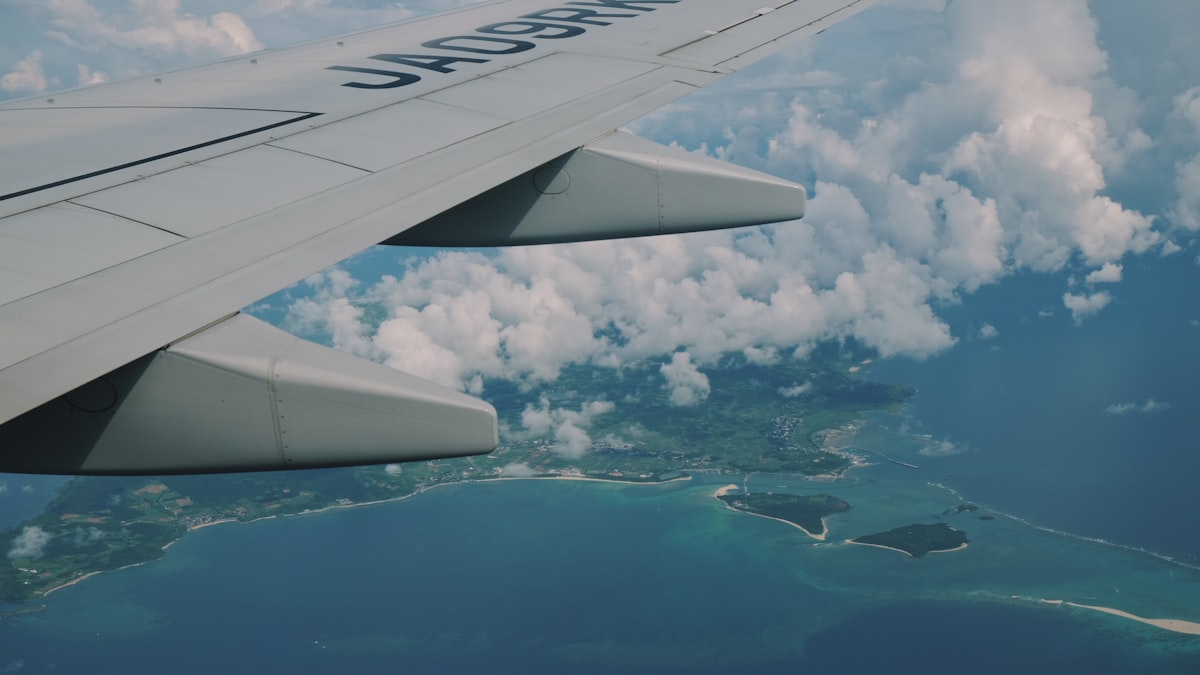
    Okinawa is Japan’s tropical side — turquoise water, white-sand beaches, a distinct island culture, and some of the country’s best diving. It feels worlds away from Tokyo. Here’s what to do.

    Top experiences

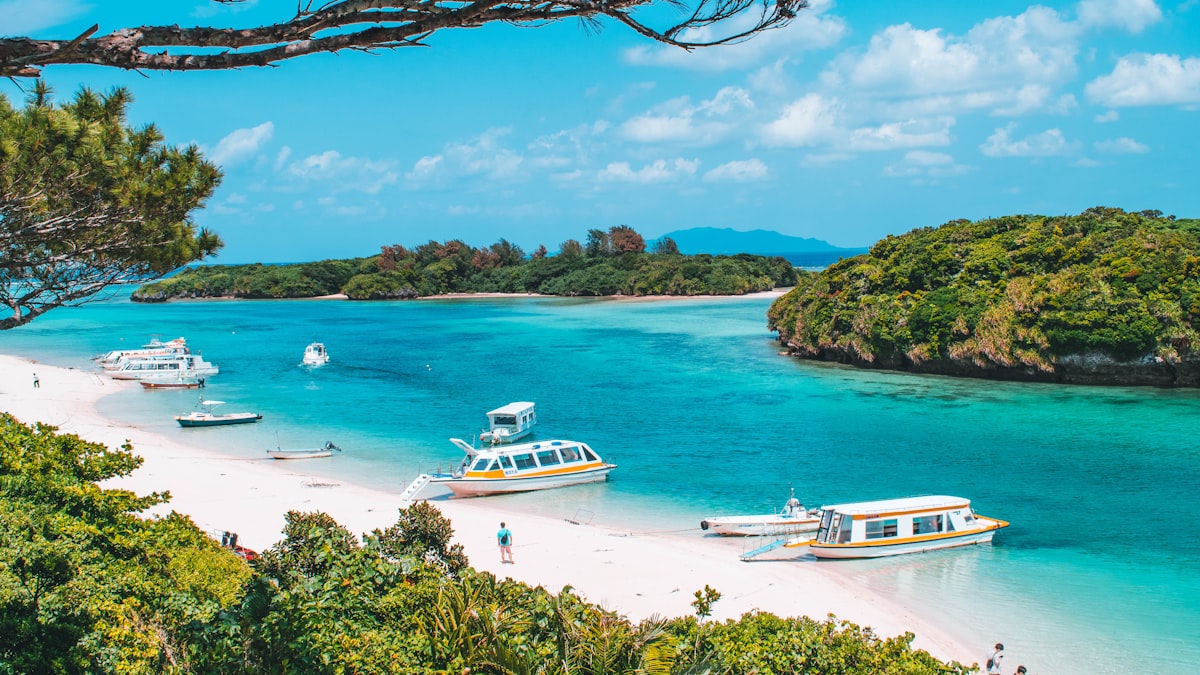
    • Beaches & islands — the Kerama Islands and Miyako have jaw-dropping water; great for swimming and snorkeling.
    • Diving & snorkeling — coral reefs, sea turtles, and the famous Blue Cave near Naha.
    • Churaumi Aquarium — one of the world’s best, home to whale sharks.
    • Shurijo Castle — the seat of the old Ryukyu Kingdom (check reconstruction status before visiting).
    • Ryukyu culture — distinctive music, textiles, and cuisine unlike mainland Japan.

    Okinawan food to try

    • Okinawa soba — thick noodles in a light pork broth.
    • Goya champuru — bitter-melon stir-fry, the signature dish.
    • Taco rice and Blue Seal ice cream — local comfort food. More in must-try Japanese food.

    When to go

    • Best weather: spring and autumn; summer is hot, humid, and peak season.
    • Beach season runs roughly April–October.
    • Typhoons are possible late summer — build in flexibility. See best time to visit.

    Getting there & around

    • Fly into Naha (about 2.5 hours from Tokyo) — far quicker than any train.
    • The main island rewards a rental car; the monorail covers central Naha.
    • Island-hop by ferry or short flights to Miyako and Ishigaki.
    • Book stays early for summer — compare on Booking.com .

    Tips

    • Okinawa is a fly-in trip — it pairs poorly with a rail-pass-only itinerary, so plan it as its own leg. See our 14-day itinerary.
    • Grab an eSIM for maps and translation.
    • Reef-safe sunscreen and water shoes are worth packing.

    What things cost

    • Flights from Tokyo to Naha run JPY 15,000-40,000 round-trip depending on season and booking lead time, generally the single biggest cost lever on an Okinawa trip.
    • A one-day guided snorkeling or diving trip to the Kerama Islands runs JPY 8,000-15,000 including equipment, boat transport, and often lunch — genuinely excellent value given the water clarity and marine life on offer.
    • Rental cars run JPY 5,000-10,000/day in peak season, and given how spread out the main island’s sights are, a rental car for at least part of the trip usually pays for itself in flexibility.

    Common mistakes to avoid

    • Treating Okinawa as an easy add-on to a rail-based mainland itinerary — it requires a separate flight and different logistics entirely; budget it as its own leg with its own travel days, not a quick side trip.
    • Booking a peak summer trip without a flexible return date — typhoon season (roughly June through October, peaking August-September) can disrupt flights with little notice; build in a buffer day if your dates fall in this window.
    • Sticking only to the main island — Miyako and Ishigaki have noticeably clearer water and less development than parts of the Naha area, and are worth the extra flight or ferry if diving and beaches are the trip’s main goal.

    Choosing which island to prioritize

    First-time visitors with limited time often do well sticking to the main Okinawa island for its mix of culture (Shurijo Castle, Ryukyu history) and beaches; those purely chasing the best snorkeling and diving water clarity should strongly consider flying onward to Miyako or Ishigaki, which consistently rank among Japan’s best diving destinations.

    Okinawa’s distinct culture, beyond the beaches

    The Ryukyu Kingdom that once ruled Okinawa had its own language, music, and cuisine shaped by trade with China and Southeast Asia rather than mainland Japan, which is why Okinawan food, textiles (like bingata dyeing), and even the local dialect feel genuinely distinct — worth treating Okinawa as its own cultural destination rather than simply “Japan’s beach region.”

  • Tokyo Disneyland vs DisneySea: Which to Choose

    Tokyo Disneyland vs DisneySea: Which to Choose

    Some links below are affiliate links. If you book through them, Japan Trove may earn a small commission at no extra cost to you.

    Tokyo Disney Resort is one of the best in the world — and unusually, it has two parks: Disneyland and the one-of-a-kind DisneySea. Here’s how to choose and plan.

    Disneyland vs DisneySea

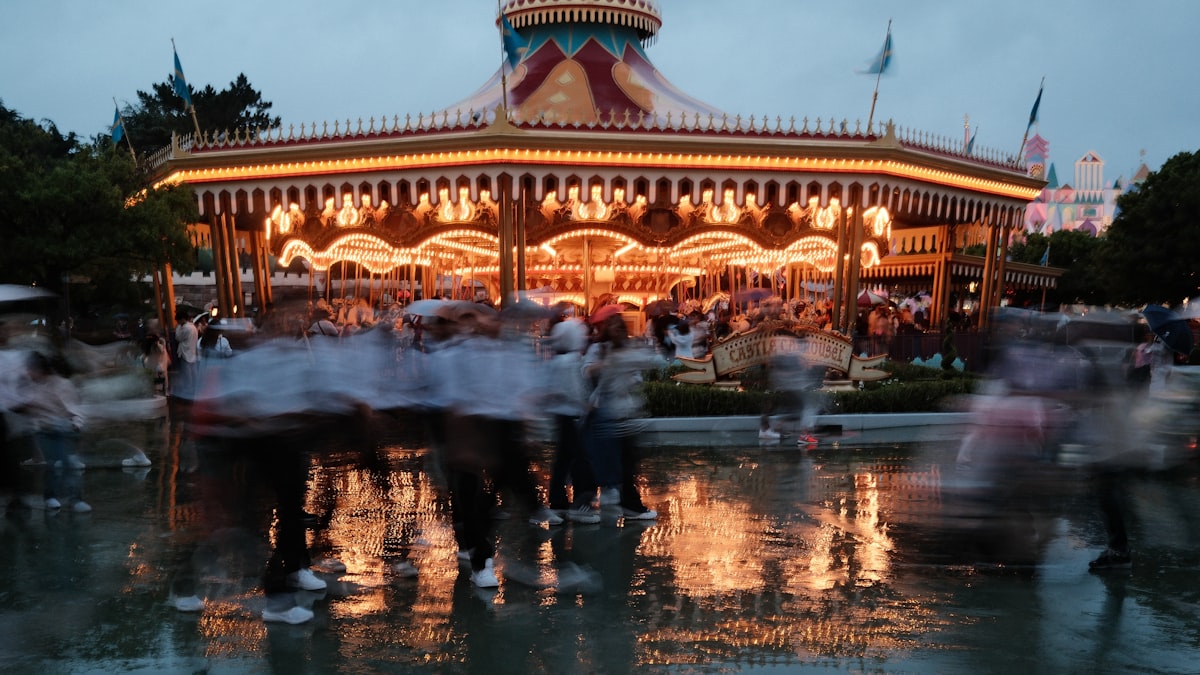
    • Tokyo Disneyland — the classic castle park, great for families and first-timers.
    • Tokyo DisneySea — nautical-themed and utterly unique to Japan; more scenic, more grown-up, with excellent food and drink (it even serves alcohol). Many fans rate it the best Disney park anywhere.

    Only have one day? First-timers with young kids may prefer Disneyland; couples and Disney fans usually love DisneySea.

    Tickets & the app

    • Buy dated tickets in advance — parks can sell out, especially weekends and holidays.
    • Use the official app for wait times, mobile ordering, and the paid Premier Access to skip lines on select rides.
    • Book tickets and packages via Klook .

    Smart planning

    • Avoid weekends and Japanese holidays (like Golden Week) — weekdays are far calmer.
    • Arrive before opening to beat the queues on headliner rides.
    • Stay at an official or nearby hotel for early entry and easy access — compare on Booking.com .

    Getting there

    The resort is in Maihama, about 15 minutes by train from Tokyo Station. Grab an IC card and check our Tokyo guide for the rest of your trip. Traveling with little ones? See Japan with kids.

    Tips

    • Popcorn buckets and seasonal merch are a whole hobby — budget for souvenirs.
    • Bring a portable charger (you’ll live in the app).
    • Check the seasonal events calendar — Halloween and Christmas are spectacular.

    What a Disney day costs

    • 1-day passport tickets run roughly JPY 9,400-10,900 depending on the date (Tokyo Disney uses variable date-based pricing similar to USJ), with weekday tickets typically cheaper than weekends.
    • Premier Access (the paid line-skip system) runs JPY 1,500-2,500 per ride per person and is worth prioritizing for the two or three attractions with genuinely long average waits rather than buying it for everything.
    • Popcorn buckets, a beloved souvenir category unique to Tokyo Disney, run JPY 2,500-3,500 each and sell out fast on release days — if a specific design matters to you, check release dates and buy early in your visit.

    Common mistakes to avoid

    • Choosing the wrong park for your group — DisneySea’s more sophisticated, adult-leaning atmosphere and larger walking distances can be less ideal for very young children than Disneyland’s classic, compact layout; match the park to your group before buying tickets you can’t easily swap.
    • Not downloading the official app before arrival — wait times, mobile food ordering, and Premier Access purchases all run through it, and setting it up in advance (rather than fumbling with it at the gate) saves real time on arrival.
    • Underestimating how much walking DisneySea involves — its nautical theme spans a genuinely large, hilly layout; comfortable shoes matter even more here than at a typical theme park.

    Choosing between the two parks with limited time

    If you can only visit one park and don’t have young children, most repeat visitors and Disney enthusiasts recommend DisneySea specifically because it doesn’t exist anywhere else in the world, while Disneyland’s core attractions overlap significantly with other Disney parks internationally.

    Seasonal timing for special events

    Tokyo Disney’s Halloween (September-October) and Christmas (November-December) events are considered among the best seasonal theme park decorations anywhere, but they also draw the heaviest crowds of the year — if seasonal decor matters more than shorter lines, plan around it deliberately; if not, the quieter months outside these windows offer a meaningfully calmer visit.