Japan Trove

Category: Tokyo

Tokyo neighborhood guides, day trips, and the best things to do in the capital.

  • Akabane: Inside Tokyo’s Retro “Adult Disneyland” Drinking Town

    Akabane: Inside Tokyo’s Retro “Adult Disneyland” Drinking Town

    Photo by Alex Knight on Unsplash

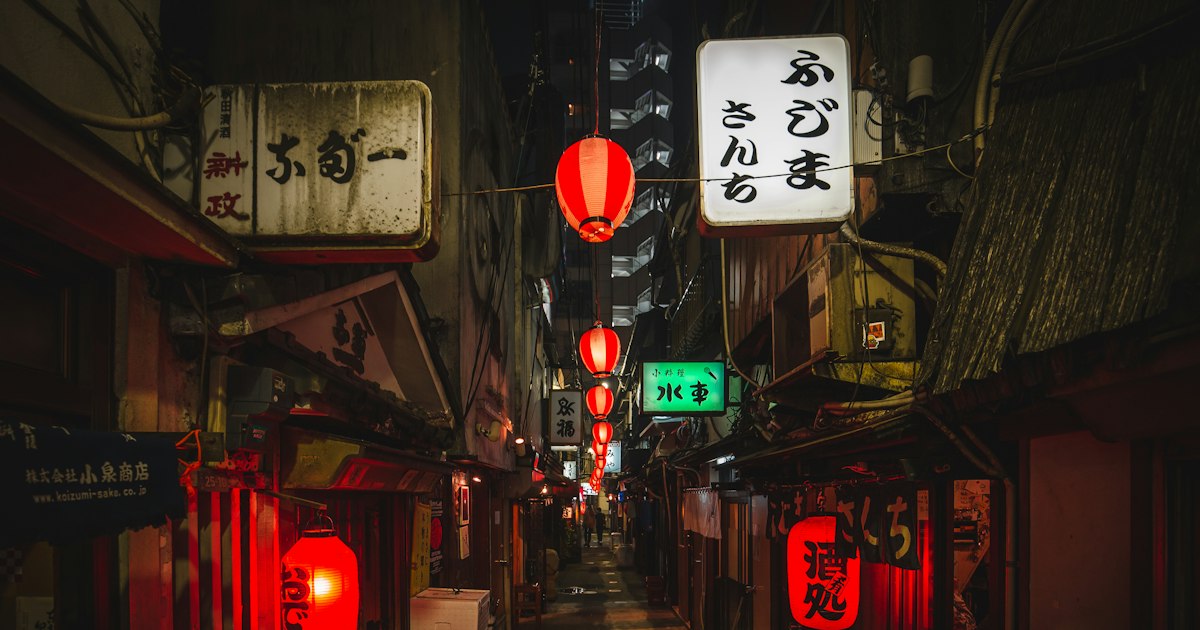
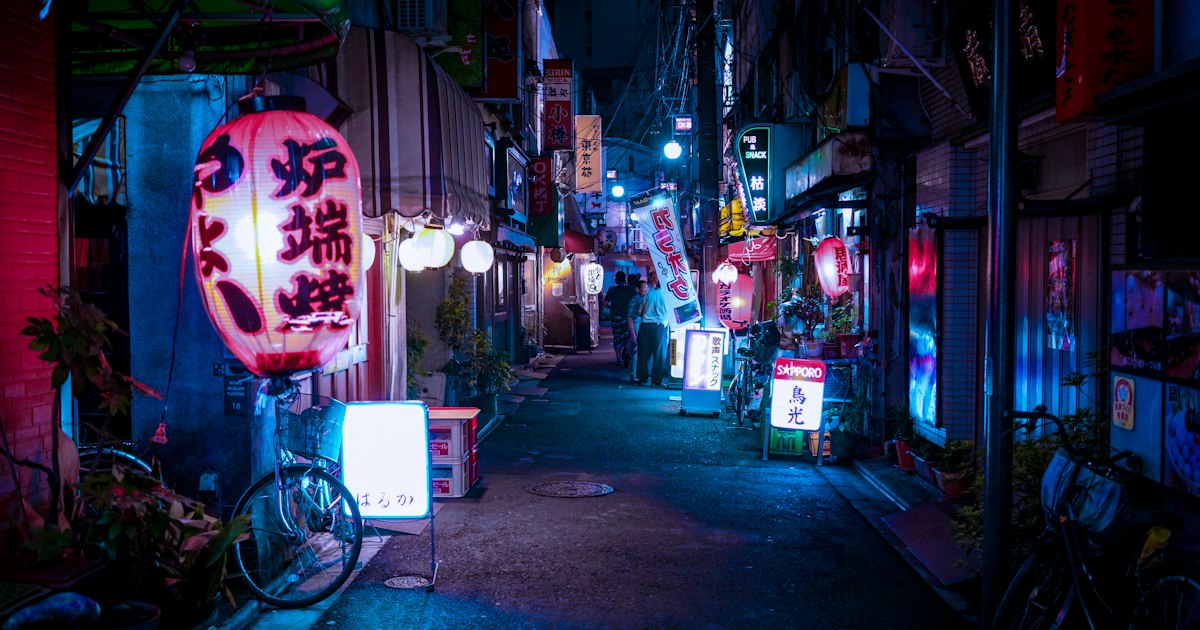
    Ask a Tokyoite where they go to drink without the Shibuya crowds or Shinjuku prices, and a surprising number will say Akabane. This unglamorous station town in the city’s north has no neon towers or viral photo spots — just dozens of standing bars, a shotengai arcade, and day-drinkers who’ve been coming since the 1970s. Locals only half-jokingly call it the “adult Disneyland” (otona no Disneyland), because once you’re inside the maze of alleys behind the station, you can hop from counter to counter for hours without ever needing to go outside. Here’s how to actually do that trip.

    What Makes Akabane the “Adult Disneyland”

    The nickname comes from the density and variety packed into a few square blocks: dozens of tiny bars, each with its own specialty, crammed close enough that bar-hopping feels like moving between rides. Unlike Shinjuku’s Golden Gai, which is largely a nighttime tourist curiosity now, Akabane’s scene is still driven by locals — retirees, office workers finishing an early shift, and regulars who’ve had the same seat for twenty years. Drinking often starts in the early afternoon rather than after dark, which is part of the appeal: you can do a full Akabane crawl and still catch the last train home at a reasonable hour.

    Getting There: Trains and Timing

    Akabane Station is served by the JR Keihin-Tohoku Line, JR Saikyo Line, JR Utsunomiya/Takasaki Lines, and the Tokyo Metro Namboku Line, which makes it easy to reach from most parts of the city without transferring. From Tokyo Station it’s roughly 20 minutes on the Keihin-Tohoku Line; from Ikebukuro it’s about 10 minutes on the Saikyo Line; from Ueno around 10 minutes. There’s no need for a taxi or a special IC card top-up strategy — just tap through with whatever Suica or Pasmo you’re already using.

    The best time to go is a weekday from mid-afternoon (around 3–4pm) through early evening. Many standing bars open as early as 11am–12pm and fill with day-drinkers by mid-afternoon, so going earlier than a typical izakaya run actually gets you the full local atmosphere rather than a late-night tourist crowd. Weekends are busier and louder but still manageable; avoid major holidays when some smaller shops close for family time.

    Where to Start: Ichiban-gai and the Yokocho Alleys

    Walk out of Akabane Station’s east exit and you’ll hit Akabane Ichiban-gai, a covered shotengai (shopping street) lined with butchers, produce stalls, and small eateries that’s been largely unchanged for decades. This is a good warm-up lap before drinking: grab a skewer or croquette from a stand-up food shop for a few hundred yen while you get oriented.

    From there, duck into the narrow lanes branching off the main street. These alleys hold the real draw: multi-tenant buildings where a single doorway opens onto six or eight tiny bars sharing a floor, each seating maybe 8–15 people at a counter. You don’t need a plan — walk until a menu board or the smell of grilled motsuyaki (grilled offal skewers, an Akabane specialty) pulls you in. Most places are standing-only or have a handful of stools, which keeps turnover fast and prices low.

    How Tachinomi (Standing Bar) Culture Works

    The backbone of Akabane’s drinking scene is the tachinomi, or standing bar. These are no-frills counters where you order, pay close to the time you order (sometimes a running tab, sometimes cash-as-you-go), and drink standing up, which keeps turnover high and prices low. Expect draft beer or a small glass of sake or shochu for roughly ¥300–500, and skewers, fried items, or small plates in the ¥100–400 range. A satisfying two-drink, three-snack stop at one bar often comes to under ¥1,500 per person.

    Etiquette is casual but has a few unwritten rules: don’t linger at the counter once you’ve finished if there’s a line waiting, don’t expect English menus (pointing at what the person next to you is eating works fine), and tip nothing — it isn’t expected anywhere in Japan. If you want a calmer, seated alternative to compare against, Tokyo’s nightlife isn’t all standing-bar chaos — see our guide to navigating Kabukicho’s nightlife district safely for a contrast in scale and energy.

    Budget, Mid-Range, and Splurge Options

    Budget (under ¥2,000 total): Stick to one or two standing bars, order the house draft and a couple of skewers, and move on. This is how most Akabane regulars drink on a weekday.

    Mid-range (¥3,000–5,000): Settle into a seated izakaya for a full meal — grilled fish, a hot pot, or a set course — plus a few rounds of drinks. Many of the sit-down spots around Ichiban-gai offer reasonably priced set menus in this range.

    Splurge (¥6,000+): Akabane isn’t really a splurge destination, which is part of its charm, but a few longer-established restaurants near the station offer proper multi-course dinners with better sake lists if you want to slow down and eat well rather than crawl bars.

    Common Mistakes First-Timers Make

    • Showing up too late. Arriving after 9pm means missing the day-drinking atmosphere that makes Akabane distinctive, and some of the oldest standing bars close relatively early since they opened at lunchtime.
    • Expecting card payment everywhere. Many standing bars and smaller stalls are cash-only. Carry enough yen before you arrive — the 7-Bank ATMs inside 7-Eleven stores near the station are the easiest way to get cash if you run short.
    • Trying to sit down everywhere. Half the appeal of a tachinomi crawl is staying mobile. Treat each stop as a 20–30 minute visit rather than settling in for the whole evening at the first bar you like.
    • Not checking where you can smoke. Street smoking is restricted across much of Tokyo, and Akabane is no exception — look for marked designated areas rather than lighting up outside a bar; our guide to designated smoking areas in Japan explains where those are and how the rules work.

    Practical Tips Before You Go

    Akabane is very walkable and low-risk compared to flashier nightlife districts — there’s little of the tout or overcharge culture found in parts of Kabukicho or Roppongi, since most bars are small, locally run, and have fixed, posted prices. Bring a basic phrase or two of Japanese (or a translation app) since English is rare here, and don’t expect a dress code; this is a jeans-and-work-clothes crowd, not a dress-to-impress one. A card with no foreign transaction fees is still worth carrying for the rare spot that takes plastic — see our roundup of no-foreign-transaction-fee credit cards for Japan trips — but plan your Akabane evening around cash. Go hungry, go early, and let the alleys decide your route; that’s the whole point of the adult Disneyland.
  • Kabukicho After Dark: Navigating Tokyo’s Neon Nightlife District Safely

    Kabukicho After Dark: Navigating Tokyo’s Neon Nightlife District Safely

    Photo by Jezael Melgoza on Unsplash

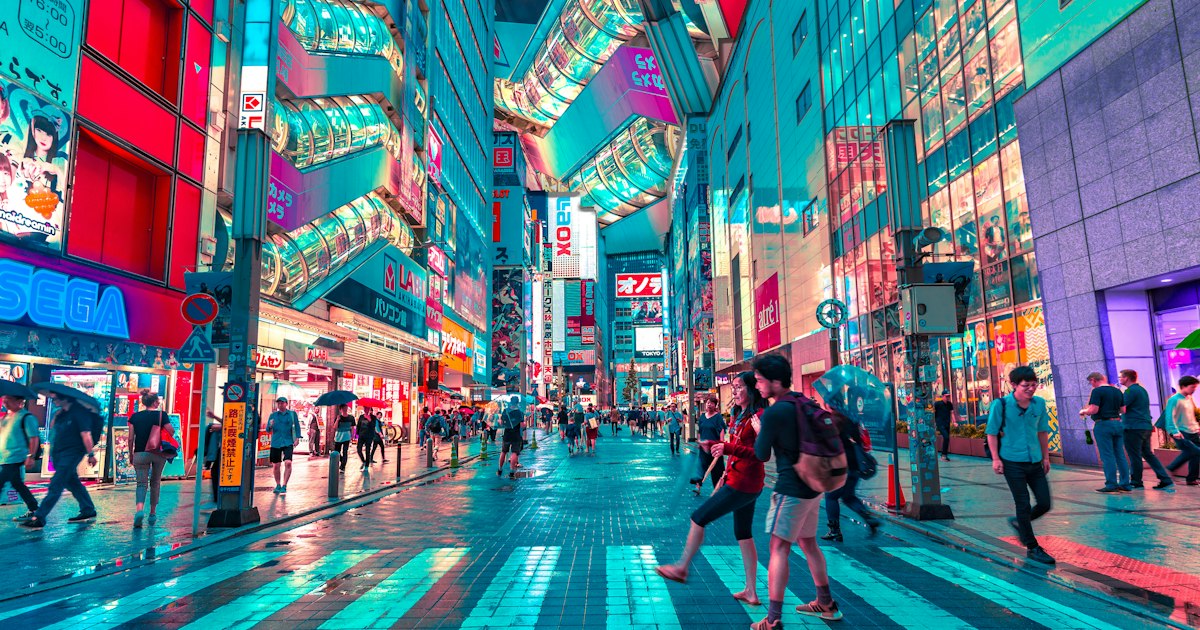
    Kabukicho is the beating, blinking heart of Shinjuku’s nightlife — a few square blocks packed with izakaya, host and hostess clubs, karaoke towers, pachinko parlors, and the giant Godzilla head glaring down from the Toho Cinemas building. It’s also Japan’s most notorious hunting ground for tourist scams, which scares some visitors off entirely. That’s a shame, because with a few basic precautions, Kabukicho is a perfectly safe, genuinely fun night out — Japan’s violent crime rate is vanishingly low even here. The danger isn’t physical; it’s financial, and it’s avoidable if you know what to watch for.

    Getting There and When to Go

    Kabukicho sits immediately north of JR Shinjuku Station’s East Exit (Higashi-guchi) — walk past the Studio Alta area and you’re there within five minutes. The nearest exits are Seibu-Shinjuku Station (right at the district’s edge) or Shinjuku Sanchome Station on the Marunouchi, Shinjuku, and Fukutoshin lines, about a 3-minute walk.

    The area is quiet-ish until around 7pm, then builds steadily until it peaks between 10pm and midnight on weekends. Last trains out of Shinjuku run until roughly 12:30-1am, after which taxis queue up but surge in price — budget around 2,000-3,000 JPY for a short ride to a nearby hotel if you miss the last train. Weeknights (Tuesday-Thursday) are noticeably calmer and easier to navigate than Friday or Saturday, which is worth considering if you want to look around without the full crowd crush.

    What’s Actually There

    Most of what you’ll want as a visitor clusters into a few categories:

    • Izakaya and standing bars — casual Japanese pubs with food and drink, typically 3,000-5,000 JPY per person for a full evening including several rounds and shared plates.
    • Golden Gai — a separate, atmospheric cluster of roughly 200 tiny bars packed into narrow alleys just south of Kabukicho proper. Many seat only 6-10 people and charge a seating fee (table charge) of 500-1,500 JPY on top of drinks; a sign reading “No Charge” or “Tourist Welcome” out front usually means they’re used to foreign visitors and English menus. Golden Gai is touristy by Tokyo standards but still one of the most atmospheric places in the city for a drink.
    • Karaoke boxes — chains like Karaoke Kan or Big Echo charge roughly 300-600 JPY per person per 30 minutes on weeknights, more on weekends, often with a one-drink minimum.
    • Robot Restaurant — the much-photographed robot cabaret show closed its original Kabukicho venue in 2023, though a touring/pop-up version has appeared elsewhere; don’t plan a trip around finding it in Kabukicho itself.
    • Host and hostess clubs — these exist primarily for a Japanese clientele and are where most tourist trouble originates (see below). They’re not illegal or inherently dangerous, but they’re not designed for casual foreign walk-ins either.

    The Scams to Actually Watch For

    Kabukicho’s reputation comes almost entirely from one pattern: a friendly tout (客引き, kyakuhiki) on the street invites you to a bar with “cheap drinks” or a “friendly” girl/host to chat with. You go in, have a drink or two, and the bill arrives for 30,000-100,000+ JPY, with the exit blocked by staff until you pay. This happens to tourists and locals alike, and it is the single most common complaint filed with Shinjuku police.

    The fix is simple: never follow anyone who approaches you on the street, no matter how friendly, fluent in English, or legitimate-looking their flyer is. Legitimate bars don’t need to recruit customers off the sidewalk. Touting was actually made illegal in Kabukicho under a 2023 ordinance, and police patrol visibly, but enforcement can’t catch everyone — the rule is on you to simply walk past and ignore the approach entirely, even if they fall into step beside you. If you want a specific bar, look it up and walk there directly, or ask staff at your hotel for a recommendation.

    A second-tier issue is non-touted bars with hidden table charges or “VIP seat” surcharges that aren’t on the menu. Always check that a printed menu shows prices before ordering, and ask “table charge arimasu ka?” (is there a seating charge?) if it’s unclear. Reputable izakaya and Golden Gai bars post prices clearly.

    Money and Payment

    Many of Kabukicho’s smaller bars, including most of Golden Gai, are cash-only, so don’t count on tapping a card at the counter. Pull out cash in advance — the 7-Bank ATMs at 7-Eleven are everywhere in Shinjuku and reliably accept foreign cards with reasonable fees. For the izakaya chains and bigger bars that do take cards, make sure you’re carrying one from the best no-foreign-transaction-fee credit cards list so you’re not losing a few percent on every round. As a rule of thumb, carry 8,000-10,000 JPY in cash for a night out covering a couple of bars and a karaoke session, more if Golden Gai is on the itinerary.

    Budget, Mid-Range, and Splurge Nights

    Budget (under 3,000 JPY): A standing bar or chain izakaya like Torikizoku, where most items and drinks run 350-500 JPY, plus one karaoke session split between friends.
    Mid-range (5,000-10,000 JPY): A proper izakaya dinner with several rounds of drinks, followed by one or two Golden Gai bars with their seating charges.
    Splurge (15,000 JPY+): A reserved table at a themed bar or a members-oriented lounge, or a full night bouncing between several Golden Gai spots with premium whisky pours.

    Common Mistakes to Avoid

    • Walking the main strip alone late at night while visibly drunk — not because of violent crime, but because it makes you the easiest target for a tout’s pitch.
    • Agreeing to “just come look” at a club menu — this is the standard opening line before the bill shock.
    • Photographing the Toho/Godzilla building and Kabukicho signage at night is fine and extremely popular, but avoid photographing individual club entrances, staff, or hostesses/hosts without permission — some venues are sensitive about this and will say so directly.
    • Assuming the whole district is seedy — most of the footprint is ordinary restaurants, karaoke, and arcades; the host/hostess club scene is a small, specific slice of it.

    If you’d rather ease into Tokyo’s after-dark scene somewhere lower-key before tackling Kabukicho’s neon chaos, a jazz kissa elsewhere in the city is the polar opposite experience — hushed, vinyl-only, and scam-free by design. And if you need a nicotine break between bars, note that Japan’s street smoking ban means you’ll want to find one of the designated smoking areas rather than lighting up on the sidewalk, which is enforced with on-the-spot fines in parts of Shinjuku.

    Handled with a bit of street sense, Kabukicho delivers exactly what its reputation promises — sensory overload, great cheap food, and some of the most photogenic streets in Tokyo — without the horror stories, as long as you keep walking when someone calls out “hey, free drink!”

  • Shibuya Sky: Tokyo’s Rooftop Observation Deck and How to Book Tickets

    Shibuya Sky: Tokyo’s Rooftop Observation Deck and How to Book Tickets

    Photo by Clement Souchet on Unsplash

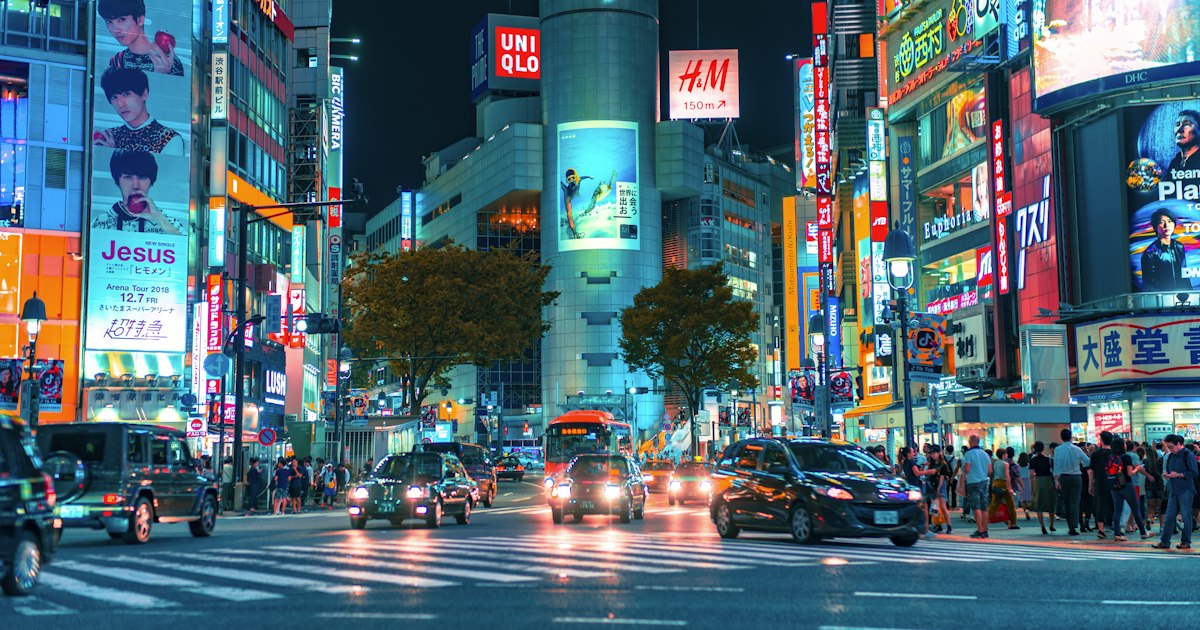
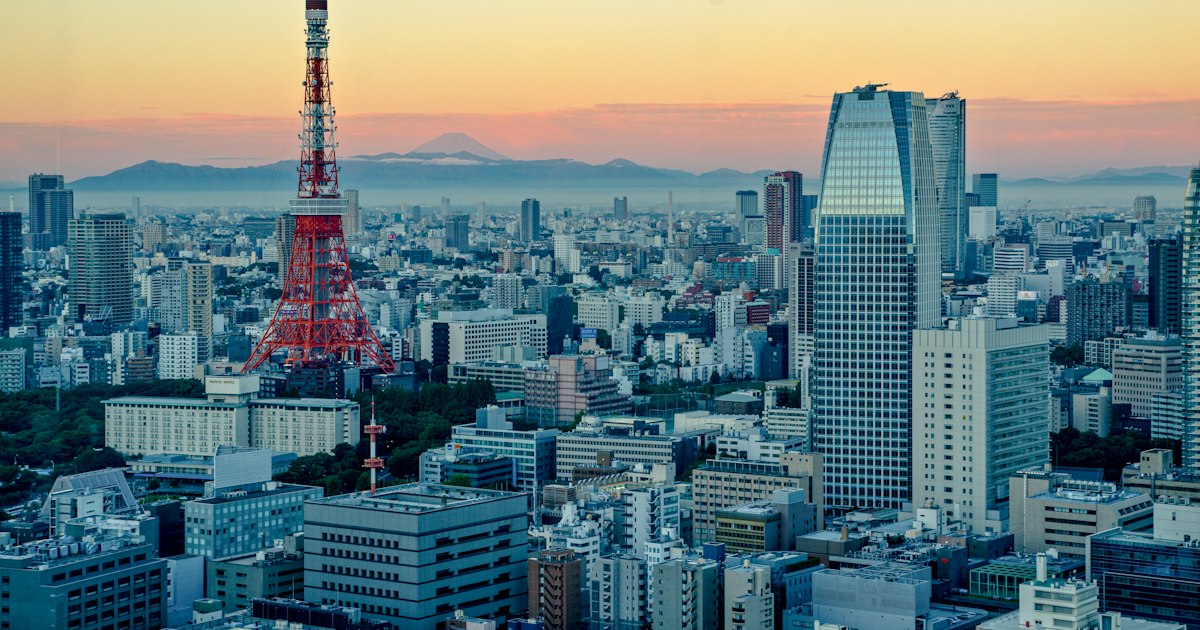
    Shibuya Sky is the open-air rooftop deck on top of Shibuya Scramble Square, and it’s one of the few places in Tokyo where you can stand outside, with no glass between you and the skyline, 230 meters above the Shibuya Scramble crossing. Unlike Tokyo Tower or the Tokyo Skytree, which both sit on their own dedicated plots, Shibuya Sky rewards you with the one view those towers can’t give you: Shibuya itself, the crossing, the trains, and Mount Fuji on a clear winter evening. Here’s how to book it, what it costs, and how to avoid the mistakes that trip up first-time visitors.

    What Shibuya Sky Actually Is

    Shibuya Sky occupies the top of Shibuya Scramble Square, the tallest building in the Shibuya Station complex. The experience has three parts: an indoor approach floor with exhibits and a café, and then the main draw — “SKY STAGE,” the rooftop deck on the 47th floor. The roof is genuinely open to the sky, with a mesh safety barrier rather than glass, net hammocks you can lie in, and a rooftop bar (weather permitting) serving drinks and light snacks. It’s a short visit by Tokyo standards — most people spend 45 minutes to an hour up top — but it’s one of the most photogenic 45 minutes you’ll have in the city.

    How to Get There

    Shibuya Sky is directly connected to Shibuya Station, which makes it one of the easiest major attractions in Tokyo to reach. If you’re riding the Yamanote Line, get off at Shibuya and follow signs for Shibuya Scramble Square — the building sits right above the station’s East exit, and you can walk there underground without going outside, which matters on a rainy day. The ticket counter is on the 14th floor; you buy or scan your ticket there, then take a dedicated high-speed elevator up to the rooftop. Budget about 10-15 minutes just to get from the station turnstiles to the 14th floor, more if it’s crowded.

    Tickets and Current Pricing

    Shibuya Sky uses timed-entry tickets — you book a specific entry window (not a specific time to leave), and advance online tickets are cheaper than walk-up tickets at the counter. As of recent pricing, advance online tickets run approximately ¥2,200 for adults on weekdays and ¥2,500 on weekends and holidays, with discounted rates for ages 12–17 (around ¥1,700–1,900), ages 6–11 (around ¥1,000–1,200), and ages 3–5 (around ¥600–700). Walk-in tickets purchased at the counter cost roughly ¥500 more per category, and on busy days (especially sunset slots) they can sell out entirely, so same-day walk-ups aren’t guaranteed. Book through the official Shibuya Sky website, ideally a few days ahead if you want a sunset slot. Opening hours are typically 10:00 AM to 10:30 PM, with last entry at 9:20 PM, though the rooftop portion closes early or stays indoor-only during storms, high winds, or lightning.

    Best Time to Visit

    Sunset is the most requested slot, and for good reason — you get daylight views, the golden hour over the city, and then the lights of Shibuya switching on, all in one visit. It’s also the slot most likely to sell out, so book that time slot specifically rather than hoping to wander up casually. If you’d rather avoid crowds, a weekday mid-afternoon slot is noticeably quieter. For visibility, winter is generally the best season: the air is drier and less hazy, which gives you the best shot at seeing Mount Fuji to the southwest on a clear evening. Summer visits are often hazier, and the rooftop can feel genuinely hot with no shade in the middle of the day.

    Common Mistakes to Avoid

    • Not booking the sunset slot in advance. It’s the single most popular window and routinely sells out, especially on weekends and holidays.
    • Assuming it’s indoors. The 47th-floor deck is open-air. Wind up there is strong and constant — hats, loose scarves, and anything that can blow off are discouraged, and there are small lockers near the entrance for bags and items you don’t want to carry.
    • Showing up right before closing expecting a full visit. Last entry is earlier than closing time, and staff will close the rooftop without notice in bad weather, with no refund guaranteed for that scenario, so check the forecast before committing to a time slot.
    • Skipping the pre-trip paperwork. This isn’t specific to Shibuya Sky, but if you haven’t yet set up your immigration and customs details before arriving in Japan, it’s worth doing it the same week you’re booking attraction tickets — see our guide to Visit Japan Web for how to pre-register before you land.

    Budget, Mid-Range, and Splurge Options

    For a budget visitmid-range experiencesplurge

    After Your Visit

    Once you’re back down at street level, Shibuya rewards a few extra hours of wandering. The backstreets around Shibuya and neighboring Harajuku and Jingumae are some of the best hunting grounds in Tokyo for secondhand American clothing — if that’s on your list, our guide to vintage Levi’s and Americana shopping in Japan covers what to look for and why Japan’s secondhand racks are so good. Shibuya Sky works well as a bookend to a day of shopping and exploring the area rather than a standalone trip — you’ll appreciate the view more once you’ve seen the crossing from ground level first.

  • Yurakucho’s Gado-Shita: Drinking and Grilling Under the Tracks Near Ginza

    Yurakucho’s Gado-Shita: Drinking and Grilling Under the Tracks Near Ginza

    Photo by Denys Nevozhai on Unsplash

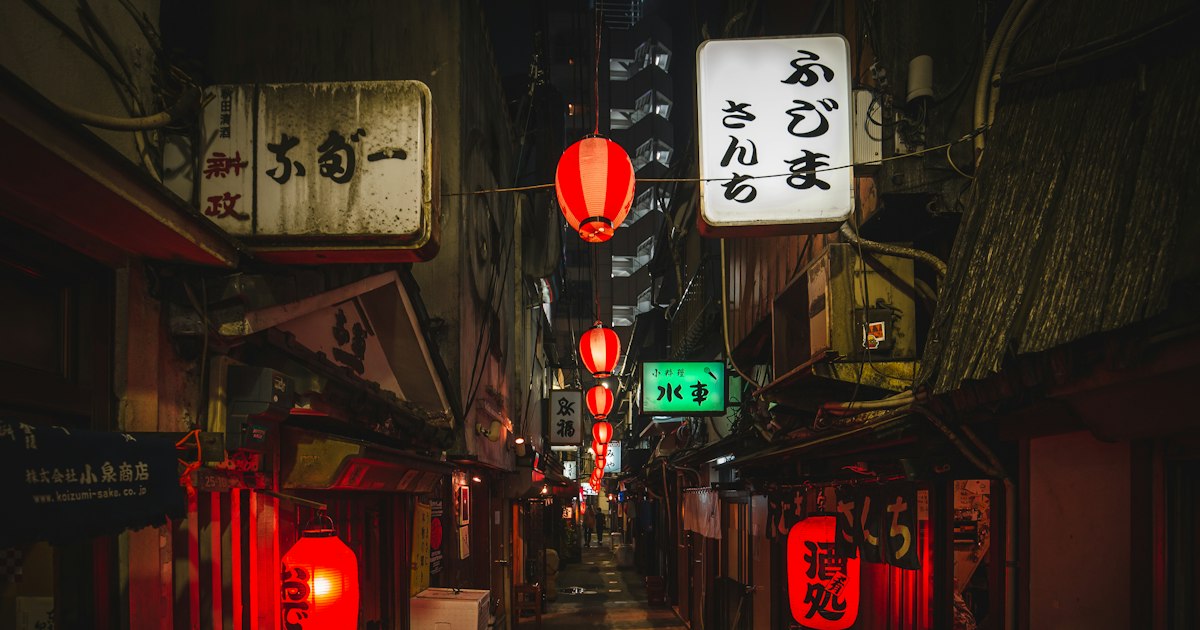
    Walk five minutes from the polished department stores of Ginza and you’ll hit a wall of charcoal smoke, hanging red lanterns, and the rattle of trains passing directly overhead. This is Yurakucho’s gado-shita — literally “under the girder” — a string of yakitori counters, standing bars, and tiny izakaya built into the brick and steel arches that support the elevated railway between Yurakucho and Shimbashi stations. It’s one of the last unpolished pockets left this close to Ginza, and it’s still where plenty of Tokyo office workers go to unwind after work. Here’s how to actually use it as a visitor, not just photograph it.

    What Gado-Shita Actually Is

    The tracks overhead carry the JR Yamanote Line, the Keihin-Tohoku Line, and Shinkansen traffic in and out of Tokyo Station, and the brick arches beneath them have been rented out as cheap commercial space since the postwar years. Rather than tear it down for redevelopment, the area between Yurakucho and Shimbashi kept its string of yakitori stalls, oden counters, and standing bars, so the atmosphere is older and grittier than almost anywhere else within walking distance of Ginza’s luxury boutiques. If you’ve ridden the loop line and watched the scenery blur past this stretch, you’ve actually looked down on the roofs of these izakaya — it’s worth reading our Yamanote Line guide to see how Yurakucho fits into the rest of the loop if you’re combining this with other stops that day.

    A notable feature unique to this stretch is a cluster of stalls that specialize in food and drink shipped directly from a single prefecture — a shop pouring only Kagoshima shochu alongside Kagoshima-raised pork, another built around Hokkaido seafood. You won’t find that regional focus in Shinjuku’s better-known Omoide Yokocho, which makes Yurakucho worth the detour even if you’ve already done the “alley yakitori” experience elsewhere.

    Getting There

    Yurakucho Station (JR Yamanote/Keihin-Tohoku lines, and the Tokyo Metro Yurakucho and Hibiya lines) is the obvious landmark — take the Hibiya exit or Ginza exit and you’re already standing at the northern edge of the gado-shita strip. The stalls run roughly south along the tracks toward Shimbashi Station, so if you end up near Shimbashi instead, just walk north under the rail line and you’ll run into the same area. The whole stretch covers maybe 10–15 minutes of walking if you go end to end. Because these places are tucked into numbered arches rather than conventional street-facing buildings, exact addresses can be close to useless for navigation — if you’re trying to meet someone at a specific spot, our guide to how Japanese addresses work explains why, and it’s usually faster to just use a landmark or a map pin shared by the restaurant instead.

    How It Works: Seating, Ordering, Prices

    Most spots are tiny — a counter with 8-15 stools, or standing-only (tachinomi) bars with barely enough room to turn around. Expect to share close quarters with strangers; that’s part of the appeal. Menus are frequently Japanese-only and often just a handwritten board, but most places have a plastic or laminated photo menu you can point at, and skewers are usually displayed in a glass case at the counter so you can just gesture at what looks good.

    Rough pricing to budget by:

    • Yakitori skewers: ¥150–¥400 each, depending on the cut (regular chicken parts are cheaper; tsukune, chicken liver, and pork belly run higher)
    • Draft beer (nama biru): ¥500–¥700 for a standard glass
    • Highball or shochu-based drinks: ¥400–¥600
    • A seat charge (otoshi/table charge) of a few hundred yen is common at sit-down counters, less so at standing bars
    • A full dinner with 5-6 skewers and 2-3 drinks per person typically lands around ¥3,000–¥4,500

    Cash is still king at the oldest, smallest stalls, though more places now take IC cards (Suica/Pasmo) or credit cards — don’t assume either way, and carry some cash as backup.

    What to Eat and Drink

    Yakitori is the backbone — order a mix of momo (thigh), negima (thigh and leek), tsukune (chicken meatball), and if you’re feeling adventurous, kawa (crispy grilled skin) or reba (liver). Many counters also do motsuyaki (grilled offal), oden in the colder months, and simple sides like edamame or hiyayakko (cold tofu). If you don’t want beer, a highball is the default order here — it’s the drink most associated with this style of postwar Tokyo bar. For something non-alcoholic, plain oolong tea is the standard fallback at most counters rather than mugicha, though it doesn’t hurt to ask. If you’re drinking late and want something to settle your stomach before heading home, keep an eye out for ochazuke on the menu — a number of izakaya in Tokyo serve it specifically as a last dish to end a night of drinking, and our ochazuke guide explains how to order it if you’ve never seen it on a menu before.

    Best Time to Go

    The area is at its liveliest on weekday evenings from about 6pm to 9pm, when salarymen pour in straight from the office — that’s also when it’s hardest to get a seat without waiting. If you want the atmosphere and smoke without the crush, show up right at opening (many stalls start around 5pm, with a handful also open for lunch from 11:30am) or go on a weeknight rather than Friday. Winter is genuinely a good season for this: the cold makes the charcoal smoke, steam from oden pots, and huddled-together seating feel more atmospheric, and hot sake or oden are at their best. Summer evenings are still fine, just hotter and more humid standing that close to open grills.

    Budget, Mid-Range, and Splurge

    On a tight budget, stick to a standing bar (tachinomi) and order a few skewers with one drink — you can eat and drink for around ¥1,500–¥2,000 and move on. For a standard night out, settle into a counter seat at one of the yakitori specialists and expect ¥3,500–¥5,000 per person with a proper spread of skewers and a few rounds of drinks. For a splurge, some of the sit-down izakaya further from the main foot traffic serve higher-grade brand-name chicken (jidori) or premium seafood from their regional-specialty stalls, where a meal can run ¥6,000–¥8,000 per person with good sake or shochu pairings — still modest by Ginza standards, but noticeably more refined than the stand-up stalls.

    Common Mistakes to Avoid

    • Showing up at 7pm on a Friday expecting a seat immediately — this is peak time for a reason; go earlier or pick a quieter weeknight.
    • Assuming every stall takes cards — bring cash as a backup, especially for the smallest standing bars.
    • Treating the otoshi (seat charge) as optional — it’s a standard part of the bill at sit-down counters, not an add-on you can decline.
    • Wearing clothes you care about — charcoal smoke clings, and seating is tight enough that spills happen.
    • Expecting English menus everywhere — a few larger places cater to tourists, but most of the charm here comes from the fact that they haven’t changed their format for decades. Pointing at the display case works fine.

    Gado-shita isn’t a polished attraction — it’s a working-class drinking strip that happens to sit a few minutes from some of the most expensive real estate in Tokyo, and that contrast is exactly why it’s worth an evening of your trip.

  • Tokyo Dome City: The Thrill-Ride Amusement Park in the Middle of the City

    Tokyo Dome City: The Thrill-Ride Amusement Park in the Middle of the City

    Photo by Nakaharu Line on Unsplash

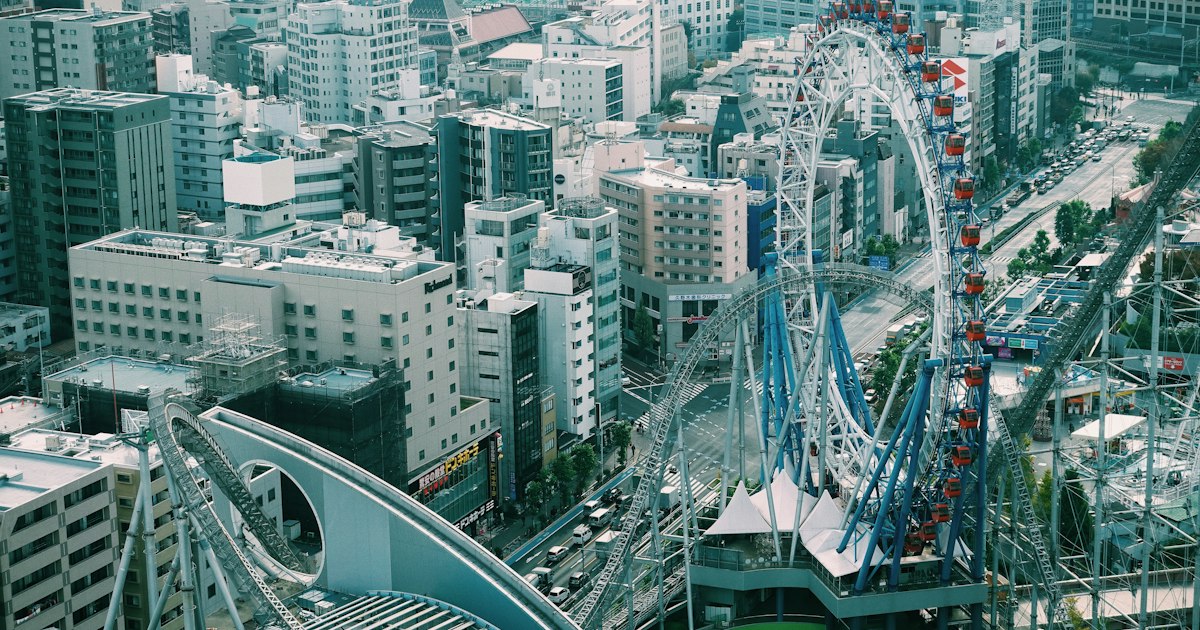
    Most amusement parks make you buy your way through a gate before you’ve ridden anything. Tokyo Dome City does the opposite: you can wander in for free, watch a roller coaster thread itself through the spokes of a wheel with no center axle, grab dinner, and only pay for the rides you actually want to go on. Tucked into Bunkyo Ward next to the stadium where the Yomiuri Giants play, it’s one of the few amusement parks in the world you can reach by subway in fifteen minutes from a major city center — no day trip required.

    What Tokyo Dome City Actually Is

    Tokyo Dome City is a entertainment complex built around Tokyo Dome, the roofed baseball stadium that gives the area its name. The amusement park section — officially Tokyo Dome City Attractions — sits on the site of the old Korakuen Yuenchi, which was redeveloped and rebranded in 2003. Unlike Tokyo Disneyland or Fuji-Q Highland, there’s no perimeter fence and no general admission ticket. The park is an open urban space threaded between shops, restaurants, a spa, and the stadium itself, so you can walk straight in, look around, and decide which rides are worth your money before committing to anything.

    The complex’s signature structure is the Big O, a Ferris wheel with no central hub — the whole ring is supported from the outside, which was a genuine engineering first when it opened. Thunder Dolphin, the park’s main roller coaster, is built to loop directly through the open center of that wheel, which is the photo everyone comes home with.

    The Rides: From Family-Friendly to Genuinely Scary

    Thunder Dolphin is the headline attraction — a steel coaster with a steep first drop and a layout that weaves between and through the surrounding buildings and the Big O’s frame. It’s intense enough that height and health restrictions apply, so it’s not for younger kids or anyone with back or heart issues. Alongside it, the park runs a mix of calmer attractions: the Big O wheel itself (a good option if coasters aren’t your thing but you still want the view over Bunkyo Ward), a smaller family coaster, spinning and swinging rides, and attractions aimed squarely at younger children. It’s a compact lineup compared to a full-day theme park like Universal Studios Japan, which makes it realistic to see and ride everything in a half-day visit.

    How the Pricing Works

    Because there’s no entry fee, you pay per ride using either individual tickets or a reloadable value, and there’s typically also an unlimited-ride pass for the day if you plan to ride more than four or five times. Individual ride tickets generally fall in the roughly ¥500–¥1,000 range, with Thunder Dolphin at the higher end; an all-day unlimited pass has historically run in the neighborhood of ¥4,000–¥4,500 for adults, with cheaper rates for children. These numbers shift with seasonal promotions and occasional price revisions, so treat them as a planning estimate and check the official Tokyo Dome City Attractions site for the current ticket chart before you go — it’s the one part of this trip worth double-checking the week of your visit.

    Budget approach: pick two or three rides you actually want and pay individually rather than buying the all-day pass. Mid-range: the unlimited pass pays for itself once you’ve ridden four or five times, which is realistic if you’re there with kids who want to repeat favorites. Splurge: combine your visit with Spa LaQua (see below) for a full day that mixes adrenaline and recovery.

    Getting There

    This is the park’s biggest practical advantage over Japan’s other big theme parks: it sits inside the city, not an hour outside it. Three stations put you within a few minutes’ walk of the entrance — Suidobashi Station on the JR Chuo-Sobu Line or the Toei Mita Line, Korakuen Station on the Tokyo Metro Marunouchi or Namboku Lines, and Kasuga Station on the Toei Mita or Oedo Lines. If you’re coming from central Tokyo, there’s a good chance you won’t need to transfer more than once. For getting between your hotel and the station, or hopping to a nearby neighborhood afterward, Tokyo’s shared e-scooters are a genuinely useful option for visitors — see LUUP: How Tourists Can Legally Ride Japan’s Shared E-Scooters for how to register and ride legally.

    Best Time to Visit

    Tokyo Dome City Attractions typically opens around 10:00 AM and closes somewhere between 6:00 PM and 9:00 PM depending on the day and season, with extended hours in summer and shorter ones in winter — always check the calendar on the official site before you plan your day, since hours can change week to week. Weekday mornings are noticeably quieter than weekends, and the park gets busy fast on days when there’s a baseball game or concert at Tokyo Dome itself, since the stadium crowd spills straight into the attractions area. If you want short lines on Thunder Dolphin, aim for a weekday right at opening. Spring and autumn are the most comfortable seasons weather-wise for an outdoor park with no real shade; summer visits are doable but hot, and a surprising number of the rides are outdoors with full sun exposure.

    Beyond the Rides

    Tokyo Dome City is bigger than just the amusement park. Spa LaQua is a proper hot-spring-style spa and sauna facility within the complex, and it’s a legitimately good way to spend an evening after a day of rides — most visitors treat it as a separate half-day rather than tacking it onto the same visit. The complex also has a shopping mall with casual dining, and if you’re hungry before or after the rides, the Suidobashi side of the station area has no shortage of ramen shops; tsukemen, Tokyo’s dipping-noodle variation, is especially popular in this part of the city if you want something more substantial than a quick snack — see Tsukemen: Japan’s Dipping Ramen and Where to Try It for how to order it properly. If you end up picking up snacks or small gifts in the shopping arcade, it’s worth knowing what you’re allowed to bring home duty-free before you buy in bulk — see Japan’s Duty-Free Allowance Coming Home.

    Right next door is Koishikawa Korakuen, a genuine Edo-period strolling garden (not to be confused with the amusement park’s old Korakuen Yuenchi name) — it’s a quiet counterpoint if you want to pair thrill rides with something more traditional on the same day.

    Common Mistakes to Avoid

    • Assuming it’s a full-fence theme park. There’s no single ticket gate — budget your money ride by ride or you’ll either overspend on an all-day pass you don’t need, or underspend and waste time buying tickets one at a time at the booth.
    • Visiting on a game day without checking the schedule. If the Giants are playing, expect heavier crowds throughout the complex, not just near the stadium.
    • Skipping the height/health check for Thunder Dolphin. Restrictions are posted at the ride and enforced — don’t assume you’ll be let on.
    • Not checking the day’s closing time. Hours vary enough by season and weekday that showing up late afternoon can mean missing rides you planned around.
    • Forgetting cash or IC card options. Ticket and pass purchasing has shifted toward electronic payment and reloadable cards in recent years; it’s worth having your transit IC card charged up before you arrive.

    Tokyo Dome City won’t out-thrill a full-day park like Fuji-Q Highland, and it won’t out-charm Disneyland’s theming. What it does uniquely well is let you squeeze a genuine amusement park, a roller coaster through a Ferris wheel, and a spa into an afternoon without leaving the city — which makes it one of the easiest “extra half-day” additions to a Tokyo itinerary that’s already packed with temples, shopping, and food.

  • Sanrio Puroland & Namjatown: Tokyo’s Indoor Character Theme Parks

    Sanrio Puroland & Namjatown: Tokyo’s Indoor Character Theme Parks

    Photo by Jezael Melgoza on Unsplash

    Tokyo has two theme parks built entirely indoors, which makes them some of the best rainy-day, heatwave-day, or dead-of-winter plans in the city. Sanrio Puroland is Hello Kitty’s walk-in universe out in Tama, while Namjatown is Bandai Namco’s quirkier gyoza-and-dessert playground in Ikebukuro. They’re aimed at different crowds and sit in different parts of Tokyo, so they’re rarely visited back-to-back, but each is worth a half or full day on its own. Here’s what to actually expect, what it costs, and how to avoid the mistakes most first-time visitors make.

    Sanrio Puroland: Hello Kitty’s Indoor Kingdom

    Sanrio Puroland sits in Tama New Town, about 30–40 minutes west of central Tokyo, and has been running since 1990. It’s a fully climate-controlled, multi-floor complex built around Hello Kitty, My Melody, Kuromi, Cinnamoroll, Pompompurin and the rest of the Sanrio roster, with themed walk-through sets, a boat ride, live character stage shows (several times a day, often the real highlight of the visit), a parade, photo-op rooms like Lady Kitty House, and a large exclusive gift shop that sells merchandise found nowhere else, including Tokyo.

    Admission uses date-variable pricing rather than one flat fee—adult “passport” tickets typically run somewhere in the ¥3,300–¥4,500 range depending on the day, season, and whether it’s a weekday or weekend, with discounted rates for children. Tickets are sold in advance on the official Sanrio Puroland site with timed entry slots, and popular dates (weekends, school holidays, anything near a Sanrio character’s birthday event) sell out, so book ahead rather than planning to walk up.

    Opening hours vary by day too, generally somewhere around 10:00–17:00 on quieter days and later on weekends, with occasional full closures on weekdays for maintenance—always check the specific date you want on the official calendar before you plan around it.

    Getting to Sanrio Puroland

    The nearest station is Tama-Center, served by both the Keio Sagamihara Line and the Odakyu Tama Line, roughly 30–40 minutes from Shinjuku depending on the train. From the station it’s about a 5–8 minute walk, mostly covered or arcade-lined, following the Hello Kitty signage. There’s no need for a car or bus transfer—this is a straightforward train trip, just further out than most central Tokyo attractions, so budget the extra travel time into your day.

    Namjatown: Ikebukuro’s Gyoza-and-Dessert Playground

    Namjatown, run by Bandai Namco, is a very different kind of indoor park. It occupies a lower floor of the Sunshine City complex in Ikebukuro and leans into nostalgic, slightly retro Japanese amusement-arcade energy rather than a single IP. Its two most famous zones are Gyoza Stadium, a food court gathering well-regarded gyoza shops from around Japan under one roof, and Dessert Yokocho (“Dessert Alley”), a strip of specialty dessert stalls. Beyond the food, there are small attractions, carnival-style games, a haunted walk-through attraction for thrill-seekers, and a rotating cast of event collaborations.

    Pricing works in two layers: a relatively cheap entry fee (roughly in the ¥500–¥800 range for adults) that just gets you into the space to eat and browse, and a separate Attraction Pass for unlimited rides and games, generally priced somewhere around ¥3,000–¥3,700 for adults with lower rates for children, cheaper on weekdays than weekends. If you’re mainly there for gyoza and dessert, the basic entry ticket alone is enough—skip the attraction pass unless the kids want to play. Namjatown generally runs similar hours to the rest of Sunshine City, roughly 10:00 to late evening, with last entry an hour or so before close, but confirm the day’s hours on the official site since they do shift seasonally.

    Getting to Namjatown

    Namjatown is inside Sunshine City in Ikebukuro, about an 8–10 minute walk from Ikebukuro Station’s east exit. Ikebukuro is a major hub on the JR Yamanote Line plus several private and subway lines, so it’s an easy add-on to a day that also includes Ikebukuro’s otaku shopping streets, Sunshine Aquarium, or the Pokémon Center a few floors up in the same building.

    Best Season and Timing

    Because both parks are fully indoor, weather isn’t really a factor in choosing when to go—that’s their entire appeal. Instead, time your visit around crowds: both get noticeably busier on weekends, Japanese school holidays (late July–August, late December–early January, late March–early April), and around character-specific anniversary events, which Sanrio in particular runs throughout the year. Weekday mornings right at opening are consistently the quietest window at both parks. If your Tokyo trip includes a typhoon day, an unbearably hot August afternoon, or a cold, wet January day you don’t want to spend outside, this is exactly when an indoor character park earns its place on the itinerary.

    Tickets, Booking and Common Mistakes

    The most common mistake at Sanrio Puroland is assuming you can walk up and buy a ticket on the day—on busy dates, time slots sell out well in advance, so book online as soon as your travel dates are fixed. At Namjatown, the common mistake runs the other way: visitors buy the full Attraction Pass assuming it’s required for entry, when the cheaper basic admission is all you need if you’re there for the food courts. If you do end up needing to print a ticket confirmation or voucher and don’t have access to a printer, Japan’s convenience stores can help—see our guide to konbini multi-copy machines for how ticketing and printing works at Family Mart, 7-Eleven and Lawson terminals. And if you’re new to how Japanese ticketing platforms and resale rules generally work—useful knowledge for Sanrio’s occasional ticketed stage events as well as concerts—our guide to buying event tickets in Japan as a tourist covers the basics of Ticket Pia, e+ and official resale.

    Budget, Mid-Range and Splurge

    At Sanrio Puroland, the ticket itself is your main cost; a budget visit means skipping the character-greeting photo add-ons and sticking to the included shows, while a splurge means booking a premium seating option for a stage show and buying from the full merchandise lineup in the main store. At Namjatown, budget travelers can get a satisfying visit from the ~¥500–¥800 entry fee alone plus a few hundred yen per gyoza plate in Gyoza Stadium—it’s genuinely one of the cheaper “attractions” in Tokyo if you treat it as a themed food court. Mid-range visitors add the Attraction Pass; splurge visitors stack on dessert-alley sampling and the arcade-style prize games, which add up quickly in ¥100–¥300 coin increments.

    Which One Should You Visit?

    If you or your travel companions have a genuine attachment to Hello Kitty and the Sanrio characters, Puroland is worth the trip out to Tama on its own merits—it’s a dedicated fan experience, not a quick stop. If you’re already in Ikebukuro for the shopping, the aquarium, or the Pokémon Center and want a low-commitment, food-forward detour, Namjatown slots in easily for two or three hours. Because of the distance between Tama and Ikebukuro, don’t try to do both in one day—pick the one that matches your group, and treat the other as an option for a different day, especially a day with bad weather in the forecast.

  • Ebisu: Tokyo’s Beer-Hall Neighborhood Built Around the Old Yebisu Brewery

    Ebisu: Tokyo’s Beer-Hall Neighborhood Built Around the Old Yebisu Brewery

    Photo by Denys Nevozhai on Unsplash

    Most Tokyo neighborhoods are named after a shrine, a river, or an old castle gate. Ebisu is named after a beer. In 1890, the Japan Beer Brewing Company built a brewery here and named its flagship lager Yebisu, after the Japanese god of fishermen and good fortune. A rail spur built to haul beer kegs to the port gave the surrounding stop its name — Ebisu Station — and the neighborhood grew up around it. The brewery itself relocated outside Tokyo decades ago, but its site is now Yebisu Garden Place, a mixed-use complex that still keeps the beer history alive, and the streets around the station are packed with izakaya and standing bars that make Ebisu one of the best places in Tokyo for an evening of eating and drinking without the Shibuya-level crowds.

    Getting to Ebisu

    Ebisu Station sits on the JR Yamanote Line, just one stop (about 2 minutes) south of Shibuya, and is also served by the JR Saikyo and Shonan-Shinjuku lines and the Tokyo Metro Hibiya Line. From Shinjuku it’s roughly 15 minutes on the Yamanote Line; from Tokyo Station, about 25 minutes via the Yamanote or Marunouchi/Hibiya transfer. There’s no need to book anything in advance — just tap in with an IC card (Suica/Pasmo) like anywhere else in the city.

    From the station’s East Exit, follow the signs for the “Skywalk,” a roughly 400-meter covered moving walkway that carries you directly to Yebisu Garden Place in about 5 minutes without crossing a single street. It’s a small, easy-to-miss convenience that makes Ebisu one of the more pleasant stations to arrive at with luggage or in the rain.

    Yebisu Garden Place and the Museum of Yebisu Beer

    Yebisu Garden Place opened in 1994 on the former brewery grounds and now holds offices, the Yebisu Garden Hall event space, restaurants, and the Tokyo Photographic Art Museum. At its center is the Museum of Yebisu Beer (Yebisu Beer Kinenkan), a compact museum run by Sapporo Breweries that traces the beer’s history with old bottles, posters, and brewing equipment.

    • Hours: roughly 11:00–18:00; closed Mondays (and around New Year’s) — check the day you visit, as hours shift seasonally.
    • Admission: the self-guided exhibition area is free to enter.
    • Tasting: a small tasting lounge on site sells flights of a few different Yebisu varieties by ticket machine, usually a few hundred yen per glass — a cheap, easy way to compare the brewery’s lineup side by side.
    • Guided tours: paid, Japanese-language tours of the brewing history exhibits run on a set schedule and are worth booking ahead if your Japanese is good enough to follow along; otherwise the exhibition alone is enough for most visitors.

    The square outside the museum, under the glass-roofed Chateau Restaurant building, hosts a famous Baccarat crystal chandelier each winter — more on timing below.

    Ebisu Yokocho: The Neighborhood’s Beer Hall at Night

    If Yebisu Garden Place is the neighborhood’s daytime history lesson, Ebisu Yokocho is its nighttime payoff. Tucked just northwest of the station along a street lined with pachinko parlors, this covered alley was once a Showa-era black market and is now a cluster of around 20 tiny stalls serving yakitori, oden, sushi, and grilled seafood, all sharing a few long communal tables down the center. Most stalls open around 17:00 and stay busy until midnight or later; it gets loud, smoky, and genuinely fun, especially on weekends.

    Budget-wise, a few skewers and a mug of draft Yebisu run about ¥2,000–3,000 per person; order from two or three different stalls and you’ll have tried more of the alley than if you’d settled into one spot. It’s standing-room informal rather than a sit-down restaurant, so it pairs well with the kind of fast, cheap, stand-and-eat culture you’ll also find at Tokyo’s standing sushi bars — Ebisu has a few of those too, scattered on the streets south of the station.

    Best Time to Visit

    Ebisu works year-round, but a few windows make it better:

    • Winter evenings (mid-November to early January): Yebisu Garden Place runs a seasonal illumination, and the Baccarat chandelier in the central square is lit — it’s free to see and one of the better low-key Christmas-light spots in Tokyo, without Marunouchi-level crowds.
    • Weeknight early evening (17:00–19:00): the best window to grab seats at Ebisu Yokocho before it fills up; arrive after 19:30 on a Friday and you may be standing.
    • Summer: Yebisu Garden Place occasionally hosts a beer garden on its open plaza — a nice outdoor option if you’re there on a warm evening, though it’s seasonal and not guaranteed every year.

    Avoid treating this as a rainy-day indoor destination — the beer museum itself is small (30–45 minutes is plenty), so the appeal of Ebisu is really the walk between the brewery history and the alley food scene, which is more pleasant in dry weather. If rain catches you anyway, the Skywalk covers the station-to-Garden Place stretch, and a basic clear vinyl umbrella from a convenience store will handle the rest.

    Beyond the Beer: What’s Within Walking Distance

    Ebisu’s location makes it a good base for stringing together a half-day without hopping trains. Daikanyama, home to the flagship Tsutaya Books T-Site, is about a 12–15 minute walk northwest, and Nakameguro’s canal-side cafes are another 10 minutes past that. If you’d rather see a different side of Tokyo neighborhood life entirely, both Monzen-Nakacho and Gotokuji Temple make good contrasts — quieter, more residential, and nowhere near as beer-focused.

    Common Mistakes to Avoid

    • Arriving at the beer museum expecting a full brewery tour. The actual Yebisu brewing has long since moved elsewhere; this is a history museum and tasting room, not a working factory tour. Set expectations accordingly and budget it as a 30–45 minute stop, not a half-day.
    • Showing up to Ebisu Yokocho for lunch. Most stalls don’t open until late afternoon. If you’re hungry at midday, look toward the main streets around the station instead.
    • Skipping cash. Several of the smaller Yokocho stalls are cash-only or have low card minimums — carry a few thousand yen in small bills.
    • Confusing Ebisu with Ebisu-cho or other similarly named stops. Make sure your train app has you on the Yamanote/Hibiya Ebisu Station, not a different “Ebisu” exit on a local bus route.

    For a one-word summary: Ebisu rewards an evening visit far more than a daytime one. Come for the museum if you’re curious about the beer’s backstory, but come back after dark for the part of the neighborhood that actually earned it a reputation — the alley, the draft taps, and the crowd spilling out of Ebisu Yokocho onto the street.

  • Gotokuji Temple: Tokyo’s Lucky Cat (Maneki-neko) Shrine and Its Sea of Statues

    Gotokuji Temple: Tokyo’s Lucky Cat (Maneki-neko) Shrine and Its Sea of Statues

    Photo by Elise Heikamp on Unsplash

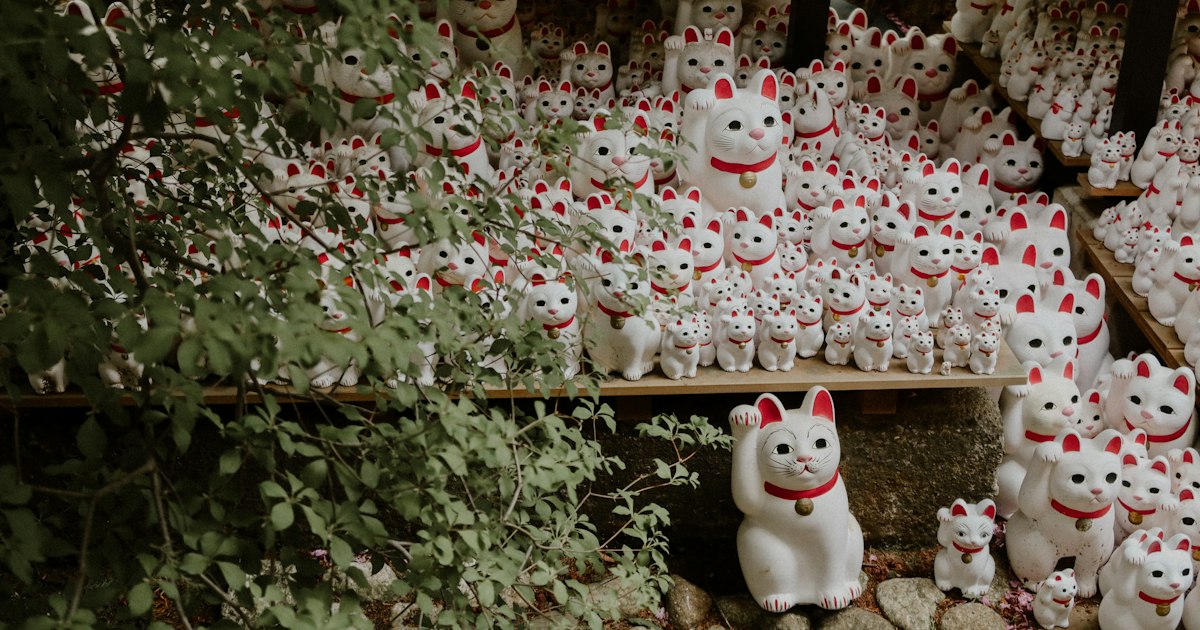
    Tucked into a quiet residential pocket of Setagaya, Gotokuji Temple doesn’t look like much from the street — just another Soto Zen temple with a cemetery and a pagoda. Then you round a corner and find thousands of small white ceramic cats staring back at you, paws raised in a permanent beckoning wave. This is where the maneki-neko, Japan’s famous “lucky cat” figurine, is said to have originated, and it’s one of the few places in Tokyo where a genuinely odd, photogenic sight costs nothing to see and sits almost entirely off the main tourist track.

    The Legend Behind Tokyo’s Luckiest Cats

    The story goes that in the 17th century, a feudal lord named Ii Naotaka was riding past Gotokuji during a thunderstorm when he saw a temple cat raising its paw as if beckoning him inside. He followed it in, took shelter, and narrowly avoided being struck by lightning (or, in some versions, simply received a cup of tea and a dharma talk that moved him). Grateful, he became a patron of the temple, and the Ii family’s fortunes — and the temple’s — grew. When the cat eventually died, the monks enshrined it, and the beckoning-cat motif became the temple’s symbol.

    Worth knowing before you go: Imado Shrine in Asakusa also claims to be the maneki-neko’s birthplace, and you’ll find this argument repeated on both sides with total confidence. There’s no definitive answer, so don’t be thrown off if you see competing claims — Gotokuji is the one most historians and most of the cat-statue tourism actually centers on.

    What You’ll Actually See at Gotokuji

    The cat field sits beside the temple’s three-story pagoda (built in 2006, with small carved cats worked into its details), and it’s exactly as described: tiered wooden shelves packed with maneki-neko figurines of every size, from palm-sized to nearly a foot tall, all facing roughly the same direction, all with one paw raised. Visitors buy a cat from the temple’s small shop, write a wish on it (or just hold it in mind), and either take it home or leave it on the shelves as an offering — which is why the collection keeps growing year over year rather than shrinking.

    The rest of the grounds are genuinely peaceful: a working cemetery, mature trees, and the graves of the Ii family, including Ii Naosuke, the Edo-period statesman assassinated in 1860 in the famous Sakuradamon Incident. It’s a real historical site, not a theme park, and the contrast between the solemn cemetery and the cheerful wall of cats is part of what makes the place memorable.

    Getting There

    Gotokuji is in Setagaya Ward, and there are two reasonable approaches:

    • Odakyu Line to Gotokuji Station — about 15 minutes from Shinjuku on a local train, then a 5–10 minute walk to the temple.
    • Tokyu Setagaya Line to Miyanosaka Station — this quaint, two-car local tram line connects from Sangenjaya (itself reachable via the Denentoshi Line from Shibuya), and Miyanosaka is only about a 5-minute walk from the temple gate, making it the closer option if you’re coming from that side of the city.

    Entry to the temple grounds is free, and there’s no gate or ticket booth — it functions like most neighborhood temples in Japan, open to the public roughly from early morning to early evening (a commonly cited window is around 6:00am–6:00pm, though this isn’t rigidly enforced the way a museum’s hours would be). There’s no admission fee, no English signage push, and no crowds funneling you through — bring cash for the cat shop since it’s a small operation.

    Best Time to Visit

    Weekday mornings are the sweet spot if you want photos of the cat shelves without other visitors in frame — this has become a popular stop for both tourists and Japanese visitors doing a “lucky spot” tour of Tokyo, and weekend afternoons can get surprisingly busy for such a small site. Spring brings cherry blossoms to the grounds, which pair nicely with the pagoda in photos, but the cats themselves are a year-round draw with no real seasonal advantage either way. Avoid treating this as a long stop — most visitors spend 20–40 minutes here, which makes it easy to combine with other low-key Tokyo neighborhoods for a half-day loop, similar in pace to a visit to Monzen-Nakacho on the other side of the city.

    Buying Your Own Maneki-neko (and Common Mistakes)

    The temple shop sells plain white ceramic cats in a few sizes, generally running from around ¥300 for the smallest to a few thousand yen for larger figures — simple, unglazed, and deliberately uniform rather than the colorful painted versions sold as souvenirs elsewhere in Japan. A goshuin (temple stamp) booklet entry, if you collect them, typically costs around ¥300.

    • Budget: A small cat (¥300–500) plus free entry is the whole trip.
    • Mid-range: A medium figurine (¥1,000–3,000) to display at home, often bought alongside a goshuin stamp.
    • Splurge: Larger statues or a full set in different sizes, running ¥5,000 and up.

    The most common mistake is expecting a shopping street or souvenir market — there isn’t one. This is a quiet, working temple with a cemetery, so keep voices down near the graves and don’t treat the whole site as a photo backdrop. The second common mistake is confusing Gotokuji with Imado Shrine and being surprised the “famous lucky cat street” of Asakusa isn’t here; Gotokuji is residential and understated by design. If you want colorful, painted maneki-neko as gifts rather than the plain temple-style ones, those are easier to find at shops near Asakusa or in general souvenir stores, and if you’re shopping for Japanese cat goods after you’re home, secondhand and specialty maneki-neko figures also turn up regularly on sites covered in guides like buying on Mercari Japan from abroad.

    Making the Most of the Visit

    Because the cat shelves are visually striking but the surrounding temple is hushed, this is a good spot to slow down rather than rush through for a single shot. If you’re someone who likes a physical keepsake beyond the figurine itself, this is also a natural place to use an instant camera — the dense rows of identical cats make for one of the more satisfying instant-print compositions in Tokyo, and if you need film or a camera before you go, it’s worth checking a guide to Instax Cheki culture and where to buy film. There’s no café or rest area on-site, so plan your coffee stop in Gotokuji or Sangenjaya before or after.

    Gotokuji rewards visitors who treat it as what it is: a real, still-functioning Buddhist temple that happens to have an extraordinary, slightly surreal detail tucked into one corner. Go early, go quietly, and budget half an hour — it’s one of Tokyo’s best free sights precisely because almost no one oversells it.

  • Monzen-Nakacho: Tokyo’s Quiet Neighborhood Between Kiyosumi Gardens and the Sumida River

    Monzen-Nakacho: Tokyo’s Quiet Neighborhood Between Kiyosumi Gardens and the Sumida River

    Photo by El Salanzo on Unsplash

    Most first-time visitors to Tokyo never make it east of the Sumida River, and that’s exactly why Monzen-Nakacho is worth the detour. This Koto City neighborhood grew up around a shrine gate (the name literally means “in front of the gate”) and still feels like a working Tokyo district rather than a tourist set piece — shopping arcades selling senbei and tsukudani, old timber-merchant canals, and a Japanese garden that rarely gets crowded even on weekends. It pairs naturally with a half-day loop that takes in Kiyosumi Gardens, a historic shrine and temple, and a stretch of the Sumida River.

    Getting There

    Monzen-Nakacho Station is served by two lines: the Tokyo Metro Tozai Line and the Toei Oedo Line. From Otemachi or Nihonbashi, it’s about 7–10 minutes on the Tozai Line; from Shinjuku, figure roughly 20–25 minutes via the Oedo Line. If you’re coming straight from the airport, check Narita to Haneda (and Back): Routes, Time & Cost Compared first, since your arrival airport determines whether a quick transfer through Tokyo or Nihonbashi stations makes more sense before heading out this way.

    One nuance worth knowing in advance: Kiyosumi Gardens is actually closer to Kiyosumi-Shirakawa Station (Toei Oedo Line / Tokyo Metro Hanzomon Line, one stop from Monzen-Nakacho), about a 3-minute walk from exit A3. Monzen-Nakacho Station is the right stop for the shrine, temple, and shopping street, but if the garden is your main goal, riding one extra stop saves a 15-minute walk.

    Kiyosumi Gardens: A Quiet Edo-Era Stroll

    Kiyosumi Gardens (清澄庭園) is a strolling garden built around a central pond, originally developed in the Meiji era on the site of an Edo-period merchant’s villa. It’s small enough to cover in 45–60 minutes but landscaped with enough variety — stepping stones across the water, a teahouse, stone lanterns, and rocks shipped in from around Japan — that it doesn’t feel rushed.

    • Hours: 9:00 AM–5:00 PM (last entry 4:30 PM), open daily except December 29–January 1
    • Admission: ¥150 for adults, ¥70 for visitors 65 and older, free for junior high school age and younger
    • Best for: plum blossoms in February, fresh green in May, and koyo (autumn leaves) in late November to early December

    Unlike Shinjuku Gyoen or Rikugien, Kiyosumi rarely sees tour groups, so it’s a good option if you want garden photos without other people in every frame.

    Tomioka Hachimangu and Fukagawa Fudodo

    Near Monzen-Nakacho Station itself are two adjacent religious sites worth pairing together. Tomioka Hachimangu, founded in 1627, is historically tied to sumo — the shrine grounds hold stone monuments listing the names of every yokozuna champion, a relic of the era when the sport’s early tournaments were held here. On the 1st, 15th, and 28th of every month (weather permitting), the shrine grounds host a sizeable antique and flea market running from early morning until mid-afternoon, free to browse, with vendors selling old ceramics, kimono fabric, and vintage odds and ends.

    Right next door, Fukagawa Fudodo is a striking temple whose main hall is covered in gold Sanskrit characters. Several times a day, priests perform a goma fire ritual — chanting and drumming while burning wooden prayer sticks in front of the altar. It’s loud, dramatic, and free to watch from the hall; if your visit lines up with a session (times are posted at the entrance and shift slightly through the year), it’s worth staying for the full 20–30 minutes.

    Along the Sumida River and Kiba Park

    Kiyosumi Gardens actually borders a canal (Sendaibori) rather than the Sumida itself, but the river is only a few minutes’ walk further east. Eitai Bridge and Kiyosu Bridge both offer unobstructed river views and are far less photographed than the bridges near Asakusa, which makes for a calmer walk at sunset. If you want more green space, Kiba Park, a short ride away on the Tozai Line, is a large riverside park popular with local families and a good cherry blossom spot in late March/early April that doesn’t draw the Ueno-sized crowds.

    Where to Eat: Fukagawa-meshi and Local Favorites

    The neighborhood’s signature dish is Fukagawa-meshi (also called Fukagawa-don) — asari clams simmered in a savory broth and served over rice, sometimes poured tableside like a donburi. It’s a working-class Edo-period fisherman’s dish that’s survived at a handful of long-running restaurants near the shrine, with set meals typically running ¥900–¥1,600. For a faster, cheaper option, the shopping arcade near the station has standing noodle counters and bakeries; if you’re the type who likes Tokyo’s quicker counter-dining culture in general, Tachigui Sushi: Tokyo’s Standing Sushi Bars for a Fast, Affordable Meal covers that style of eating elsewhere in the city. On a cooler day after a garden walk, a bowl of warm red bean soup is a good way to thaw out — see Zenzai & Oshiruko: Japan’s Warm Red Bean Soup Dessert and Where to Try It for what to order and where it tends to show up on menus.

    Budget: convenience store onigiri and a garden bench, ¥300–500. Mid-range: a Fukagawa-meshi set lunch, ¥900–1,600. Splurge: a multi-course kaiseki dinner at one of the area’s quieter traditional restaurants, which can run ¥8,000–¥15,000 per person — worth reserving ahead since English menus are not guaranteed.

    Best Time to Visit

    Spring (late March–early April) and autumn (mid-November to early December) are the strongest windows, when the garden and riverside trees are at their best and temperatures are comfortable for walking. Summer is viable but humid with little shade along the river. If you’re planning around Japan’s broader holiday calendar, note that late September’s Silver Week can bring extra domestic travelers through Tokyo generally; see Japan’s Silver Week: The Autumn Holiday Cluster and How to Plan Around It if your trip overlaps with it, though Monzen-Nakacho itself stays noticeably calmer than central Tokyo even then.

    Common Mistakes to Avoid

    • Getting off at the wrong station for the garden. Kiyosumi Gardens is a short walk from Kiyosumi-Shirakawa Station, not Monzen-Nakacho Station — save yourself the extra 15 minutes.
    • Showing up on a non-market day expecting stalls. The Tomioka Hachimangu flea market only runs on the 1st, 15th, and 28th of the month; on other days the shrine grounds are quiet and stall-free.
    • Confusing this with Tsukishima’s monjayaki district. Monjayaki’s famous “Monja Street” is one Oedo Line stop away in Tsukishima, not in Monzen-Nakacho itself — easy to combine in one afternoon, but they’re different neighborhoods.
    • Expecting English signage everywhere. This is a genuinely local district; menus and shop signs are mostly Japanese-only, so a translation app helps more here than it would in Asakusa or Shibuya.
    • Visiting the garden right at closing. Last entry is 30 minutes before closing, and staff do enforce it — aim to arrive at least an hour before the 5:00 PM cutoff.

    Monzen-Nakacho won’t fill a full day on its own, but as a half-day add-on to a Tokyo itinerary — especially if you’re already heading toward Tsukishima, Kiba, or the Sumida River area — it offers a version of “old Tokyo” that most visitors skip entirely.

  • Ikebukuro’s Otome Road: Tokyo’s Otaku Scene for Women

    Ikebukuro’s Otome Road: Tokyo’s Otaku Scene for Women

    Photo by Andre Benz on Unsplash

    While Akihabara gets all the foreign-tourist attention for anime and electronics, a quieter but equally dense otaku district has grown up on the other side of Tokyo in Ikebukuro. Otome Road (“Maiden Road”) is a short stretch of shops built around manga, boys’ love (BL) titles, otome games, idol goods, and cosplay supplies aimed primarily at female fans. If Akihabara feels like it was built for a different audience than you, Otome Road is worth the detour — it’s compact, walkable in an afternoon, and far less overwhelming than Akiba’s main strip.

    Where Otome Road Is and How to Get There

    Otome Road refers to Higashi-Ikebukuro 3-chome, the street running along the east side of Sunshine City mall. From Ikebukuro Station’s East Exit, it’s about a 10–12 minute walk: head toward Sunshine City (following signs or Google Maps) and the shop cluster starts just past the mall’s east side, near Sunshine 60-dori. You can also take the free Ikebukuro shuttle bus or the subway to Higashi-Ikebukuro Station (Yurakucho Line), which drops you about 5 minutes closer on foot.

    Ikebukuro Station itself is served by the JR Yamanote Line, Saikyo Line, and several private and subway lines, so it’s an easy add-on if you’re already circling central Tokyo by rail.

    What to Expect: The Core Shops

    The street is anchored by a handful of specialty stores rather than one giant complex:

    • Animate Ikebukuro Main Store — the flagship of Japan’s largest anime/manga retail chain, spread across multiple floors with manga, light novels, Blu-rays, character goods, and exclusive merchandise tied to currently airing shows. This is usually the busiest single stop on the street.
    • K-Books — not one shop but several specialized branches within a block of each other, split by category: secondhand manga and doujinshi, cosplay costumes and wigs, idol/voice-actor goods, and otome-game merchandise. Look for the branch signage carefully, since the inventory differs a lot between them.
    • Mandarake Ikebukuro — the secondhand otaku-goods chain’s Ikebukuro branch, good for used manga, cels, figures, and older BL/shoujo titles at lower prices than new releases.
    • Lashinbang — another used-goods shop strong on doujinshi, CDs, and character merchandise, often with good bargain bins.
    • Broccoli — a shop built around specific long-running otome and idol franchises, with its own branded character goods.

    Most of these stores open around 11:00 or noon and close at 20:00, though hours shift slightly by shop and season, so it’s worth checking the specific store’s hours for the day you’re going, especially around public holidays.

    The Butler Café Scene

    Otome Road is also where Tokyo’s “reverse maid café” concept lives: butler cafés, where male staff address guests as “Ojou-sama” (young lady) and the atmosphere is styled like an English manor rather than an anime maid café. Swallowtail, tucked just off the main road, is the best-known of these and the one most foreign visitors recognize from online write-ups. Expect a seated course (tea, dessert, or a light meal) lasting roughly an hour, with prices typically in the ¥3,000–5,000 range once the entry charge and course are combined. Reservations are essential — these cafés are small, popular with regulars, and slots can fill up days or weeks ahead, so book online before you arrive rather than walking in and hoping for a table.

    Best Time to Visit

    Weekday afternoons (roughly 13:00–17:00) are noticeably calmer than weekends, when the street fills with regular customers browsing new releases and restocked used goods. If a major anime or game is airing a new season, expect new merchandise drops and correspondingly bigger crowds at Animate in particular — new-release days (often Fridays or Saturdays) are the busiest. There’s no strong seasonal pattern tied to weather since everything here is indoors, but late December and early January can be hit by shortened holiday hours, so this isn’t the best window if your schedule is tight.

    Budget, Mid-Range, and Splurge Shopping

    Budget (under ¥2,000): Used doujinshi, secondhand manga volumes at Mandarake or Lashinbang (often ¥100–500 per volume), and small acrylic stands or badges from the used-goods bins.
    Mid-range (¥2,000–8,000): New manga box sets, character figures, and idol-goods blind boxes at Animate or K-Books; a butler café course at Swallowtail.
    Splurge (¥8,000+): Rare cel art or out-of-print doujinshi at Mandarake, full cosplay costume sets from K-Books’ costume branch, or complete figure collections.

    Many of the smaller used shops are cash-preferred or cash-only for cheaper items, so carry enough yen before you go — if you’re running low, a 7-Eleven or Japan Post Bank ATM nearby will handle most foreign cards reliably.

    Common Mistakes to Avoid

    • Treating it like Akihabara. Otome Road is smaller and more specialized; if you walk in expecting Akiba-scale crowds and multiple competing electronics megastores, you’ll be confused by how residential and quiet the surrounding blocks actually are.
    • Skipping the K-Books branch map. Because several K-Books stores sit close together with similar signage, visitors often wander into the wrong branch looking for cosplay items and find only doujinshi, or vice versa. Check the storefront category signs before going in.
    • Walking into a butler café without a reservation. Same-day walk-ins are frequently turned away, especially on weekends.
    • Buying fragile figures or glass-topped goods without padding. If you’re planning a big haul and your existing luggage won’t protect delicate items or has no room left, it’s worth sorting out packing before you leave Japan rather than after something breaks — our guide to buying a suitcase in Japan covers where to pick up an extra case cheaply if your shopping outgrows your bag.

    Pairing Otome Road With the Rest of Tokyo

    Otome Road works well as a half-day stop that you combine with Sunshine City itself (which has an aquarium and observation deck) or with a broader Tokyo otaku-and-pop-culture day. If you want to extend the theme, the giant Gundam statue and character shops over at Odaiba make a fun contrast on a different day, while Ikebukuro’s East Exit area also has plenty of standard shopping and dining if you’re traveling with someone less interested in manga and cosplay goods.

    Otome Road rewards visitors who come with a specific interest — a manga series, an idol group, a particular otome game — rather than those browsing with no agenda. Spend a little time before your trip figuring out which shop branches carry the goods you actually want, and you’ll get far more out of a short visit than wandering the street cold.