Japan Trove

Category: Tokyo

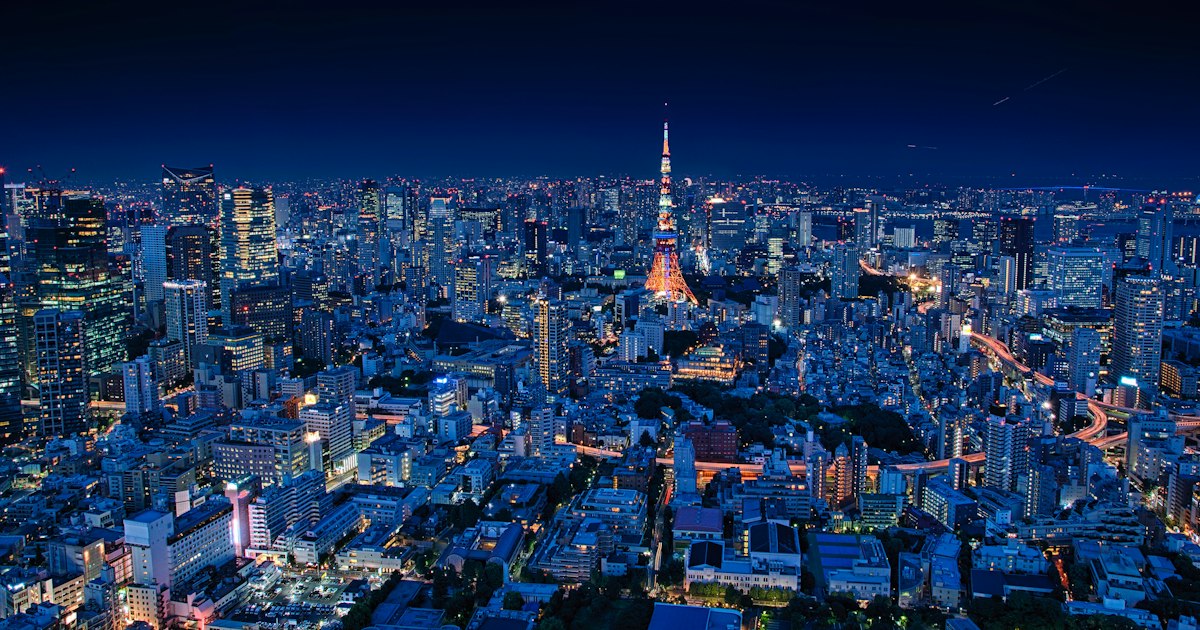
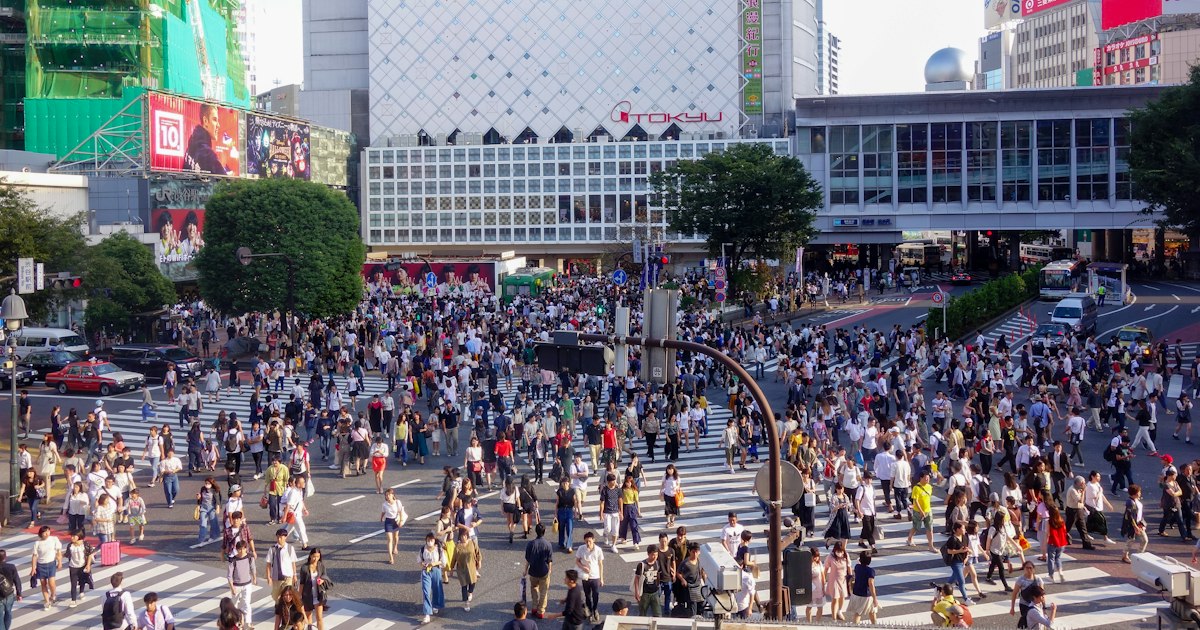
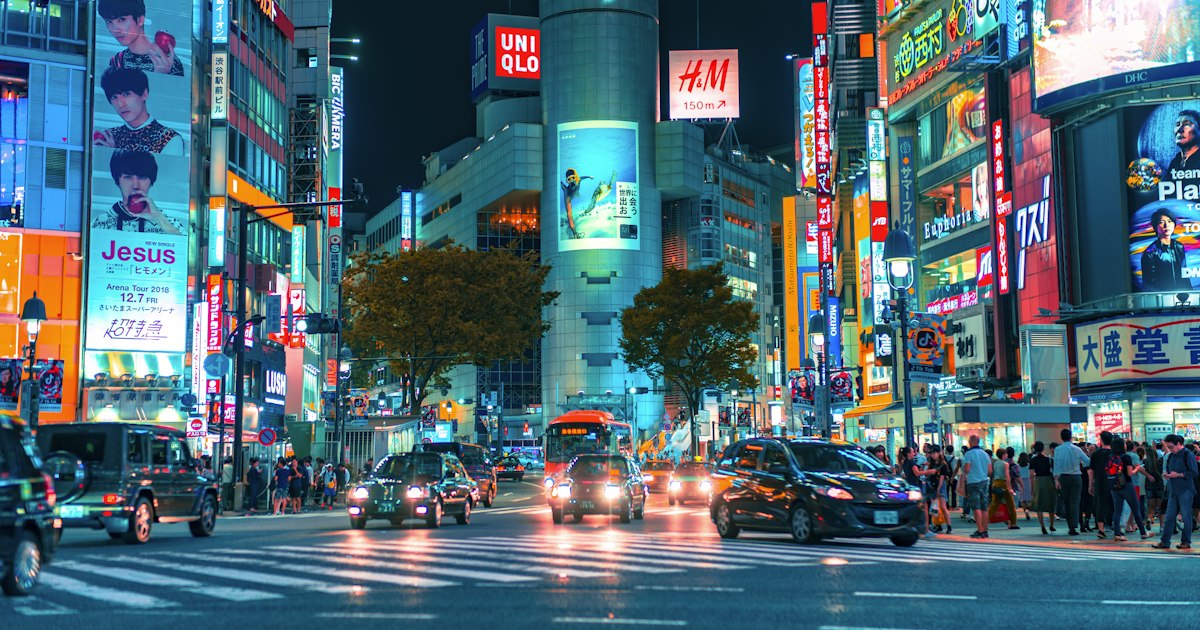
Tokyo neighborhood guides, day trips, and the best things to do in the capital.

  • Odaiba: Tokyo’s Man-Made Island of Malls, Gundam & Rainbow Bridge Views

    Odaiba: Tokyo’s Man-Made Island of Malls, Gundam & Rainbow Bridge Views

    Photo by Akira Cake on Unsplash

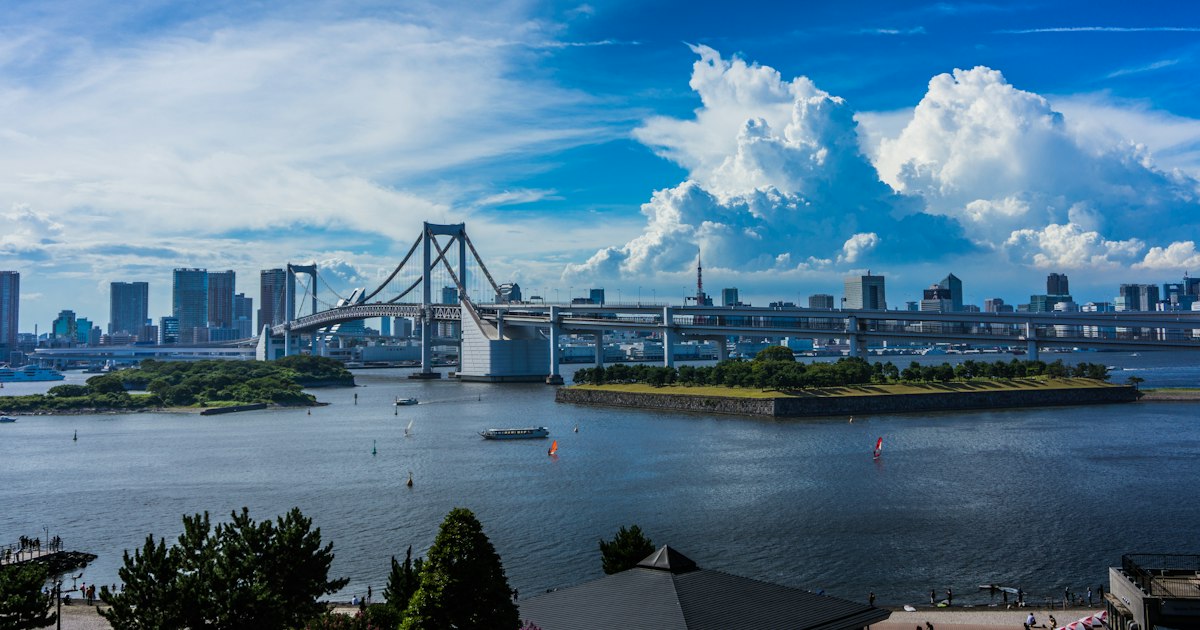
    Odaiba is a chunk of reclaimed land in Tokyo Bay that Tokyo built for landfill and 1990s urban-planning dreams, then quietly turned into one of the city’s best weekend outings. It’s flat, walkable, full of malls with ocean views, and home to a full-scale Gundam statue that draws crowds of their own. It’s also a district that changes fast — several of its biggest former attractions have closed in the past few years — so this guide sticks to what’s actually open in 2026 and how to get the most out of a half-day or evening visit.

    Getting to Odaiba

    The most enjoyable way in is the Yurikamome Line, a fully automated elevated train that loops from Shimbashi Station (connected to the JR Yamanote Line, Ginza subway line, and Toei Asakusa Line) across the bay and onto the island. Because there’s no driver, grab a front-row seat for a free ride that swoops over Rainbow Bridge and gives you your first skyline view before you’ve even arrived. Fare from Shimbashi to Daiba or Odaiba-Kaihinkoen station runs about ¥330–400 with an IC card.

    A cheaper alternative is the Rinkai Line, which connects from Osaki Station (also reachable via JR Saikyo Line through-trains from Shinjuku and Ikebukuro) to Tokyo Teleport Station — the stop closest to DiverCity and Aqua City. It’s faster and usually cheaper than the Yurikamome but has none of the scenery.

    For something slower and more scenic, Tokyo Cruise operates water buses from Asakusa and Hinode Pier to Odaiba Seaside Park, including the futuristic Himiko and Hotaluna boats designed by anime artist Leiji Matsumoto. The ride from Asakusa takes roughly 50–60 minutes and costs around ¥1,560 one way — treat it as a scenic activity in its own right, not just transport.

    The Gundam Statue and Gundam Base Tokyo

    The single most-photographed thing on the island is the full-scale Gundam statue standing outside DiverCity Tokyo Plaza, near Tokyo Teleport Station. The current model is the RX-93ff ν Gundam, a roughly 19.7-meter statue that replaced the earlier Unicorn Gundam version in 2023. It periodically performs light-and-sound sequences at set times during the day — the schedule is posted near the statue and on DiverCity’s site, so check it on arrival rather than planning around a fixed time, since showtimes shift seasonally.

    Inside the mall, the 7th floor holds Gundam Base Tokyo, a cavernous official store stocked with Gunpla model kits across every scale and series, plus exclusive kits you won’t find elsewhere in Japan. Even non-modelers tend to spend longer here than planned. It keeps the same hours as the mall, roughly 10:00–21:00.

    Shopping: DiverCity, Aqua City, and DECKS Tokyo Beach

    Odaiba’s three main malls sit close enough together to cover on foot. DiverCity Tokyo Plaza (10:00–21:00 for shops, restaurants open later) mixes fashion with the Gundam draw. Aqua City Odaiba, right on the waterfront with the best head-on view of Rainbow Bridge from its terrace, runs similar hours and has a strong food court plus a small shrine on one of its upper floors. DECKS Tokyo Beach, split into two connected buildings, leans more toward entertainment than fashion: it houses the Tokyo Trick Art Museum (around ¥1,000 admission) and LEGOLAND Discovery Center Tokyo.

    None of these are duty-free bargain hunting grounds in the way Shinjuku or Ginza department stores are — treat Odaiba shopping as a bonus activity around the views and entertainment, not the main reason to come. If you’re hauling souvenirs and your existing suitcase is giving out, it’s worth knowing where to buy a replacement suitcase in Japan rather than trying to find one on the island itself.

    Rainbow Bridge and the Waterfront Park

    Odaiba Marine Park (Odaiba Kaihin Koen) is the free public park facing the bridge, with a small artificial beach and a replica Statue of Liberty that’s become its own photo stop. Swimming is generally not permitted here due to water quality, though the city has run occasional supervised test-swim events in recent summers — don’t plan a swim around it.

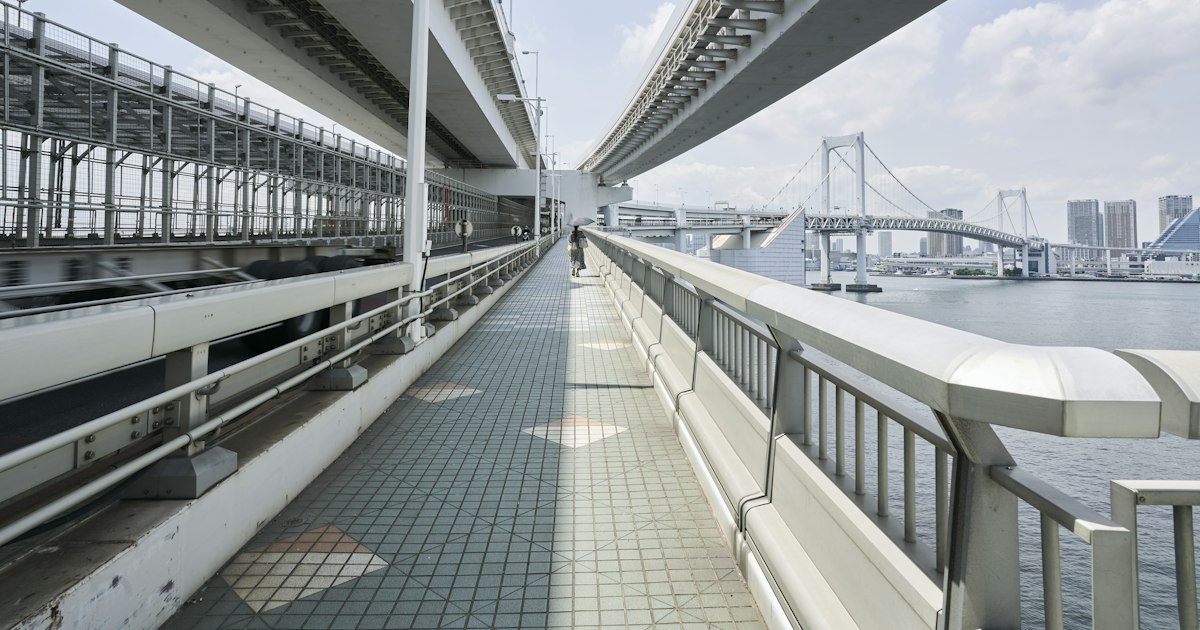
    What’s genuinely worth building time for is walking Rainbow Bridge itself. A pedestrian promenade on the lower level runs between the Shibaura/Minato side and Odaiba, free of charge, taking about 30–40 minutes one way with excellent bay views. Opening hours shift by season (roughly 9:00–21:00 in warmer months, 10:00–18:00 in winter), and the walkway closes for maintenance on a rotating basis — check the Metropolitan Expressway’s posted schedule before you go so you don’t arrive to locked gates. Evening is the best time for this: the bridge’s illumination (switching between white, red, and green lighting) and the Tokyo skyline behind it are best seen after sunset, and the park benches along Odaiba Marine Park are a free, crowd-light spot to watch it with no admission fee at all.

    Miraikan and Tokyo Joypolis

    The National Museum of Emerging Science and Innovation, known as Miraikan, is a genuinely good science museum built around the massive spherical Geo-Cosmos display and hands-on robotics exhibits. It’s open 10:00–17:00, closed Tuesdays, with adult admission at ¥630 (the dome theater costs extra) — cheap enough to combine with anything else on the island.

    Tokyo Joypolis, Sega’s indoor amusement park inside DECKS Tokyo Beach, is the pick for an evening of arcade games and VR rides regardless of weather. Pricing works two ways: a basic entrance fee of around ¥900, or an all-rides passport around ¥4,300 for adults — buy the passport only if you’re committed to riding multiple attractions, since entrance-only plus a couple of pay-per-ride tickets is often cheaper for a shorter visit. Hours vary by day of the week, so check before you go.

    Common Mistakes to Avoid

    Older blog posts and guidebooks still list Oedo Onsen Monogatari, the hot spring theme park that used to be Odaiba’s signature attraction — it closed permanently in September 2021 and doesn’t exist anymore. Similarly, Palette Town (the Ferris wheel, Toyota Mega Web, and Venus Fort) was fully demolished by the end of 2022; don’t plan a visit around any of it. And teamLab’s digital art museum, long associated with Odaiba, relocated: teamLab Borderless is now at Azabudai Hills and teamLab Planets is in Toyosu — neither is on the island anymore, so don’t budget Odaiba time expecting to see them.

    The other common mistake is underestimating distances. Odaiba looks compact on a map, but the walk from Tokyo Teleport Station to the far end of Odaiba Marine Park is a genuine 20–25 minutes, and summer heat on the shadeless waterfront is brutal. Odaiba is as flat and step-free as Tokyo gets, which makes it one of the easier districts for anyone renting a wheelchair or mobility scooter for their trip — but you’ll still want to plan routes around indoor mall corridors during peak heat or rain.

    Budget, Mid-Range, and Splurge

    On a tight budget, Odaiba costs nothing beyond transport: the Gundam statue, Rainbow Bridge walk, and Marine Park views are all free, and you can spend hours mall-browsing without buying anything. Mid-range visitors should budget roughly ¥3,000–6,000 for a mix of Miraikan, Joypolis, and a meal with a bridge view at Aqua City’s food court. For a splurge, several waterfront hotels — including the Hilton Tokyo Odaiba and Grand Nikko Tokyo Daiba — offer rooms with direct Rainbow Bridge or skyline views, and are worth it if you want to watch the bridge light up without leaving your room.

    If you need cash on the island, convenience store ATMs are plentiful inside the malls, and it’s worth knowing in advance how foreign cards actually work at Japan Post Bank ATMs in case you need a backup option. Odaiba pairs naturally with a full day that starts elsewhere in central Tokyo — if you’re staying near Roppongi’s museums and nightlife, it’s an easy half-day add-on via the Yurikamome or a short taxi to the Rainbow Bridge approach.
  • Roppongi: Tokyo’s Nightlife District and Its Art Museum Trio (Mori, Suntory, National Art Center)

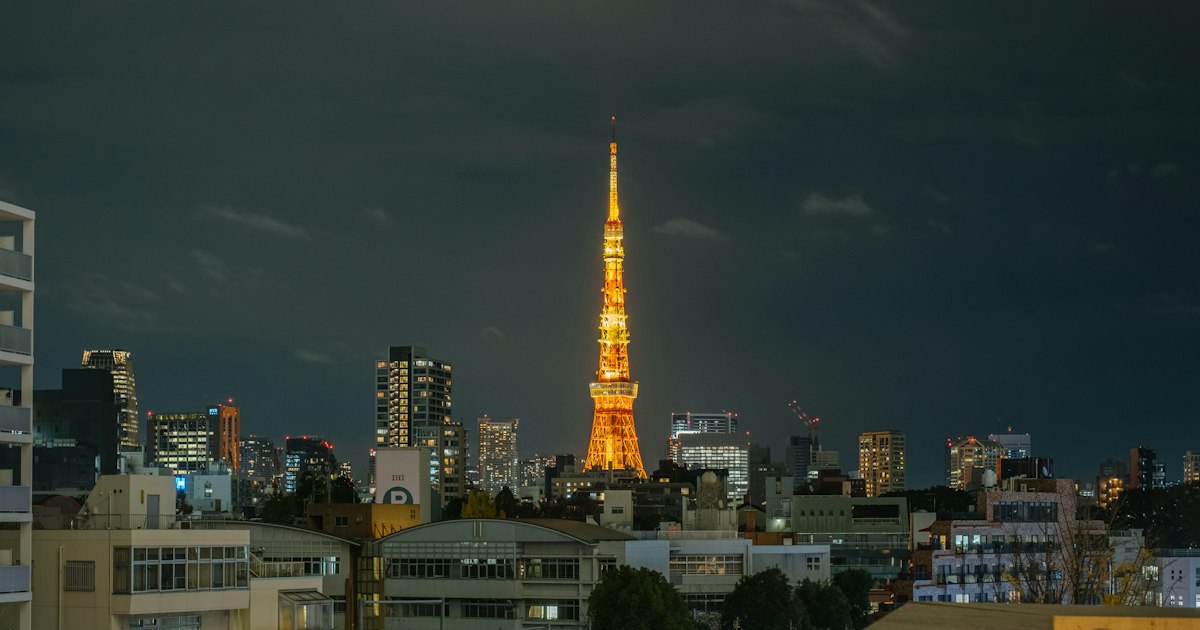
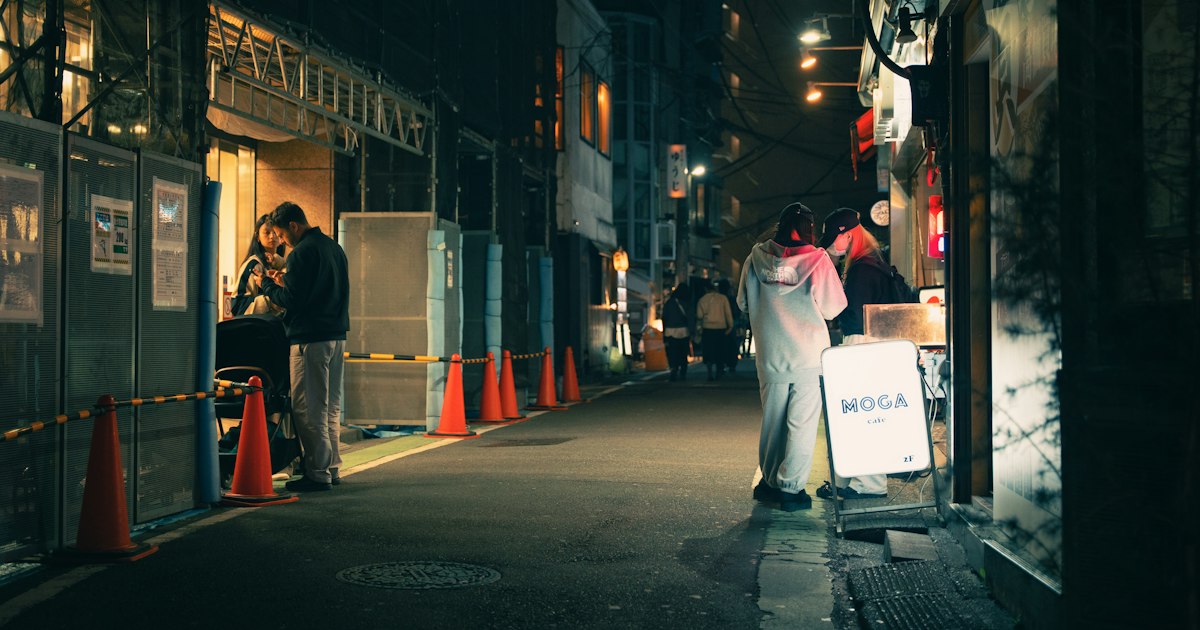
    Roppongi: Tokyo’s Nightlife District and Its Art Museum Trio (Mori, Suntory, National Art Center)

    Photo by bady abbas on Unsplash

    Roppongi has two reputations, and both are true at once. By day, it’s home to one of Tokyo’s most concentrated clusters of serious art museums — three major institutions within a 15-minute walk of each other. By night, it turns into the city’s most famous (and most notorious) nightlife district, full of bars, clubs, and a long-running tout scene that catches out visitors who don’t know the warning signs. Here’s how to do both halves properly.

    Getting to Roppongi and Getting Oriented

    Roppongi Station is served by the Toei Oedo Line and the Hibiya Line, and the exits connect directly to Roppongi Hills via underground passage — useful on a rainy day or in midsummer heat. If you’re heading straight to Tokyo Midtown or the National Art Center, Roppongi-itchome Station on the Namboku Line is actually closer. The three museums form a loose triangle often marketed locally as the “Roppongi Art Triangle”: Mori Art Museum inside Roppongi Hills, Suntory Museum of Art inside Tokyo Midtown (about a 10–12 minute walk from Roppongi Hills), and the National Art Center a further 5-minute walk from Midtown. You can comfortably visit all three in one day if you start early and pace yourself, though each deserves at least 60–90 minutes.

    Mori Art Museum: Views and Contemporary Art, Open Late

    Mori Art Museum occupies the 53rd floor of Mori Tower in Roppongi Hills and focuses on contemporary art — large-scale, often immersive exhibitions rather than a historical permanent collection. It’s one of the few major Tokyo museums open until 22:00 (last entry 21:30) every day except Tuesday, when it closes early at 17:00. That late closing time makes it an easy add-on to an evening out: come for the exhibition, then ride up to the 52nd-floor Tokyo City View observation deck for a night panorama over the city, including Tokyo Tower. Admission to the museum alone runs roughly ¥2,000, with combined museum-plus-observation-deck tickets around ¥2,200; exact pricing shifts slightly with each new exhibition, so check the current show before you go.

    Suntory Museum of Art: Japanese Craft and Design

    Suntory Museum of Art, on the third floor of the Galleria at Tokyo Midtown, is the counterpoint to Mori’s contemporary focus — it specializes in Japanese and Asian decorative arts: ceramics, lacquerware, textiles, glass, and ukiyo-e, drawn from its own holdings and rotated through themed exhibitions rather than displayed as one fixed collection. It’s closed on Tuesdays. Regular hours are 10:00–18:00, extended to 20:00 on Fridays and Saturdays, with last admission 30 minutes before close. Adult tickets typically run ¥1,300–1,600 depending on the exhibition. The space itself is small and calm compared to Mori’s crowds, which makes it a good stop if you want a quieter, more traditional counterpart to the rest of the day.

    The National Art Center, Tokyo

    The National Art Center (NACT) is unusual among major museums: it owns no permanent collection at all. Instead, the building — a striking undulating glass facade designed by Kisho Kurokawa — functions purely as exhibition space, hosting everything from major touring retrospectives to large juried shows by Japanese art associations. Entry to the building and lobby is free; each exhibition inside has its own separate ticket, generally in the ¥1,500–2,200 range. It’s closed Tuesdays, with hours matching Suntory’s: 10:00–18:00, until 20:00 on Fridays and Saturdays. Because the lineup changes completely and often, it’s worth checking what’s actually on before you commit — you might find a blockbuster Western museum loan or a niche group show, and the two experiences are very different.

    Timing, Tickets, and Avoiding Crowds

    If your schedule allows only one evening visit, make it Mori Art Museum, since it’s the one still open after dinner. For Suntory and NACT, aim for a Friday or Saturday and go after 17:00, when day-trip crowds thin out but the extended hours are still in effect. All three museums are step-free with elevator access throughout, which matters if you’re planning a full day on your feet — if you’re traveling with a mobility aid, it’s worth arranging rental gear in advance; see our guide on renting a wheelchair or mobility scooter in Japan for providers and pricing. A common mistake is assuming the three museums share a combination ticket — as of now they don’t operate a unified discount pass, so budget for each entry separately, and check each museum’s own website the morning of your visit since exhibition-based pricing changes with every rotation.

    Roppongi After Dark: What’s Genuinely Worth It

    Once the museums close, Roppongi shifts into its other identity. The area around Roppongi Crossing and the streets toward Gaien-Higashi-dori hold a dense mix of izakaya, cocktail bars, hostess clubs, and international nightclubs, drawing a mixed crowd of tourists, expats, and nightlife regulars. For a good cocktail without the chaos, Roppongi has several serious bars doing craft spirits properly — if you want to try Japanese gin while you’re out, our Japanese craft gin guide covers labels like Ki No Bi and Roku that regularly show up on Roppongi bar menus. If you need a late-night supply run — chargers, souvenirs, snacks — the 24-hour Don Quijote near the crossing stays open through the night; for bigger purchases like a new suitcase to haul everything home, see our guide to buying a suitcase in Japan, which covers Don Quijote pricing alongside dedicated luggage shops.

    Common Mistake: Touts and Overcharging Bars

    This is the single most important practical warning for Roppongi nightlife. Street touts — often polite, English-speaking, sometimes claiming to represent a “great bar” with cheap all-you-can-drink deals — are a long-running problem in this specific district, less common in most other parts of Tokyo. Following one can lead to a bar that charges wildly inflated bills, sometimes tens of thousands of yen for a round of drinks, with pressure tactics used if you try to leave without paying. The safest approach is simple: don’t engage with touts at all, choose bars and clubs you found yourself (signage, a door with a visible menu, or a recommendation), and confirm prices before ordering anything in an unfamiliar place. Stick to that one rule and Roppongi’s nightlife is genuinely fun and safe — it’s the touted venues specifically that cause almost all the bad experiences visitors report.

  • Shimokita’s Rival: Sangubashi and Yoyogi-Uehara’s Quiet Cafe Backstreets

    Shimokita’s Rival: Sangubashi and Yoyogi-Uehara’s Quiet Cafe Backstreets

    Photo by ayumi kubo on Unsplash

    Shimokitazawa gets all the ink in guidebooks, but one Odakyu stop closer to Shinjuku sits a pair of neighborhoods that locals have been quietly colonizing with third-wave coffee and sandwich counters for over a decade. Sangubashi and Yoyogi-Uehara don’t have Shimokita’s thrift-shop density or live-music basements, but they have something arguably better for a slow morning: tree-lined backstreets along the western edge of Yoyogi Park, almost no tourist foot traffic, and a cafe scene that was built for residents rather than Instagram. If you’ve already done Shimokitazawa and want the quieter, more residential version of the same vibe, this is it.

    Where Are Sangubashi and Yoyogi-Uehara, Exactly?

    Both are stops on the Odakyu Odawara Line, directly between Shinjuku and Shimokitazawa — Sangubashi first, then Yoyogi-Uehara one stop later, then Shimokitazawa after that. The whole stretch runs along the western side of Yoyogi Park, which means the backstreets here are shaded by the park’s tree line rather than packed with shops shoulder to shoulder. Yoyogi-Uehara is also the southern terminus of the Tokyo Metro Chiyoda Line, so you can reach it directly from Otemachi, Omotesando, or Nijubashimae without changing at Shinjuku at all. The neighborhood immediately around Yoyogi-Uehara station blends into Tomigaya, the residential pocket that’s technically where most of the well-known cafes sit, but almost everyone just refers to the whole area as “Yoyogi-Uehara” or, more broadly, “Oku-Shibuya” (inner Shibuya).

    Getting There

    From Shinjuku Station, take the Odakyu Line (not the JR lines) to Sangubashi (about 5 minutes) or Yoyogi-Uehara (about 7 minutes); the fare is under ¥200 either way with an IC card. From central Tokyo via the Chiyoda Line, ride to the Yoyogi-Uehara terminus. Both stations are small and have only one or two exits, so orientation is easy — at Yoyogi-Uehara, take the exit toward Tomigaya and you’re within a 5-minute walk of most of the cafes mentioned below. Unlike Shimokitazawa, there’s no sprawling station-front shopping maze to navigate; you’re on a quiet street almost immediately.

    What Makes These Backstreets Different From Shimokitazawa

    Shimokitazawa built its identity on secondhand clothing, theater, and bar-hopping into the early hours. Sangubashi and Yoyogi-Uehara never had that density of nightlife — this is a residential district of low-rise apartments and old wooden houses, and the cafes that have moved in over the past 10–15 years fit that scale: small counters, five to twelve seats, specialty coffee roasted in-house or by well-known Tokyo roasters, and an emphasis on quality over volume. You won’t find racks of vintage jackets here, but you will find the kind of place where a barista actually has time to talk you through the beans on offer. It’s the neighborhood Tokyoites point to when they say Shimokita has gotten “too busy.”

    The Cafe Crawl: What to Expect and Where to Start

    A few names worth knowing if you want anchor points rather than wandering blind:

    • Fuglen Tokyo (Tomigaya, near Yoyogi-Uehara) — the Tokyo outpost of the Oslo coffee bar, known for pour-over coffee by day (around ¥600–700) and a cocktail bar atmosphere after dark with vintage Scandinavian furniture. It’s one of the few spots in the area open into the evening, typically until around midnight on weekends.
    • Camelback Sandwich & Espresso (Tomigaya) — a tiny standing-room sandwich counter famous for its tamagoyaki (Japanese omelet) sandwich, usually around ¥600–800. Lines form at lunchtime, so come at 11am or after 2pm.
    • Little Nap COFFEE STAND (west side of Yoyogi Park) — a stripped-down coffee stand with a handful of outdoor seats, popular with joggers finishing a loop of the park. Coffee runs roughly ¥450–600.

    Beyond these, the real pleasure is just walking the grid of streets between the park and Yamate-dori — you’ll pass bakeries, a few bookshop-cafes, and galleries with no signage in English, which is exactly the point. Budget-wise, a coffee-and-pastry stop here runs ¥800–1,200 per person; a full sandwich lunch is closer to ¥1,500. If you want to splurge, Fuglen’s evening cocktail menu (¥1,500–1,800 per drink) is the closest thing to a “night out” the area offers.

    Best Time to Visit

    Weekday mornings (9am–11am) are the quietest and most pleasant — you’ll often have a cafe nearly to yourself. Weekends, especially Saturday brunch hours, draw a steady stream of locals and a handful of cafe-hopping tourists, but nothing like Shimokitazawa’s weekend crowds. Spring (late March to early April) is particularly good timing because Yoyogi Park’s cherry blossoms are a 5–10 minute walk from either station, letting you combine a cafe crawl with hanami without the Ueno- or Shinjuku Gyoen-level crowds. Autumn foliage in November is the other sweet spot. Avoid high summer afternoons if you can — the backstreets have little shade once you’re off the park-side paths, and most of these cafes are small enough that air conditioning struggles on 35°C days.

    Paying and Budgeting

    Many of the smallest counters here still lean cash-first, though QR code payment acceptance has grown steadily; if you’re relying on PayPay or a similar app, it’s worth reading up on how QR code payments work for tourists in Japan before you go, since not every stand accepts foreign-issued cards through these apps. If you do need cash, there’s no convenient ATM cluster right at either station — your best bet is ducking into a convenience store on Yamate-dori, or if you want a bank-backed option, Japan Post Bank ATMs are reliable for foreign cards; see this guide to how foreign cards work at Japan Post Bank ATMs for the details on fees and limits.

    Common Mistakes to Avoid

    The biggest mix-up is confusing Yoyogi-Uehara with the JR Yoyogi station (one stop from Shinjuku on the Yamanote-adjacent lines) or with Yoyogi-Hachiman — all three are distinct stations in the same general area, and Google Maps will sometimes route you to the wrong one if you just type “Yoyogi.” Double-check you’re boarding the Odakyu Line specifically. Second mistake: treating this as a half-day destination the way you might Shimokitazawa — there isn’t enough density of shops to fill an afternoon, so it works best as a 2–3 hour cafe stop combined with a Yoyogi Park walk, or as a quieter final stop after Shimokitazawa itself (it’s one Odakyu stop away). Third: assuming every cafe is open all day. Several of the smaller spots close by 18:00 or take an irregular weekday off, so if you have a specific place in mind, check current hours before making the trip out. If you like this kind of low-key, resident-oriented neighborhood pairing of cafes and small shops, it’s worth comparing notes with Jiyugaoka’s sweets-and-boutique streets on the other side of the city — a similar philosophy, different train line.

  • Jiyugaoka: Tokyo’s Sweets-and-Boutique Neighborhood

    Jiyugaoka: Tokyo’s Sweets-and-Boutique Neighborhood

    Photo by Takashi Miyazaki on Unsplash

    Jiyugaoka doesn’t show up on most first-time Tokyo itineraries, and that’s exactly its appeal. Tucked along the Tokyu Toyoko and Oimachi lines in southwest Tokyo, this neighborhood has spent decades cultivating a reputation as the city’s unofficial patisserie district — a place where French-trained pastry chefs, independent boutique owners, and a loyal local clientele have built something closer to a European village square than a Tokyo shopping strip. If you want a half-day escape from Shibuya’s crowds that still delivers serious shopping and genuinely excellent sweets, this is it.

    Getting There

    Jiyugaoka Station sits on the Tokyu Toyoko Line (direct from Shibuya, about 18 minutes, ¥280) and the Tokyu Oimachi Line (from Oimachi, near JR lines, about 15 minutes). Both lines converge at a single station, so orientation is simple: exit toward the “Marie Claire” or “Peacock” exits and you’re immediately in the shopping district. There’s no need for an airport-direct route here — most visitors fold Jiyugaoka into a day that starts elsewhere in central Tokyo. If you’re coming straight from the airport, see the Airport Limousine Bus guide for getting into the city center first, then transfer to the Tokyu network.

    The Sweets: What to Actually Buy

    Jiyugaoka’s nickname among Tokyoites is “sweets town,” earned honestly. A few standouts worth planning around:

    • Mont St. Clair — pastry chef Hironobu Tsujiguchi’s flagship shop, famous for layered mousse cakes (around ¥700–900 per slice) and seasonal fruit tarts. Arrive before 11am on weekends or expect a line.
    • Jiyugaoka Roll-ya — specializes in Japanese-style roll cakes (roll cake, ¥1,200–1,800 whole), lighter and less sweet than Western sponge cakes.
    • Sweets Forest — a small indoor complex gathering several patisserie brands under one roof, useful if you want to sample multiple shops without crossing streets.

    Budget ¥500–1,000 per person for a sit-down slice with coffee at a café counter, or ¥300–600 for a takeaway individual pastry. If you’d rather sample something distinctly Japanese and non-Western before or after the patisseries, the neighborhood’s cafés increasingly serve amazake, the sweet fermented rice drink — a good contrast to all the butter and cream.

    Boutique Shopping

    Beyond sweets, Jiyugaoka is a magnet for small, independent shops selling homeware, stationery, and imported goods — the kind of browsing-friendly retail that’s increasingly rare in central Tokyo’s chain-dominated shopping streets. La Vita, a Venice-themed outdoor shopping arcade near the station, houses interior design shops and a small canal with gondola photo ops (free to walk through, shops individually priced). Streets branching south of the station are lined with shops selling imported European tableware, candles, and leather goods, with prices generally running mid-range — expect ¥2,000–8,000 for smaller home goods and accessories.

    Stationery lovers should budget extra time here: several shops stock planners, washi tape, and notebooks from Japanese brands, including displays that occasionally carry Hobonichi Techo planners and accessories, a good stop if you’re building a stationery haul rather than fighting flagship-store crowds elsewhere in the city.

    Best Time to Visit

    Weekday mornings (10am–noon) are the calmest window — shops open around 10 or 11am, and the lines at famous patisseries haven’t formed yet. Weekends, especially Saturday afternoons, bring noticeably heavier foot traffic, both from Tokyo residents making a special trip and from tour groups. Spring (cherry blossom season along the nearby Kuhonbutsugawa Green Street canal walk) and autumn (foliage along the same path) are the most visually rewarding seasons, since Jiyugaoka’s charm leans heavily on its tree-lined streets and outdoor café seating. Before locking in dates, check the Japanese public holidays guide — long weekends and Golden Week push both the trains and the patisserie lines to their limits.

    Common Mistakes to Avoid

    • Treating it as an all-day destination. Jiyugaoka rewards a focused 2–4 hour visit, not a full day. Pair it with a nearby stop — Shimokitazawa for vintage shopping or central Shibuya for the afternoon — rather than over-scheduling the neighborhood itself.
    • Showing up on a Monday expecting everything open. A meaningful number of boutiques and smaller cafés close on Mondays or Tuesdays for a weekly rest day; this is more common here than in Shibuya or Shinjuku’s always-open retail. Check individual shop hours before making a special trip for one specific store.
    • Assuming cash isn’t needed. Larger patisseries and chain cafés take cards, but many of the smaller independent boutiques and bakery counters remain cash-preferred or cash-only. Carry ¥5,000–10,000 in small bills for a shopping afternoon.
    • Buying cakes to carry around all day. Fresh cream cakes don’t survive hours in a bag, especially in summer. If you’re buying a whole cake rather than eating a slice on the spot, make it your last stop before heading back to a hotel with a fridge, or ask the shop for an ice pack (保冷剤, horeizai) — most will include one on request at no charge.

    Budget, Mid-Range, and Splurge Options

    For a budget visit, stick to takeaway pastries (¥300–600 each) and the free La Vita arcade and canal walk — you can have a satisfying afternoon for under ¥2,000. Mid-range visitors should plan for a café sit-down (¥1,000–1,500 per person) plus one or two boutique purchases (¥3,000–8,000). For a splurge, Mont St. Clair’s seasonal tasting sets or a full decorated cake to-go (¥4,000–8,000, best ordered a day ahead for pickup) make for a memorable souvenir if you’re staying somewhere with refrigeration that evening.

    Jiyugaoka won’t anchor a Tokyo itinerary the way Shibuya or Asakusa will, but as a half-day detour for food-focused and boutique-minded travelers — the kind of visitor who’d also appreciate a neighborhood like Kuramae’s craft workshops — it delivers a side of Tokyo that’s unhurried, walkable, and genuinely distinct from the city’s bigger shopping districts.

  • Kuramae: Tokyo’s Quiet Craft Workshop Neighborhood

    Kuramae: Tokyo’s Quiet Craft Workshop Neighborhood

    Photo by David Edelstein on Unsplash

    Most first-time visitors to Tokyo never set foot in Kuramae, and that’s exactly why it’s worth the detour. Tucked along the Sumida River between Asakusa and Ryogoku, this former rice-warehouse district has quietly become one of the city’s best places to watch artisans actually make things — custom notebooks, hand-forged tools, blown glass, dyed textiles — rather than just buy them off a shelf. There are no crowds, no tour buses, and no souvenir shops selling the same keychains you saw in Asakusa. Just converted warehouses, narrow backstreets, and small workshops run by people who are genuinely happy to explain what they’re doing.

    Why Kuramae Became a Craft District

    The name Kuramae literally means “in front of the storehouse” — a reference to the Edo-period shogunate rice warehouses (kura) that once lined this stretch of the Sumida River. That warehouse heritage left behind a stock of sturdy, boxy brick and concrete buildings from the early 20th century that were cheap to rent and large enough for workshop use. Over the past 10-15 years, independent makers priced out of central Tokyo moved in, turning former storehouses and printing factories into ateliers, showrooms, and cafés. The result feels closer to a slow-paced maker’s village than a shopping district — most streets have more workshops than people on them at any given time.

    Getting There

    Kuramae Station sits at the junction of the Toei Asakusa Line and Toei Oedo Line, which makes it an easy add-on rather than a special trip. From Asakusa Station it’s a single stop (about 2 minutes) on the Asakusa Line, or a pleasant 15-20 minute walk north along the Sumida River promenade if the weather’s good. From Tokyo Station, it’s roughly 15-20 minutes via the Oedo Line with one transfer. If you’re planning a day that mixes subway-heavy sightseeing, it’s worth checking whether a Tokyo subway day pass pencils out cheaper than paying fare-by-fare, since Kuramae sits on the Toei network rather than the Tokyo Metro one.

    What to Do and Buy

    The signature Kuramae experience is building something yourself. Kakimori, a stationery shop near the station, lets you design a custom notebook from scratch — choose the cover, paper stock, binding rings, and page count, and staff assemble it on the spot while you wait, usually within 15-20 minutes. A basic custom notebook starts around ¥1,800-2,500 depending on materials; leather covers push the price higher. Next door, their sister space Ink Stand by Kakimori runs a build-your-own-ink workshop where you mix pigments to create a one-of-a-kind ink color, bottle it, and take it home — budget roughly ¥2,750 for a 30ml bottle including the blending session. Both are popular enough that weekend afternoons can mean a short wait, so arrive earlier in the day if you want to walk straight in.

    A few minutes’ walk away, SyuRo occupies a 1934 warehouse and sells beautifully made everyday goods — tin boxes, brooms, enamel ware, and stationery from small Japanese manufacturers — at prices that range from a few hundred yen for paper goods to several thousand for metalwork. Scattered around the same few blocks are smaller, easy-to-miss workshops for leatherwork, glass, and textile dyeing; signage is often minimal, so half the fun is simply wandering and peering through open doors. If you’re drawn to traditional Japanese kitchen tools rather than stationery, it’s also worth knowing that classic items like the suribachi and surikogi mortar-and-pestle set turn up in some of the pottery and homeware shops nearby, made in the same small-batch spirit as everything else in the neighborhood.

    Opening Hours and Timing

    This is a neighborhood of small, independently run shops, and that comes with small-shop hours: most workshops open around 11:00am or noon and close by 6:00-7:00pm, and many take one or two weekdays off entirely (closures vary shop to shop and change seasonally). Always check a shop’s current hours before making a special trip, especially midweek. Weekday late mornings to early afternoon are the quietest and most pleasant time to browse, since the handful of visitors who do come tend to arrive on weekend afternoons. Spring (cherry blossoms along the Sumida River walk) and autumn (mild temperatures for walking between workshops) are the most comfortable seasons; summer in Tokyo is humid enough that the riverside walk from Asakusa is less appealing, so taking the subway directly to Kuramae Station is the better call.

    Common Mistakes to Avoid

    • Treating it like Asakusa. There’s no single main street — the workshops are spread across several quiet blocks, so arriving without a rough map or a couple of shop names in mind means a lot of aimless walking.
    • Skipping reservations for hands-on experiences. Kakimori’s notebook-building and the ink-blending workshop can fill up, particularly on weekends; checking same-day availability or booking a slot ahead saves a wasted trip.
    • Visiting on a shop’s closed day. Because hours and closures differ shop by shop, confirm the specific place you want to see is actually open that day rather than assuming standard Tokyo retail hours apply.
    • Rushing it. Kuramae rewards slow browsing, not a checklist — budget at least half a day if you want to actually sit down and build a notebook or chat with a shop owner rather than just photograph storefronts.

    Budget, Mid-Range, and Splurge Options

    On a tight budget, you can spend a satisfying few hours here for well under ¥2,000 — a coffee at one of the small cafés tucked into the old warehouses, plus a few hundred yen on paper goods at SyuRo. For a mid-range outing, a custom Kakimori notebook (¥1,800-3,000) or an ink-blending session (around ¥2,750) gives you a genuine souvenir you made yourself, not something mass-produced. For a splurge, look for the leatherwork and glass ateliers that take custom orders — bespoke leather goods or hand-blown glassware commissioned on the spot can run from ¥8,000 well into five figures, depending on the maker and materials, but you leave with something no one else owns.

    Pairing Kuramae With the Rest of Your Day

    Kuramae’s location makes it easy to fold into a broader itinerary rather than a standalone destination. Asakusa is one subway stop or a short riverside walk south, making it simple to combine a Senso-ji temple visit with an afternoon of workshop-hopping. Ryogoku, home to the national sumo stadium and the Edo-Tokyo Museum, is one stop further on the Oedo Line if you want a dose of Edo-period history to match the neighborhood’s own warehouse past. Asakusabashi, one stop toward central Tokyo, is worth a short detour too — it’s Tokyo’s wholesale district for beads, craft supplies, and dollmaking, and pairs naturally with Kuramae’s maker-focused atmosphere. If stationery and paper crafts are what drew you here in the first place, it’s also worth reading up on Japan’s washi tape brands before you go, since several of the specialty paper shops in this part of Tokyo stock difficult-to-find regional lines you won’t see in big-box stores elsewhere in the city.

  • Kiyosumi-Shirakawa: Tokyo’s Third-Wave Coffee Neighborhood

    Kiyosumi-Shirakawa: Tokyo’s Third-Wave Coffee Neighborhood

    Photo by Zion C on Unsplash

    Ten years ago, Kiyosumi-Shirakawa was a quiet, canal-lined corner of Koto City known mostly for warehouses and one very good Edo-period garden. Then Blue Bottle Coffee chose it for its first store outside the United States, and the neighborhood quietly became ground zero for Tokyo’s specialty coffee scene. Today you can walk a 15-minute loop and pass half a dozen serious roasters, several converted warehouses turned design shops, and a strolling garden that predates all of them by about 150 years. Here’s how to actually plan a visit.

    Why Kiyosumi-Shirakawa Became Tokyo’s Coffee Capital

    Blue Bottle opened its Kiyosumi-Shirakawa Flagship Café in February 2015 — its first location outside the US — and picked the area partly because the old warehouse buildings offered the kind of raw, high-ceilinged space its roastery-café concept needed, and partly because land was cheap relative to Shibuya or Omotesando. Other roasters followed the same logic. Allpress Espresso, a New Zealand roaster, had already set up its Tokyo roastery nearby in 2014. Within a few years the area had a critical mass of independent roasters, and “third-wave coffee pilgrimage” became a standard line in Tokyo guidebooks. Unlike Harajuku or Shimokitazawa, none of this is engineered for tourists — it’s working roasteries that happen to pour excellent espresso.

    Getting There and When to Go

    Kiyosumi-Shirakawa Station is served by the Toei Oedo Line and the Tokyo Metro Hanzomon Line. From Otemachi it’s about 10 minutes on the Hanzomon Line; from Shinjuku, roughly 20–25 minutes via the Oedo Line with one transfer avoided entirely if you board at Shinjuku’s Oedo platform directly. A day pass isn’t necessary — single fares run ¥170–280 depending on your start point.

    Go on a weekday morning if you can. Blue Bottle and Arise get genuine lines on weekend afternoons, especially in cherry blossom season (late March–early April) and autumn foliage weeks (mid-November), when visitors combine coffee with the garden. Weekday mornings between opening and 11am are close to empty. Most cafés here open around 8–9am and close by 6–7pm, so this is a daytime neighborhood — don’t plan an evening visit expecting much beyond dinner at a local izakaya.

    The Roasters and Cafés Worth Your Time

    You don’t need to hit all of these — pick two or three based on your budget and walk between them.

    • Budget (¥400–600 for a coffee): ARiSE Coffee Roasters, tucked into a converted warehouse a few minutes from the station, roasts its own beans and keeps prices lower than the bigger names. A drip coffee runs around ¥450–500. No seating to speak of — it’s a stand-and-go or takeaway spot.
    • Mid-range (¥600–900): Blue Bottle Coffee’s Kiyosumi-Shirakawa Flagship Café is the obvious anchor — a latte is around ¥650–750, and the industrial-warehouse space with its own roasting equipment visible from the café is worth the visit even if you’ve been to Blue Bottle elsewhere. The Cream of the Crop Coffee, a tiny shop near Kiyosumi Teien run by a single dedicated roaster-barista, pours meticulous pour-overs for roughly ¥600–800; seating is extremely limited, so this works best as a quick stop rather than a lingering café visit.
    • Splurge: There isn’t really a “splurge” tier in the Western sense here — this isn’t a neighborhood of ¥2,000 specialty drinks. The closest thing is ordering single-origin pour-overs at Blue Bottle or Allpress, which run ¥800–1,000 depending on the bean, or pairing coffee with a full brunch at one of the café-restaurants near the station, where a meal set runs ¥1,500–2,500.

    If you want a point of comparison for how far Japan’s coffee culture has come, it’s worth contrasting these pour-overs with the surprisingly good convenience store coffee machines at Lawson or 7-Eleven, which cost a fraction of the price — Kiyosumi-Shirakawa is where you go when you want the artisanal version of the same drink.

    Fukagawa Fukadaso and the Neighborhood’s Design Shops

    Alongside the coffee, the neighborhood has a cluster of small design and craft shops, many occupying converted apartment buildings and warehouses — the most well-known being Fukadaso Garage, a renovated old apartment block that now houses a handful of independent shops and a café under one roof. Browsing here takes 30–45 minutes and pairs naturally with a coffee stop on either side. There’s no entry fee; you’re simply walking through a working retail space, so treat it with the same courtesy you would any small shop — ask before photographing merchandise or staff.

    Kiyosumi Teien: The Garden That Started It All

    Long before the coffee shops arrived, Kiyosumi Teien was the reason anyone came to this part of Koto City. It’s a classic Japanese strolling garden built around a central pond, originally developed in the Edo period and later owned by the Mitsubishi family, who donated it to Tokyo in the 1920s. Admission is a modest ¥150 for adults (free for elementary-school-age children and younger; discounted for seniors), and it’s open 9:00am–5:00pm with last entry at 4:30pm, closed December 29–January 1.

    The garden is small enough to walk in 30–40 minutes but rewards a slower pace — stepping stones cross parts of the pond, and the layout changes character every few dozen meters. Spring (cherry blossoms, late March–early April) and autumn (foliage, mid-to-late November) are the best windows, matching the coffee crowd’s peak season, so if you want both without crowds, aim for a weekday morning in late April or early December instead, just after the seasonal rush.

    Common Mistakes to Avoid

    • Treating it as a half-day Shibuya-style outing. Most shops and cafés close by early evening, and there’s little nightlife here — plan your visit for daytime hours.
    • Expecting seating everywhere. Several of the best roasters (ARiSE, The Cream of the Crop) have minimal or no seating. If you want to sit and work or linger, Blue Bottle is the safer bet.
    • Skipping the garden because it “isn’t the point” of a coffee trip. At ¥150 entry, it’s one of the cheapest things you’ll do in Tokyo, and it’s the actual historical anchor of the neighborhood — skipping it misses half the story.
    • Going on a weekend afternoon during cherry blossom or foliage season and being surprised by the line at Blue Bottle. If that’s your only available time, go right at opening.

    Quick Itinerary Tips

    A sensible half-day loop: arrive by 9:30am, start with a coffee at ARiSE or The Cream of the Crop, walk the 10 minutes to Kiyosumi Teien and spend 30–40 minutes there, browse Fukadaso Garage on the way back, and finish at Blue Bottle for a late-morning pour-over before lunch. Budget roughly ¥1,500–2,500 per person for two coffee stops and garden admission, more if you add a café meal. It’s an easy add-on to a Tokyo itinerary that already includes nearby Kiyosumi-Shirakawa-adjacent spots, and if you’re building out food stops elsewhere in the city, it pairs well with a tamago sando for the train ride or a detour to one of Tokyo’s milk bread bakeries worth a detour if you’re craving something sweeter than coffee before you head to your next stop.

  • Kiyosumi-Shirakawa: Tokyo’s Third-Wave Coffee and Garden Neighborhood

    Kiyosumi-Shirakawa: Tokyo’s Third-Wave Coffee and Garden Neighborhood

    Photo by Jezael Melgoza on Unsplash

    Ten years ago, Kiyosumi-Shirakawa was a quiet, canal-laced corner of Koto Ward known mostly for its lumberyards and one classical Edo-period garden. Then, in February 2015, Blue Bottle Coffee chose it for its first café outside the United States, and the neighborhood quietly became the epicenter of Tokyo’s specialty coffee scene. Today it’s one of the few areas in the city where you can spend a morning wandering between serious roasters, sit in a 17th-century strolling garden, and barely see another tourist. Here’s how to do it properly.

    Getting There

    Kiyosumi-Shirakawa Station is served by the Tokyo Metro Hanzomon Line and the Toei Oedo Line. From Otemachi it’s a direct ride of about 10–12 minutes on the Hanzomon Line; from Shinjuku, the Oedo Line takes roughly 25–30 minutes. If you’re coming from Asakusa or the Tokyo Skytree area, it’s also an easy one-transfer trip via Monzen-nakacho on the Tozai Line, and you can walk the 15–20 minutes between the two stations past Tomioka Hachimangu Shrine if the weather’s good. The neighborhood itself is flat and compact — almost everything worth seeing sits within a 10-minute walk of the station, so you don’t need taxis or buses once you arrive.

    Why Coffee Roasters Picked This Neighborhood

    Kiyosumi-Shirakawa’s appeal to roasters was practical before it was aesthetic: cheap warehouse space, wide streets for delivery trucks, and proximity to central Tokyo without central Tokyo rents. Blue Bottle’s arrival (its Japan roastery and café sit a few minutes from Kiyosumi Teien) drew international attention, and New Zealand’s Allpress Espresso opened its Tokyo roastery here the year before, in a converted garage with roasting equipment visible from the communal seating. A cluster of independent roasters followed, and the area is now informally known among Tokyo coffee people as a pilgrimage site — low-key, unpretentious, and still mostly residential in character.

    The Best Cafés to Visit

    • Blue Bottle Coffee Kiyosumi-Shirakawa — The original Japan location, in a converted warehouse with high ceilings and minimalist seating. Pour-over coffee runs roughly ¥600–700; expect a line on weekend mornings. Generally open 8:00–19:00.
    • Allpress Espresso Tokyo Roastery — Espresso drinks around ¥450–550, plus toast and pastries. The roastery itself is the draw: you can watch green beans being roasted a few meters from your table.
    • ARiSE Coffee Roasters — A tiny storefront near the station with rotating single-origin beans and takeaway cups, popular with locals rather than tourists.
    • Cream of the Crop Coffee — A compact space known for carefully sourced beans and friendly, English-capable staff.

    None of these are large; most seat well under 30 people, and several close as early as 18:00 or take an irregular weekday off, so don’t plan a late-afternoon café crawl without checking hours that day. If you’d rather compare this hand-poured scene against Japan’s other everyday coffee culture, it’s worth reading about convenience store coffee in Japan — the ¥100 machine brew at Lawson or 7-Eleven is the exact opposite experience, and both are worth having in the same trip.

    Kiyosumi Teien: The Garden That Gives the Area Its Name

    Kiyosumi Teien is a strolling garden built around a large pond, originally developed in the late 17th century and later expanded by the Iwasaki family (founders of Mitsubishi) in the Meiji era. Admission is ¥150 for adults, ¥70 for seniors 65 and over, and free for elementary-school-age children and younger. It’s open 9:00–17:00 (last entry 16:30) and closed December 29–January 1. The garden’s rock collection — stones gathered from famous quarries across Japan and arranged along the pond’s edge — is its most distinctive feature, and the view across the water toward the central island is especially good in the early morning before tour groups arrive. Autumn foliage (mid-November to early December) and spring are the best seasons; summer is quieter but hot and humid, with fewer visitors.

    If you want a more formal, ceremonial introduction to Japanese tea culture rather than just a nice garden to sit in, see our guide to tea ceremony experiences in Kyoto and Tokyo — several bookable sessions run in central Tokyo and pair naturally with a coffee-and-garden day like this one.

    Beyond Coffee and Garden

    The Fukagawa Edo Museum, a short walk from the garden, recreates a 19th-century Fukagawa streetscape indoors — tatami rooms, a reconstructed well, and shopfronts you can walk through. Admission is around ¥400 for adults, and it’s closed on the second and fourth Monday of the month (check the current schedule before going, since closures shift around holidays). Tomioka Hachimangu Shrine, about 15 minutes away toward Monzen-nakacho, hosts one of Tokyo’s largest annual festivals (Fukagawa Hachiman Matsuri) in mid-August and is worth combining with a Monzen-nakacho lunch stop if you’re walking between the two stations.

    Common Mistakes to Avoid

    • Treating it as an Asakusa/Skytree add-on. It’s connected by train but not genuinely walkable in a “quick detour” sense — budget it as its own half-day, not a 20-minute stop.
    • Going on a Monday. Some cafés and the Edo Museum take irregular or fixed Monday closures; always check the specific day you’re planning before you go.
    • Expecting big-city café hours. Several of the best roasters close by 18:00 or 19:00 and have limited seating — this is not a late-night neighborhood.
    • Skipping the garden because “it’s just coffee shops now.” Kiyosumi Teien is a genuinely good garden independent of the coffee scene, and the ¥150 entry fee is one of the cheapest worthwhile sights in Tokyo.

    Budget, Mid-Range, and Splurge

    On a budget, a garden ticket (¥150) plus a drip coffee at ARiSE or Cream of the Crop (around ¥450) covers a satisfying morning for well under ¥1,000. For a mid-range visit, add the Fukagawa Edo Museum (¥400) and a pour-over plus pastry at Blue Bottle or Allpress (¥1,000–1,500 total). To splurge, look for seasonal cupping or brewing workshops that the roasters occasionally run (announced on their own social media rather than listed permanently), or combine the trip with a formal tea ceremony booking elsewhere in the city for a fuller contrast between Japan’s oldest and newest approaches to a hot drink. Either way, this is one of the few Tokyo neighborhoods where ¥2,000–3,000 buys a genuinely complete, uncrowded day. For a different flavor of local Tokyo neighborhood — heavier on izakaya and nightlife than coffee and gardens — see our guide to Sangenjaya, and for upscale shopping and architecture, Omotesando makes a good contrast on the other end of the city.

  • Sangenjaya: Tokyo’s Izakaya-Packed Local Nightlife Neighborhood

    Sangenjaya: Tokyo’s Izakaya-Packed Local Nightlife Neighborhood

    Photo by Denys Nevozhai on Unsplash

    One train stop past Shibuya, Sangenjaya trades neon megascreens for a tangle of alleyways packed with izakaya the size of a living room. Locals call it “Sancha,” and on any given weeknight you’ll find off-duty salarymen, university students, and neighborhood regulars elbow-to-elbow at counters that seat eight people max. It’s one of the easiest places in Tokyo to have a genuinely local night out without a reservation, a dress code, or a language barrier that can’t be solved by pointing at the menu.

    Why Sangenjaya Is Worth the Detour

    Sangenjaya sits in Setagaya Ward, a mostly residential part of Tokyo with none of the tourist infrastructure of Shinjuku or Shibuya. That’s the appeal. The area immediately south and west of the station is a grid of narrow lanes — some barely wide enough for two people to pass — lined with izakaya, yakitori counters, standing bars, and tiny late-night ramen shops that have operated in the same spot for decades. Unlike Shinjuku’s Golden Gai, which now sees as many tourists as regulars, Sangenjaya’s bars are still overwhelmingly used by the people who live and work nearby. Expect curiosity and friendliness if you walk in as a visitor, not a tourist trap.

    Getting There

    Sangenjaya Station is one stop from Shibuya on the Tokyu Den-en-toshi Line (about 4 minutes, roughly ¥140 with an IC card). It’s also the eastern terminus of the Tokyu Setagaya Line, a charming old-fashioned two-car tram that trundles through residential Setagaya toward Shimotakaido — worth riding at least one stop for the novelty, even if you’re not continuing anywhere. From the station, exit toward “Chazawa-dori” or the south side and you’re immediately in alley territory. Note that the five-way intersection right outside the station exits is notoriously confusing even for Tokyoites; if you get turned around, just pick an alley and start walking — that’s half the fun.

    Last trains back toward central Tokyo run until roughly 00:30–01:00 depending on the line and direction, but they get crowded and unpredictable in exact timing near year-end. If you’re staying out past that, see the taxi notes below. If you’re basing yourself in Shibuya for convenience, the guide on business hotel chains in Japan is useful for finding a reliably clean, affordable room within one stop of Sangenjaya’s nightlife.

    What to Eat and Drink

    Sangenjaya’s specialty is motsuyaki — grilled skewers of beef and pork offal (intestine, liver, heart) — alongside standard yakitori. Individual skewers typically run ¥120–¥300 each; a satisfying meal of 6–8 skewers plus drinks lands around ¥2,500–¥3,500 per person. Almost every seated izakaya charges an otoshi (a small unordered starter dish, ¥300–¥600) the moment you sit down — this isn’t a scam, it’s standard practice nationwide and functions like a cover charge.

    • Budget (¥1,500–¥2,500): Standing bars (tachinomi) around the station sell draft beer and highballs for ¥450–¥600 a glass, with no table charge and no obligation to order food. Great for a quick first or last stop of the night.
    • Mid-range (¥3,000–¥5,000): A proper seated izakaya with a motsuyaki or yakitori course, a few rounds of drinks, and otoshi. Many offer a 2-hour nomihodai (all-you-can-drink) add-on for ¥1,500–¥2,500, which is worth it if your group is drinking beer or highballs steadily.
    • Splurge (¥6,000+): A handful of small sake- or whisky-focused bars in the alleys stock harder-to-find bottles and charge accordingly, but Sangenjaya isn’t really a high-end destination — if you want a splurge dinner, this isn’t the neighborhood for it.

    If the alleys feel like too much of a gamble on a given night, there’s a reliable fallback: a gyudon counter near the station for a ¥500–¥700 bowl. The comparison in Gyudon Chains Compared: Yoshinoya vs Sukiya vs Matsuya is handy for knowing what to expect before you sit down.

    How to Actually Choose a Bar

    With no English signage and dozens of nearly identical doorways, decision paralysis is real. A few practical tips: look for a plastic food model case or photo menu out front (common and tourist-friendly); peek in — if it’s full of regulars mid-conversation with the owner, it’s a good one; and don’t be afraid of the tiny 6-seat counters, since those are often the most memorable. The lanes just south of the station around Chazawa-dori and the area locals call “Sanchaka” have the highest density, but wandering two streets further out usually turns up quieter, cheaper spots with the same quality.

    Best Time to Visit

    Thursday through Saturday nights, from about 19:00 onward, is when the alleys are liveliest — many of the smallest bars don’t bother opening before 18:00 and get going around 20:00–21:00. Weeknights (Monday–Wednesday) are quieter and better if you want actual conversation space at the counter rather than standing-room-only. Winter is comfortable since most bars are small and well-heated; summer visits mean narrow, humid alleys, so an early start before the evening crowd builds up is more comfortable. Avoid arriving right at opening expecting festival energy — Sangenjaya builds slowly and peaks late, closer to 22:00–23:00.

    Common Mistakes to Avoid

    • Walking in as a large group without calling ahead. Most izakaya here seat 8–15 people total. Groups of 5+ should call or have accommodation staff call to check space, especially Friday/Saturday.
    • Assuming cash isn’t needed. Many of the smallest, best bars are cash-only. Bring ¥10,000–¥15,000 in notes for a night out to avoid an awkward moment at the register.
    • Forgetting the last train. It’s easy to lose track of time hopping between three or four tiny bars. If you’re not confident you’ll make the last train, budget for a taxi — the guide on Taking a Taxi in Japan: Fares, Apps & Etiquette covers how to flag one down or book through an app late at night (expect roughly ¥2,000–¥3,000 back to central Shibuya/Shinjuku).
    • Skipping the otoshi line item. It’s not optional and not a mistake on your bill — budget an extra few hundred yen per person per venue.

    Beyond the Alleys

    If you arrive before dark, Carrot Tower — the tall building directly connected to the station — has a free public observation lobby on the 26th floor with views over Setagaya and, on clear days, Mount Fuji to the west. It’s a good, free way to kill 20 minutes before the alleys fill up. From there, it’s a short walk back down into the lanes to start the night properly.

  • Omotesando: Tokyo’s Architecture-Lined Luxury Shopping Boulevard

    Omotesando: Tokyo’s Architecture-Lined Luxury Shopping Boulevard

    Photo by Denys Nevozhai on Unsplash

    Omotesando is the broad, zelkova-lined boulevard connecting Harajuku to Aoyama, and it’s as much an open-air architecture museum as it is a shopping street. Luxury flagships designed by Tadao Ando, Herzog & de Meuron, and Toyo Ito line the main avenue, while the backstreets hide tiny boutiques, cafés, and galleries that most first-time visitors walk right past. Here’s how to actually spend a few hours here without just window-shopping brands you can find at home.

    Getting There and Getting Oriented

    The easiest approach is Tokyo Metro’s Omotesando Station (Chiyoda, Ginza, and Hanzomon lines) — exit A2 puts you right at the base of the boulevard. Alternatively, walk from Harajuku Station (JR Yamanote Line) down Omotesando itself, which takes about 10 minutes and lets you see the street unfold gradually. The main avenue runs roughly 1.2 km from the Harajuku end down to Aoyama-dori, with the famous Omotesando Hills complex sitting about two-thirds of the way down. Budget at least 2-3 hours if you want to browse both the main street and the side alleys (Ura-Harajuku and Cat Street run parallel and are where a lot of the interesting independent shops are).

    The Architecture Worth Stopping For

    Even if you don’t buy anything, it’s worth slowing down to look up. Tadao Ando’s Omotesando Hills (built on the site of the old Dojunkai Aoyama Apartments) uses a sloped internal spiral ramp instead of stairs — walk the full loop inside even if you’re not shopping. The Prada Aoyama building by Herzog & de Meuron, a few minutes further toward Aoyama-dori, has a distinctive diamond-shaped glass-and-concrete lattice facade that’s one of the most photographed buildings in the neighborhood. Dior’s building, designed by SANAA, uses a translucent white screen that glows at night. None of these require entry to appreciate from outside, so it’s a good 20-30 minute detour even on a tight schedule.

    Where to Shop by Budget

    Budget (under ¥5,000 per item): Head to Takeshita Street near Harajuku Station for youth fashion, crepes, and cheap accessories, or duck into Cat Street for skate and streetwear brands with more reasonable price points than the main boulevard. Kiddy Land, a multi-floor character goods store on Omotesando itself, is a reliable stop for Studio Ghibli, Sanrio, and Snoopy merchandise in the ¥1,000-3,000 range.

    Mid-range (¥5,000-30,000): Omotesando Hills has around 100 shops spanning Japanese and international mid-tier brands, plus a basement food floor. Aoyama also has several good select shops (multi-brand boutiques curating both Japanese and international labels) in this price bracket, often with better service and less crowding than the flagships.

    Splurge: The stretch between Omotesando Hills and Aoyama-dori is lined with flagship stores for Louis Vuitton, Chanel, Dior, Prada, and Tod’s, many of which stock Japan-exclusive colorways or limited collaborations not available elsewhere. If you’re building out cold-weather or outdoor gear while you’re in the area, Aoyama also has flagship stores for several of Japan’s outdoor and camping brands — see our guide to Snow Peak and Japan’s outdoor gear brands if that’s on your list.

    Hours and When to Go

    Most shops open between 10:00 and 11:00 and close around 20:00-21:00; Omotesando Hills runs 11:00-21:00 (restaurants until 23:00). The street is noticeably quieter on weekday mornings — arrive by 10:30 on a Tuesday or Wednesday and you’ll have the architecture and most boutiques nearly to yourself. Weekends, especially Sunday afternoons, bring heavy foot traffic and the occasional closure of the main road to vehicle traffic, which is pleasant for walking but crowded for browsing inside stores. Early December through early January, the zelkova trees are strung with illuminations that make for one of Tokyo’s best free nighttime displays — worth a return visit after dark even if you shopped the street earlier in the day.

    Common Mistakes to Avoid

    • Treating it as a half-day trip without side streets. The main boulevard is the architecture tour; the real shopping discoveries are one block off it, especially in the grid of streets behind Omotesando Hills and along Cat Street.
    • Expecting tax-free shopping everywhere. Not every boutique processes tax-free purchases on-site — some route you to a central counter, and the ¥5,000 minimum spend (before tax) per store per day still applies. Bring your passport.
    • Visiting during Golden Week or peak cherry blossom season without a plan. Omotesando connects directly to Harajuku, one of Tokyo’s most crowded areas during these periods — expect slow walking pace and long waits at popular cafés.
    • Skipping the food floor at Omotesando Hills. The basement level has solid, reasonably priced options if you want a break from browsing without leaving the complex.

    Pairing It with the Rest of Your Day

    Omotesando sits conveniently between Harajuku’s Takeshita Street scene and Shibuya, so it works well as a midday stop on a walking route between the two. If you’re staying nearby and want a practical, no-frills base, Tokyo has plenty of reliable options — see our comparison of business hotel chains in Japan for a sense of what to expect at different price points. And if you need to get across town afterward, it’s worth knowing when a taxi makes more sense than the subway, particularly late in the evening after the illuminations.

  • Nihonbashi: Tokyo’s Historic Merchant District & Flagship Department Stores

    Nihonbashi: Tokyo’s Historic Merchant District & Flagship Department Stores

    Photo by Cem Ersozlu on Unsplash

    Long before Shibuya or Ginza existed as shopping names, Nihonbashi was already Tokyo’s commercial heart. This is where the Edo-period merchant class built fortunes, where Japan’s oldest department store still rings a brass bell at opening time, and where the official “kilometer zero” marker for Japan’s entire road network sits quietly under a bridge most tourists walk past without noticing. It’s one of the few places in central Tokyo where you can trace four centuries of commerce in a single afternoon.

    A Brief History of Japan’s Merchant Capital

    Nihonbashi (“Japan Bridge”) takes its name from the wooden bridge first built here in 1603, the same year Tokugawa Ieyasu made Edo his capital. The bridge marked the starting point of the Five Routes, the highway system connecting Edo to the rest of Japan, and the district around it filled with wholesalers, moneylenders, and fish markets (the original Tsukiji market started life here before relocating). The current stone bridge dates to 1911 and still carries a small bronze “Nihon no Michi no Genten” (Center of Japan) marker at its midpoint — easy to miss, but a nice two-minute detour if you’re walking between the department stores.

    Nihonbashi Mitsukoshi: Japan’s Oldest Department Store

    Mitsukoshi traces its roots to a kimono shop called Echigoya, opened in 1673 on this exact spot. The current main building (completed in stages between 1914 and 1935) is a designated Important Cultural Property, and it still has the theatrical flourishes that made department stores a spectacle a century ago: bronze lion statues modeled on the ones in London’s Trafalgar Square guard the main entrance, a carved wooden “Tenjin” staircase rises through the center hall, and a pipe organ on the upper floors is played live several times a day (schedules are posted near the atrium).

    Store hours run 10:30 to 19:00 (some restaurant floors stay open later). The basement food hall — a depachika in Japanese — is the easiest entry point for souvenir shopping: individually wrapped sweets and tea generally run ¥500–¥2,000, and most stalls have English-speaking staff used to tourists. Tax-free counters exist but are usually on a separate floor from the registers, so keep your passport and receipts handy and ask staff where the “tax-free counter” is before you start piling up bags. For a refresher on how Japanese retail refund and receipt rules actually work, see Returns, Exchanges & Receipts in Japan.

    Takashimaya Nihonbashi: A National Important Cultural Property

    A five-minute walk away, Takashimaya’s Nihonbashi flagship (opened 1933, expanded over the decades) is the first department store building in Japan to receive Important Cultural Property status, awarded in 2009. The exterior blends Japanese and Western Art Deco motifs, and the store has since grown into a small complex with a connected “Watch Maison” annex for luxury timepieces and a rooftop garden that’s a quiet rest stop on a hot day. Hours are 10:30 to 19:30, slightly later than Mitsukoshi, which makes it a good last stop if you’re doing both in one day. Its depachika is smaller than Mitsukoshi’s but strong on regional Japanese sweets and bento boxes if you want a picnic-quality lunch for under ¥1,500.

    COREDO Muromachi and the Modern Mix

    Facing Mitsukoshi across the street, the COREDO Muromachi 1, 2, and 3 complex (opened between 2010 and 2014) shows how Nihonbashi has modernized without bulldozing its identity. Long-running merchant shops that have operated here since the Edo period — including Ninben, a bonito-flake and dashi specialist founded in 1699 — now share floors with contemporary cafés and a cinema. Ninben’s “Nihonbashi Dashi Bar” sells a cup of fresh dashi broth for around ¥100, a cheap and genuinely interesting way to taste what Japanese cooking is actually built on. If you’re assembling a pantry of condiments and seasonings to bring home, this area pairs well with what you’d find in a guide like Yuzu Kosho and Beyond: A Japanese Condiment Pantry Souvenir Guide, and pickle shops in the COREDO basements make good use of the ideas in Tsukemono: Japan’s Pickled Vegetable Tradition and Where to Buy.

    Getting There and the Best Time to Visit

    Nihonbashi is genuinely central: it’s about a 10-minute walk from Tokyo Station’s Yaesu side, or one stop on the Tokyo Metro Ginza or Tozai Line to Nihonbashi Station, which connects directly underground to both Mitsukoshi (via Mitsukoshimae Station) and Takashimaya. If you’re coming straight from the airport, decide your route in first — our comparison of Narita Express vs Keisei Skyliner covers which train gets you into central Tokyo fastest depending on which airport you land at.

    Weekday mornings right after opening (10:30–11:30) are the quietest time to browse the historic buildings and take photos without crowds. Depachika basements get busiest in the late afternoon, especially after 17:00, when staff start marking down prepared foods and bento — good for bargain hunting, less good for a leisurely look around. Early January is uniquely chaotic: Japanese department stores sell “fukubukuro” lucky grab bags starting January 1–2, and lines can form before opening. If you want to see the stores at their calmest and still photograph the New Year decorations, aim for the first week of January but arrive well before 10:30, or wait until mid-January when the rush has passed.

    Common Mistakes to Avoid

    The biggest one is treating Nihonbashi as a single store rather than a district — Mitsukoshi, Takashimaya, and COREDO Muromachi are a 10-minute walking loop, and most visitors only budget time for one. Another is assuming every item in the depachika can leave the country: fresh prepared foods, fish, and some produce are not airport-friendly, so if you’re shopping for omiyage to carry home, look for shelf-stable sweets instead. The classic choice is covered well in Tokyo Banana and Japan’s Iconic Omiyage Sweets: A Buyer’s Guide. Finally, don’t assume tax-free shopping is automatic — you need to spend a minimum (typically ¥5,000 before tax at a single store in one day) and present your passport at the designated counter, not the regular register.

    Budget, Mid-Range, and Splurge Options

    On a tight budget, the Ninben dashi bar and depachika sample counters let you taste Nihonbashi’s food culture for a few hundred yen. Mid-range shoppers will find plenty in the ¥2,000–¥8,000 range among tea sets, lacquerware, and seasonal sweets across both department stores’ basement and first floors. For a splurge, Takashimaya’s upper floors and Watch Maison annex carry Japanese and European luxury goods, while Mitsukoshi’s kimono and tableware departments stock pieces that run well into six figures — browsing them is free, and the sales staff are generally happy to explain what makes a piece valuable even if you’re not buying.