Japan Trove

Author: JapanTrove Editorial

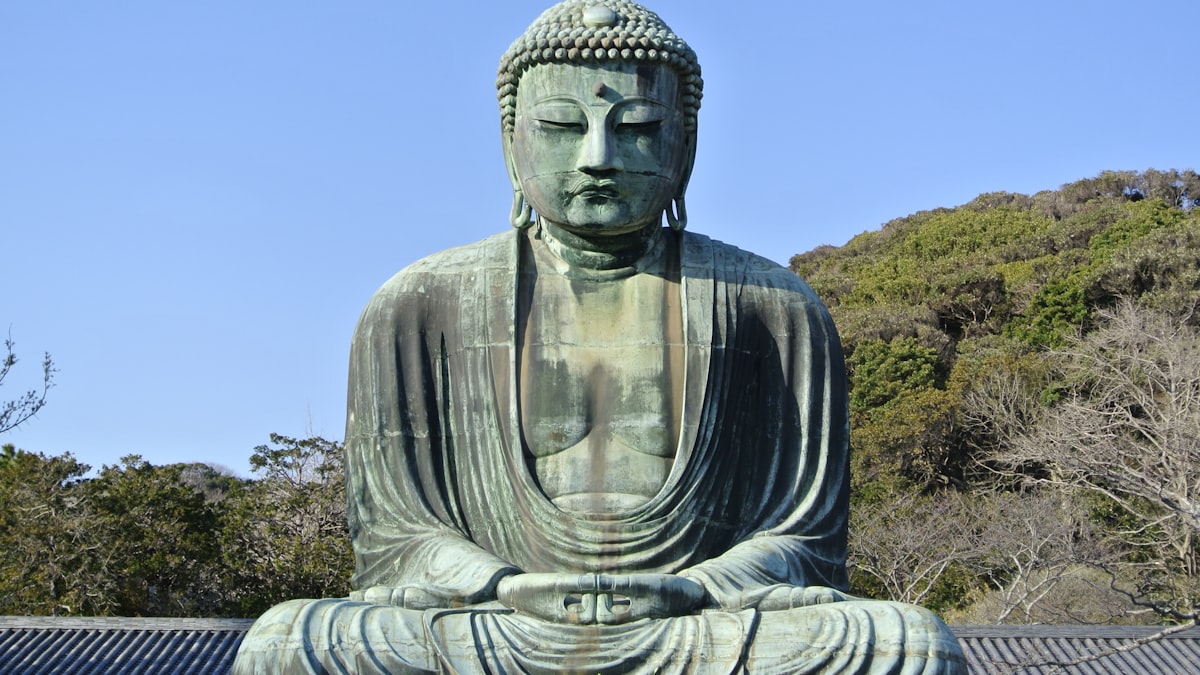
  • Kamakura Day Trip: The Great Buddha, Temples & Coast

    Kamakura Day Trip: The Great Buddha, Temples & Coast

    Kamakura is the easy coastal escape from Tokyo — a former samurai capital packed with temples, a giant Buddha, hiking trails, and beach-town charm. Perfect for a day trip.

    What to see

    • The Great Buddha (Daibutsu) — a 13-meter bronze Buddha at Kotokuin, Kamakura’s icon.
    • Hasedera — a hillside temple with sea views, gardens, and a giant Kannon statue.
    • Tsurugaoka Hachimangu — the grand central shrine, reached via the Komachi-dori shopping street.
    • Hokokuji — a serene bamboo-grove temple with matcha.
    • Enoshima — a nearby island with a shrine, caves, and views (great add-on).

    Beach & hikes

    • Kamakura’s beaches are a summer hangout (more for atmosphere than swimming).
    • The Daibutsu hiking trail links temples through the hills — an easy, scenic walk.
    • Ride the nostalgic Enoden tram along the coast to Enoshima.

    Getting there

    • About 1 hour from Tokyo/Shinjuku by JR (covered by the JR Pass).
    • A Kamakura–Enoshima pass can be handy for the Enoden line.
    • Grab an IC card and go early to beat crowds.

    Eat & shop

    Komachi-dori is lined with street snacks, matcha treats, and souvenir shops — try shirasu (whitebait) dishes, a local specialty. More ideas in must-try Japanese food.

    Tips

    • Weekends and holidays get very busy — start early or go midweek.
    • Comfortable shoes for temple hills and the hiking trail.
    • Pairs well with other day trips from Tokyo; fold into your itinerary.

    A suggested half-day route

    A smooth loop: start at Hasedera and the Great Buddha in the Hase area (a short Enoden ride from Kamakura Station), then head back toward the center for Komachi-dori street food and Tsurugaoka Hachimangu. With more time, ride the Enoden west along the coast to Enoshima for sunset. Going early keeps you ahead of the crowds at the Buddha and the shrine.

    What things cost

    • The Great Buddha at Kotokuin costs JPY 300 to view up close, with an extra JPY 50 to enter the hollow interior of the statue itself — a quirky, inexpensive add-on most visitors skip without realizing it’s an option.
    • Hasedera’s entry is JPY 400, and Hokokuji’s bamboo grove with matcha service runs about JPY 300 entry plus JPY 600 for the tea — both modest costs for two of the area’s most photogenic stops.
    • The Enoden tram between Kamakura and Enoshima runs about JPY 200-300 per short hop, with a 1-day unlimited pass (Noriorikun) worth it if you plan to hop on and off at several stations along the coast.

    Common mistakes to avoid

    • Visiting the Great Buddha at midday on a weekend — it’s one of the most crowded single spots on any Tokyo day trip; an early departure from Tokyo (aiming to arrive by 9am) makes a dramatic difference.
    • Trying to fit Kamakura and Enoshima into a rushed few hours — both areas reward unhurried wandering, and combining them properly is closer to a full day than a half-day if you want to do both without rushing.
    • Skipping the Daibutsu hiking trail because it sounds strenuous — it’s a genuinely easy, well-marked walk through forest connecting several temples, and a nice break from pavement and crowds.

    Kamakura for beach and hiking lovers

    Beyond temples, Kamakura’s coastline and hills reward a more active visit — surfers gather at Yuigahama and Zaimokuza beaches in summer, and hiking trails link the Great Buddha area to Kita-Kamakura’s quieter northern temples through forested hills, a genuinely different pace from the crowded central streets.

    A rainy-day backup plan

    Kamakura’s temples and gardens are genuinely pleasant in light rain — moss and greenery look their best damp, and crowds thin out noticeably — but if the weather turns heavy, the covered shopping arcade at Komachi-dori and several temple halls with indoor viewing areas (like Hasedera’s museum) make reasonable shelter without abandoning the day entirely.
  • Nikko Day Trip from Tokyo: Shrines, Waterfalls & Lakes

    Nikko Day Trip from Tokyo: Shrines, Waterfalls & Lakes

    Nikko is one of the best day trips (or overnights) from Tokyo — a mountain town where ornate shrines meet waterfalls, lakes, and hot springs. Here’s how to do it.

    What to see

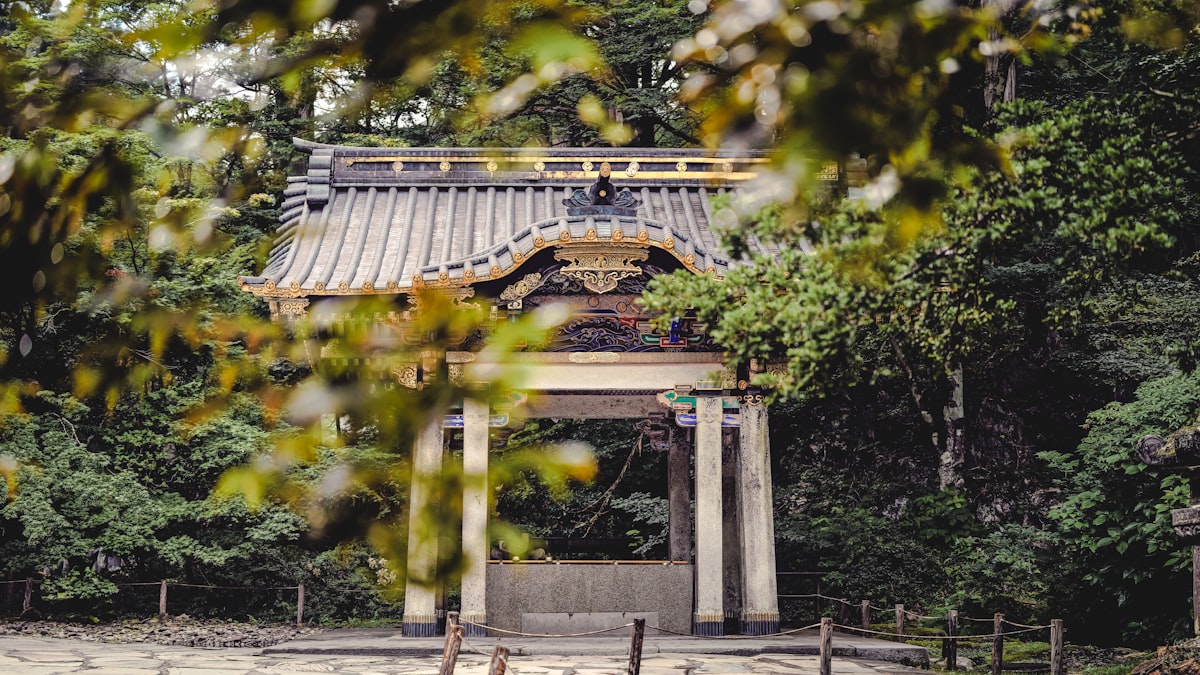
    • Toshogu Shrine — the lavishly decorated mausoleum of shogun Tokugawa Ieyasu; look for the famous “hear/see/speak no evil” monkeys and the sleeping cat.
    • Rinnoji Temple and the surrounding UNESCO-listed shrine complex.
    • Shinkyo Bridge — the iconic vermilion bridge over the river.
    • Kegon Falls — a dramatic 97-meter waterfall near Lake Chuzenji.
    • Lake Chuzenji & Irohazaka — a scenic highland area up a hairpin road (spectacular in autumn).

    Day trip vs overnight

    You can see the shrines as a day trip, but adding the lake and falls (a bus ride up the mountain) makes for a long day — an overnight lets you enjoy the highlands and an onsen too. See other day trips from Tokyo.

    Getting there

    • From Tokyo (Asakusa), the Tobu line runs direct to Nikko in about 2 hours; JR routes also work with the JR Pass.
    • Consider a Nikko area pass if you’ll use the local buses to the lake and falls.
    • Buy an IC card for the trains.

    When to go

    • Autumn is legendary for foliage — and very busy; go early. See autumn leaves in Japan.
    • Spring and summer are lush and cooler than the city.
    • Winter is cold and snowy up the mountain — beautiful but check bus schedules.

    Tips

    • Start early — the shrines and the mountain together fill a full day.
    • The Irohazaka road and buses get congested in peak autumn weekends.
    • Bring layers; the highlands are much cooler than Tokyo. Add it to your itinerary.

    What things cost

    • A combined ticket for Toshogu, Rinnoji, and Futarasan shrines runs about JPY 1,300-1,600, cheaper than paying each entry separately if you plan to see all three.
    • The bus up to Lake Chuzenji and Kegon Falls (via the famous Irohazaka switchback road) costs around JPY 1,150-1,700 one-way from Nikko Station, plus a further JPY 570 for the elevator down to Kegon Falls’ base viewing platform.
    • An overnight stay at a Nikko-area onsen ryokan runs JPY 15,000-30,000 per person with dinner and breakfast, a comfortable way to split the shrine complex and the highlands across two more relaxed days.

    Common mistakes to avoid

    • Underestimating Irohazaka’s traffic on autumn weekends — the switchback road up to the lake becomes a genuine bottleneck during peak foliage, sometimes adding an hour or more to what’s normally a 45-minute bus ride; a weekday visit avoids most of this.
    • Trying to see the shrine complex, the lake, and the falls all in one rushed day trip — it’s technically possible but leaves little time to enjoy any single stop; an overnight is genuinely worth it here more than at many other day-trip destinations.
    • Skipping the sleeping cat carving at Toshogu because it’s small and easy to miss — it’s one of the shrine’s most famous details, tucked above a side gate, and worth specifically looking for.

    Combining Nikko with an onsen stay

    Nikko’s Yumoto Onsen area, further up the mountain past Lake Chuzenji, offers a genuinely quiet alternative to Hakone’s busier hot-spring scene — a good pick if your Tokyo itinerary already includes a different onsen town and you want variety rather than repetition on a longer trip.

    Nikko in each season

    Spring brings fresh greenery and thinner crowds than autumn’s famous foliage rush, summer offers a genuinely cool escape from Tokyo’s heat given the elevation, and winter transforms the highlands into a quiet, snow-dusted scene — each season gives a meaningfully different character to the same shrine complex, worth considering if autumn dates aren’t an option.

  • Kanazawa Travel Guide: Gardens, Gold Leaf & Seafood

    Kanazawa Travel Guide: Gardens, Gold Leaf & Seafood

    Kanazawa is one of Japan’s most rewarding smaller cities — a beautifully preserved castle town with one of the country’s finest gardens, gold-leaf crafts, and superb seafood. Here’s how to visit.

    Top sights

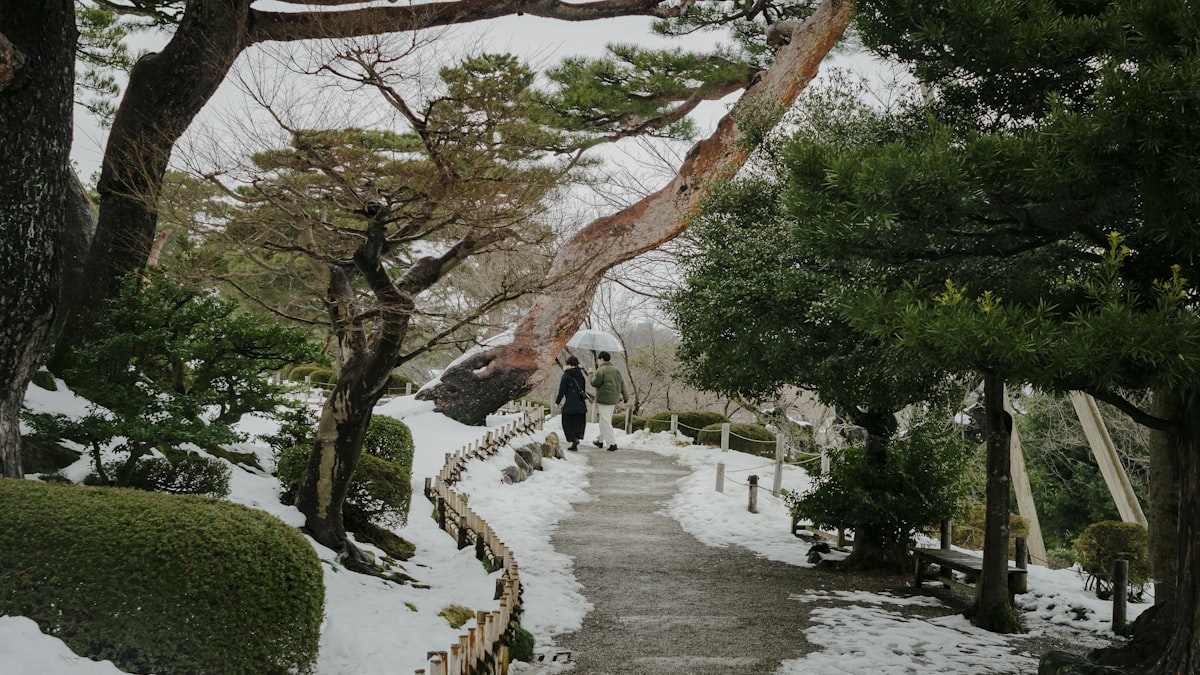
    • Kenrokuen Garden — ranked among Japan’s three great gardens; stunning in every season.
    • Kanazawa Castle — right next to the garden.
    • Higashi Chaya District — atmospheric old teahouse streets, great for gold-leaf treats and crafts.
    • Nagamachi — a preserved samurai quarter.
    • 21st Century Museum of Contemporary Art — playful modern art, including the famous “swimming pool.”

    Food & crafts

    • Omicho Market — fresh seafood; try a kaisendon (seafood rice bowl).
    • Gold leaf (kinpaku) — Kanazawa makes most of Japan’s gold leaf; even gold-topped soft-serve.
    • Kutani ware & Kaga crafts — beautiful ceramics and lacquer; see our Japanese ceramics guide.

    Getting there

    • The Hokuriku Shinkansen connects Tokyo to Kanazawa in about 2.5–3 hours (covered by the JR Pass).
    • It pairs naturally with Takayama & Shirakawa-go by bus for an “old Japan” loop.
    • Easy to add between Tokyo and Kyoto — see our 14-day itinerary.

    How long to stay

    One to two nights is ideal. The center is compact and walkable, with a loop bus linking the main sights; grab an IC card.

    Tips

    • Kanazawa can be rainy — pack a compact umbrella (locals lend them freely here).
    • Go to Kenrokuen early to beat crowds and get soft morning light.
    • Gorgeous in autumn and under snow in winter.

    What things cost

    • Kenrokuen Garden entry is JPY 320, and a combined ticket with Kanazawa Castle Park runs about JPY 500 — both very reasonably priced compared to similar-caliber sights elsewhere in Japan.
    • A kaisendon seafood rice bowl at Omicho Market runs JPY 2,000-4,000 depending on how much premium seafood is piled on top — a genuine highlight meal worth budgeting for rather than treating as a quick snack stop.
    • Gold-leaf soft-serve ice cream (topped with an edible sheet of gold leaf) costs about JPY 900-1,100 in the Higashi Chaya district — more a novelty photo op than a bargain, but a fun one-time try.

    Common mistakes to avoid

    • Visiting Kenrokuen at midday — like most famous Japanese gardens, it’s calmest and best-lit in early morning; arriving at opening avoids both crowds and the harsher midday light for photos.
    • Skipping the loop bus in favor of walking everywhere — Kanazawa’s center is walkable, but the loop bus (with an unlimited day pass) saves real time between the farther-apart sights like the 21st Century Museum and Nagamachi.
    • Forgetting an umbrella — Kanazawa has one of the higher rainfall rates among Japan’s major tourist cities; locals genuinely lend umbrellas at shops and stations as a matter of local hospitality, which tells you something about how often it’s needed.

    Kanazawa as part of a wider “old Japan” route

    Kanazawa connects to Takayama and Shirakawa-go via a scenic direct bus, forming a natural loop through Japan’s preserved historic towns that avoids backtracking through Tokyo or Osaka — a popular add-on for travelers with 10+ days who want depth beyond the standard Golden Route.

    Trying a gold-leaf craft workshop

    Beyond buying finished gold-leaf products, several shops in Kanazawa offer short hands-on workshops (applying gold leaf to a small item like a chopstick set or box) for around JPY 1,500-3,000 — a memorable, inexpensive activity that turns a shopping stop into something you actually made yourself.

  • Things to Do in Okinawa: Beaches, Diving & Island Culture

    Things to Do in Okinawa: Beaches, Diving & Island Culture

    Some links below are affiliate links. If you book through them, Japan Trove may earn a small commission at no extra cost to you.

    Okinawa is Japan’s tropical side — turquoise water, white-sand beaches, a distinct island culture, and some of the country’s best diving. It feels worlds away from Tokyo. Here’s what to do.

    Top experiences

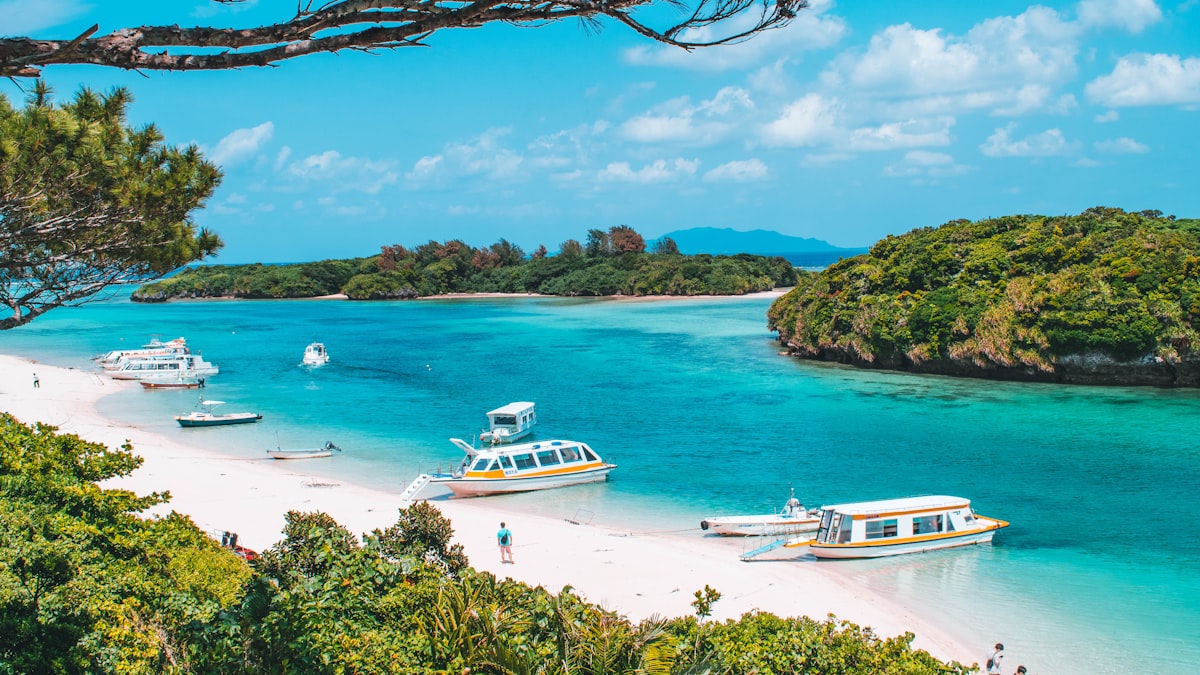
    • Beaches & islands — the Kerama Islands and Miyako have jaw-dropping water; great for swimming and snorkeling.
    • Diving & snorkeling — coral reefs, sea turtles, and the famous Blue Cave near Naha.
    • Churaumi Aquarium — one of the world’s best, home to whale sharks.
    • Shurijo Castle — the seat of the old Ryukyu Kingdom (check reconstruction status before visiting).
    • Ryukyu culture — distinctive music, textiles, and cuisine unlike mainland Japan.

    Okinawan food to try

    • Okinawa soba — thick noodles in a light pork broth.
    • Goya champuru — bitter-melon stir-fry, the signature dish.
    • Taco rice and Blue Seal ice cream — local comfort food. More in must-try Japanese food.

    When to go

    • Best weather: spring and autumn; summer is hot, humid, and peak season.
    • Beach season runs roughly April–October.
    • Typhoons are possible late summer — build in flexibility. See best time to visit.

    Getting there & around

    • Fly into Naha (about 2.5 hours from Tokyo) — far quicker than any train.
    • The main island rewards a rental car; the monorail covers central Naha.
    • Island-hop by ferry or short flights to Miyako and Ishigaki.
    • Book stays early for summer — compare on Booking.com .

    Tips

    • Okinawa is a fly-in trip — it pairs poorly with a rail-pass-only itinerary, so plan it as its own leg. See our 14-day itinerary.
    • Grab an eSIM for maps and translation.
    • Reef-safe sunscreen and water shoes are worth packing.

    What things cost

    • Flights from Tokyo to Naha run JPY 15,000-40,000 round-trip depending on season and booking lead time, generally the single biggest cost lever on an Okinawa trip.
    • A one-day guided snorkeling or diving trip to the Kerama Islands runs JPY 8,000-15,000 including equipment, boat transport, and often lunch — genuinely excellent value given the water clarity and marine life on offer.
    • Rental cars run JPY 5,000-10,000/day in peak season, and given how spread out the main island’s sights are, a rental car for at least part of the trip usually pays for itself in flexibility.

    Common mistakes to avoid

    • Treating Okinawa as an easy add-on to a rail-based mainland itinerary — it requires a separate flight and different logistics entirely; budget it as its own leg with its own travel days, not a quick side trip.
    • Booking a peak summer trip without a flexible return date — typhoon season (roughly June through October, peaking August-September) can disrupt flights with little notice; build in a buffer day if your dates fall in this window.
    • Sticking only to the main island — Miyako and Ishigaki have noticeably clearer water and less development than parts of the Naha area, and are worth the extra flight or ferry if diving and beaches are the trip’s main goal.

    Choosing which island to prioritize

    First-time visitors with limited time often do well sticking to the main Okinawa island for its mix of culture (Shurijo Castle, Ryukyu history) and beaches; those purely chasing the best snorkeling and diving water clarity should strongly consider flying onward to Miyako or Ishigaki, which consistently rank among Japan’s best diving destinations.

    Okinawa’s distinct culture, beyond the beaches

    The Ryukyu Kingdom that once ruled Okinawa had its own language, music, and cuisine shaped by trade with China and Southeast Asia rather than mainland Japan, which is why Okinawan food, textiles (like bingata dyeing), and even the local dialect feel genuinely distinct — worth treating Okinawa as its own cultural destination rather than simply “Japan’s beach region.”

  • Muji Must-Buys: What to Get at the Source in Japan

    Muji Must-Buys: What to Get at the Source in Japan

    Muji (Mujirushi Ryohin, “no-brand quality goods”) is a Japanese institution — minimalist, functional, and often cheaper at home than abroad. Here’s what to buy at the source.

    Why buy Muji in Japan

    The range is bigger, prices are lower than overseas Muji, and the flagship stores stock food, furniture, and limited items you won’t find elsewhere. Tourists can also shop tax-free.

    Best things to buy

    • Stationery — the famous gel pens, notebooks, and refills; see Japanese stationery.
    • Travel goods — packing pouches, neck pillows, and compact toiletries.
    • Skincare & toiletries — simple, affordable, and well-made.
    • Snacks — baumkuchen, ramen, retort curries, and quirky sweets.
    • Household & storage — the beloved acrylic organizers and PP boxes.
    • Clothing basics — socks, tees, and loungewear.

    Muji vs Uniqlo

    Both are Japanese minimalist icons, but Muji leans lifestyle/home while Uniqlo is clothing-focused. Read our Uniqlo vs Muji comparison.

    Where to shop

    • Flagship stores (like Ginza) have the full range, a food floor, and sometimes a cafe.
    • Found in malls and stations nationwide.
    • Bring your passport for tax-free over 5,000 yen.

    Tips

    • Prices are notably lower than overseas — stock up on refills and favorites.
    • Pack an extra foldable bag for the haul.
    • Great source of practical gifts and travel odds-and-ends.

    Best Muji buys to bring home

    If you want a shortlist for souvenirs and gifts, focus on the small, light, and unmistakably Muji: gel pen sets and notebook refills, the acrylic organizers, travel pouches, aroma diffuser sticks, and a few retort curries or baumkuchen for edible gifts. These pack flat, survive a suitcase, and cost far less than the same items overseas.

    What to skip (and buy at home)

    Furniture, larger homeware, and anything heavy or bulky rarely justify the luggage space or the voltage hassle for electricals — buy those from your local Muji instead. Save your suitcase for the stationery, toiletries, snacks, and organizers that are genuinely cheaper and better-stocked at the source.

    What things typically cost

    • Gel pens and stationery refills run JPY 150-500 each, often 30-40% cheaper than the same items sold at overseas Muji branches — worth stocking up on favorites rather than buying replacements at home over the following year.
    • Travel goods like packing pouches and neck pillows run JPY 800-2,500, a genuine step up in quality from disposable travel accessories at a similar price point elsewhere.
    • The flagship Ginza store’s food floor sells fresh bakery items and a small cafe menu at JPY 300-800 per item, worth a stop if you’re already browsing the building.

    Common mistakes to avoid

    • Assuming every Muji branch has the same stock — flagship stores (Ginza, Yurakucho) carry furniture, a full food section, and limited items that smaller mall branches simply don’t have room for; check a flagship if you’re hunting something specific.
    • Buying electronics or beauty tech without checking voltage — unlike simple household goods, some Muji electricals are built for Japan’s 100V system only; check the label before assuming universal compatibility.
    • Overlooking the aroma diffuser sticks and reed diffusers as gifts — they’re lightweight, don’t risk breaking in transit, and are distinctly Muji in a way that’s recognizable to anyone familiar with the brand.

    Comparing Muji prices to home

    Because Muji operates stores in many countries, it’s worth a quick mental price-check against your home market for anything expensive-looking — Japan pricing usually wins for stationery, snacks, and small goods, but the savings on furniture and larger items are often eaten up by shipping costs, reinforcing the general rule to buy small and light here.

    Muji as a reset point mid-trip

    Beyond souvenirs, Muji is genuinely useful mid-trip if you underpacked — travel-size toiletries, an extra packing cube, or simple replacement basics are easy to find at almost any branch nationwide, making it a practical stop rather than only an end-of-trip shopping destination.

  • Electronics to Buy in Japan (and What to Avoid)

    Electronics to Buy in Japan (and What to Avoid)

    Some links below are affiliate links. If you buy through them, Japan Trove may earn a small commission at no extra cost to you.

    Japan is a gadget lover’s playground — but before you fill your suitcase, there are voltage, region, and warranty catches to know. Here’s a smart buyer’s guide.

    Read this first: compatibility

    • Voltage: Japan runs on 100V. Many electronics are dual-voltage, but not all — check the label, especially for hair tools and appliances.
    • Plugs: Japan uses Type A (like North America). You may need an adapter at home.
    • Region locks: Blu-rays and some game hardware are region-specific. Nintendo Switch is region-free — see buying Nintendo games.
    • Warranty: Japanese warranties are usually domestic-only; look for “international warranty” if it matters.

    What’s actually worth buying

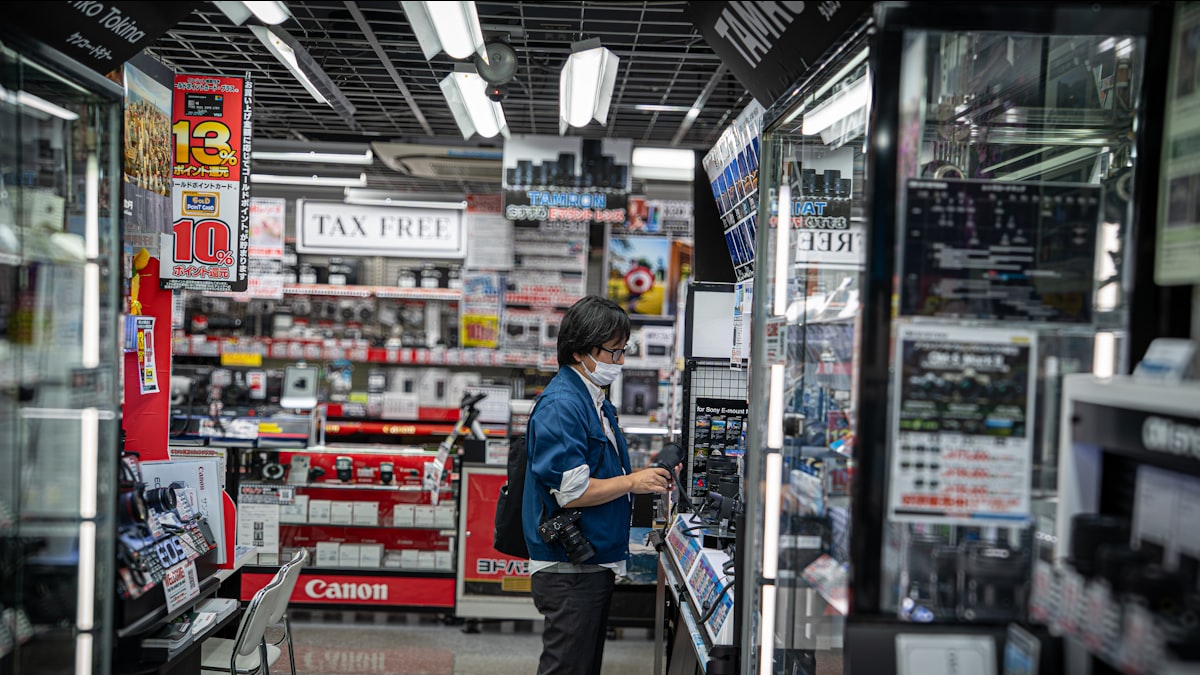
    • Cameras & lenses — great selection; tax-free savings add up.
    • Audio — headphones, earbuds, and hi-fi from Japanese brands.
    • Beauty tech — facial devices and hair tools (check voltage!); see beauty tools.
    • Kitchen gadgets — rice cookers (buy the overseas-voltage export models), quirky tools.
    • Watches — Japanese watch brands at good prices.
    • Gaming — see Nintendo and retro finds in Akihabara.

    Where to buy

    • Yodobashi Camera & Bic Camera — huge, tax-free, English support.
    • Don Quijote for cheap gadgets — see our Donki guide.
    • Akihabara for specialist and used gear.

    Save money

    • Bring your passport for tax-free shopping (5,000 yen+).
    • Ask for the export model for voltage-sensitive appliances.
    • Buying big or heavy? Consider a proxy service or check prices on Amazon back home.

    What things typically cost

    • New camera bodies and lenses often price JPY 20,000-50,000 below overseas retail before tax-free savings, while headphones and audio gear from Japanese brands run 10-30% cheaper than export pricing.
    • Rice cookers built for the export market (110-240V) run JPY 15,000-40,000 for a good mid-range model — always confirm you’re buying the export version, since the domestic 100V-only models are often displayed alongside them at a lower price.
    • Nintendo Switch games run JPY 5,000-7,500 new, occasionally cheaper than Western retail depending on exchange rates, with a much deeper back-catalog of used titles at Japanese game shops.

    Common mistakes to avoid

    • Buying a hair styling tool without checking the voltage label — this is the single most common regret purchase; many hair dryers and straighteners sold in Japan are 100V-only and will burn out or malfunction on a 220-240V home circuit without a proper voltage converter (not just a plug adapter).
    • Assuming region locks apply to everything — Nintendo Switch games are region-free worldwide, but some older console formats and Blu-rays are not; check the specific product rather than assuming based on gaming habits from a different console generation.
    • Skipping the international warranty question on expensive purchases — ask explicitly at the register, since it’s not always volunteered, and a domestic-only warranty can matter if something needs repair after you’re home.

    Where to compare prices efficiently

    Yodobashi and Bic Camera often price-match or come close to each other on the same models, so a quick comparison between their nearby branches (many cities have both within walking distance) before committing to a purchase is a low-effort way to ensure a fair price on bigger-ticket electronics.

    Shipping heavier electronics purchases

    For a large camera and lens combo or a rice cooker, ask about international shipping directly from Yodobashi or Bic Camera rather than checking fragile electronics as luggage — this is a routine service for overseas visitors and often costs less than the risk of damage or excess baggage fees.

  • Akihabara Shopping Guide: Anime, Games & Electronics

    Akihabara Shopping Guide: Anime, Games & Electronics

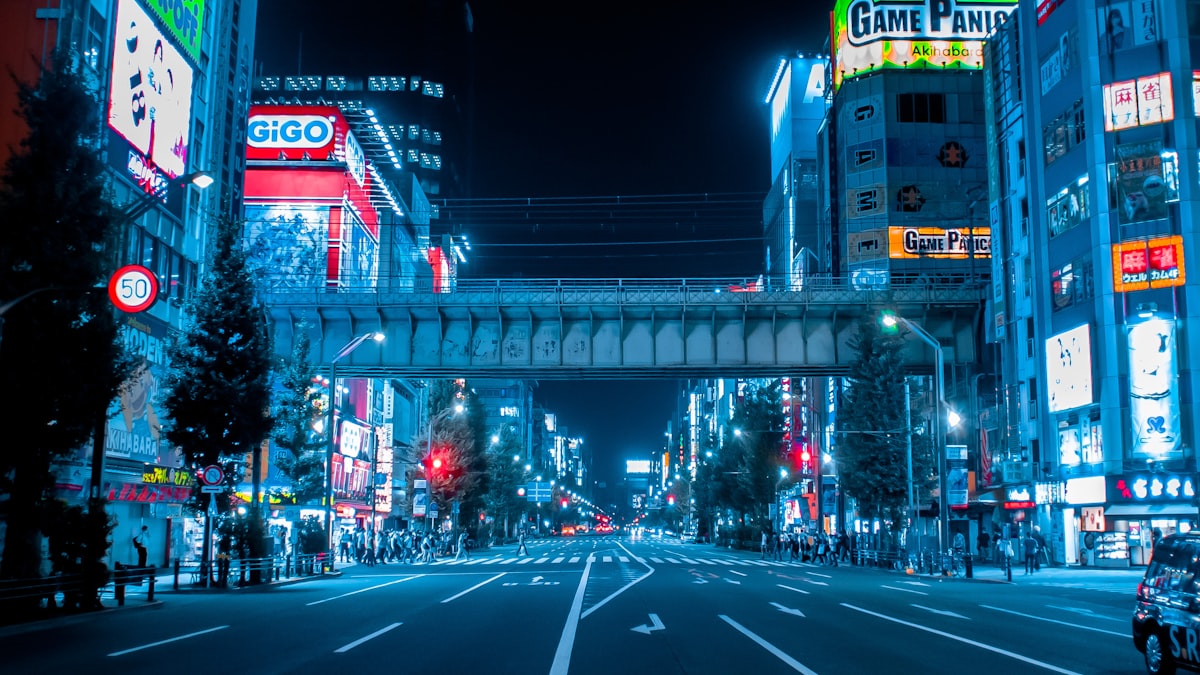
    Akihabara — “Akiba” — is Tokyo’s electric town and the beating heart of anime, gaming, and gadget culture. Here’s how to shop it without getting overwhelmed.

    What Akihabara is famous for

    • Anime & manga goods — figures, merch, doujinshi, and more.
    • Electronics — from tiny components to the latest gadgets.
    • Retro & current gaming — consoles, cartridges, and arcades.
    • Otaku culture — maid cafes, gachapon halls, and themed stores.

    Stores to know

    • Yodobashi Akiba — a giant one-stop electronics department store, tax-free for tourists.
    • Mandarake — floors of collectibles, vintage figures, and manga.
    • Super Potato — the famous retro-game shrine.
    • Animate & Kotobukiya — anime merch and model kits; see buying anime figures.
    • Gachapon halls — walls of capsule-toy machines.

    Shopping smart

    Tips

    • Weekends are busy; the main street (Chuo-dori) goes pedestrian-only on Sundays (weather permitting).
    • Building basements and upper floors hide the best specialist shops — look up.
    • Can’t carry it all? Use a proxy service to ship home.

    Akiba is a half-day easily — pair it with the rest of our Tokyo guide.

    What things cost

    • Used figures and collectibles at Mandarake run a wide range, JPY 500 for common items to JPY 50,000+ for rare, boxed, or discontinued pieces — the grading system on display tags is worth learning on your first visit.
    • Retro games at Super Potato run JPY 1,000-8,000 depending on rarity and condition, often cheaper than equivalent Western retro-gaming marketplace prices despite the shop’s cult reputation.
    • A gachapon hall session realistically runs JPY 1,000-3,000 in coins if you’re trying for a few specific items, on top of whatever else you buy in the district.

    Common mistakes to avoid

    • Only visiting ground-floor shops — many of Akihabara’s best specialist stores are on upper floors or basements of nondescript buildings; looking up at building directories as you walk reveals far more than street-level browsing alone.
    • Shopping only on a weekend — Chuo-dori’s pedestrian-only Sunday hours are fun for atmosphere but also the most crowded time to actually browse inside shops; a weekday visit is more efficient for serious shopping.
    • Not budgeting time separately for electronics versus collectibles — Yodobashi Akiba alone can take an hour to properly browse, and treating the whole district as a quick single stop usually means shortchanging one category or the other.

    A practical half-day sequence

    Start with Yodobashi Akiba for electronics while you’re fresh, move to Mandarake and Super Potato for collectibles and retro games, and finish at a gachapon hall or Animate for smaller, lighter souvenirs — ending on the lightest, most packable purchases makes sense if you’re carrying everything for the rest of the day.

    Akihabara beyond the shopping

    Maid cafes and themed cafes are a genuine part of the district’s culture, not just a novelty for tourists — a short visit (most run a cover charge plus a drink minimum, roughly JPY 1,500-2,500 total) gives a taste of otaku entertainment culture that complements the shopping rather than distracting from it.

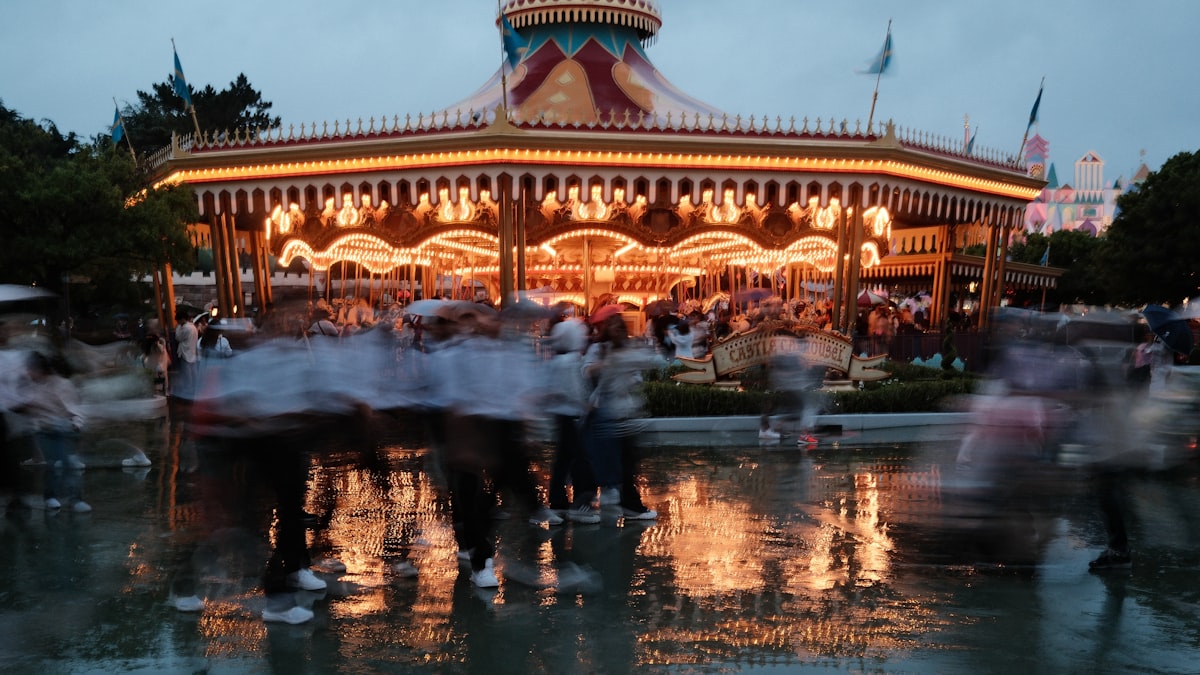
  • Tokyo Disneyland vs DisneySea: Which to Choose

    Tokyo Disneyland vs DisneySea: Which to Choose

    Some links below are affiliate links. If you book through them, Japan Trove may earn a small commission at no extra cost to you.

    Tokyo Disney Resort is one of the best in the world — and unusually, it has two parks: Disneyland and the one-of-a-kind DisneySea. Here’s how to choose and plan.

    Disneyland vs DisneySea

    • Tokyo Disneyland — the classic castle park, great for families and first-timers.
    • Tokyo DisneySea — nautical-themed and utterly unique to Japan; more scenic, more grown-up, with excellent food and drink (it even serves alcohol). Many fans rate it the best Disney park anywhere.

    Only have one day? First-timers with young kids may prefer Disneyland; couples and Disney fans usually love DisneySea.

    Tickets & the app

    • Buy dated tickets in advance — parks can sell out, especially weekends and holidays.
    • Use the official app for wait times, mobile ordering, and the paid Premier Access to skip lines on select rides.
    • Book tickets and packages via Klook .

    Smart planning

    • Avoid weekends and Japanese holidays (like Golden Week) — weekdays are far calmer.
    • Arrive before opening to beat the queues on headliner rides.
    • Stay at an official or nearby hotel for early entry and easy access — compare on Booking.com .

    Getting there

    The resort is in Maihama, about 15 minutes by train from Tokyo Station. Grab an IC card and check our Tokyo guide for the rest of your trip. Traveling with little ones? See Japan with kids.

    Tips

    • Popcorn buckets and seasonal merch are a whole hobby — budget for souvenirs.
    • Bring a portable charger (you’ll live in the app).
    • Check the seasonal events calendar — Halloween and Christmas are spectacular.

    What a Disney day costs

    • 1-day passport tickets run roughly JPY 9,400-10,900 depending on the date (Tokyo Disney uses variable date-based pricing similar to USJ), with weekday tickets typically cheaper than weekends.
    • Premier Access (the paid line-skip system) runs JPY 1,500-2,500 per ride per person and is worth prioritizing for the two or three attractions with genuinely long average waits rather than buying it for everything.
    • Popcorn buckets, a beloved souvenir category unique to Tokyo Disney, run JPY 2,500-3,500 each and sell out fast on release days — if a specific design matters to you, check release dates and buy early in your visit.

    Common mistakes to avoid

    • Choosing the wrong park for your group — DisneySea’s more sophisticated, adult-leaning atmosphere and larger walking distances can be less ideal for very young children than Disneyland’s classic, compact layout; match the park to your group before buying tickets you can’t easily swap.
    • Not downloading the official app before arrival — wait times, mobile food ordering, and Premier Access purchases all run through it, and setting it up in advance (rather than fumbling with it at the gate) saves real time on arrival.
    • Underestimating how much walking DisneySea involves — its nautical theme spans a genuinely large, hilly layout; comfortable shoes matter even more here than at a typical theme park.

    Choosing between the two parks with limited time

    If you can only visit one park and don’t have young children, most repeat visitors and Disney enthusiasts recommend DisneySea specifically because it doesn’t exist anywhere else in the world, while Disneyland’s core attractions overlap significantly with other Disney parks internationally.

    Seasonal timing for special events

    Tokyo Disney’s Halloween (September-October) and Christmas (November-December) events are considered among the best seasonal theme park decorations anywhere, but they also draw the heaviest crowds of the year — if seasonal decor matters more than shorter lines, plan around it deliberately; if not, the quieter months outside these windows offer a meaningfully calmer visit.

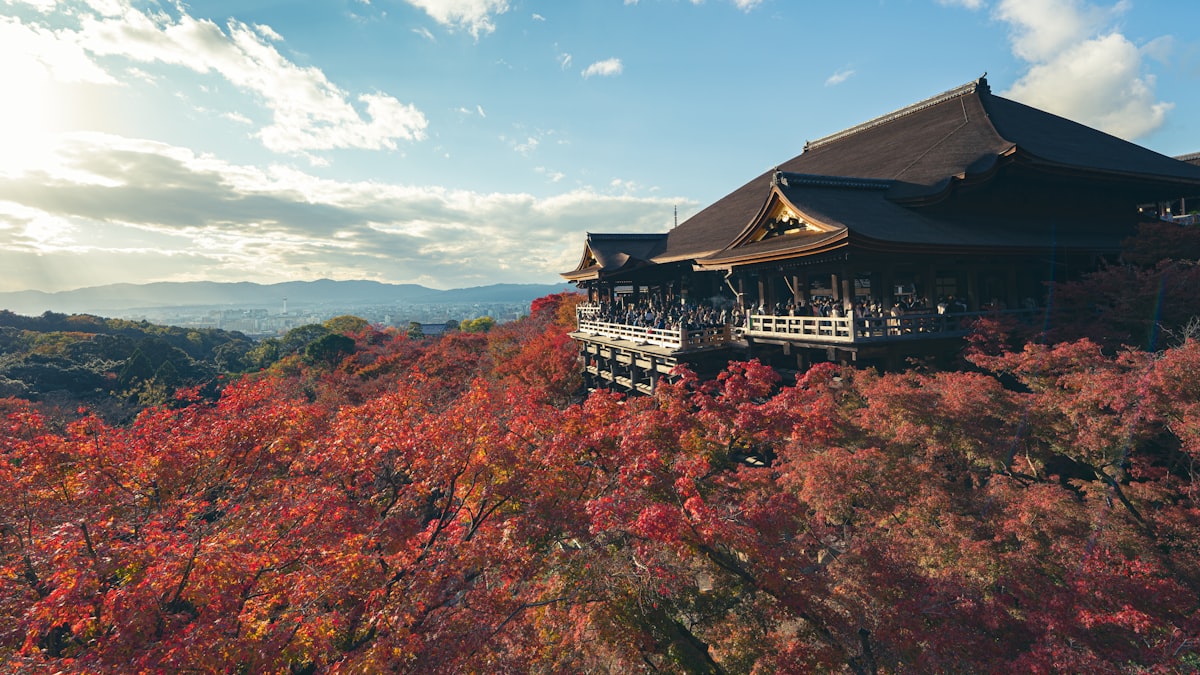
  • Autumn Leaves in Japan: When & Where to See Koyo

    Autumn Leaves in Japan: When & Where to See Koyo

    Japan’s autumn foliage (koyo) rivals its cherry blossoms — fiery maples, golden ginkgo, and temples framed in red. Here’s when and where to catch the colors.

    When does it happen?

    • Hokkaido: from mid/late September.
    • Tokyo, Kyoto & central Japan: mid-November to early December (peak).
    • Southern Japan: late November into December.

    Colors move north-to-south and high-to-low elevation. Follow the annual koyo forecast as your trip nears — timing shifts each year with the weather. See best time to visit.

    Best places for autumn colors

    • Kyoto — temples like Tofuku-ji, Eikan-do, and Arashiyama are stunning; see Kyoto guide.
    • Nikko — mountains, waterfalls, and shrines north of Tokyo.
    • Hakone & Mt. Fuji area — colors with Fuji views.
    • Kamikochi & the Japan Alps — alpine autumn near Takayama.
    • Tokyo — Rikugien and the Meiji Jingu Gaien ginkgo avenue.

    Don’t-miss experiences

    • Evening light-ups at Kyoto temples — magical after dark.
    • Momiji-gari (maple viewing) walks and mountain ropeways.
    • Seasonal sweets and chestnut (kuri) treats.

    Planning tips

    • Autumn is peak season — book hotels and a ryokan early.
    • Weekends at famous temples get crowded; go early morning.
    • Bring layers — mountain mornings are cold. Check the packing list.

    Prefer pink? Compare with our cherry blossom guide, and slot autumn into the 7-day itinerary.

    What things cost

    • Most autumn foliage viewing is free — temple grounds and public parks rarely charge extra for the season, though a handful of famous Kyoto temples add a modest JPY 300-600 fee for special evening illumination events.
    • Ropeway and cable car rides to elevated viewpoints (like those near Hakone or in the Japan Alps) run JPY 1,500-3,000 round-trip and are often the easiest way to see a wide swath of color without a long hike.
    • Autumn is peak-season pricing for hotels and ryokan in famous foliage areas, often on par with or exceeding cherry blossom season rates — booking 2-3 months ahead for well-known spots is standard practice, not overcautious.

    Common mistakes to avoid

    • Planning a trip around a fixed date without checking the yearly koyo forecast — peak color shifts by 1-3 weeks year to year depending on temperature patterns; if your dates are flexible at all, checking forecasts 2-3 weeks out before finalizing your itinerary improves your odds significantly.
    • Only planning for Kyoto — while famous, Kyoto’s temple gardens get extremely crowded in peak color weeks; Nikko, the Japan Alps, and Tokyo’s own parks (Rikugien, Meiji Jingu Gaien) offer excellent color with meaningfully smaller crowds.
    • Underestimating temperature swings — mountain and highland viewing spots can be 10-15°C colder than nearby cities at the same time of year; pack real layers, not just a light jacket.

    Chasing color across the country

    Because color moves from north to south and high to low elevation over about two months, a longer trip can genuinely chase peak foliage across multiple regions — starting in Hokkaido or the Japan Alps in late September/October and finishing in Kyoto or southern Japan in early December, turning a single season into a much longer travel window than cherry blossom season allows.

    Pairing foliage with seasonal food

    Autumn in Japan is also a major food season — chestnuts, sweet potato, matsutake mushrooms, and Japan’s famous fruit season (grapes, pears, early mandarins) all peak alongside the leaves, so building in a food-focused stop (a depachika food hall or a rural farm stand) rounds out a foliage-focused trip nicely.

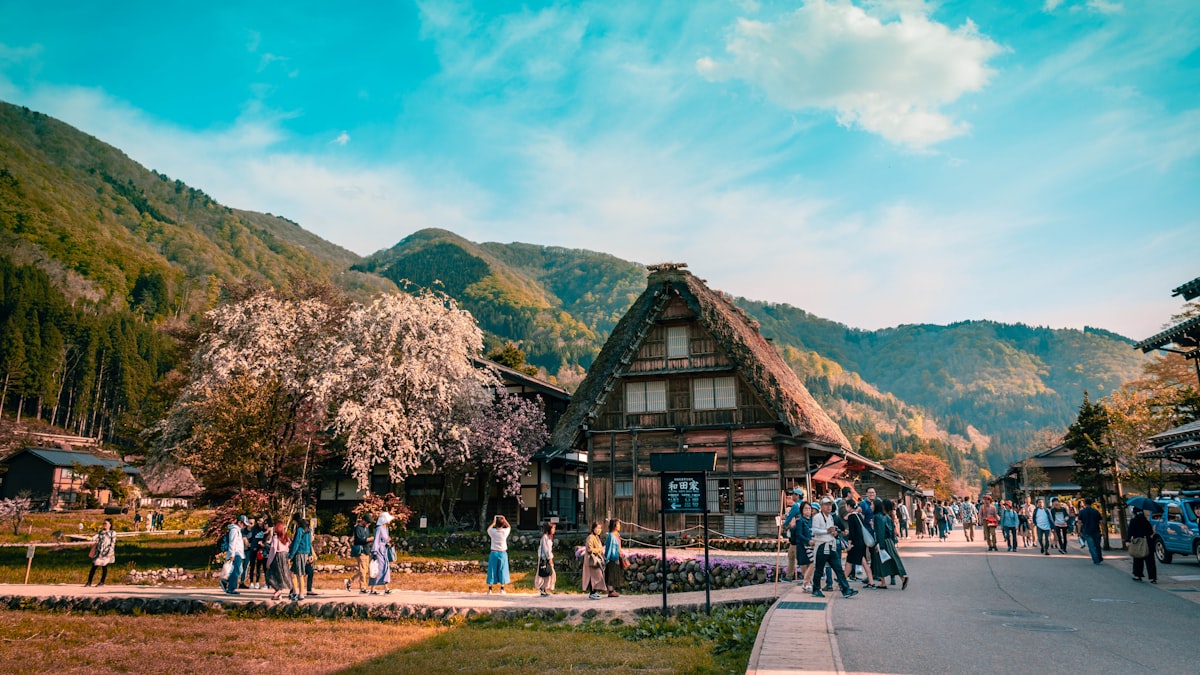
  • Takayama & Shirakawa-go: Old Japan in the Mountains

    Takayama & Shirakawa-go: Old Japan in the Mountains

    For a taste of old, rural Japan, head into the mountains to Takayama and Shirakawa-go — a historic town and a fairytale village of thatched farmhouses. Here’s how to visit.

    Takayama

    • Sanmachi old town — beautifully preserved Edo-era streets of sake breweries and craft shops.
    • Morning markets along the river — local produce, pickles, and crafts.
    • Hida beef — the region’s prized wagyu; try it grilled or as sushi.
    • Festivals — the spring and autumn Takayama Matsuri are among Japan’s finest.

    Shirakawa-go

    • Gassho-zukuri farmhouses — UNESCO-listed houses with steep thatched roofs built to shed heavy snow.
    • Shiroyama viewpoint — the postcard panorama over the village.
    • Winter light-ups — the snow-covered village glows on select evenings (reservations required).
    • Nearby Gokayama is a quieter alternative with similar houses.

    Getting there

    • Takayama is reached by the scenic limited express from Nagoya (covered by the JR Pass).
    • Buses connect Takayama, Shirakawa-go, and Kanazawa — book ahead in peak seasons.
    • It fits neatly between Tokyo/Kyoto trips — see our 14-day itinerary.

    When to go

    Gorgeous year-round: fresh green in summer, autumn leaves in fall, and snow-globe scenery in winter. Summers are cooler than the cities — a nice escape.

    Tips

    • Stay overnight in a Takayama ryokan or a Shirakawa-go farmhouse minshuku for the full experience.
    • It’s rural — carry cash and an eSIM.
    • Pair with Kyoto and Kanazawa for a great “old Japan” loop.

    What things cost

    • Shirakawa-go’s Shiroyama viewpoint is free to reach on foot, or a shuttle bus runs about JPY 200 one-way if you’d rather skip the uphill walk after a day of sightseeing.
    • The winter light-up evenings require advance reservation and often a paid parking/shuttle package (roughly JPY 2,000-3,000), since the village strictly limits visitor numbers on those nights to preserve the atmosphere.
    • A Hida beef dinner in Takayama runs JPY 3,000-8,000 depending on cut and preparation, with grilled skewers from street stalls offering a cheaper JPY 500-800 taste for those not ready for a full meal.

    Common mistakes to avoid

    • Treating Shirakawa-go as a quick photo stop — most tour buses give only an hour or two, but the village rewards a longer, unhurried walk through its farmhouse lanes away from the main viewpoint crowd.
    • Visiting Takayama’s morning markets in the afternoon — they wind down by early afternoon, so a late start means missing most of the fresh produce and craft stalls.
    • Booking a same-day return bus from Shirakawa-go without checking the schedule — rural bus frequency is much lower than city transport, and missing a bus can mean a long wait for the next one.

    Staying overnight in a Shirakawa-go farmhouse

    A handful of the gassho-zukuri houses operate as minshuku guesthouses, letting you sleep inside one of the actual UNESCO-listed structures — a genuinely rare experience booked well in advance, since only a limited number of rooms exist across the whole village.

    Combining with Kanazawa or Kyoto

    Direct buses connect Takayama and Shirakawa-go to Kanazawa, making a natural “old Japan” triangle route that avoids doubling back through Tokyo or Nagoya — a popular structure for 10-14 day itineraries that want depth in rural, historic Japan alongside the bigger cities.