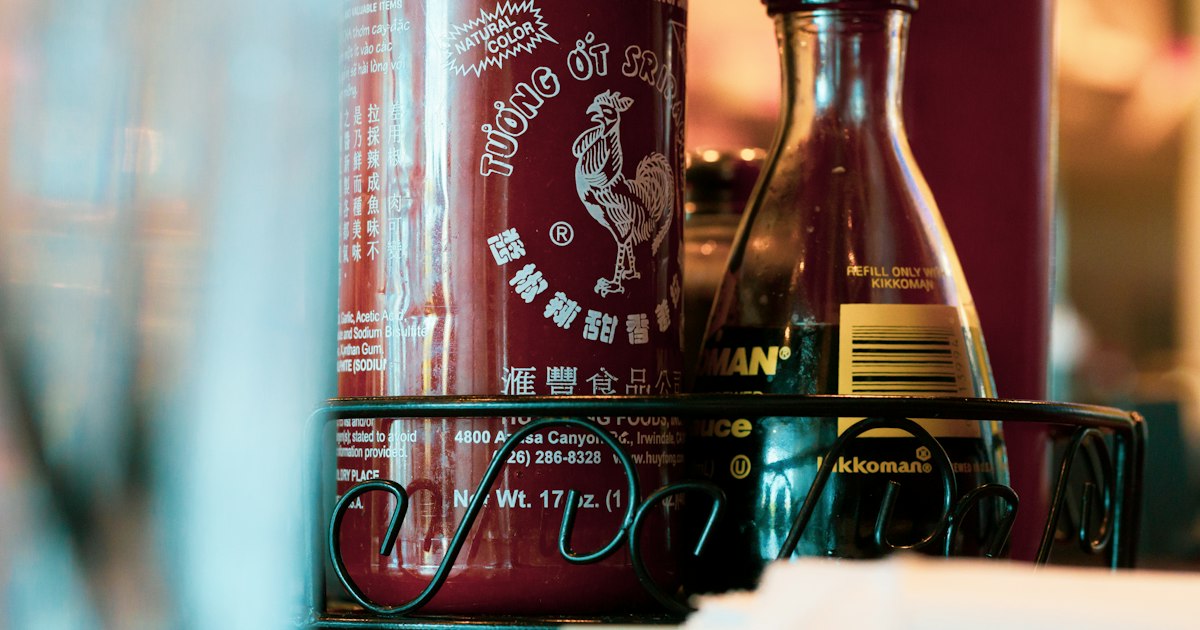
Photo by Hiroko Nishimura on Unsplash
Walk down the seasoning aisle of any Japanese supermarket and you’ll find twenty or more bottles labeled shoyu (醤油), ranging from ¥250 mass-market staples to ¥4,000 barrel-aged bottles sold in tiny gift boxes. Soy sauce is one of the easiest, most useful souvenirs to bring home from Japan — it’s not fragile in the way lacquerware or ceramics are, it’s genuinely used in everyday cooking rather than displayed on a shelf, and the regional differences are dramatic enough that a bottle from Shodoshima tastes nothing like a bottle from Kyoto. This guide covers the main styles, where they’re made, and how to actually buy and pack the stuff without it exploding in your suitcase.
The Five Main Styles of Shoyu
Almost all Japanese soy sauce falls into five categories, and knowing them will save you from buying the wrong bottle for the wrong dish:
- Koikuchi (濃口) — “dark mouth,” the default soy sauce used in roughly 80% of Japanese households. All-purpose, balanced saltiness, dark reddish-brown. If a bottle just says “shoyu” with no other label, it’s this.
- Usukuchi (淡口) — “light mouth,” lighter in color but actually saltier than koikuchi (roughly 10-15% more sodium). Centered on the Kansai region, used where cooks want seasoning without darkening the dish — clear broths, simmered vegetables. This is the classic beginner mistake: people assume “light” means less salty, and over-pour it.
- Tamari (たまり) — thick, dark, made with little or no wheat, originally from the Chubu region (Aichi, Gifu, Mie). Rich umami, glossy finish, good for dipping sashimi or glazing grilled fish. Note that “tamari” doesn’t automatically mean gluten-free — some commercial tamari still contains a small percentage of wheat, so check the label if you need a wheat-free product.
- Shiro (白) — “white” soy sauce, very pale and mostly wheat, sweet and delicate. Mainly from Aichi Prefecture, used in dishes like chawanmushi where color matters.
- Saishikomi (再仕込み) — “twice-brewed,” made by using soy sauce instead of brine to ferment a second batch. Thicker, darker, and more expensive; associated with Yamaguchi and parts of Kyushu. Best used sparingly as a finishing sauce or dip rather than a cooking base.
Japan’s Great Soy Sauce Regions
A handful of places are worth knowing if you want to buy at the source rather than a supermarket shelf:
- Noda and Choshi, Chiba Prefecture — Japan’s industrial soy sauce heartland since the Edo period, and still home to Kikkoman’s headquarters and largest plant. Not scenic, but historically the most important production center in the country.
- Yuasa, Wakayama Prefecture — widely credited as the birthplace of Japanese soy sauce, developed in the 13th century from the liquid that pooled on top of fermenting kinzanji miso. The old town’s preserved merchant streets (a designated Important Preservation District) still have working breweries like Kadocho.
- Tatsuno, Hyogo Prefecture — the historic center of usukuchi production, with a small soy sauce museum near Tatsuno Castle Park. A nice add-on if you’re already exploring the Kansai region.
- Shodoshima, Kagawa Prefecture — the most rewarding place to actually visit as a traveler. The island still has several breweries fermenting in century-old wooden barrels (kioke), a technique nearly disappeared elsewhere in Japan. If you’re already island-hopping in the Seto Inland Sea toward Teshima, Shodoshima is an easy extension by ferry from Takamatsu (about 60 minutes) or Okayama’s Uno Port (about 70 minutes).
Touring a Brewery
Kikkoman’s Noda plant in Chiba runs factory tours (free, reservation required, roughly 90 minutes) that walk you through the brewing process and end in a tasting/shop area — reachable from central Tokyo via the Tobu Urban Park Line to Noda-shi Station in about an hour. Tour schedules and language availability change seasonally, so confirm current times on Kikkoman’s official site before planning your day around it.
On Shodoshima, Yamaroku Shoyu is the best-known small brewery for visitors — you can see the 150-year-old wooden barrels in person, and a short paid tasting/tour (typically a few hundred yen) lets you compare barrel-aged tamari against factory-made soy sauce side by side. Autumn and winter are good times to visit, since fermentation activity and the barrel room’s smell are more pronounced in cooler weather, and it pairs naturally with a quieter, less crowded season on the art islands.
Where to Buy
You don’t need to visit a brewery to buy well — Japan makes it easy at every budget level:
- Supermarkets (Life, Seijo Ishii, Ito-Yokado) — the cheapest source for everyday koikuchi and usukuchi, and a good place to compare regional brands you won’t find at home.
- Depachika (department store basements) — Isetan Shinjuku and Takashimaya have curated soy sauce sections with regional and artisanal bottles, often in gift-box sizes made for travel.
- Kaldi Coffee Farm — a national chain that stocks small-batch regional soy sauces alongside imported goods; useful if you’re not routing through a specific region.
- Airport shops — Narita and Haneda sell compact, leak-tested travel bottles (100-200ml) specifically packaged for check-in luggage, which is the easiest option if you’re buying at the last minute.
If you’re assembling a small Japanese pantry kit to bring home, a bottle of tamari pairs naturally with a good knife — and if you’re shopping for kitchen tools anyway, it’s worth reading about traditional whetstones (toishi) while you’re at it.
Prices: Budget to Splurge
- Budget: ¥250-¥450 for a 500ml-1L bottle of mainstream koikuchi (Kikkoman, Yamasa) — fine for everyday cooking, widely available, and cheap enough that price isn’t a reason to skip it.
- Mid-range: ¥800-�¥2,000 for a 200-300ml bottle of regional or small-brewery soy sauce — this is the sweet spot for a souvenir with a real story behind it.
- Splurge: ¥3,000-¥5,000 for barrel-aged specialties, like Yamaroku’s multi-year-aged tamari (sold as “Tsuru Bishio”) — sold in small bottles since a little goes a long way as a finishing drizzle, not a cooking staple.
Common Mistakes to Avoid
- Buying the giant 1.8L jug. It’s the cheapest per milliliter but heavy, bulky, and a liquid-leak risk in checked luggage. Stick to 200-500ml bottles for travel.
- Packing it in a carry-on. Any bottle over 100ml needs to go in checked luggage — wrap it in a sealed bag and cushion it with clothing. Duty-free bottles bought after security in a tamper-evident bag are the one exception for onward international flights.
- Confusing “light” with “low-sodium.” Usukuchi is paler in color but saltier than standard koikuchi — a common substitution error that over-salts a dish.
- Leaving it unrefrigerated after opening. Shoyu oxidizes and loses aroma within a few weeks once opened, especially the smaller artisanal batches without preservatives — refrigerate after opening, just like at home.
However you plan your trip — pairing a Shodoshima brewery visit with the art islands, or just grabbing a good bottle at a Tokyo depachika before you fly home — soy sauce is one of the rare souvenirs that’s cheap, light enough for most itineraries, and actually gets used rather than stored in a drawer. If you’re building out a broader Japanese food-culture itinerary, dishes like sukiyaki, which leans on a soy-based warishita sauce, or the soy dipping sauce served alongside Hokkaido’s jingisukan grilled lamb, are good places to actually taste regional shoyu in context before you decide which bottle to bring home.